Skip to content
Details

Custom Shelf Ready Display Boxes

Shelf ready display boxes move from transit case to retail shelf with minimal unpacking, making them a practical choice for branded multipacks, faster replenishment and cleaner in-store presentation across grocery, health, beauty and convenience ranges.

The Case Must Reach the Shelf Ready to Open

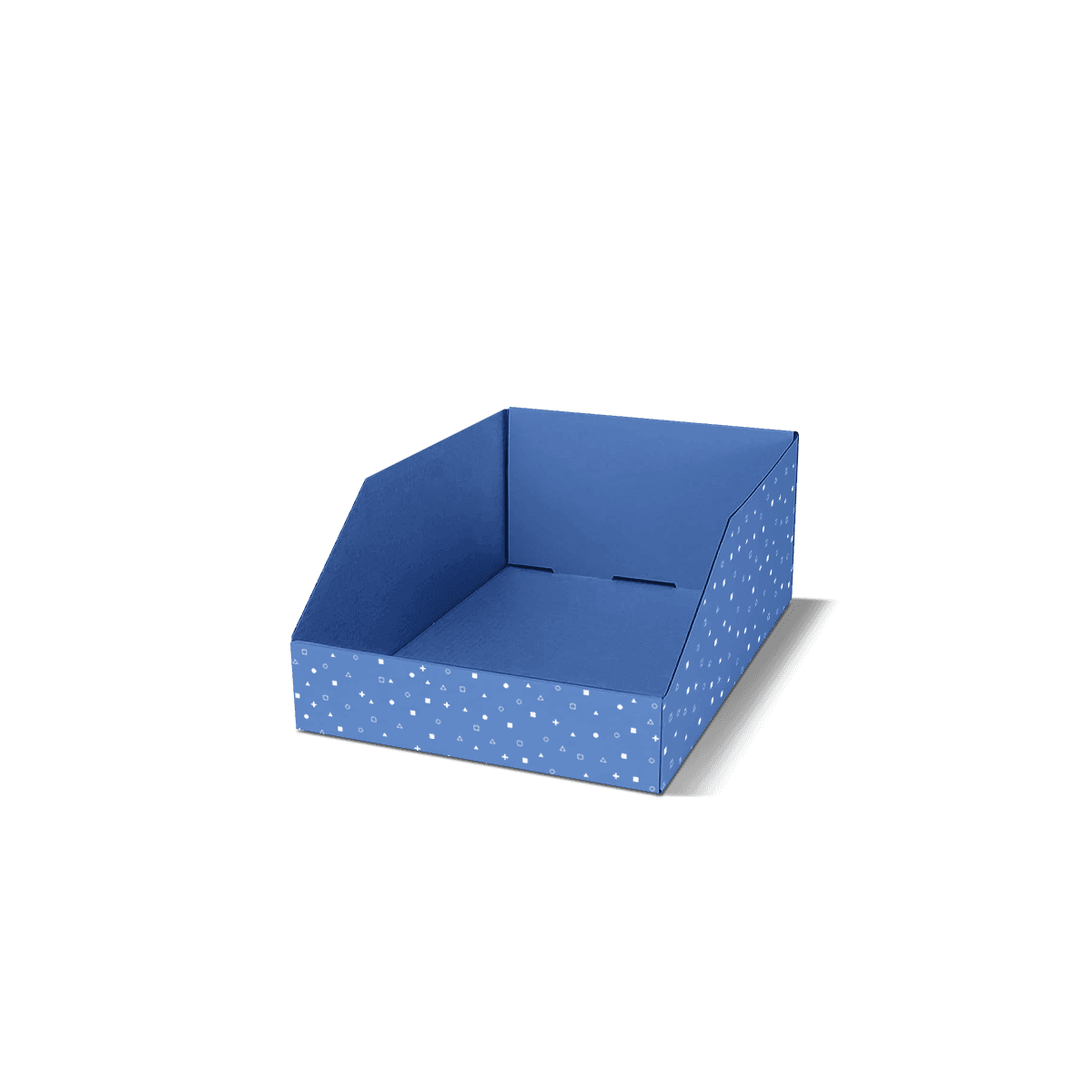
A shelf-ready case fails if store staff have to unpack individual products, reach for a knife or rebuild the display before it can go onto the fixture. Custom shelf ready display boxes should arrive as organised transit units, open cleanly and move into position with the products already facing the way they are meant to be sold.

That makes shelf-ready packaging a different job from an ordinary display tray. The closed case has to cope with warehouse handling, stacking and delivery. The opened case then has to become a stable retail unit without leaving torn edges, loose panels or a front wall that hides too much of the product.

The specification should therefore be judged in two states: closed for distribution and open for replenishment. Product dimensions, case count, shelf depth, total loaded weight and opening method all need to work together. If only the open display is considered, transit can become weak. If only the closed case is considered, the shop-floor conversion becomes slow and awkward.

For brands supplying grouped products into stores, custom retail packaging provides the retail context. Shelf-ready boxes become the more specific choice when the same case is expected to protect, open and move onto the shelf with minimal decanting.

Case Count Controls the Footprint

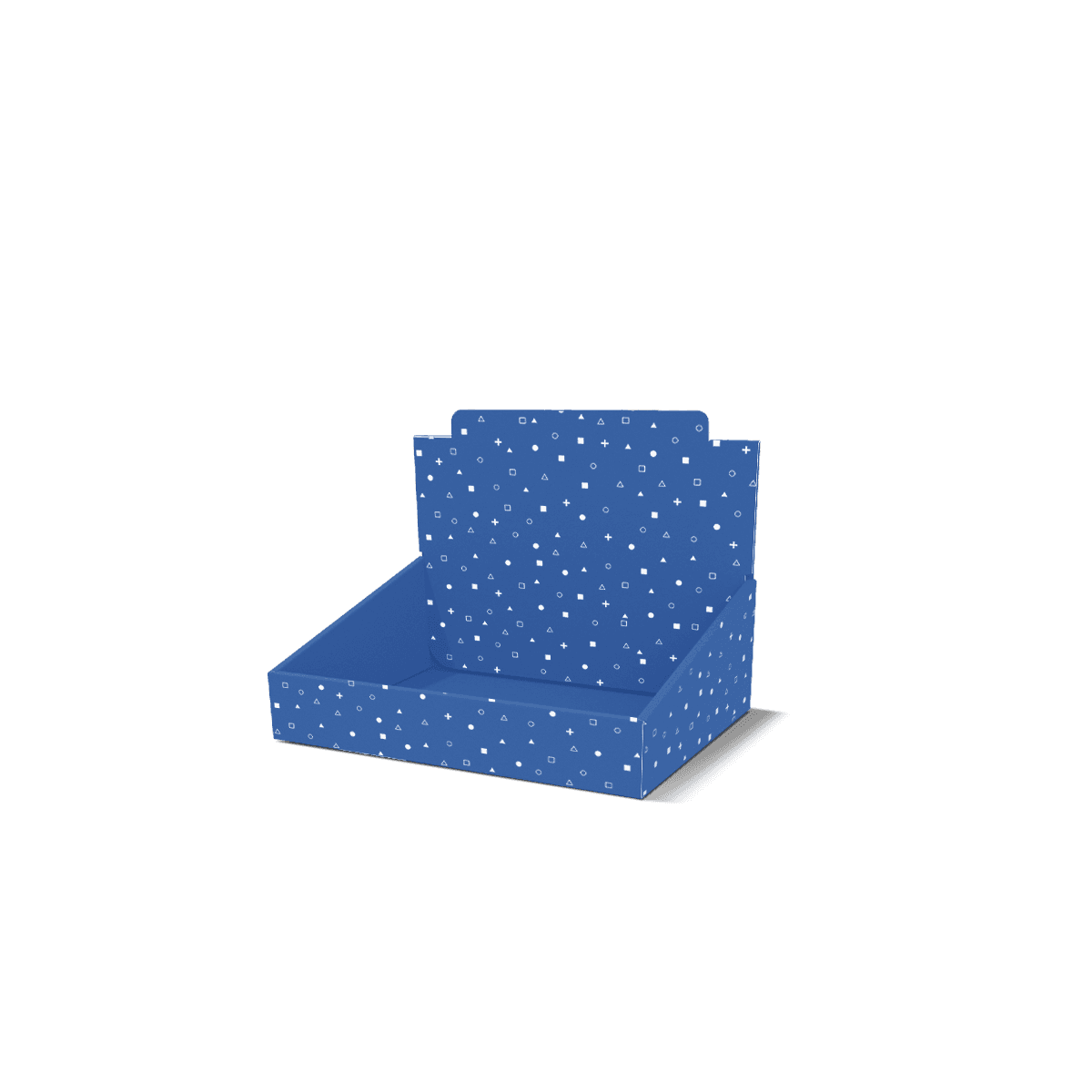
The most useful starting point is the number of sale units the retailer should receive and place at once. Case count affects the external footprint, carrying weight, shelf utilisation and how frequently staff need to replenish the line.

Facing Count Before Outer Size

Work from the finished retail unit, including caps, hanging tabs, seals or any feature that changes the true footprint. Then decide how many products should face the customer and how many should sit behind each facing.

A six-unit case arranged three across and two deep behaves differently from the same six units arranged two across and three deep. One layout may fit the shelf width better while the other may make individual products easier to retrieve. The correct answer depends on the retail fixture rather than a generic carton proportion.

Mixed variants need more care. If two flavours or shades share one shelf-ready case, the row layout should stop one variant collapsing into the space left by another. Simple dividers or separate lanes can help without turning the unit into a complex display.

Shelf Depth and Product Retrieval

A case can technically fit the shelf and still be awkward to shop. Excessive depth may push the rear units too far back once the front stock sells. Too little depth can reduce useful case count and create more frequent replenishment.

The front lip also needs enough height to restrain products without covering important product information. Side walls should support the remaining stock but not make the last units difficult to remove. These details are easier to solve before the dieline is fixed than after finished cases have been loaded.

Prove the Tear-Away With Real Stock

Shelf-ready packaging earns its value at the moment the outer changes from a closed transit case into an open retail unit. Perforation position, tear direction and the amount of material that remains after opening determine whether that conversion feels controlled or improvised.

Perforations Need Controlled Resistance

A tear line has to stay intact through filling, stacking and transport, then separate predictably in store. If it releases too easily, the transit case can weaken before arrival. If it needs excessive force, staff may distort the tray or tear into the printed shelf face.

The shape of the removable section matters as much as the perforation itself. Corners and changes in direction can become stress points. The opening should leave a clean front edge and enough side-wall structure to support the products that remain.

Consider a supplement line using cartons around 50 × 35 × 110 mm, packed 12 units to a case. If the tear-away front is positioned too high, the remaining wall covers too much of the carton artwork. Move it too low without changing the side profile and the opened tray may lose restraint as the first row sells.

A better approach is to set the exposed product height first, then shape the tear line and side walls around the loaded case. The resulting unit can open with less disruption, keep the front row visible and retain enough structure as stock reduces.

Hood-and-Tray Alternatives

Not every shelf-ready case needs a perforated front. A removable hood over a display tray can suit products where a cleaner exposed edge matters or where the open tray needs to remain visually consistent after the transit cover is removed.

The trade-off is different handling. A hood-and-tray arrangement may create a cleaner retail result but uses a different closing and opening sequence from a one-piece tear-away case. The decision should follow the retailer's handling expectation, filling method and the amount of presentation required after opening.

Transit Strength Still Matters After Conversion

A shelf-ready box is still part of the distribution system. Corrugated board is usually the practical starting point when the case carries grouped retail units through handling and stacking, because the fluted structure provides more rigidity than light folding paperboard.

Corrugated Board Around the Load

Board should be matched to loaded weight, case dimensions, stacking conditions and the amount of material removed at opening. A stronger flute is not automatically the answer. A compact case with good product fit can sometimes remain stable with a lighter specification than an oversized case that allows the contents to move.

E-flute can be useful where a relatively compact profile and cleaner printed surface are important. Heavier loads or greater stacking demands may push the specification towards stronger corrugated grades. The material decision should be made from the complete case rather than flute letter alone.

The practical differences between material systems are covered in paperboard vs corrugated vs rigid packaging.

Stacking Before Store Opening

The case needs enough compression resistance for its real supply route before anyone tears away a panel. Product weight, pallet pattern, number of layers and storage conditions all affect the demand placed on the outer.

This is where shelf-ready packaging and ordinary shipping boxes diverge. A shipping carton can prioritise transit strength and secure closure. Shelf-ready packaging has to preserve enough transit performance while also preparing for a controlled transformation into a selling unit.

Free samples are useful when the open-state geometry or loaded strength needs physical checking. A sample can reveal whether the perforation tears as intended, whether the front edge stays square and whether the remaining tray feels stable with the actual products inside.

Retail Staff Should Not Rebuild the Display

The best shelf-ready case reduces decisions at store level. Staff should be able to identify the product, open the case, place it correctly and leave it ready for shopping without sorting loose units into a new fixture.

That means outer markings and structural cues matter. Product identification should be readable before opening. The removal point should be obvious. The case should not need several loose pieces removed in a particular order unless that sequence is genuinely necessary.

Packing-line requirements matter too. If the case is filled manually, access and closing steps should be straightforward. If the product is packed at higher volume, the blank, folds and closing method need to suit the actual packing process rather than create an efficient shelf case that is slow to fill upstream.

For established retail programmes, warehousing and scheduled deliveries can help when the full production quantity does not need to reach every location at once. That operational support is more useful when the shelf-ready specification is already stable and repeatable.

Print for the Open State

Shelf-ready artwork has two audiences. Warehouse and retail teams see the closed case, while customers mainly see whatever front, side or base panels remain after opening.

Barcode and Handling Information Outside

Closed-case panels can carry practical identification such as product references, variant names, barcodes and orientation information where required. Their position should remain usable through distribution and store handling rather than being placed purely for visual balance.

Artwork also has to respect creases, perforations and tear-away areas. Important information should not sit across material that will be ripped off or through a perforation that makes small text difficult to read.

For artwork setup, packaging dielines explained covers cut lines, crease lines, bleed and safe areas.

Branding After the Tear-Away

The opened tray usually has less printable surface than the closed case, so the remaining panels need stronger hierarchy. Front lips and side walls should carry information that still makes sense when products cover most of the base.

Premium offset printing can support detailed retail graphics and controlled brand colour across repeat runs. Free 3D mockups are particularly useful here because the artwork should be reviewed in both states. A flat dieline may look balanced while placing a key brand element on the part that disappears during conversion.

Shelf Ready vs Retail Ready

Shelf-ready packaging is the stronger choice when the dominant job is moving grouped stock from case to shelf with minimal decanting. Opening speed, practical case count and a clean conversion matter more than creating a long-lived merchandising fixture.

Retail Ready Display Boxes suit briefs where the opened case needs to do more ongoing presentation work through branded facings, variant organisation and shopper-facing panels.

Both structures can use corrugated cases and removable sections. The useful distinction is what the opened case still needs to do once store staff place it on shelf.

If the product only needs an open retail holder and does not travel as the same converting case, Cardboard Display Boxes provide a more material-led route. The Display Boxes parent helps separate these behaviours from tray, dispenser, counter and hanging formats.

The distinction should be made from what store staff actually do with the case, not from which acronym appears in the brief.

Approval Should Test the Real Conversion

A shelf-ready prototype should be assessed with real products loaded inside it. An empty sample cannot show whether the front row leans, whether the tray bows after opening or whether the last units remain easy to retrieve.

Physical Sample with Stocked Product

Test the sequence from closed case to shelf. Check how the removable section behaves, where the hands naturally grip, whether any edge becomes rough and whether the remaining display stays square.

Then remove several products rather than judging only the full case. Shelf-ready packaging spends much of its retail life partly depleted, so half-empty stability is a more useful test than a perfect launch photograph.

Repeat Specification Across Rollouts

Once approved, record the internal dimensions, case count, corrugated specification, tear pattern, print version and any dividers or fitments that affect the result. Repeat orders should reproduce the working case rather than rely on memory or a visual reference alone.

MOQ starts from 100 boxes, which allows new retail lines and limited rollouts to begin without committing immediately to a very large quantity. For approved projects tied to store dates, Custom Packly provides guaranteed 4–6 working day production and delivery, with 24/7 support available when specification or artwork questions need resolving.

Base the Order on the Retail Case Count

The commercial unit is the filled retail case, not the blank corrugated outer. Units per case, facing count, shelf depth and opening method determine whether the structure works operationally and should therefore remain consistent from quote through production.

Where retailer requirements or a launch schedule are already fixed, include them with the custom packaging quote. Once the structure and artwork are approved, Custom Packly provides guaranteed 4–6 working day production and delivery.

FAQs

Confirm pack count, product weight, shelf dimensions and how the unit should open first. You should also check whether the box needs top-load or side-load packing and whether staff will place the full case straight onto shelf. Tear-line position, front wall height and board strength all affect how cleanly the display performs in store.

Shelf ready display boxes are usually designed to travel as loaded outer cases and then convert into retail display once opened. Tray Display Boxes are more often display-first units with less emphasis on transit protection. Choose shelf ready packaging when delivery handling and rapid shelf placement are part of the same job.

Yes, but the structure needs to be planned carefully. Heavier or taller products usually need stronger corrugated board, a well-supported base and side-wall strength that prevents bowing during transit. If the product leans, rattles or shifts in the case, internal fit and product count should be corrected before final production.

Yes, outer panels, front lips and side walls can all carry printed branding, product information and merchandising cues. The key is to plan graphics around the tear-open area so the display still looks intentional after the top or front section is removed. Clean conversion matters just as much as print quality on this style.

They can be, especially when produced in paperboard or corrugated board with suitable print and finish choices. Recyclability depends on the full specification rather than the board alone. If environmental performance is a priority, confirm the stock, coating and any added lamination together so the final pack stays aligned with your disposal and retail goals.

Process

How it works

Your Packaging Journey, From Idea to Production and Delivery

01

Tell Us Your Specs

Custom packaging boxes

Tell Us Your Specs

Provide size, quantity, printing, and finishes.

02

Get a Fast Quote

Custom packaging boxes

Get a Fast Quote

Instant transparent pricing, no hidden fees.

03

Design and Approval

Custom packaging boxes

Design and Approval

Artwork checks, revisions, and final sign-off.

04

Produce

Custom packaging boxes

Produce

Expert manufacturing to meet deadlines.

05

Ship to Your Door

Custom packaging boxes

Ship to Your Door

Hassle-free, flexible delivery options.

Get Your Quote for Custom Shelf Ready Display Boxes

Share your product details, dimensions, quantity and artwork needs. We’ll help choose the right packaging style and send a clear quote.