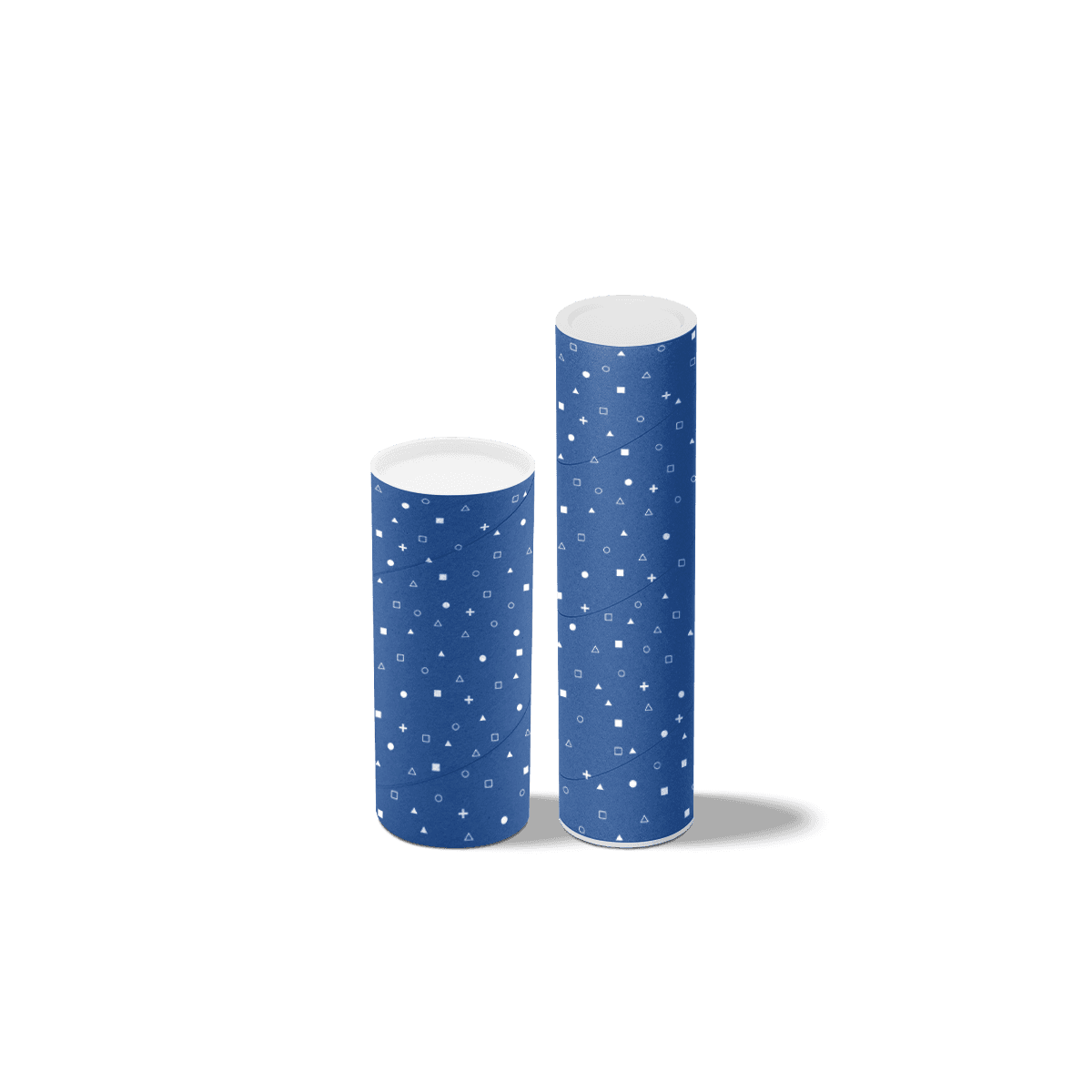
Start With the Rolled Diameter
Custom Mailing Tubes should be specified from the product after it has been rolled for dispatch. The flat sheet size does not tell you how much internal space the tube needs. Paper weight, coating, the number of sheets and any protective tissue can all change the finished roll diameter.
For posters, art prints, plans, maps, certificates and display graphics, this is the first measurement that controls whether packing feels easy or forced. A tube that is too narrow can make staff tighten the roll unnecessarily. A tube that is too wide leaves more room for the contents to move and can make an otherwise simple shipment feel poorly matched.
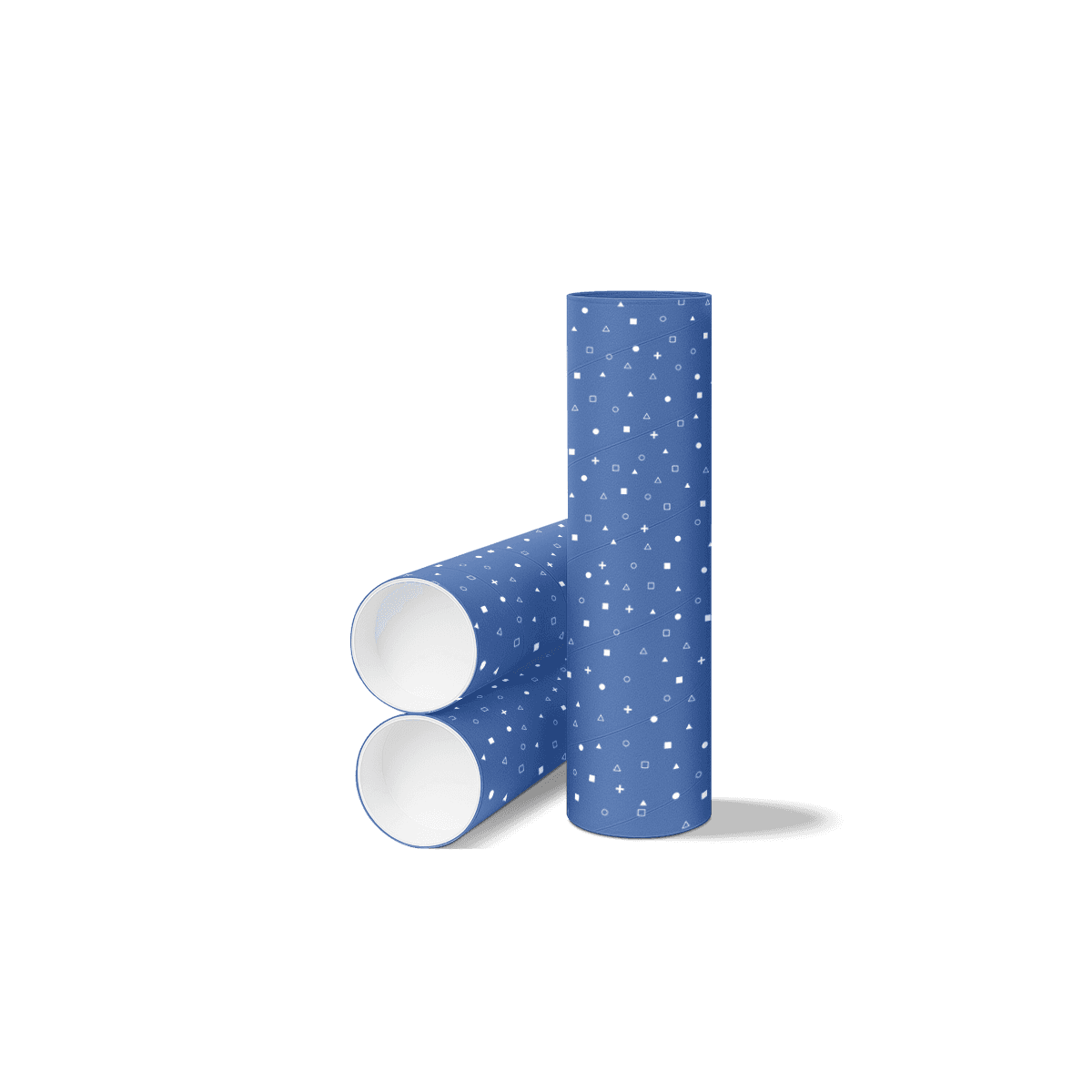
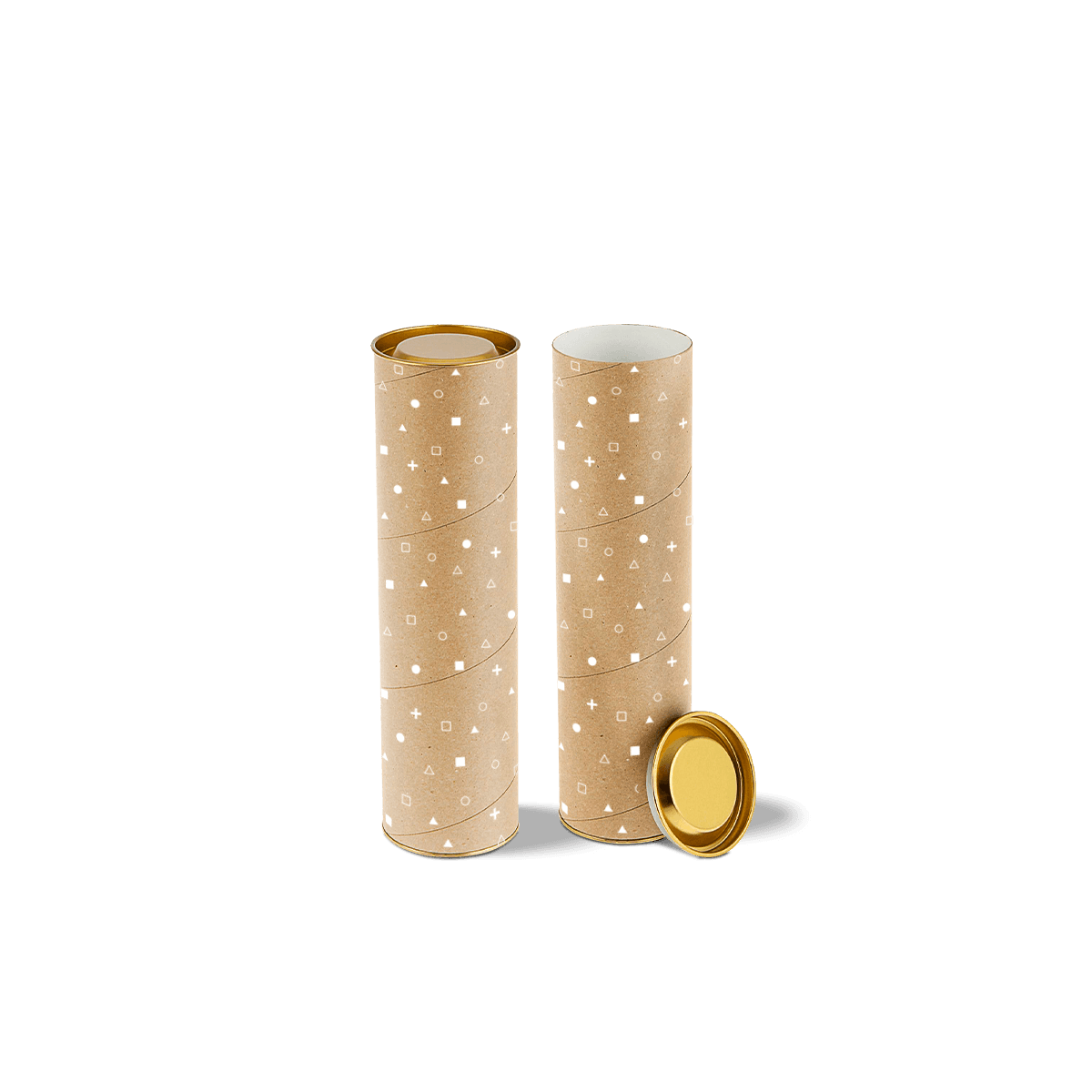
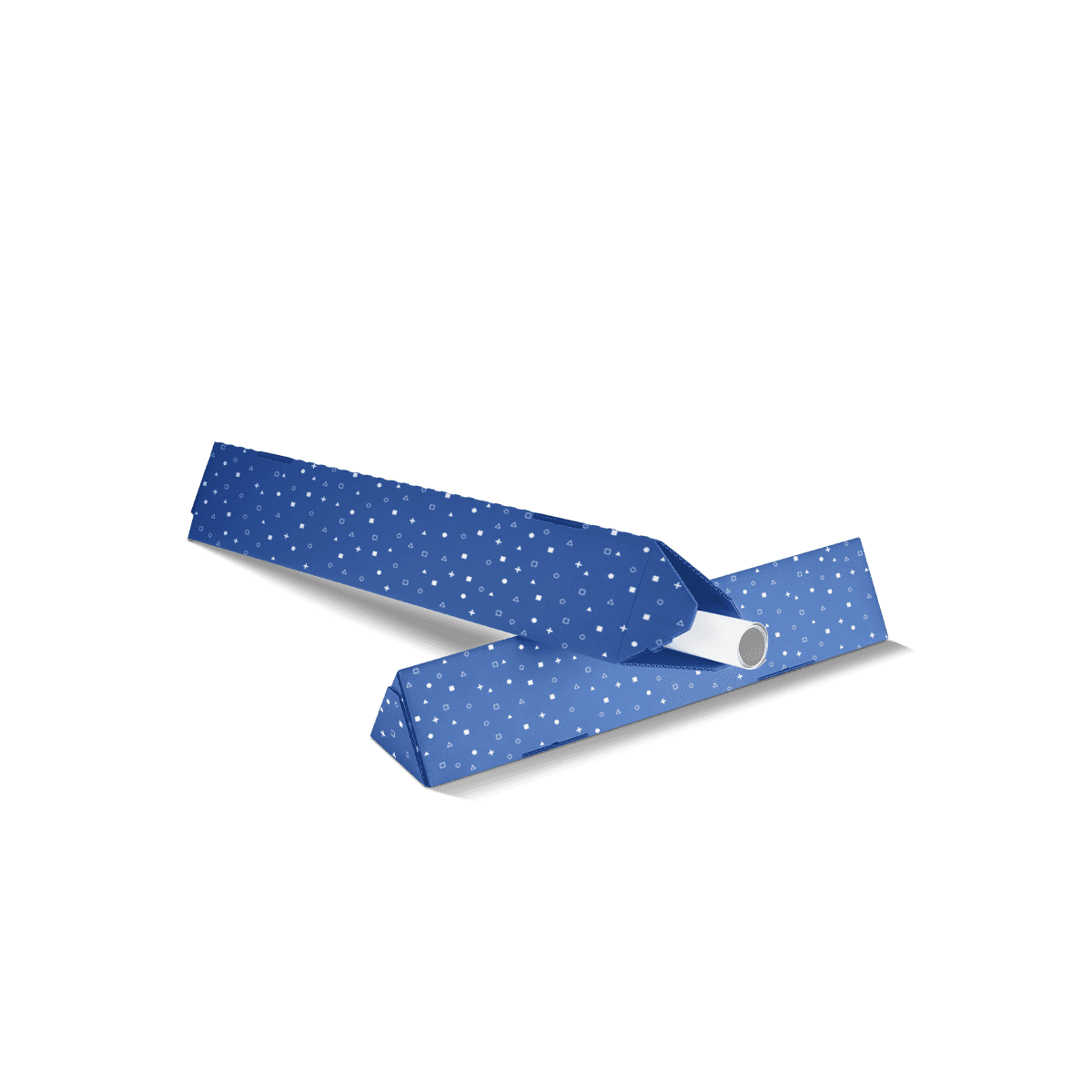
The wider Custom Tube Packaging choice includes retail, gift and product tubes as well as transit formats. Mailing tubes have a narrower job: repeat dispatch of items that travel better rolled, contained and protected than folded or laid loose in a larger carton.
Measure the Real Dispatch Roll
Most mailing-tube errors begin before the tube is chosen: the product is measured flat instead of as a finished roll. For repeat dispatch, the useful dimension is the diameter the poster, print, plan or textile actually reaches after tissue, sleeves or multiple sheets are included.
Custom Mailing Tubes should then be sized around that packed roll and a fixed usable length that staff can load quickly without forcing the contents. The goal is repeatability at the packing bench, not simply a cylinder that is technically large enough.
If the product needs a different cylindrical role altogether, Custom Tube Packaging covers the other structural routes without confusing them with fixed-length dispatch.
Leave Working Clearance
Clearance should make loading and removal easy without creating obvious movement. Valuable prints and coated artwork also need enough room to enter the tube without their exposed edges scraping against the opening.
This is one reason a sample is useful when the fit is close. A free sample can help confirm material and general handling, while a made-to-size test is worth considering when the product is valuable, unusually thick or sensitive to edge damage.