Skip to content
Details

Custom Telescopic Cardboard Tubes

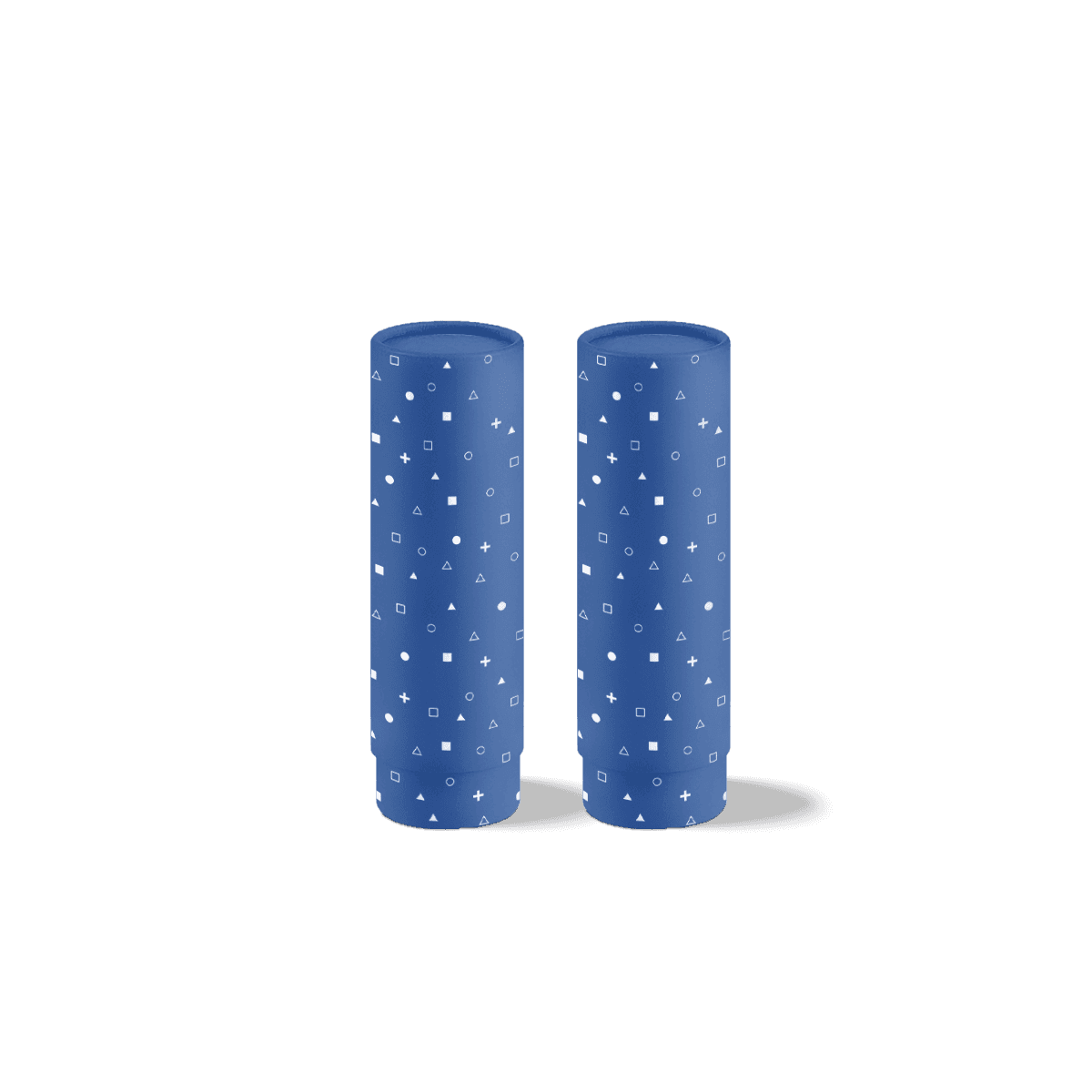
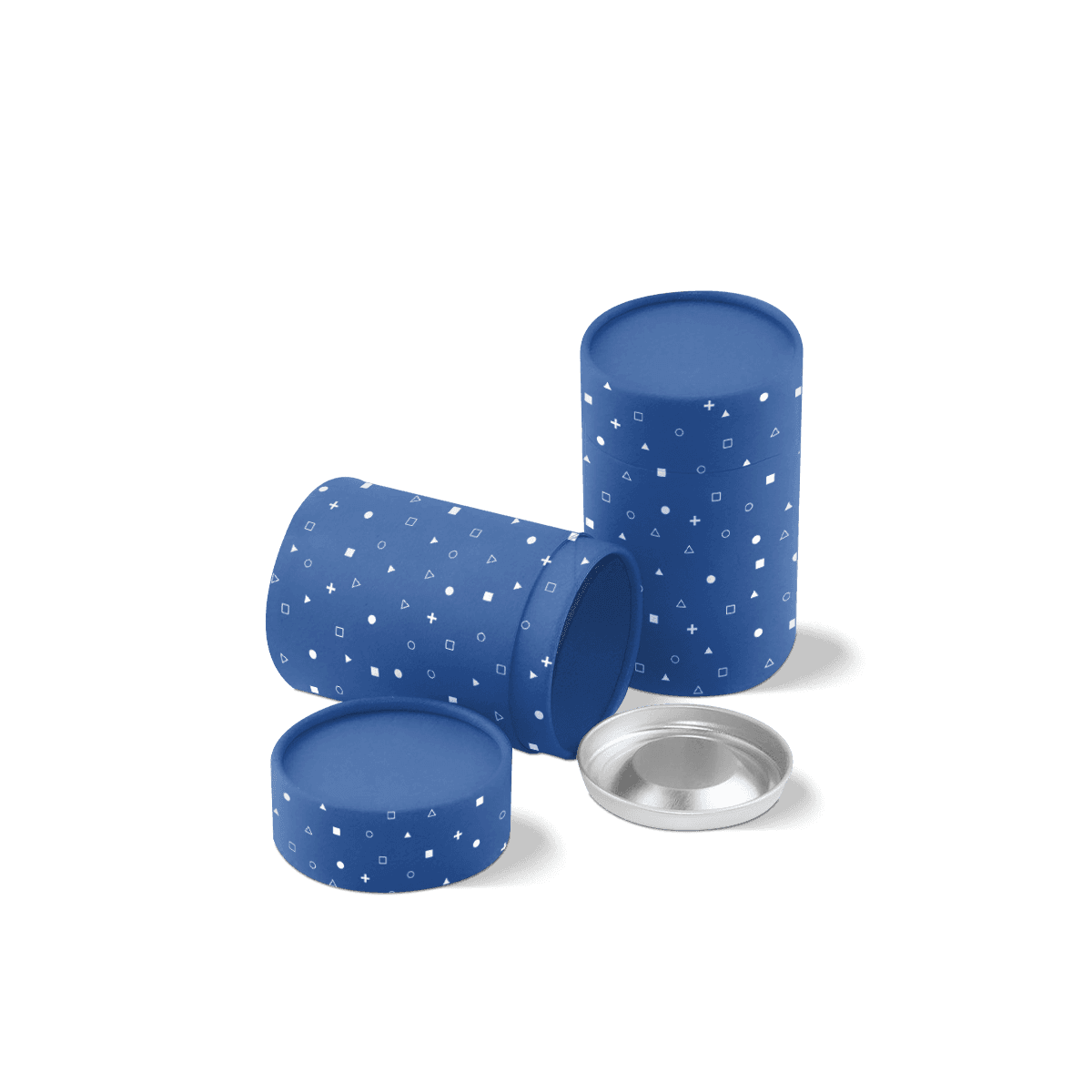
Telescopic cardboard tubes are designed for businesses shipping products in more than one length. Their adjustable two-piece structure gives better fit control, reduces stock complexity and makes long-format dispatch more flexible than a fixed-length tube.

Replace Several Lengths Carefully

When one dispatch operation carries products that share a diameter but not a length, the real problem is often stock variation rather than protection alone.

Custom Telescopic Cardboard Tubes can replace several fixed lengths only when the adjustment range remains stable and useful at both ends. Flexibility has value only if it removes packaging complexity without introducing a weaker joint or unnecessary packing decisions.

That advantage disappears if the range is stretched too far. A telescopic tube still needs enough overlap between its two sections to remain stable at its longest setting, and the shortest setting still has to suit the smallest product without creating unnecessary material.

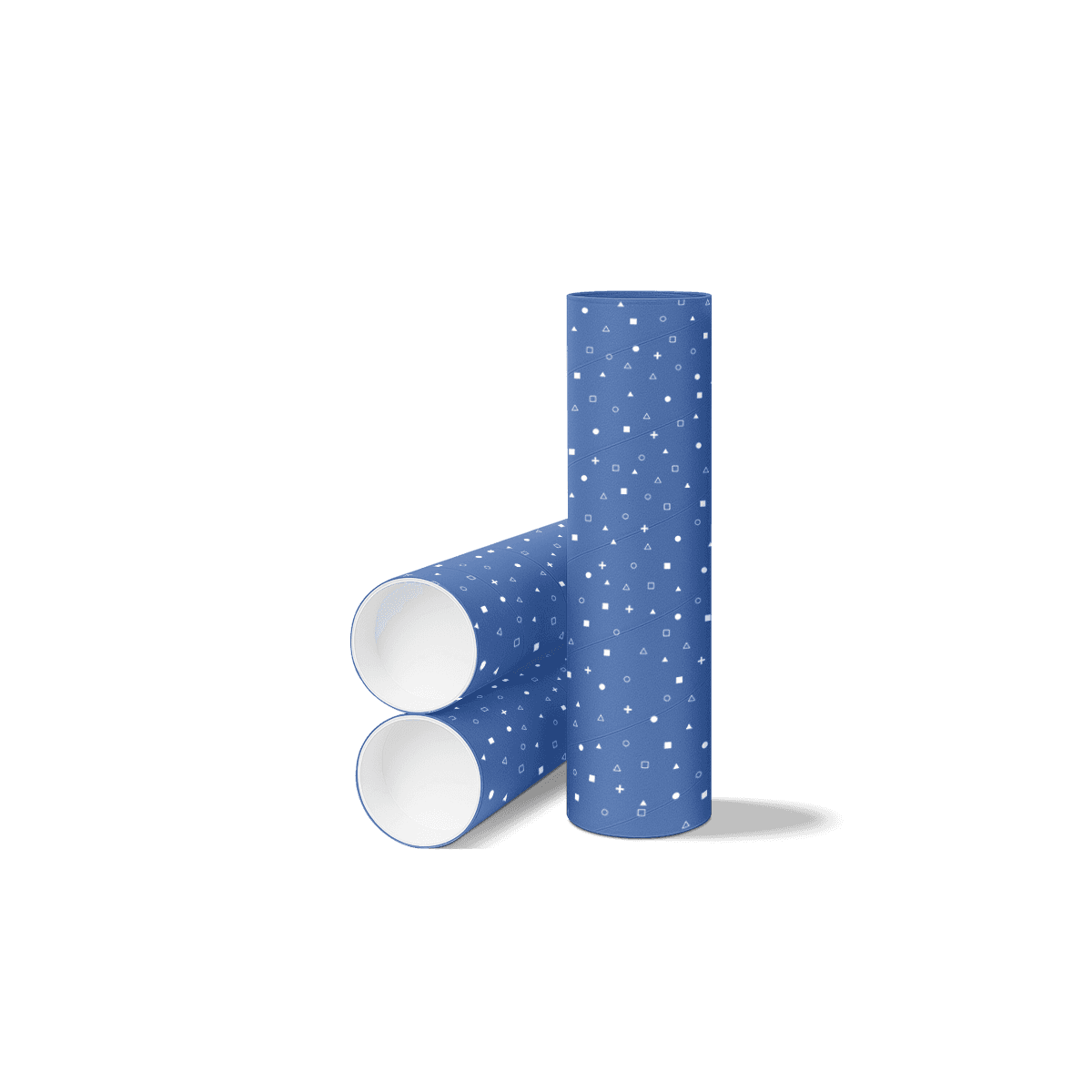
This makes the structure fundamentally different from Custom Mailing Tubes, which are stronger when repeat orders use one predictable fixed length.

Map the Lengths You Really Send

Start with actual order history rather than theoretical product dimensions.

List the shortest, longest and most frequently dispatched lengths. A business may discover that twelve product sizes really fall into only three meaningful shipping groups, while another may genuinely benefit from one adjustable tube covering most orders.

The purpose is to simplify stock intelligently, not force every long product into one universal package.
Set a Working Range

A telescopic tube needs a defined minimum and maximum working length. Those numbers should come from the product mix and the overlap required for structural stability.

The maximum physical extension is not automatically the maximum sensible dispatch length.

Protect the Overlap

The two sections need to remain engaged far enough to behave as one package during normal handling.

If the tube is extended until only a shallow overlap remains, the joint can become the weakest part of the structure. It may flex more easily or feel unstable when lifted through the middle.

Longer or more valuable contents generally justify a more conservative overlap than a lightweight promotional print.

Measure the Shortest Setting Too

At minimum length, the nested sections should not create an awkward amount of unused structure or interfere with the product.

The adjustable range earns its place only when both ends of that range are useful.

A tube may have a wider theoretical extension than the range that remains stable and useful in day-to-day dispatch. Specify the approved working range, not the mechanical maximum.

Separate Overlap From Clear Length

External adjusted length does not always equal the internal space available to the product.

Closures, internal stops and the way one section nests into another can reduce usable length. That means the finished rolled item should be checked at both the shortest and longest intended settings.

Protect the Product Ends

Rolled graphics, prints, signage and technical drawings should sit clear of the end closures instead of carrying pressure from them.

Do not create the shortest possible setting by squeezing the contents between the ends. A small amount of controlled clearance is better than compressing valuable printed material.

Control Internal Movement

The ability to shorten the tube can reduce longitudinal movement compared with sending every order in one oversized fixed tube.

That only works if diameter is also sensible. Telescopic adjustment controls length, not width. A loose rolled diameter still needs to be solved separately.

The principles in choosing packaging around the real product apply directly here: dimensional flexibility is useful only when the structure still matches the product being sent.

Standardise the Diameter First

Telescopic tubes are most efficient when products vary mainly in length.

If diameter also changes dramatically, one adjustable-length structure may not reduce complexity as much as expected.

Posters, display graphics, plans and similar rolled products can often share a diameter even when finished lengths vary. That creates a strong use case for telescoping sections.

A mix of narrow architectural drawings, bulky fabric rolls and thick multi-print orders is different. Trying to accommodate them all with one wide diameter can create excessive movement for smaller products.

Group by Rolled Thickness

Measure products as they are actually prepared for dispatch, including protective tissue, sleeves or multiple sheets where those are normally sent together.

Then create sensible diameter groups before deciding how many adjustable lengths are required.

One operation may need two diameters with broad length flexibility rather than one oversized diameter intended to handle everything.

Mark Repeat Dispatch Positions

Adjustability can create extra decisions at the packing bench unless repeat positions are made clear.

If staff regularly send the same few product lengths, define those positions rather than asking every packer to judge the tube visually.

Use Simple Length References

Internal production marks, approved packing instructions or clear length references can help staff extend the tube consistently.

The objective is not to turn the package into a measuring instrument. It is to remove unnecessary judgement from common orders.

For example, three recurring poster lengths can each have an approved tube position while unusual lengths are adjusted separately.

Check Packing Speed

A fixed tube is usually faster when every order is identical because the packer does not need to adjust anything.

That is why telescopic packaging should solve genuine variation. If 90% of orders use one length and only a small minority differ, a standard fixed tube plus one secondary size may be operationally simpler.

The broader fulfilment principle also appears in common packaging cost mistakes: reducing unit cost means little if the change adds packing time, storage complexity or unnecessary decisions elsewhere.

Use Adjustment to Reduce Stock

The most valuable benefit may appear in the warehouse rather than in the parcel.

Fixed tubes take up long, awkward storage positions. Holding several near-identical lengths can consume rack space and make picking less obvious.

An adjustable structure can consolidate those SKUs where the underlying product group genuinely shares diameter and strength requirements.

Count SKUs Before Units

Do not assess the change only by comparing the price of one telescopic tube with one standard mailing tube.

Count how many separate sizes are currently purchased, how much stock each requires, how frequently slow sizes are reordered and how much storage space is committed to them.

A more expensive individual tube can still reduce total operating cost if it removes several low-volume stock lines. The opposite can also be true if almost every shipment already uses the same fixed size.

Custom packaging cost is best judged across production, storage and fulfilment rather than from the printed unit price alone.

Keep the Joint Strong

Length adjustment creates a central structural relationship that fixed mailing tubes do not have.

Wall strength still matters, but so does what happens where the two sections overlap.

For longer tubes, lifting or supporting the package near the joint can place more stress on that area. Test the completed parcel at the longest regular setting rather than only evaluating both pieces separately.

Do Not Solve Everything With Thickness

Increasing wall thickness may improve crush resistance, but it does not correct an overlap that is too short or a product that shifts heavily inside.

First confirm the working overlap, product weight and delivery conditions. Add material where the journey genuinely requires it.

For very long or valuable items, the complete filled sample should be tested in the orientation in which staff and carriers will actually handle it.

Design Around Moving Surfaces

Printing an adjustable tube creates a problem that fixed tubes do not have: part of one section can disappear underneath the other as the package changes length.

Artwork must therefore be planned around what remains visible at every intended setting.

Keep Critical Copy Permanent

Logos, addresses, barcodes, handling instructions and other essential information should sit on an area that remains visible throughout the working range.

Do not place critical text close to the overlap boundary if that boundary changes every time the tube is adjusted.

Use the Reveal Intentionally

Variable visibility can still be used creatively.

A repeat pattern or secondary colour can appear gradually as the tube extends without affecting essential information. This gives the packaging visual continuity while respecting the moving structure.

The design workflow in how to prepare packaging artwork properly becomes especially important because the minimum and maximum adjusted positions should be resolved before final graphics are positioned.

Premium offset printing can support consistent branded runs, but print should remain secondary to clear operation on this style.

Use Fixed Length for Stable Demand

A fixed tube is still the better operational choice when most orders settle on one predictable length.

Choose a fixed Mailing Tube when most orders share one length and packing speed matters more than reducing stock variants.

Choose Postal Tubes when the main problem is postal-service fit, finished parcel dimensions or handover requirements.

Choose Triangular Postal Tubes when anti-roll handling, stacking or flat label application is the stronger operational concern.

Telescopic Cardboard Tubes earn their place when variable length itself is creating stock, space or fulfilment problems.

That is a much narrower reason to buy them, but it is also what protects this style from becoming another synonym for a mailing tube.

If the product needs a different tube behaviour rather than a different length, Custom Tube Packaging provides the wider structural choices.

Test the Longest Position

A telescopic sample should be tested where the structure is under the greatest demand, which is usually near the longest intended working position.

Load the actual product or a realistic substitute. Close the tube, lift it from different points, hold it horizontally and check whether the joint flexes, twists or slides more than expected.

Then test a short setting.

The same specification has to work at both ends of the useful range.

A free 3D mockup can confirm branding and visible artwork zones, but this is another tube style where physical testing matters more than appearance when the adjustment range is central to performance.

Build the Quote Around Variation

The most useful pricing brief for Custom Telescopic Cardboard Tubes is not one finished length.

Provide the shortest packed item, the longest packed item, the normal rolled diameter and the lengths that appear most often in real orders. Those four points show whether one adjustable specification can genuinely simplify the operation.

Also identify whether the tubes will be packed individually, used in high-volume batches or held for seasonal campaigns. That determines whether flexibility is saving work or quietly adding another packing step.

The commercial value of a telescopic tube should be measured against the fixed sizes it can genuinely remove. If the working range is still uncertain, Custom Packly can help resolve the overlap and stock logic before the run is priced. MOQ starts from 100, while warehousing and scheduled deliveries become relevant once one approved adjustable specification is used repeatedly.

Once the shortest length, longest length and required overlap are agreed, use the custom packaging quote for a price based on the range the business will actually use, not the maximum extension the tube could theoretically reach.

FAQs

They are better when product length changes regularly and a fixed tube would create too many stock variants. Telescopic cardboard tubes let one adjustable structure handle a useful range of sizes, which can simplify storage and purchasing. Standard Mailing Tubes are still stronger for repeat dispatch of one consistent length where speed and simplicity matter more than flexibility.

That depends on the base tube size, the extension section and the amount of overlap needed for strength. In practice, the useful range should be set around real product lengths rather than stretched to the absolute maximum. If the overlap becomes too shallow, the tube can lose rigidity and feel less dependable during handling and transit.

Start with the shortest and longest product lengths you need to cover, then check rolled diameter, wall strength and how much overlap remains at each setting. It is also worth confirming closure style, label space and whether the tube will be packed by hand or used in a faster fulfilment environment. Those details affect performance more than the adjustable feature alone.

Yes, when the specification is matched properly to the job. Valuable or heavier contents usually need a sturdier wall and a sensible overlap depth so the structure stays rigid at extension. Internal wrapping may also be needed to protect surfaces and edges. The safest approach is to treat the tube as a transport structure that must fit both the product and the delivery conditions.

Yes, they can be printed when delivery presentation matters as well as protection. Branding, instructions and campaign graphics can sit on the outer surface, though the artwork should account for the sliding construction and any overlap area. For most businesses, the best result comes from treating print as a useful extension of the shipping experience rather than making it purely decorative.

Process

How it works

Your Packaging Journey, From Idea to Production and Delivery

01

Tell Us Your Specs

Custom packaging boxes

Tell Us Your Specs

Provide size, quantity, printing, and finishes.

02

Get a Fast Quote

Custom packaging boxes

Get a Fast Quote

Instant transparent pricing, no hidden fees.

03

Design and Approval

Custom packaging boxes

Design and Approval

Artwork checks, revisions, and final sign-off.

04

Produce

Custom packaging boxes

Produce

Expert manufacturing to meet deadlines.

05

Ship to Your Door

Custom packaging boxes

Ship to Your Door

Hassle-free, flexible delivery options.

Get Your Quote for Custom Telescopic Cardboard Tubes

Share your product details, dimensions, quantity and artwork needs. We’ll help choose the right packaging style and send a clear quote.