Skip to content
Details

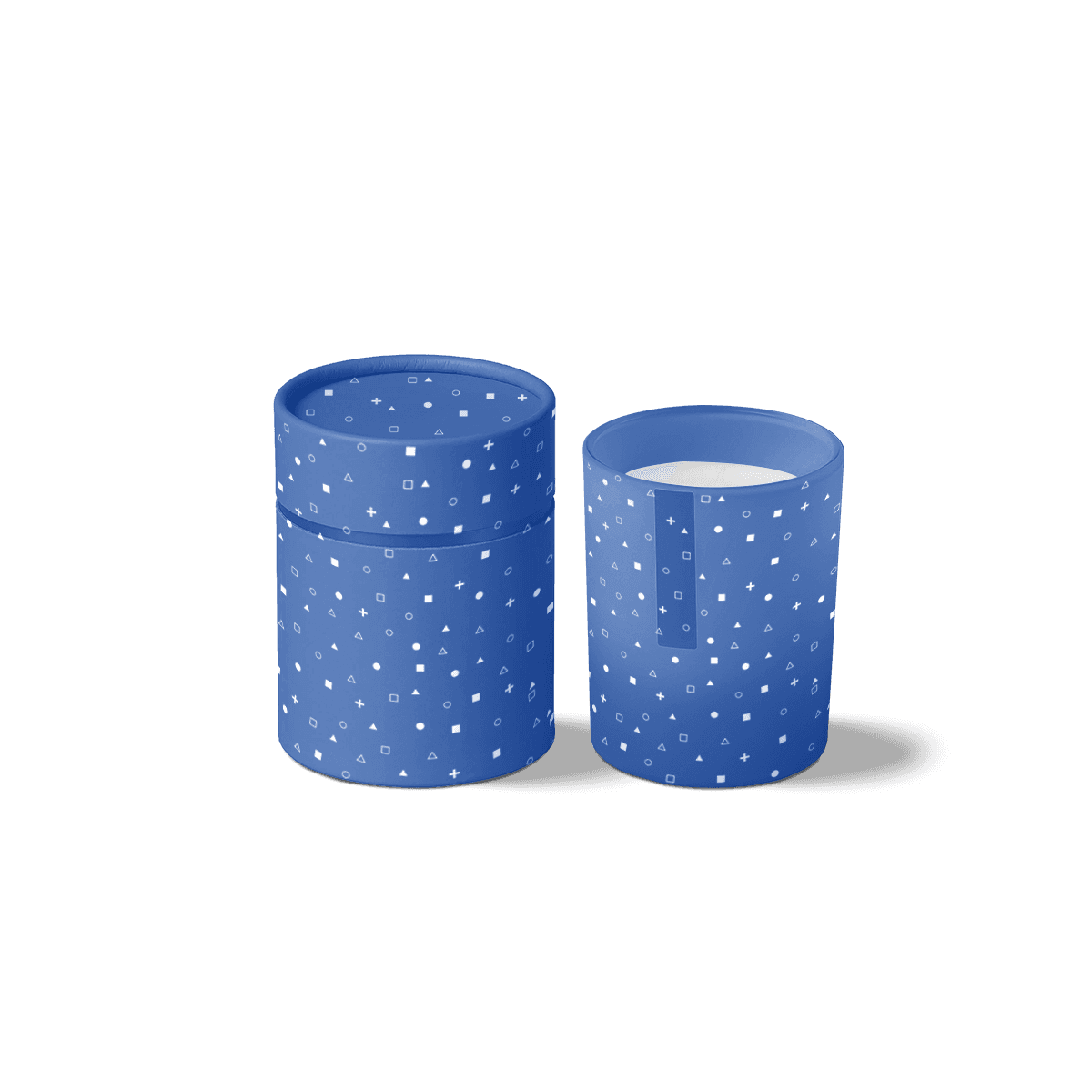
Custom Candle Tubes

Candle tubes are designed for candles that need stronger presentation, better wall protection and a more distinctive shelf shape than a standard carton. They suit retail, gifting and premium home fragrance lines where finish, fit and unboxing all influence perceived value.

The Jar Sets the Specification

A candle tube succeeds or fails around the finished vessel. A polished cylinder is still wrong if the jar catches during loading, shifts under its own weight or sits too low to lift cleanly.

Custom Candle Tubes should be dimensioned from the widest point of the filled candle, including any lid, label, shoulder or raised base. Glass weight and removal clearance matter as much as diameter.

Measure the candle as the customer will receive it, not the empty jar supplied before filling.

The parent Custom Tube Packaging includes gift, postal and general product tubes. Candle Tubes have a narrower job: keep a candle vessel centred, protected and easy to remove while giving a fragrance range a consistent cylindrical outer.

Measure the Widest Glass Point

Do not size from the label panel alone. Some jars taper, flare or have a base that is slightly wider than the body. A metal or wooden lid may also project beyond the glass.

Use the widest finished point as the reference, then add enough working clearance for loading. The tube should not scrape labels or force staff to push the jar into position.

A tube that is too wide creates the opposite problem. Heavy glass can shift more noticeably than a lightweight product, so excess clearance should not be treated as harmless empty space.

Include the Candle Lid

A candle lid, dust cover or raised wick area changes the required internal height. The top should sit clear of the tube closure rather than carrying pressure from it.

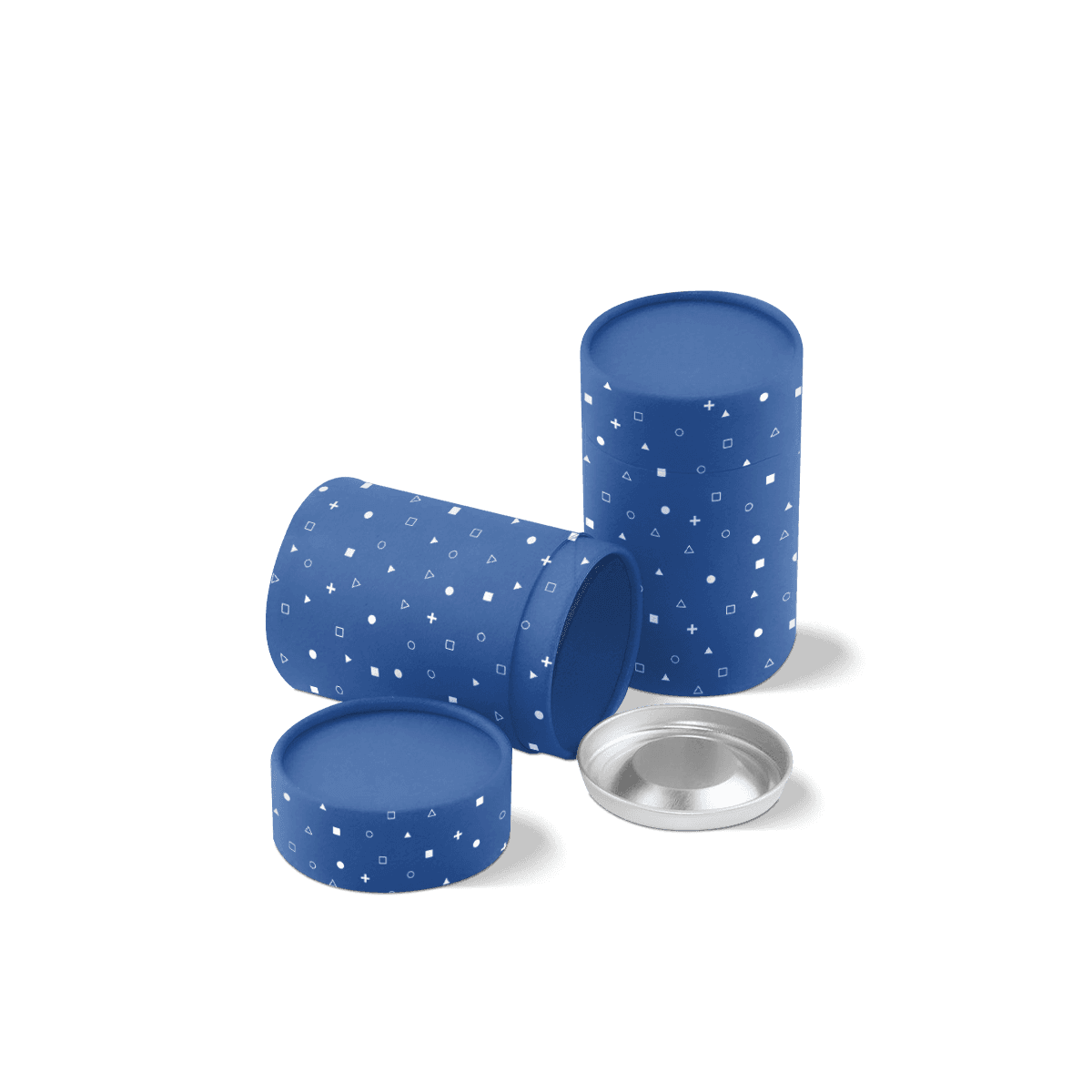
This becomes especially important when the tube itself uses a fitted lid. Cardboard Tubes with Lids are useful when closure resistance and repeated access are the main decision, but a candle-specific tube also has to account for the vessel beneath that lid.
Support the Weight Low Down

Heavy candle jars should be supported from the base rather than squeezed tightly around the side walls. The lower part of the tube takes much of the load when the candle is lifted, set down or moved through fulfilment.

A simple base pad or shaped support can help centre the jar and reduce direct contact between glass and the tube bottom. For heavier vessels, that support matters more than adding decorative material around the upper half of the pack.

Keep the Jar Centred

Side-to-side movement can scuff a printed glass surface, rub a paper label or make the candle feel loose when the customer opens the tube.

A close diameter helps, but an insert can improve control when the jar is substantially smaller than the tube wall or when the glass base has an unusual profile. Inserts and Dividers are most useful when they solve movement or presentation rather than simply filling space.

Protect Decorated Surfaces

If the candle uses a paper label, direct print, frosting or another decorated glass finish, check what touches it during insertion and removal.

A rough insert edge positioned against the label can damage the product before the customer sees it. The internal support should contact stable parts of the vessel wherever practical and leave delicate decoration clear.

Make the Candle Easy to Lift

A precise diameter can still create a poor opening experience if the jar sits too deep to grip.

The customer should be able to remove the candle without turning the tube upside down, pulling on the candle lid or digging fingers down the side of the glass. Product height, insert height and tube opening all influence that moment.

Show Enough of the Vessel

A raised base or collar can position the jar higher so the upper section is easy to grip. This can also make a shorter candle feel more deliberate inside a taller tube.

Do not raise it so far that the vessel interferes with the tube lid. The useful position balances presentation, grip and closure clearance.

Test With the Real Weight

An empty jar is not always an adequate test. Wax, lid and fragrance add weight and change how the candle feels when lifted from a close-fitting tube.

For a heavier glass candle, a physical sample gives more useful information than a screen view alone. Free samples are available, while a 3D mockup can help check overall proportion, artwork and colour before the final run.

Keep Scent Variants Recognisable

Candle ranges often share one vessel while fragrance names, colours and seasonal artwork change. That makes the tube a useful way to standardise the physical footprint without making every scent look identical.

Keep the diameter, height and insert specification stable when the jar itself stays the same. Change the parts the customer actually uses to recognise the fragrance: colour, scent name, illustration, foil detail or another controlled visual cue.

The wider Candles and Home Fragrance requirements still matter. A candle line may eventually include wax melts, diffusers or room sprays, so the tube should contribute to a coherent fragrance identity without forcing every product into the same structure.

Give the Scent Name Priority

Curved surfaces do not have one permanent front panel. Establish a primary viewing zone for the fragrance name, candle type and main brand mark.

Avoid spreading essential identification around the full circumference. A customer viewing the tube on shelf should not have to rotate it to understand which scent they are holding.

Plan Seasonal Changes Early

Limited editions can use the same approved dimensions while changing artwork, but repeated small design changes still affect print setup and inventory.

For seasonal scents, separate permanent brand elements from campaign-specific graphics. That makes it easier to refresh the range without rebuilding the tube specification each time.

Choose Tube or Candle Box

A candle does not need a tube simply because the jar is round. The structure should earn its place against a square or rectangular carton.

Candle Boxes are often more practical when flat stacking, broad information panels, straightforward case packing or lower-cost retail presentation matter most. Their square footprint can also make warehouse and shelf planning simpler.

Custom Candle Tubes make more sense when the cylindrical silhouette is part of the product presentation, the jar benefits from close round support or the brand wants a more distinctive upright reveal.

For a much heavier or more formal gift presentation, Luxury Candle Boxes may be the stronger direction. A tube sits between an everyday folding carton and a substantial rigid presentation box.

This decision should be made before finishes are chosen. Changing foil or paper texture will not fix a structure that is wrong for the selling channel.

Let Fragrance Drive the Graphics

Candle packaging has to communicate scent before the customer can experience the product. The print system should make fragrance recognition easy without turning every tube into a completely separate brand.

Premium offset printing can support detailed repeat artwork and consistent colour across a fragrance range. Pantone references can help where a particular shade is central to the identity. Matte, foil, embossing, debossing and spot UV can add tactile or visual emphasis when they have a clear role.

The strongest finish is rarely the one with the longest specification. Packaging design ideas are more useful when material, proportion and print hierarchy are settled before decorative processes are added.

Keep the Seam Out of the Story

Avoid placing a fragrance name, barcode or small copy directly over a visible wrap join. The seam is a production feature and the artwork should accommodate it.

A clear front-facing zone is especially useful for ranges sold through boutiques or online photography, where the tube may be photographed repeatedly from the same angle.

Use Finish to Separate Tiers

A core candle line and a limited edition can share the same tube dimensions while using finish differently. One might rely on full-colour print and a matte surface, while a higher-value launch adds foil or embossing.

That is usually cleaner than creating a completely different physical tube for every price tier.

Treat Ecommerce as Another Layer

A candle tube can protect the jar during ordinary retail handling without being the only packaging required for courier delivery.

Glass candles are dense and fragile. If the tube will travel through ecommerce fulfilment, test the complete shipment inside the actual outer packaging. The candle should not be able to shift inside the tube and the tube itself should not move freely inside the shipping pack.

Candle Mailer Boxes are the more appropriate direction when delivery protection is the main problem rather than shelf presentation.

This separation also protects decorative finishes. A clean printed wrap, foil logo or dark surface can arrive marked if it is expected to absorb every scrape and impact of courier handling.

Sample the Filled Candle

Candle Tubes are one of the styles where physical testing can reveal issues that dimensions alone miss.

Use the actual filled jar where possible. Check loading speed, side movement, base support, lid clearance and how easily the customer can lift the candle out. Hold the closed tube horizontally as well as upright to see whether the vessel shifts enough to strike the side or closure.

The free 3D mockup remains useful for print and visual approval, but it cannot reproduce the weight of glass and wax in the hand. For this product, a physical sample earns its place when fit is tight, the vessel is heavy or the insert is doing important protective work.

Custom Packly is a well-established company with unlimited customisation, packaging expertise and 24/7 support, so fit, inserts, print and finish can be resolved as one specification rather than treated as separate decisions.

Build the Range Around the Vessel

The simplest long-term candle-tube system is usually based on the vessel the brand plans to keep using.

If five scents share the same jar, one approved tube diameter, height and support method can simplify repeat production while artwork changes by fragrance. If a second vessel is materially taller, wider or heavier, give it a separate specification instead of forcing it into the first tube with extra filler.

MOQ starts from 100, which can make initial fragrance launches or controlled seasonal quantities practical where the chosen specification supports that run. Typical production is 4–6 working days after artwork and structural approval, and larger repeat requirements can be supported with warehousing and scheduled deliveries.

Before pricing, decide which candle vessels genuinely share one footprint and which do not. Then use the custom packaging quote for the sizes and quantities that need production. If the main uncertainty is still presentation rather than fit, Gift Tubes provide a better reference point for occasion-led gifting.

FAQs

Candle tubes are best for jar candles, votives and similar candle products that benefit from a close cylindrical fit. They are especially useful when the vessel is glass and needs side protection along with a more premium outer presentation. The structure can also work for selected pillar or container candles, provided the dimensions and internal support are planned properly.

Start with the widest outside diameter of the jar, then allow only enough clearance for safe loading, tissue or a fitted insert if needed. Height should account for the vessel, wax fill level, lid or dust cover and enough space to remove the candle comfortably. A tube that is too loose can let the jar shift, while one that is too tight can slow packing and feel awkward to open.

Not always, but they often benefit from them. Inserts are useful when the jar is heavy, when the fit needs tightening or when the opening should feel more controlled and premium. A cardboard collar, base support or simple inner wrap can improve hold, reduce movement and make the candle feel more intentional inside the structure.

That depends on the candle’s price point and brand mood. Matte wraps, soft-touch coatings, foil accents and embossing often work well for premium fragrance lines, while kraft or lightly textured papers suit more natural or understated ranges. The most effective finish is usually the one that supports the scent story and gifting position without making the structure feel overworked.

Candle Boxes are often the better option when storage efficiency, flat-sided stacking or broader panel space matters more than cylindrical presentation. They can also suit lower-cost ranges or straightforward transit needs more easily. Candle tubes are the stronger choice when the brand wants a closer fit around the vessel, a more refined silhouette and a more memorable opening feel.

Process

How it works

Your Packaging Journey, From Idea to Production and Delivery

01

Tell Us Your Specs

Custom packaging boxes

Tell Us Your Specs

Provide size, quantity, printing, and finishes.

02

Get a Fast Quote

Custom packaging boxes

Get a Fast Quote

Instant transparent pricing, no hidden fees.

03

Design and Approval

Custom packaging boxes

Design and Approval

Artwork checks, revisions, and final sign-off.

04

Produce

Custom packaging boxes

Produce

Expert manufacturing to meet deadlines.

05

Ship to Your Door

Custom packaging boxes

Ship to Your Door

Hassle-free, flexible delivery options.

Get Your Quote for Custom Candle Tubes

Share your product details, dimensions, quantity and artwork needs. We’ll help choose the right packaging style and send a clear quote.




