Skip to content
Details

Custom Postal Tubes

Postal tubes are built for reliable dispatch of rolled items that need better edge protection, cleaner handling and predictable sizing. They suit businesses sending posters, prints, plans and long-format materials through regular UK delivery channels.

Check the Postal Route First

A tube can fit the rolled product perfectly and still be wrong for the service carrying it. Postal Tubes need to be judged as finished parcels, because external length, outside diameter, closures, labels and filled weight all exist before the item reaches the postal counter or carrier network.

Start with the service or carrier normally used, especially for regular business shipments. Postal operators and couriers can apply different size, weight and shape rules, and those rules may change. Check the current limits before finalising a custom diameter or length rather than assuming every cylindrical parcel will be treated in the same way.

That gives Postal Tubes a different role from Custom Mailing Tubes. Mailing tubes are primarily about efficient repeat dispatch of rolled goods. Postal tubes start with the finished parcel and how it enters a postal network.

Measure the Outside Too

Product measurements establish the internal requirement, but postage is based on the finished item being handed over.

Allow for the complete external length, outside diameter and fitted closures. A specification that looks efficient internally can become less practical if an end cap, protective end treatment or unnecessary clearance increases the final parcel beyond a useful service limit.

For companies using more than one carrier, check the proposed tube against each important route before approving production.
Separate Product and Parcel Size

A postal tube needs two sets of dimensions: enough internal space for the contents and sensible external dimensions for sending.

Confusing the two often produces either a tight tube that is difficult to load or an oversized parcel carrying more empty space than necessary.

Protect the Rolled Edge

Roll posters, artwork, plans and documents to a natural diameter rather than compressing them simply to fit a smaller tube.

Coated prints, photographic work and thicker papers can resist tight rolling. Forcing them into a narrow diameter can put unnecessary curl into the material or make the outer edge vulnerable during loading.

The correct internal diameter should allow repeatable insertion without letting the roll move excessively once enclosed.

Allow for the End Closures

A push-fit end cap or internal plug may occupy part of the apparent tube length. That means the product length and the external tube length cannot always be treated as interchangeable.

Confirm usable internal length after both closures are fitted. The contents should sit clear of the ends without leaving a long empty section that allows repeated sliding during transit.

If one operation regularly handles very different product lengths, Telescopic Cardboard Tubes may reduce the need to create several separate fixed lengths.

Plan for Postal Handling

Postal tubes encounter knocks, stacking pressure, sorting equipment and repeated transfers. Protection therefore needs to come from the whole specification rather than wall thickness alone.

Strengthen Where Failure Starts

Longer tubes may need greater resistance to bending and local crushing, particularly when the contents lose value as soon as they crease.

The ends also deserve attention. A strong cylindrical wall will not compensate for a loose closure that can be displaced during handling. Likewise, an extremely heavy wall does little to solve a product that has enough empty space to strike the end cap repeatedly.

Match wall strength, internal fit and closure security together.

Do Not Protect With Empty Space

Oversizing can look like a safe option, but additional room can create movement. The tube should contain the product without forcing it and without relying on large quantities of tissue or filler simply to compensate for an unsuitable diameter or length.

This is one of the broader principles behind controlling custom packaging cost: use the material needed to perform the job rather than paying for dimensions that add little protection.

Reserve Space for the Label

Postal branding and postal information compete for the same curved surface. Plan both before artwork is finalised.

A shipping label needs a clean, readable area where it can adhere properly and remain visible. Avoid making the primary logo or important campaign artwork dependent on the same space that will routinely be covered by an address label.

Design Around the Curve

A wide label placed on a small-diameter tube wraps quickly away from the viewer. The same is true of printed text and barcodes.

Keep critical postal information within a usable viewing area rather than stretching it around the circumference. For branded work, establish the expected label position first, then arrange the visible print around it.

The principles in how to design packaging for production still apply: dimensions and structure should be settled before detailed artwork is treated as final.

Leave Room for International Documents

Businesses sending overseas may need additional declarations, labels or paperwork depending on the destination and postal service.

Do not cover every usable area of the tube with decorative print if international dispatch is part of the normal sales mix. A deliberately quiet zone gives fulfilment staff more freedom without placing documentation over important brand information.

Pick the Shape Deliberately

Round postal tubes are familiar and efficient for many rolled products, but they are not automatically the best postal structure for every operation.

Round for Simple Rolled Goods

A conventional round tube works well when the product naturally rolls, cylindrical handling causes no operational problem and the chosen postal service accepts the finished dimensions.

It is particularly useful for posters, prints, maps, plans, certificates and other long paper-led products that should not be folded.

Triangular for Stable Handling

Triangular Postal Tubes are worth considering when rolling on benches, conveyor behaviour, stacking or flat label placement causes practical problems.

The change in shape should solve one of those issues. There is little benefit in choosing triangular packaging simply because it looks different.

Telescopic for Changing Lengths

An adjustable tube becomes useful when the shipping operation regularly changes product length. The overlap and extension create more flexibility, while fixed postal tubes remain simpler when one or two lengths dominate order volume.

Kraft for a Natural Outer

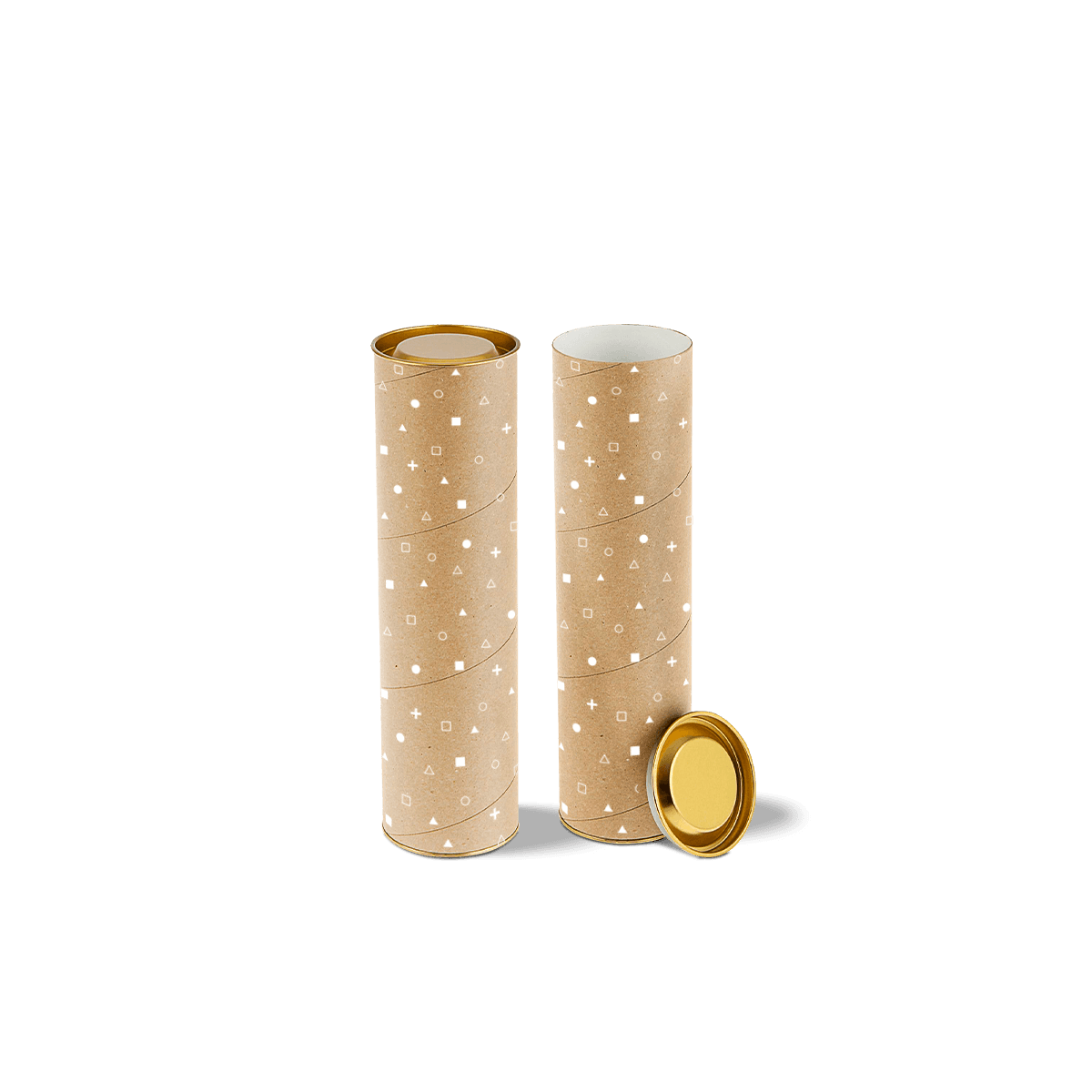
Kraft Mailing Tubes suit businesses that specifically want the natural brown paper appearance as part of the delivered parcel.

Choose that material direction because it suits the brand and print requirement, not because kraft alone proves an environmental outcome.

Print for the Journey

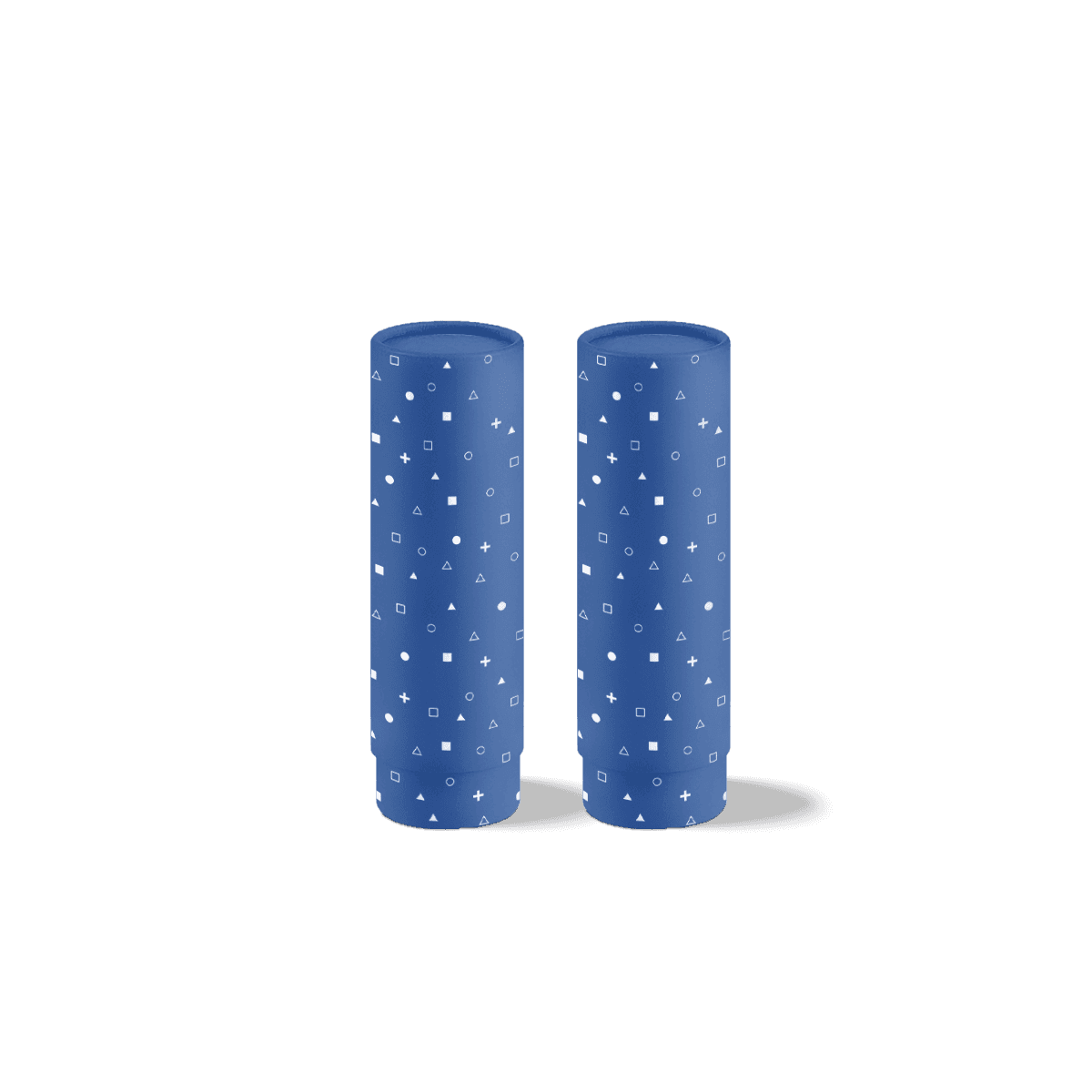
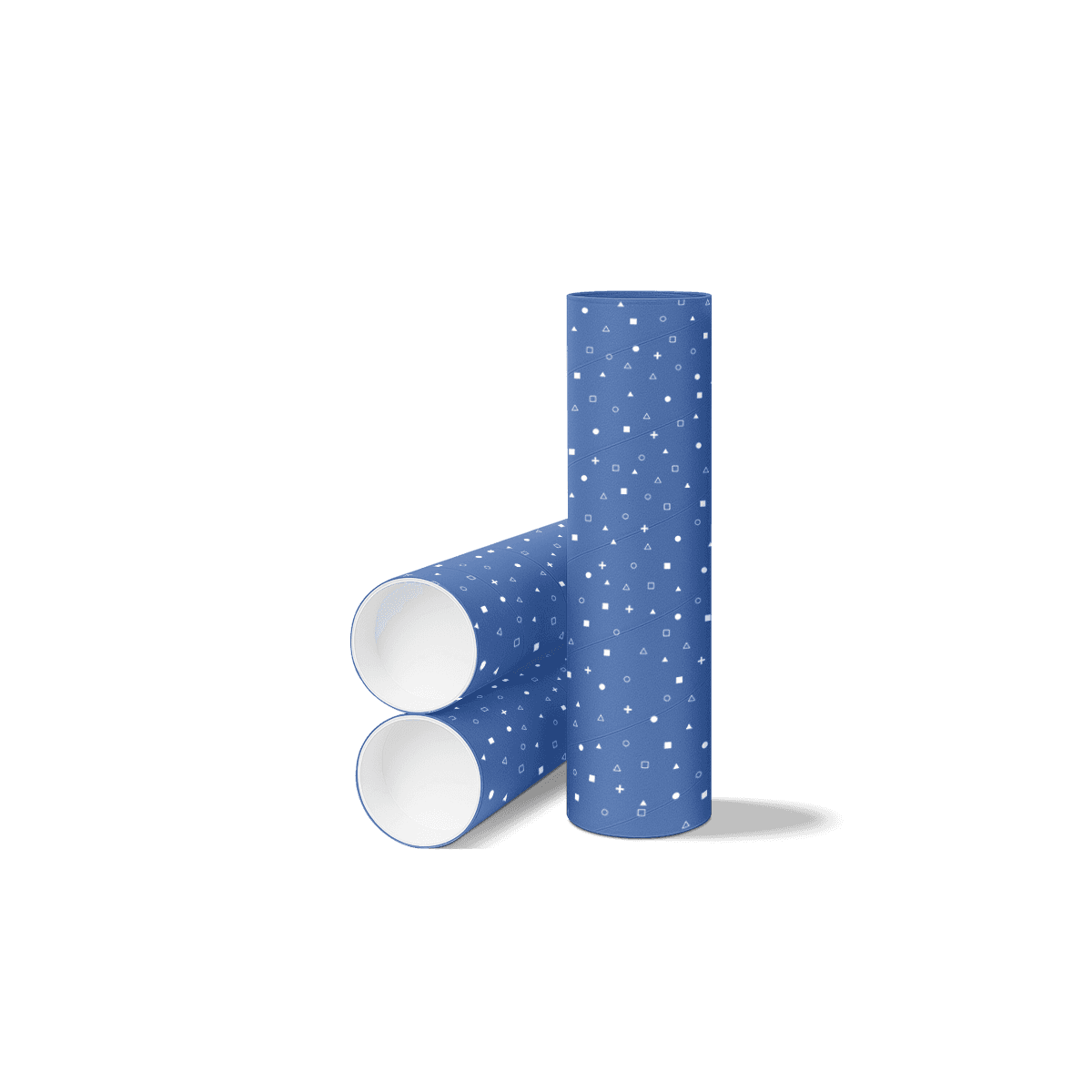
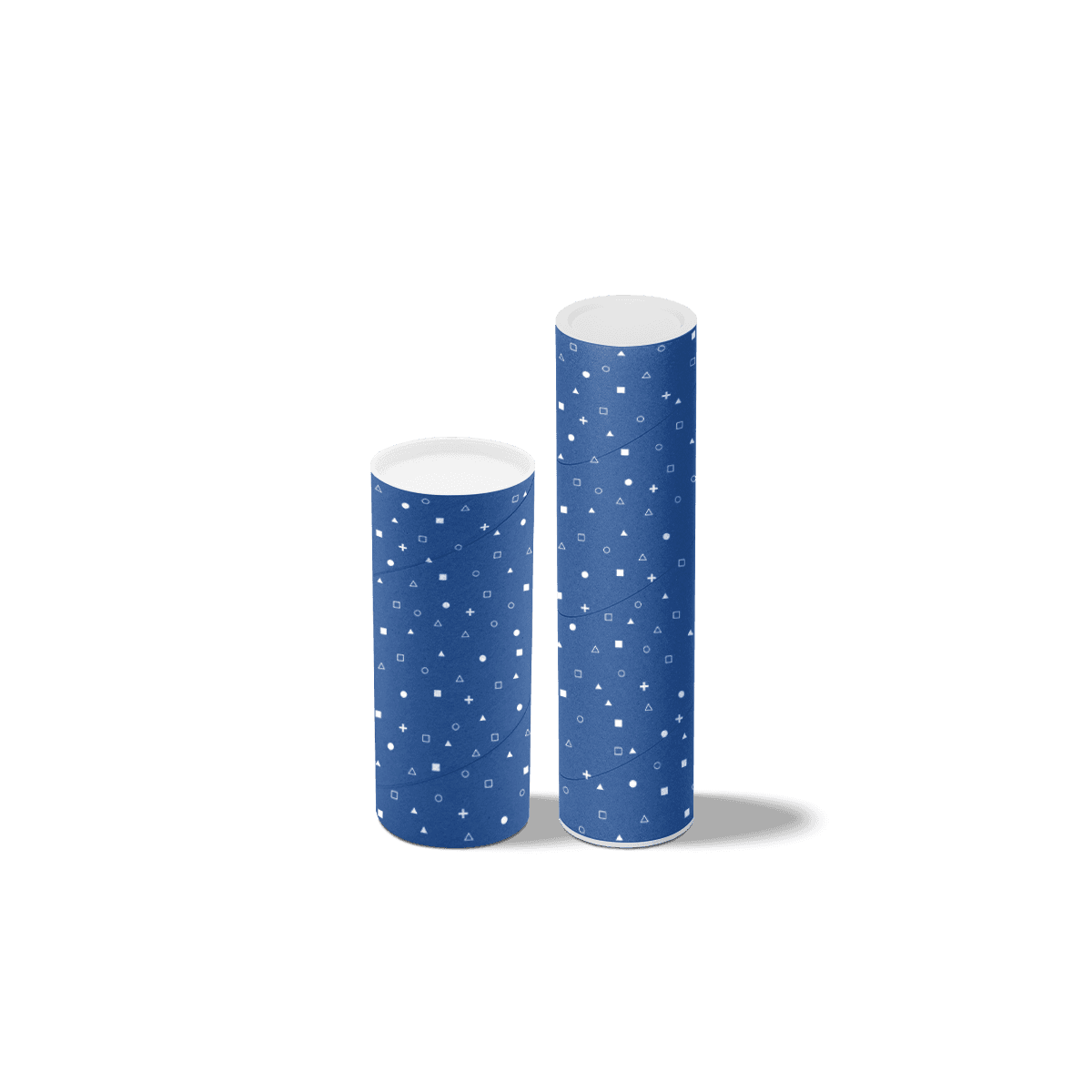
Custom print can turn a plain postal tube into recognisable branded delivery packaging, but its first job remains surviving the post.

Keep detailed artwork away from closure edges and areas likely to carry shipping labels. Strong colour blocks, logos and simpler repeat graphics often cope better with curved visibility than dense layouts that require one exact viewing angle.

Premium offset printing can support controlled colour and consistent repeat work where quantities justify the production method. Pantone references can also help when a specific brand colour needs tighter control across future runs.

The packaging customisation options cover print, colour, materials, finishes and sampling, but postal packaging rarely benefits from adding every available effect.

A finish that looks impressive under studio lighting may be a poor investment if labels, handling or surface abrasion dominate the real journey. Spend first on dimensions, wall performance, closure and print that survives normal handling.

Test the Finished Parcel

Testing only the empty tube misses several problems that appear after filling, closing and labelling.

Prepare a representative shipment with the real product or an accurate substitute. Check whether the contents load without catching, whether the closures remain seated, whether the item can move excessively and whether the final label lies cleanly enough to scan and read.

Then measure the complete parcel again.

That final measurement matters because the postal operator sees the closed tube, not the internal specification used during manufacturing.

For higher-value prints, signed artwork or products where damage is costly, a physical sample is more useful than relying only on dimensions. Free samples can help assess material and production quality, while a free 3D mockup is useful for checking branding and proportion before a run moves ahead.

Plan for More Than One Service

A postal tube used across several delivery routes should be checked as the same finished parcel against each important service rather than assumed to work everywhere because the contents have not changed.

Record the Finished Parcel

Keep the external length, outside diameter, filled weight, closure type and normal label position with the approved specification. That gives fulfilment staff one dependable reference when a carrier, destination or service level changes.

A tube that works efficiently on one route may become less suitable on another because postal and courier limits are applied to the finished parcel rather than the bare product.

Where the business mostly sends one product through one repeat fulfilment process and service limits are secondary, Custom Mailing Tubes are the cleaner specification starting point.

Treat Branding as Postal Packaging

Postal tubes can carry far more brand identity than a plain stock tube, but the delivery journey changes what deserves attention.

A prominent logo or distinctive colour can remain visible even after labelling. Repeating graphic elements around the circumference can also give the package continuity without depending on one perfect front face.

Do not copy the artwork logic of a retail tube. Cardboard Tube Packaging is better suited when shelf presentation and the customer's product-opening experience are the main reasons for choosing a cylinder.

Postal Tubes should feel considered when they arrive, but they should still look like packaging prepared to travel.

Confirm the Route Before Production

Before pricing Custom Postal Tubes, identify the postal routes that actually matter to the business.

A company sending mainly within the UK may prioritise one set of parcel dimensions and label requirements. A business frequently sending abroad may need more clear exterior space for documentation and may need to check several destination rules before settling on one specification.

Alongside the route, confirm the finished rolled product length, approximate roll diameter, weight, expected order quantity and whether one postal tube must serve several closely related products. Those details establish whether a fixed round tube remains the sensible choice before print and finishes enter the discussion.

If the route and finished dimensions are already known, use the custom packaging quote to price the specification. If the details are still incomplete, the instant quote preparation advice shows which information is most useful to settle first.

FAQs

Postal tubes are best for items that are safer rolled than folded. Common uses include posters, prints, plans, maps, certificates, vinyl graphics and other long paper-based materials. They can also suit lightweight textiles or display sheets, but only if the product can be rolled without damaging the surface, print quality or overall finish.

Start with the finished rolled diameter and required product length, then allow sensible clearance for loading and any protective tissue or sleeve. The tube should feel controlled rather than tight or loose. It also helps to account for closure depth, because usable internal length can be shorter than the full outside measurement if end caps sit inside the tube.

Yes, provided the print is supporting a dispatch purpose rather than turning the tube into a decorative piece only. Printed postal tubes can carry branding, handling guidance, campaign messaging or product identification while still working as a robust shipping structure. They are especially useful for creative brands, marketing sends and repeat-order businesses that want delivery presentation to feel more considered.

In many cases, yes. Wall strength matters more as the item becomes heavier, more valuable or more sensitive to impact. A stronger cardboard tube can reduce crushing risk during stacking and transport, but it should still be paired with the right internal fit and closure choice. Strength alone does not fix poor sizing or too much internal movement.

Telescopic Cardboard Tubes are usually the better option when product lengths vary or when one adjustable structure needs to cover multiple SKUs. Postal tubes are the stronger choice for standardised dispatch where consistent sizing, repeat packing speed and stock simplicity matter more. The decision comes down to fixed-volume shipping versus flexible length requirements.

Process

How it works

Your Packaging Journey, From Idea to Production and Delivery

01

Tell Us Your Specs

Custom packaging boxes

Tell Us Your Specs

Provide size, quantity, printing, and finishes.

02

Get a Fast Quote

Custom packaging boxes

Get a Fast Quote

Instant transparent pricing, no hidden fees.

03

Design and Approval

Custom packaging boxes

Design and Approval

Artwork checks, revisions, and final sign-off.

04

Produce

Custom packaging boxes

Produce

Expert manufacturing to meet deadlines.

05

Ship to Your Door

Custom packaging boxes

Ship to Your Door

Hassle-free, flexible delivery options.

Get Your Quote for Custom Postal Tubes

Share your product details, dimensions, quantity and artwork needs. We’ll help choose the right packaging style and send a clear quote.