Skip to content
Details

Custom Cardboard Tubes with Lids

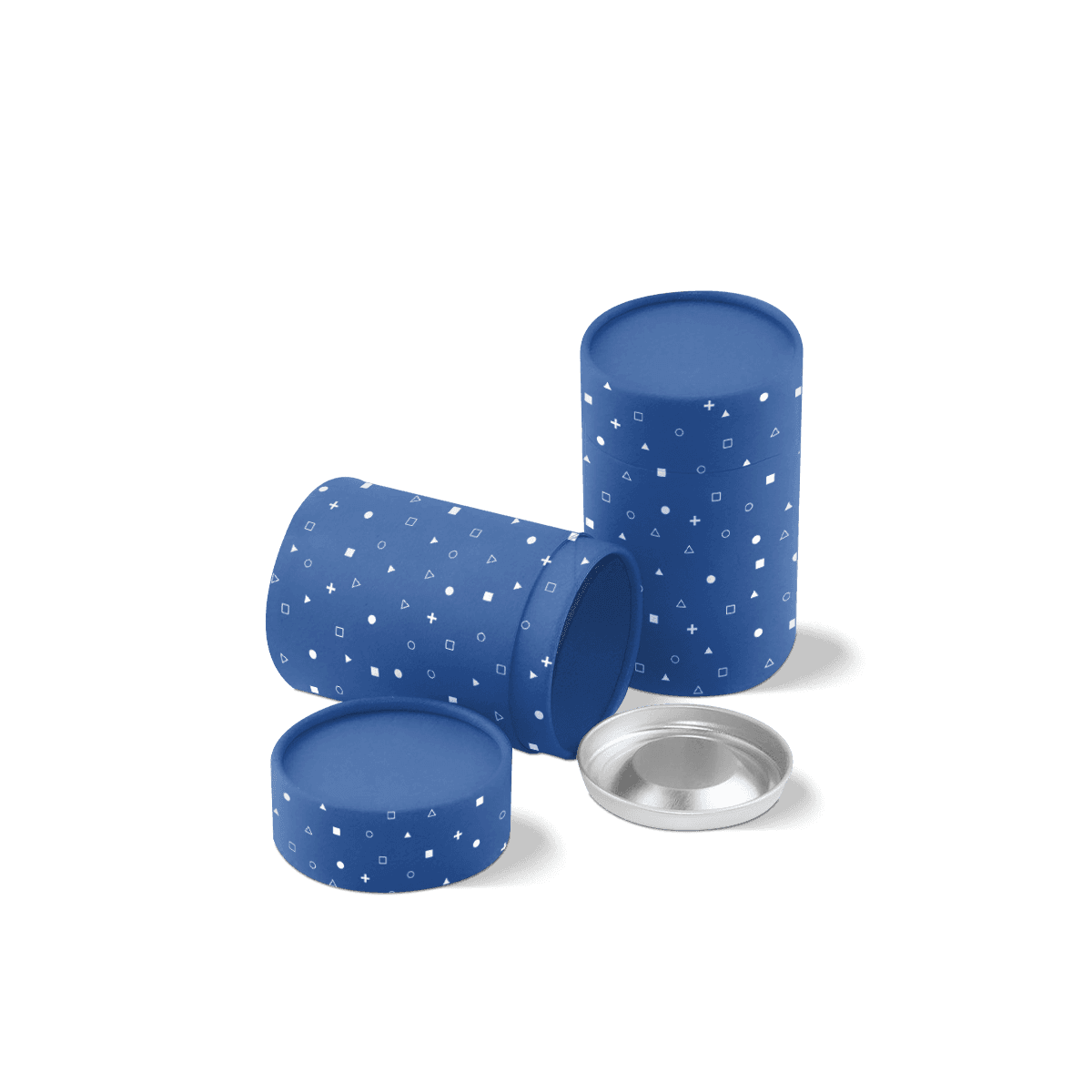
Cardboard tubes with lids suit products that need a cleaner close, easier reopening and a more considered finish than a plain mailing tube. They work well for retail, gifting and branded presentation where protection and access both matter.

Make the Lid Do Its Job

A separate lid earns its place only if opening and reclosing feel deliberate. The critical question is how much resistance the lid should give before it releases, not simply whether the tube looks premium.

Custom Cardboard Tubes with Lids need enough overlap to stay seated during normal handling without making the customer twist, squeeze or pull hard enough to damage the rim. Products intended for repeated use need that closure to remain consistent after many openings.

General product fit still matters, but lid behaviour should be approved first. Cardboard Tube Packaging is the stronger reference when the closure itself is not the main reason for choosing the tube.

Set the Right Resistance

Closure fit needs enough resistance to feel secure without turning opening into a struggle. The correct tolerance depends on lid depth, tube diameter, surface wrap and how often the pack is expected to be reopened.

For a product opened once at purchase, a firmer initial fit may be acceptable. For tea, accessories, cosmetics or other products kept in the tube after opening, repeated access matters more. The lid should still align and close neatly after several uses.

Test With Finished Surfaces

Coatings, wraps and production tolerances affect how two paper-based parts slide over each other. Do not approve lid fit from bare components and assume the finished printed version will behave identically.

A physical sample is particularly useful here. Free samples can help you judge material and finish quality, while a made-to-spec test is sensible when closure feel is critical to the product experience.
Account for Lid Overlap

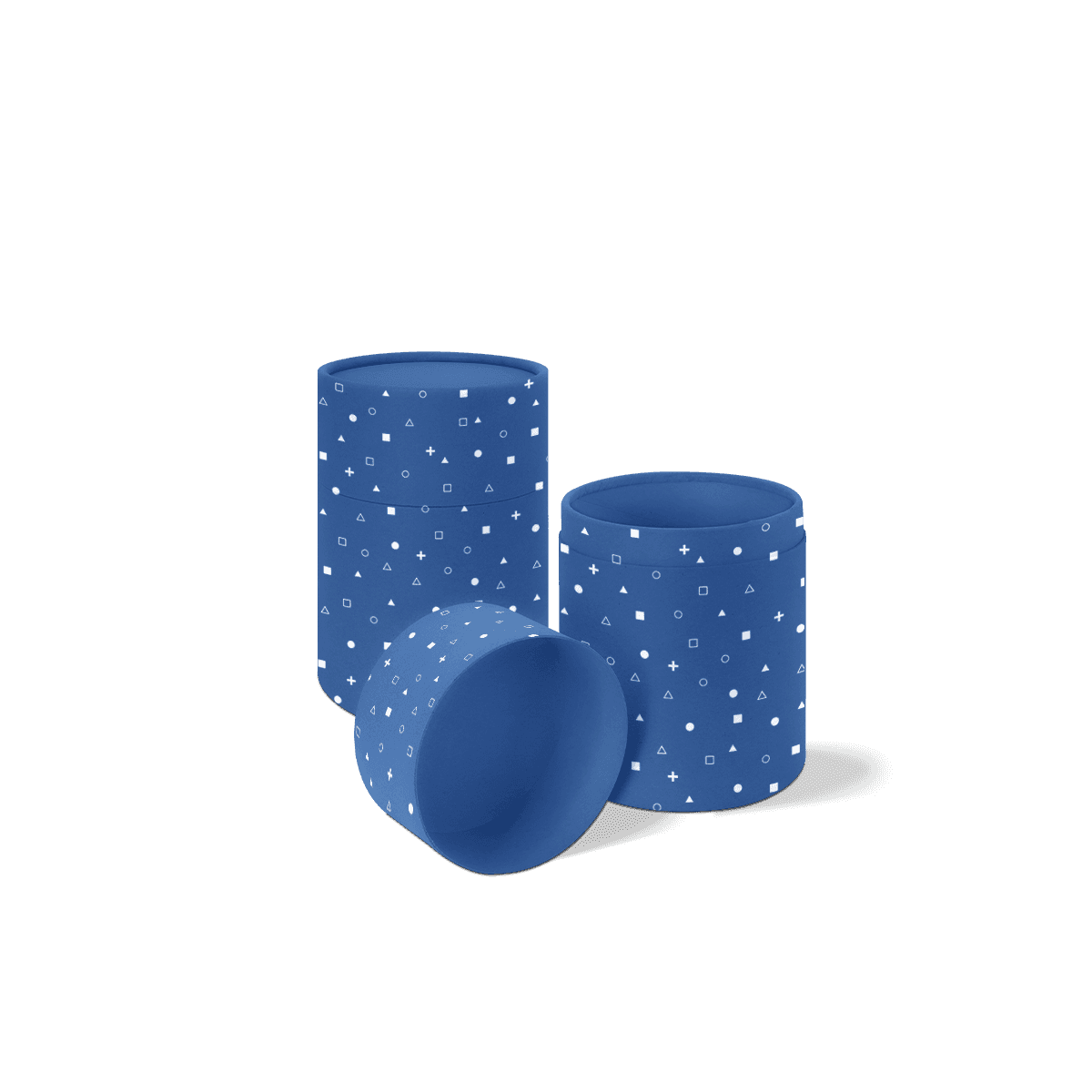
The lid changes the usable space inside the tube. Its overlap can cover part of the body and may affect where the product, insert and artwork should sit.

Protect the Working Height

Start with the true packed product height, then allow for any base pad, collar or insert. After that, check how the lid engages with the body.

Do not assume the outside height equals the clear internal height available to the product. A deep lid can create a strong visual proportion but may also reduce the freedom to position tall items near the top.

The same principle applies to multi-piece presentation. If an insert lifts the item for a stronger reveal, make sure the raised product still clears the underside of the lid.

Control the Reveal Line

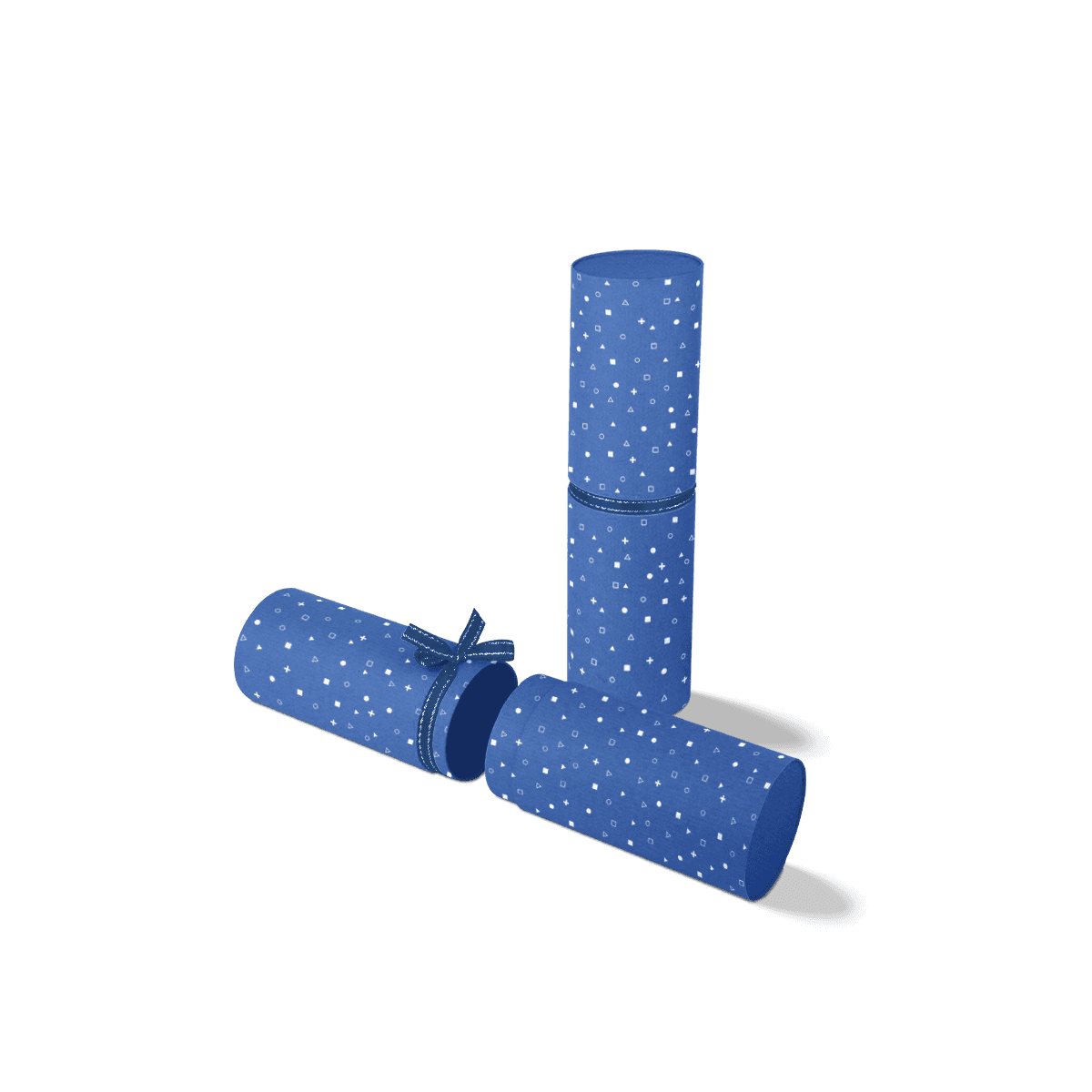
The point where the lid meets the body is visible even before the customer opens the tube. That line can become part of the design.

A shallow lid creates one proportion. A deeper lid gives the top more visual weight and can make the opening feel slower and more deliberate. Neither is automatically more premium. The right depth depends on the product, grip and artwork.

A free 3D mockup is useful for checking those proportions before print because lid depth can change how the whole tube appears even when the diameter stays the same.

Make Removal Easy

A lidded tube can look refined and still frustrate the customer if there is nowhere comfortable to grip the product.

Leave a Finger Grip

Short jars, bottles and compact accessories can sit too deep inside a tall tube. If the product has to be shaken out or tipped into the hand, the fit has gone too far.

Plan enough exposed height, a lift point or an insert detail that lets the customer remove the item without damaging labels, caps or decorated surfaces.

For products that need a controlled position, Inserts and Dividers can provide a more repeatable solution than loose filler.

Avoid Vacuum-Like Fit

Very close cylindrical fits can sometimes make removal feel harder because there is little room around the product for fingers or air movement. That is especially noticeable with smooth jars or bottles.

A few millimetres of sensible working clearance can improve the experience more than forcing the smallest possible diameter. The aim is a controlled fit, not a friction lock around the product itself.

Decide if It Should Be Kept

One advantage of a separate lid is that the tube can remain useful after the initial opening. That only matters when the product and customer behaviour support it.

Tea, small accessories, wellness items, promotional pieces and some cosmetics may stay in the tube between uses. In those cases, lid durability, reclosure and the way the inside remains organised deserve more attention than a one-time reveal.

By contrast, if the customer will discard the outer tube immediately, a complex reusable closure may add cost without adding much value.

This is also where Gift Tubes should remain a separate choice. Gift tubes are driven primarily by occasion, handover and presentation. Cardboard tubes with lids are better defined by how the lid closes, reopens and supports continued use.

The broader question of which products genuinely suit cylindrical packaging is covered in what products work best in tube packaging.

Keep Artwork Across Two Parts

A lid creates a visual break in the tube. Artwork should acknowledge that break rather than pretending the body is one uninterrupted cylinder.

Choose What Lives on the Lid

The lid can carry a logo, colour block, scent name, product variant or a quieter finish than the body. Keeping one strong element on top can make the closure feel intentional without forcing detailed graphics across the joint.

If artwork needs to line up between lid and body, registration becomes more sensitive. Small alignment differences are easier to notice when a stripe, illustration or word crosses the join.

For that reason, continuous graphics should be used carefully. Designs that allow a little visual tolerance around the lid line are usually easier to reproduce consistently.

Keep Small Type Clear

Do not place barcodes, small legal copy or fine lettering where the lid edge can interrupt it. The body still needs a clear primary viewing zone even though the pack is round.

The workflow in how to design packaging for production is especially relevant here: lock the dimensions and closure before finalising artwork. Changing lid depth late can shift the visual balance of the entire design.

Premium offset printing, Pantone colour, foil, embossing, debossing and spot UV can all be used where they support the brand. The packaging design ideas work best when finish choices follow structure rather than trying to compensate for it.

Use the Lid to Control a Range

For product families, one lid-and-body system can help create consistency across several SKUs, but only when the products genuinely share enough dimensions.

A skincare line, for example, may use the same tube diameter across several jars while changing height, colour or printed variant details. That can make the range look disciplined and simplify repeat ordering.

The mistake is forcing very different products into one tube solely to reduce packaging SKUs. A smaller item can look lost, need an unnecessary insert or become awkward to remove.

For beauty products, the wider Custom Cosmetic Packaging requirements still apply. Bottle shoulders, caps, pumps, glass weight and label clearance should be checked before one outer tube is standardised across a range.

If the product is specifically a glass candle jar, Custom Candle Tubes are a better starting point because vessel diameter, glass protection and lift-out behaviour deserve candle-specific treatment.

Protect the Lid in Delivery

A removable lid creates a different transit risk from a glued folding carton. The retail tube may need secondary protection if courier handling could lift, scuff or dent the closure.

Do not assume a snug retail lid makes the tube a complete ecommerce shipper. If the finished product will travel through parcel networks, test it inside the actual outer packaging and check whether the lid can move when the parcel is dropped, tilted or compressed.

Decorative surfaces also deserve protection. Foil, soft-touch coatings and dark wraps can show abrasion more readily than a plain shipping surface.

This is where restraint matters. Spend on the closure feel and visible finish if those qualities matter at handover, then use an appropriate outer shipper rather than making the presentation tube carry every transit job.

Approve the Closure Before the Run

For this style, the expensive mistake is approving print before the lid behaviour is settled.

Confirm the finished product diameter and height, preferred lid depth, how easily the lid should lift, whether the tube will be reopened after purchase and whether an insert changes the product position. Those decisions affect the physical sample, artwork boundary and final dimensions.

Treat lid fit as the approval gate. If resistance, overlap or lift-off feel is still unresolved, do not lock the artwork or the production quantity. Use the 3D mockup for proportion and print placement, then confirm the closure physically where tolerance is tight. Once the fit is approved, MOQ starts from 100 for an initial production run.

For repeat production, keep the approved lid depth, fit, wrap and artwork references together. Small closure changes can alter the feel more noticeably than a minor colour adjustment, so the physical specification matters as much as the print file.

When the closure has been defined, request custom packaging pricing using the product dimensions, lid requirement and quantity. If the main uncertainty is still the structure, start with Custom Tube Packaging and narrow the tube style before artwork is locked.

FAQs

They work best for items that benefit from both presentation and repeat access. Common examples include candles, cosmetics, tea, confectionery, stationery, jewellery accessories and small promotional products. The key is that the product should suit a cylindrical structure and gain something from a removable lid, whether that is better display, easier reopening or a more refined unboxing feel.

Start with how the item will be opened, removed and used after purchase. A simple friction-fit lid works well for many retail products, while a deeper telescopic lid can feel more premium and visually structured. It also helps to check how snug the fit should be, because a lid that is too loose can feel cheap and a lid that is too tight can damage the customer experience.

Yes, for light to moderate shipping needs, especially when the contents already suit a cylindrical structure. They are often strong enough for presentation-led ecommerce orders, but they should not be treated as a substitute for a heavy-duty transit tube in every case. If the product is fragile, weighty or exposed to rough handling, add inserts or a suitable outer shipper.

Check the product diameter, total fill height and the amount of space needed to lift the item out comfortably. Then confirm whether tissue, trays or cardboard inserts will sit inside the tube, because those affect both usable depth and lid fit. It is also worth deciding whether the structure is mainly for shelf display, gifting or light shipping, since that changes the best specification.

Gift Tubes are usually the better choice when the main goal is occasion-led presentation and the structure is being chosen primarily for gifting impact. Cardboard tubes with lids are the stronger option when repeat opening, practical product access and broader day-to-day use matter just as much as appearance. The difference is not the shape alone. It is the job the tube needs to do.

Process

How it works

Your Packaging Journey, From Idea to Production and Delivery

01

Tell Us Your Specs

Custom packaging boxes

Tell Us Your Specs

Provide size, quantity, printing, and finishes.

02

Get a Fast Quote

Custom packaging boxes

Get a Fast Quote

Instant transparent pricing, no hidden fees.

03

Design and Approval

Custom packaging boxes

Design and Approval

Artwork checks, revisions, and final sign-off.

04

Produce

Custom packaging boxes

Produce

Expert manufacturing to meet deadlines.

05

Ship to Your Door

Custom packaging boxes

Ship to Your Door

Hassle-free, flexible delivery options.

Get Your Quote for Custom Cardboard Tubes with Lids

Share your product details, dimensions, quantity and artwork needs. We’ll help choose the right packaging style and send a clear quote.




