Skip to content
Details

Custom Corrugated Box Inserts

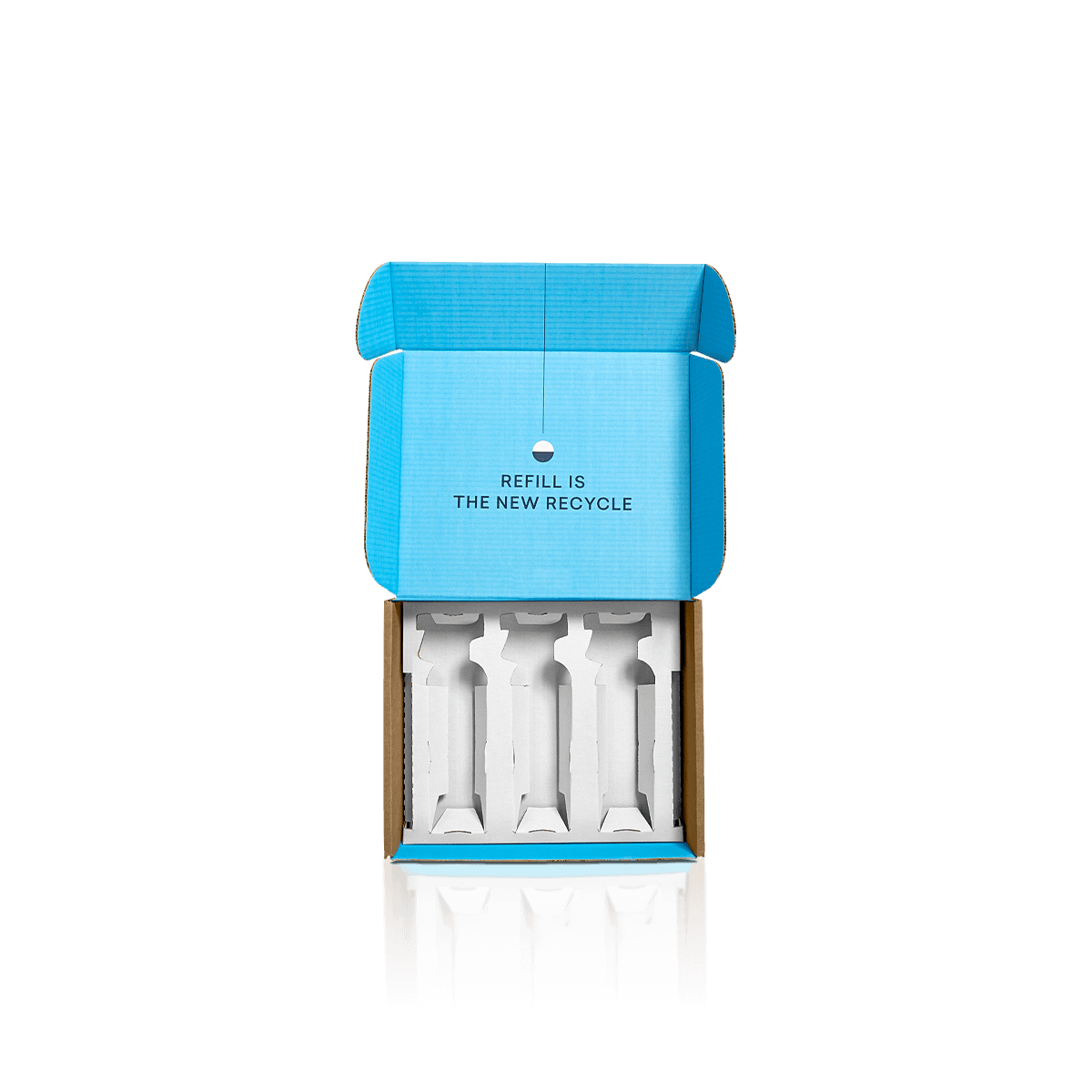
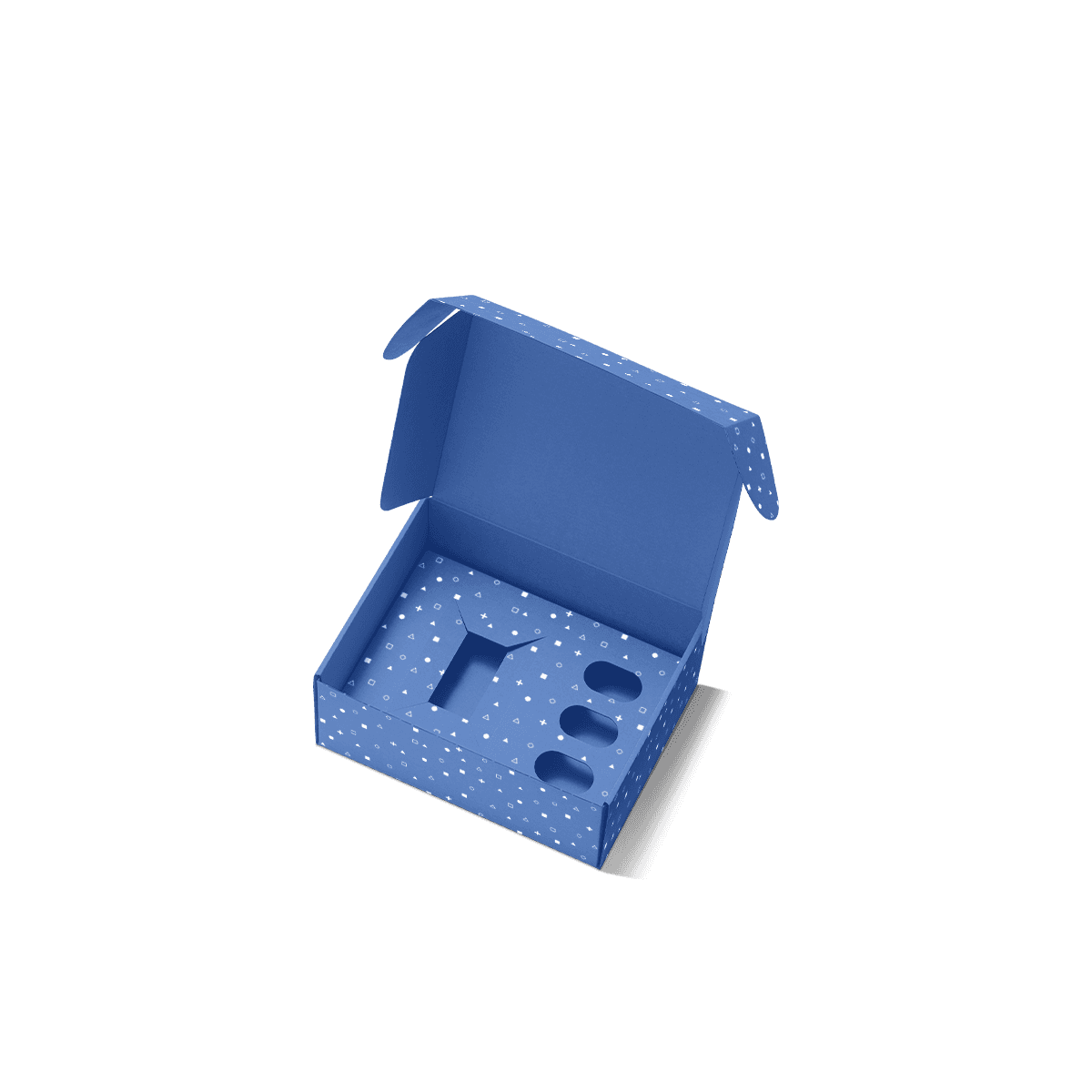
Corrugated box inserts add stronger internal support for products that need steadier positioning in storage, shipping or repeated handling. They suit packs where weight, impact resistance and organised loading matter more than a purely decorative interior.

Strength Must Sit Under the Load

A heavy product can damage its insert long before the outer carton looks weak. If the internal support bows, crushes or loses its shape, the item gains room to move and the rest of the packaging has to absorb forces it was never meant to carry.

Custom Corrugated Box Inserts are for products that need more internal rigidity than a slim paperboard support can provide. The fluted layer between liners gives the insert depth and stiffness, which makes it useful for heavier jars, glassware, electronics, dense product sets, hardware and ecommerce goods that need defined support during handling and delivery.

The useful question is not simply how thick the insert should be. It is where the packed weight lands, how far the material spans between supports and what happens when the box is turned, stacked or compressed.
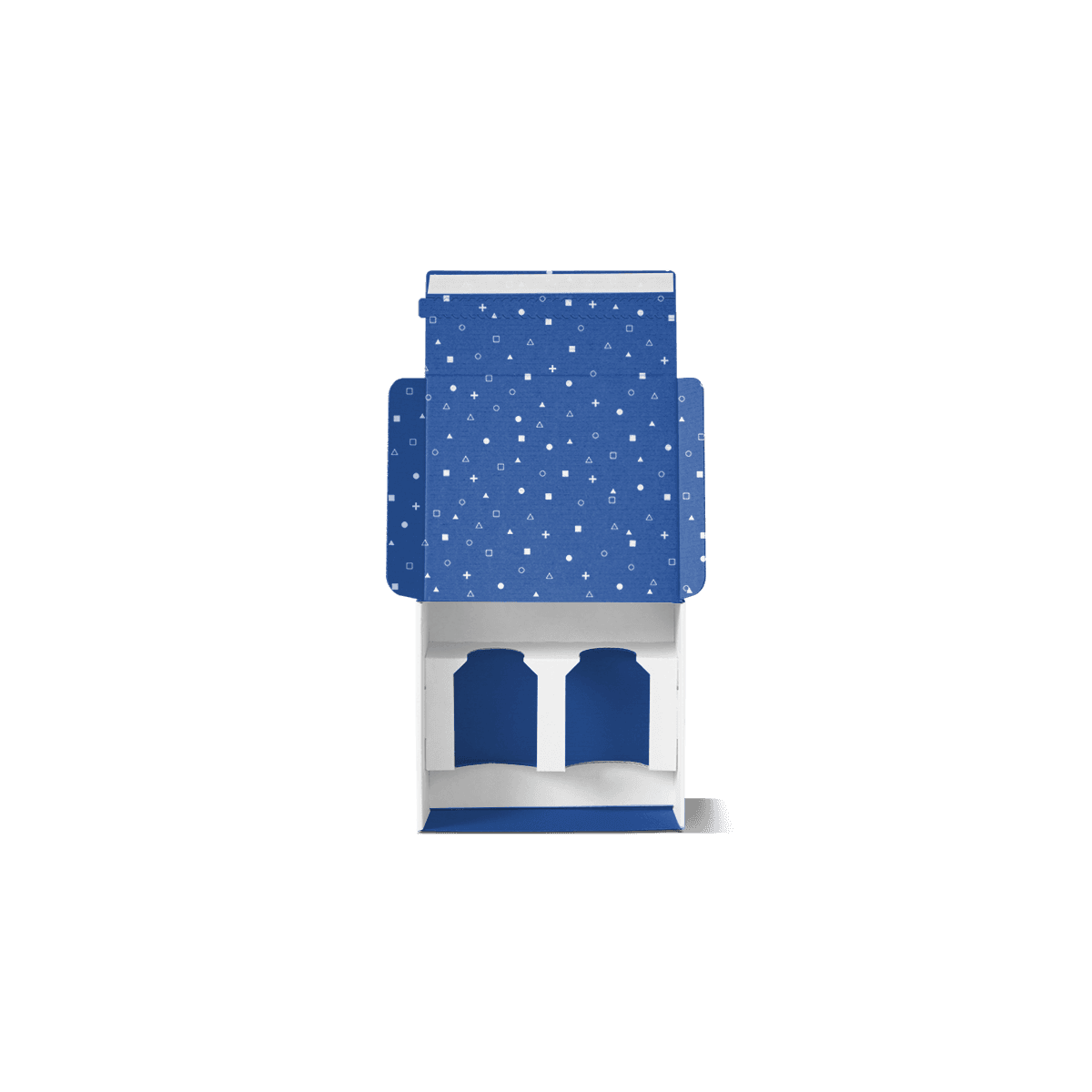
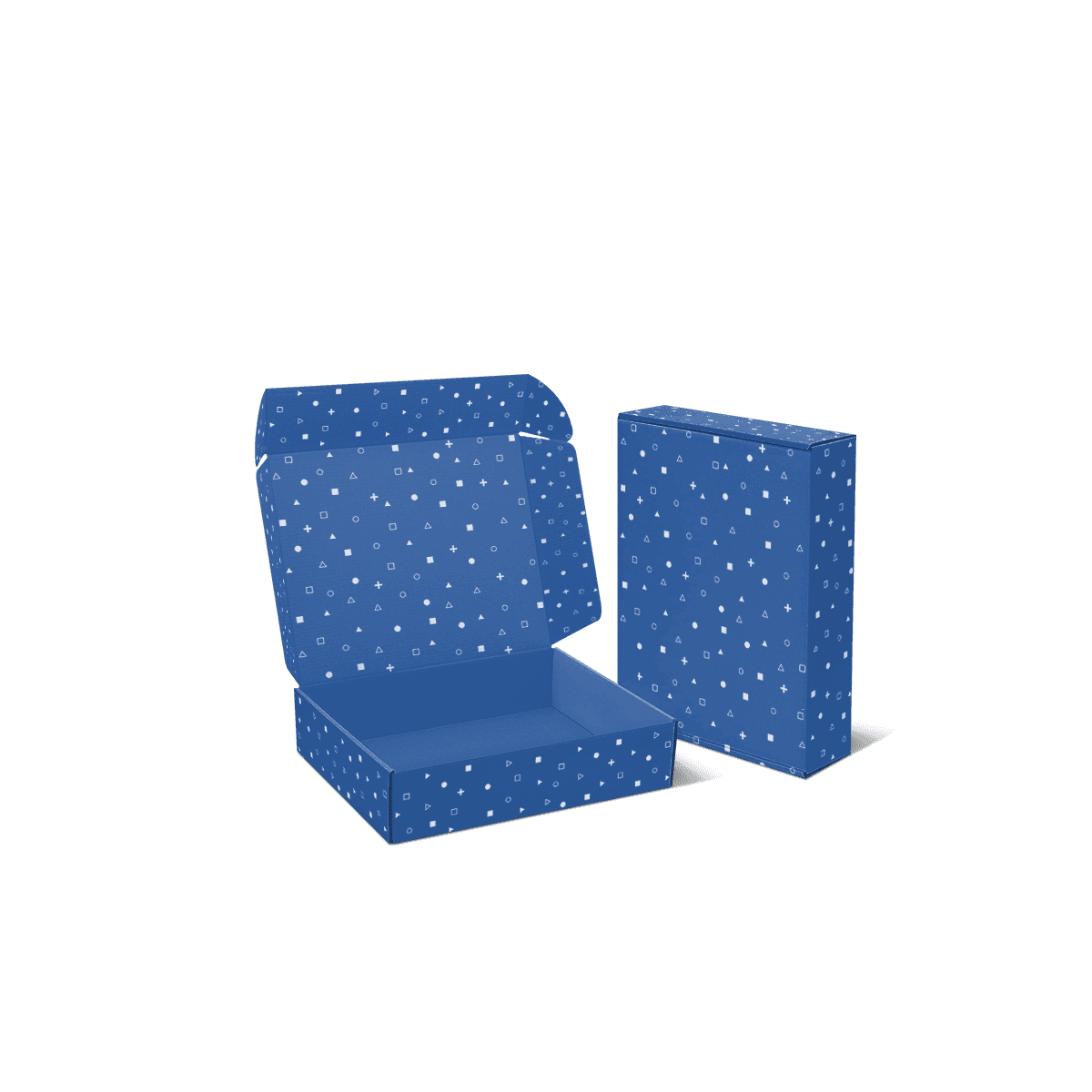
Follow the Load Path

Corrugated support works best when pressure is directed into areas that can carry it. A strong-looking insert can still fail if the product sits across a wide unsupported opening or concentrates weight onto a narrow tab.

Support Stable Surfaces

Place the main support beneath parts of the product that can safely carry pressure. A broad base, sturdy casing or reinforced edge is usually a better load point than a pump, handle, connector, thin lip or decorated face.

This is especially important with fragile goods. The decision in fragile product packaging starts by separating external carton failure from internal movement. A stronger insert helps only when internal support is actually part of the problem.

Shorten Unsupported Spans

A corrugated platform that bridges a large empty space can flex even when the material itself is suitable. Extra folds, legs or contact points can shorten the span and transfer weight more directly towards the base or side walls of the outer carton.

That often works better than increasing material everywhere. Good internal engineering puts strength where the product asks for it.

Flute Changes the Behaviour

Corrugated material is not simply “thick cardboard”. Its fluted centre changes stiffness, compression behaviour and how the insert folds.

Direction Affects Stiffness

Flute direction matters because corrugated material behaves differently across and along the flutes. An insert expected to carry weight, form a vertical wall or bridge a gap should be laid out with that behaviour in mind rather than rotated on a cutting sheet only to save material.

The correct orientation depends on the insert geometry and where force will be applied. This is a structural decision, not a cosmetic one.

Choose Grade by Duty

A compact lightweight product may need only a slimmer corrugated support, while a dense product or deeper shipping carton may justify a stronger specification. The right choice depends on packed weight, unsupported span, stacking pressure, handling and the outer carton.

The practical differences between paperboard, corrugated and rigid packaging are useful before simply moving to the heaviest material available.

Restrain More Than Sideways Movement

A product can feel secure while the open box sits on a table and still move significantly once the parcel is handled.

Check Vertical Travel

If the insert holds a bottle firmly around its lower body but leaves excess space above it, the bottle can still lift and strike the lid when the parcel is inverted. Similar problems occur with electronics, jars and compact machinery parts.

The finished pack needs control in three dimensions: side to side, front to back and up and down. Rotation also matters when a protruding component can contact another surface.

Give Vulnerable Parts Air

A corrugated support should carry the strong part of the item while keeping delicate features clear. Handles, switches, glass edges, pumps and exposed connectors may need deliberate gaps rather than tighter contact.

Corrugated structure can provide useful restraint and some impact management, but it is not automatically a substitute for dedicated cushioning. If shock sensitivity is unusually high, the protective system should be specified around that risk rather than assuming more flute solves it.

The Outer Carton Still Matters

An insert and its outer box work as one transit system. A rigid internal support cannot rescue a shipping carton that loses shape under the packed load, just as a heavy-duty outer carton cannot stop an unsecured product moving inside.

For courier, warehouse or pallet movement, Shipping Boxes should be chosen around packed weight, stacking and handling conditions. If the outer case itself needs greater compression strength, Heavy Duty Shipping Boxes solve that outer-structure problem separately.

Custom Packly can specify the outer carton and internal support together so the insert does not consume space that the box dimensions never allowed for. This one-stop approach is particularly useful when the product is heavy enough that fit, internal support and carton strength all influence one another.

Use Corrugated Where It Earns Space

The flute adds strength, but it also occupies more room than a slimmer card support. That extra depth should solve a real requirement.

Cardboard Box Inserts are often better for lighter goods where tidy positioning, presentation and compact depth matter more than load carrying. Box Dividers are more efficient when repeated items mainly need separation into cells.

A Layer Pad solves another problem again: spreading pressure and separating horizontal tiers rather than shaping support around one product.

A corrugated insert can also be die cut. The distinction is intent. If exact aperture geometry, silhouette and product reveal drive the job, Die Cut Inserts are the more useful starting point. If the main issue is carrying a heavier load or reinforcing internal transit support, corrugated material should lead the specification.

Allow Space for Material Take-Up

Corrugated folds consume real space. An insert that looks mathematically correct as a flat drawing can become too large, too tight or slightly misaligned once thicker material is folded into position.

Score allowances, fold direction and overlapping parts all affect the assembled footprint. That is why the internal dimensions of the outer box should be checked against the finished insert, not only against its flat cut size.

Flat geometry must account for the material that will eventually fold into a three-dimensional structure. Corrugated inserts make that especially important because the substrate has more depth than lightweight carton stock.

A free 3D mockup can help review the arrangement and assembly sequence before production, but actual load behaviour still needs physical judgement where weight or fragility is significant.

Packing Speed Sets a Limit

A protective insert that takes too long to assemble can become expensive at volume. Corrugated designs should be assessed on the packing bench as well as inside a finished sample.

Reduce Unnecessary Folding

Every locking tab, return fold and separate component should earn its place. A simpler support with two reliable contact points may outperform a highly intricate fitment that staff have to manipulate for every order.

The cost of overcomplicated packaging is not limited to material. Assembly time, storage volume, extra components and packing errors can outweigh a small saving in the unit price.

Make Orientation Obvious

The insert should be difficult to assemble the wrong way round. Asymmetrical products may need an obvious front, a keyed fold or another simple visual cue so packing staff do not have to stop and inspect the structure.

For larger runs, that repeatability matters as much as the appearance of one approved sample.

Right-Size the Finished System

Do not choose the shipping box first and force a corrugated fitment into the leftover space. Start with the packed product, establish the support thickness and movement allowance, then confirm the outer dimensions around the complete internal system.

Oversizing creates more travel distance and often leads to additional filler. Undersizing can pre-load the insert, distort its folds or transfer pressure into the product before the parcel even enters transit.

Custom Boxes can be developed around the insert where the existing outer dimensions are not fixed. If several internal methods are still being considered, Inserts and Dividers separates shaped supports, dividers, partitions, pads and other ways to control the contents.

Surface Comes After Structure

Most corrugated inserts perform their job out of sight. Print and finishing should therefore follow what the customer actually sees rather than being added automatically.

Kraft-facing material can suit a practical transit pack. A white printable surface can make sense where the insert remains visible during opening or carries simple product identification. Premium offset printing can be used when exposed areas need detailed artwork or controlled brand colour, while the wider packaging customisation options cover print and finish choices once the structural specification is stable.

Avoid adding decorative layers over fold zones, slots or high-contact areas without a reason. Structural accuracy and clean assembly matter more here than turning every hidden surface into a branded panel.

Test with the Real Weight

An empty corrugated insert can look excellent and tell you almost nothing about loaded performance.

Place the actual product into the intended position and check whether the support bows, tilts or crushes. Turn the closed pack onto different faces. Check vertical movement. Apply realistic stacking pressure. Pack several units in sequence and watch whether assembly becomes inconsistent as staff repeat the process.

Free sample examples can help compare general material and print direction. Where exact fit and loaded performance need validation, the finished specification should be judged with the real product weight and outer carton rather than from an unweighted mockup alone.

The goal is controlled movement without overengineering. A thicker insert is not automatically safer if the load is still landing in the wrong place.

Replenishment Follows Packed Weight

Once the support performs correctly, repeat supply should stay tied to the packed weight and outer carton it was engineered around. If one insert is intended to serve several SKUs, separate products with materially different weights rather than assuming one support duty covers them all.

Higher-volume requirements can also coordinate the outer case and insert through Bulk Custom Boxes, including warehousing and scheduled deliveries where repeat supply needs to arrive in stages.

Guaranteed 4–6 working day production and delivery then supports replenishment around an already proven load specification rather than becoming part of the initial engineering claim.

Quote the Support Duty

Describe the load the insert must carry before specifying its appearance. Give the packed product weight, intended orientation, outer-carton internal dimensions and the surfaces that can safely carry pressure.

If an existing insert is failing, state what is happening: bowing beneath the product, crushing at one point, excessive vertical travel or movement across an unsupported span. That failure description is more useful than simply requesting thicker corrugated material.

Use the custom packaging quote to establish price and quantity against the actual support duty.

FAQs

A corrugated insert is usually the better choice when the contents are heavier, more fragile or more likely to shift during transport. It offers greater structural support and better resistance to compression. If the main priority is a cleaner premium reveal for lighter products, a standard cardboard insert may be enough. The right choice depends on weight, movement risk and shipping conditions.

Check the packed product weight, the size of each item, how many items sit inside the pack and the direction they will be loaded. It is also important to confirm transit conditions, outer carton dimensions, any clearance needed for lids or leaflets and whether the insert must protect against impact, stacking pressure or simple movement.

Yes, they often suit those products very well, especially when the insert is designed to separate items and stop side contact. For glass, the fit needs to be exact enough to control movement without creating pressure points. If the shipment is especially heavy or high risk, layered corrugated support or added partitions may be the better route.

Yes, although their strength-led role means they are usually chosen first for protection rather than visual finish. They can still sit inside printed mailers, gift cartons or rigid packs when the contents need stronger support. Where appearance matters, the outer pack can carry the premium branding while the insert handles the internal stability.

Corrugated box inserts are often the stronger option for heavier products and transit-led applications because the board construction gives more structural support. Die cut inserts are useful when the fit needs to be more intricate, shaped or precise around a specific product profile. One focuses more on load-bearing support and the other often gives finer product-specific placement.

Process

How it works

Your Packaging Journey, From Idea to Production and Delivery

01

Tell Us Your Specs

Custom packaging boxes

Tell Us Your Specs

Provide size, quantity, printing, and finishes.

02

Get a Fast Quote

Custom packaging boxes

Get a Fast Quote

Instant transparent pricing, no hidden fees.

03

Design and Approval

Custom packaging boxes

Design and Approval

Artwork checks, revisions, and final sign-off.

04

Produce

Custom packaging boxes

Produce

Expert manufacturing to meet deadlines.

05

Ship to Your Door

Custom packaging boxes

Ship to Your Door

Hassle-free, flexible delivery options.

Get Your Quote for Custom Corrugated Box Inserts

Share your product details, dimensions, quantity and artwork needs. We’ll help choose the right packaging style and send a clear quote.