Skip to content
Details

Custom Punch Partition Inserts

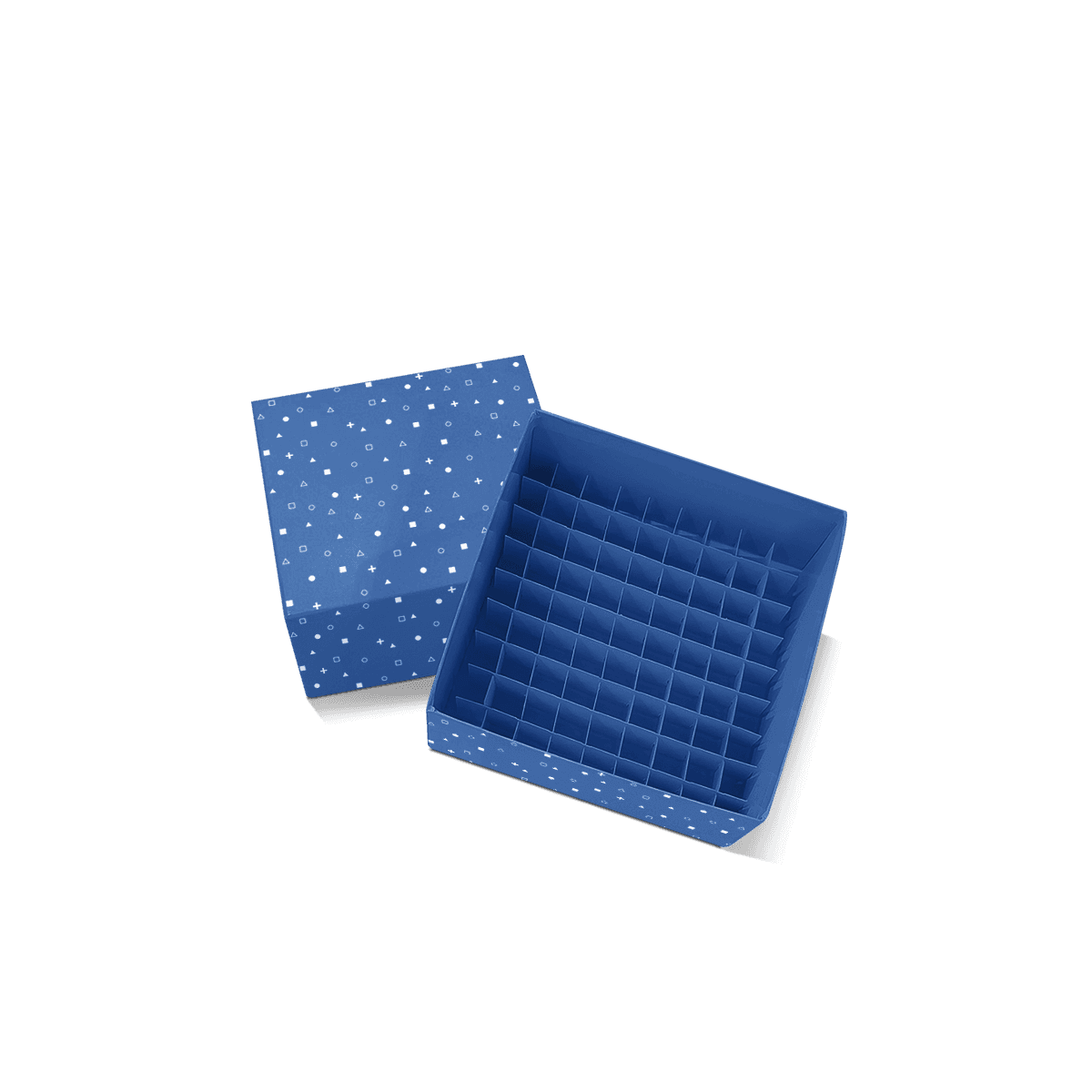
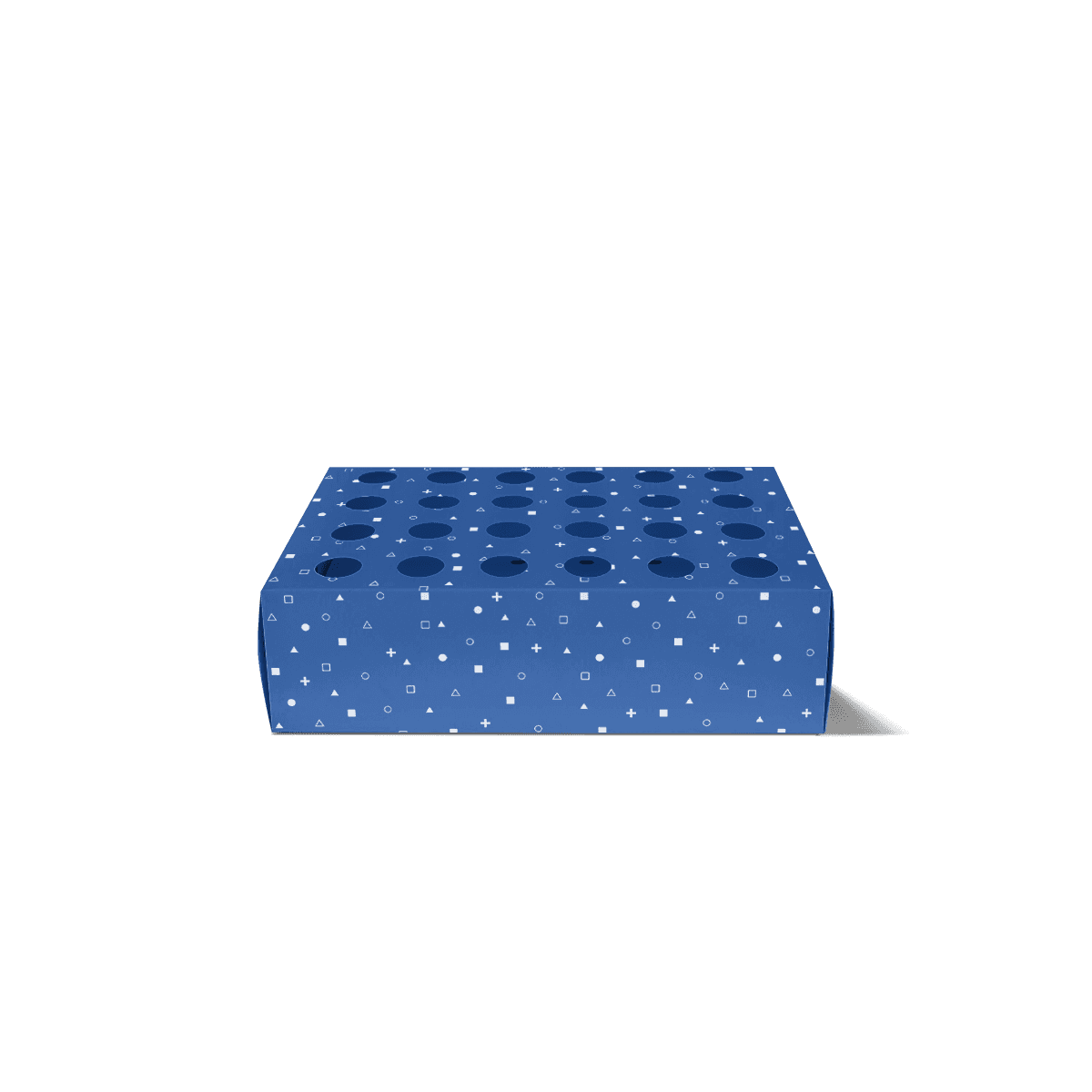
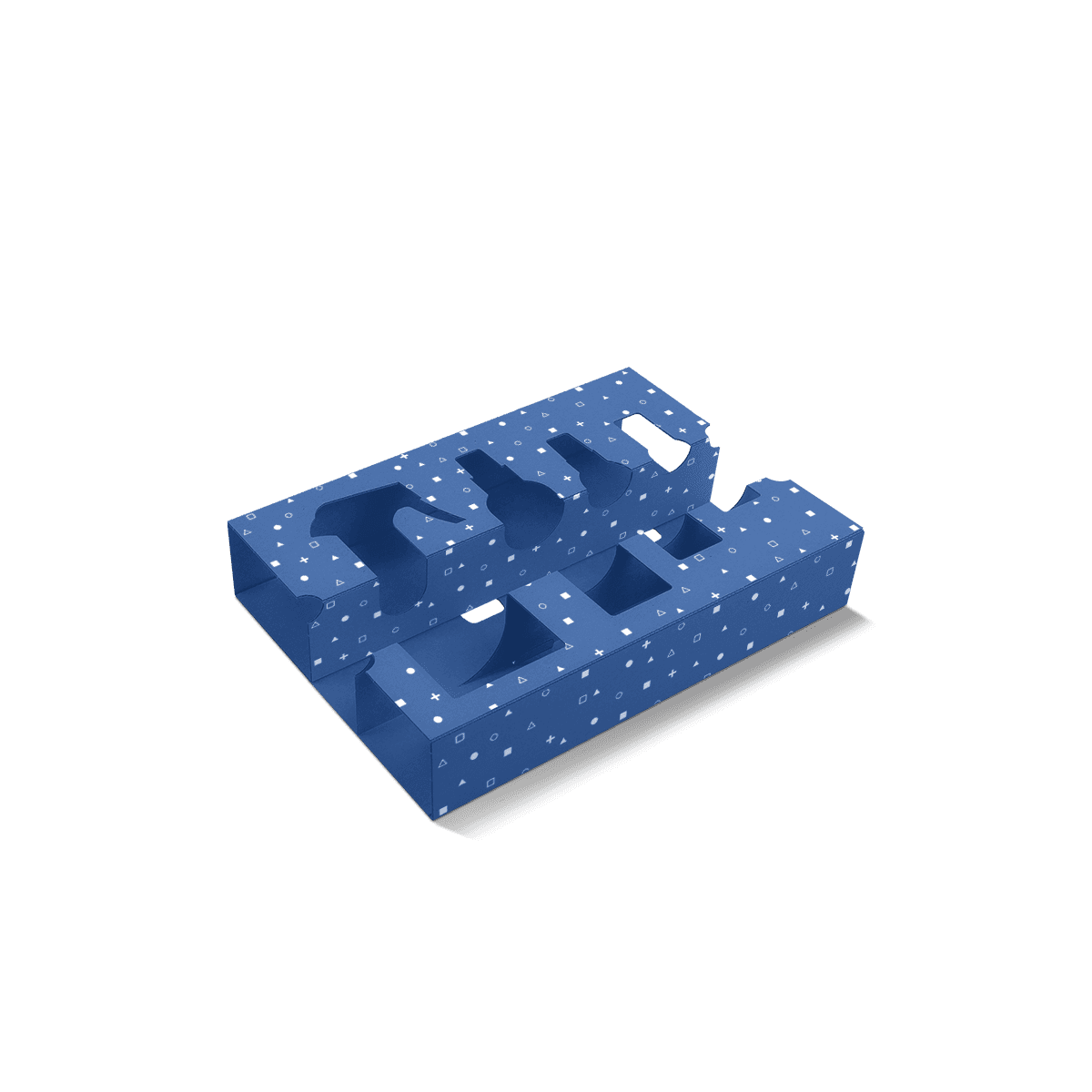
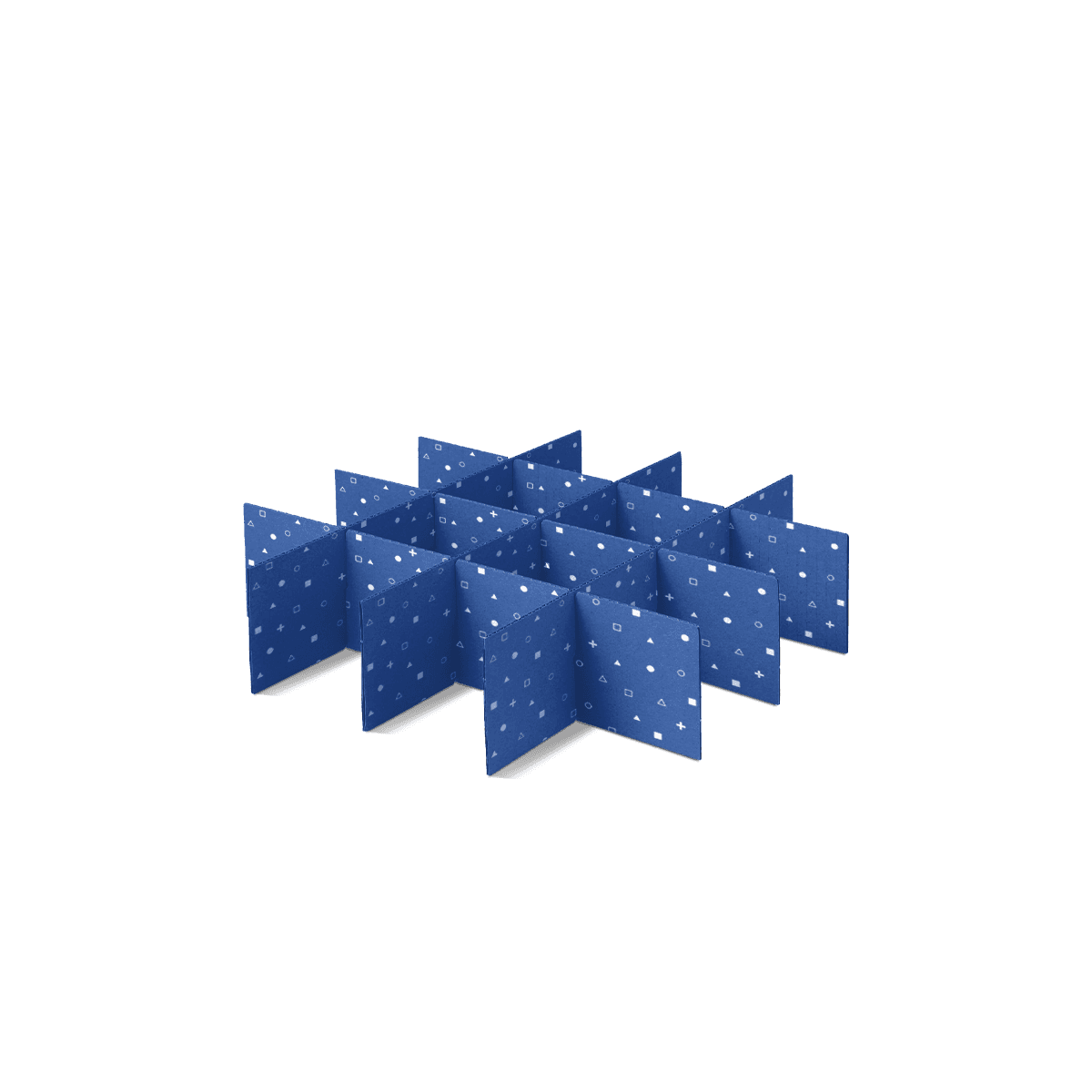
Punch partition inserts use slotted punched components to lock products into repeated sections inside one carton. They suit grouped packs that need firmer internal control, cleaner counting and a more secure paper-based layout for handling, storage and dispatch.

The Joint Has to Stay Engaged

A punched partition can look perfectly aligned when it is first assembled and still loosen once products are inserted, removed or moved through transit. The weak point is often not the cell itself. It is the punched joint holding the intersecting pieces together.

Custom Punch Partition Inserts use precisely cut slots or punched engagement points so separate card or corrugated components assemble into a repeatable internal grid. They suit grouped jars, candles, bottles, sample units and other products packed in fixed counts where the same structure needs to assemble the same way from run to run.

Their value comes from controlled engagement. The pieces should connect firmly enough to maintain alignment without needing excessive force that crushes edges, tears slot shoulders or slows packing.
Slot Width Controls the Joint

The punched opening needs to match the actual material entering it.

Avoid an Over-Tight Fit

A slot that is narrower than the material thickness can split, crush or delaminate the edge during assembly. Operators may also start twisting the components to force them together, which can distort the complete grid before a single product is loaded.

Corrugated material needs particular care because its nominal thickness does not behave like solid card when squeezed through a narrow punched opening.

Avoid a Loose Joint

Too much clearance creates the opposite problem. Intersections can rock, walls can lean and the complete layout may lose its intended geometry while products are loaded.

The right slot does not rely on brute force. It creates enough resistance for the pieces to stay aligned while still allowing repeat assembly at practical packing speed.

For projects where the outer box and internal structure are being developed together, Custom Product Packaging can be specified from the same packed dimensions.

Engagement Depth Matters

Slot width controls entry. Slot depth controls how completely the crossing pieces engage.

Meet at the Intended Height

Two intersecting components should seat at the planned level rather than leaving one standing proud of the other.

If the engagement stops short, the finished cell height can become uneven. Products may then lean against one wall sooner than another or the grid may sit badly against the carton base.

Do Not Cut Away Too Much

A deeper punched slot is not automatically stronger.

Removing too much material can leave a narrow shoulder beside the joint. Under repeated assembly or side pressure, that shoulder may tear even though the rest of the divider remains intact.

Enough material should remain around every punched area to carry the forces created during assembly and loading.

Punch Shape Affects Durability

Sharp internal corners can concentrate stress around a punched opening.

A slot with an abrupt narrow end may begin tearing from the same point repeatedly, especially when operators assemble the structure quickly or the material is relatively stiff.

Small geometry changes can make the joint more tolerant without making it loose. The exact cut shape should therefore be chosen around the substrate, thickness and number of times the component will be handled before the carton is completed.

The cutting principles explained in packaging dielines and artwork setup also matter here because slot location and cut accuracy directly control how separate components meet.

Assembly Direction Should Be Obvious

A punched grid that can be assembled several ways invites mistakes.

Create One Logical Sequence

Operators should be able to identify which strip crosses over, which strip crosses under and which direction each component faces without repeatedly referring to a sample.

Asymmetrical slot positions, small orientation marks or visibly different strip lengths can make the sequence easier to follow.

Reduce Hand Correction

If staff have to straighten every cell after assembly, the punched joint is not doing enough work.

The finished structure should settle squarely with minimal adjustment. That matters more at repeat volume because a small delay multiplied across hundreds or thousands of cartons becomes a real packing cost.

The labour effect discussed in custom packaging cost mistakes applies directly to internal components that look inexpensive but take too long to assemble.

Test the Empty Grid First

The framework should hold its intended geometry before products are added.

Place the assembled insert on a flat surface and inspect the intersections. Walls should stand at the planned angles, repeated cells should remain consistent and the structure should not rely on the products themselves to force it into shape.

This separates joint quality from product restraint. If the grid only becomes stable after every cell is filled, the first few products may be harder to load consistently.

A free 3D mockup can help confirm the intended strip sequence, counts and general internal arrangement before production.

Then Test Partial Loading

A partly loaded carton can expose problems that disappear when every cell is full.

Load one corner first. Then one complete row. Then alternate cells.

Watch whether the unloaded side twists, whether joints begin lifting and whether adding a heavier product pulls neighbouring intersections away from their intended position.

This matters in real packing because the grid spends part of the process only partly loaded. It should remain usable throughout assembly, not merely look correct in the final closed carton.

Punch Partitions Need a Narrow Job

Three Custom Packly structures now sit close together, so the distinction needs to stay physical.

Cell Dividers suit equal or closely matched products where one proven cell repeats across rows and columns.

Partition Inserts suit fixed frameworks where compartment sizes, cross-members or product geometry vary within the carton.

Punch Partition Inserts make sense when the punched interlock itself is important because the assembly needs firmer repeat engagement, disciplined alignment or greater resistance to joints shifting during packing.

If that punched-joint behaviour does not solve a real problem, another divider method may be simpler.

Product Count Still Shapes the Grid

A locked joint does not remove the need to size the full arrangement correctly.

A 6-cell structure and a 24-cell structure place different demands on material thickness, intersection count and dimensional tolerance. Small discrepancies can accumulate across many repeated components.

The complete assembled footprint should therefore be checked against the outer carton after every wall and intersection is included.

Where products are identical and count accuracy matters, the finished grid can also act as a visual packing check. Empty cells become obvious before the carton closes.

MOQ starts from 100 boxes, so a repeat locked layout can be established for a smaller commercial run before moving into larger production quantities.

Material Changes Slot Behaviour

Solid paperboard and corrugated material do not engage punched joints in exactly the same way.

Paperboard Gives Slim Joints

Solid card can suit lighter grouped products where internal space is tight and compact intersections matter.

Its thinner profile can create cleaner, less bulky cells, but narrow punched shoulders still need enough material to resist tearing.

Corrugated Adds Depth

Corrugated material can provide more stiffness for heavier grouped loads, but the fluted structure makes slot tolerance and edge compression more important.

If the job moves beyond maintaining a locked grid and starts requiring genuine support beneath substantial weight, Corrugated Box Inserts should handle that load-bearing requirement instead.

Material should follow the physical duty rather than the assumption that thicker automatically means better.

Do Not Lock Delicate Surfaces

A firm partition joint does not mean every product should also be held tightly.

The grid can remain rigid while individual cells still provide sensible clearance around labels, coated jars, glass finishes and other surfaces that should not rub against card.

For fragile grouped items, fragile product packaging helps separate product-to-product contact from vertical movement, carton weakness and impact sensitivity.

Punch Partition Inserts primarily control the integrity of the internal grid. They do not automatically provide cushioning or eliminate headspace above the products.

Fixed Bottles Need Bottle Logic

Bottles can use punched partitions, but bottle geometry still matters.

Shoulder width, closure projection, filled weight and glass contact can override a simple rectangular cell calculation. A locked grid that holds its shape can still damage bottles if the walls reach the wrong contact zone.

Bottle Dividers should lead when bottle-specific fit is the main problem. Punched engagement can then be considered as part of the divider method rather than replacing the bottle analysis.

This avoids choosing the joint first and solving the actual product geometry afterwards.

Flat Storage Needs Repeat Assembly

Punch partition components can often be supplied flat, which reduces storage space before use.

That advantage matters only when staff can assemble them reliably. A compact stack of flat components that takes too long to identify, orient and interlock can shift cost from storage into labour.

A good repeat specification should therefore preserve component identification, slot orientation and assembly order as carefully as the finished cell dimensions.

Custom Packly’s experienced packaging team can coordinate the outer carton, punched components, cutting files and mockup through one production specification, with 24/7 support available when slot engagement or packing sequence needs resolving.

Print Around the Joints

Most punched partition surfaces are hidden once products are loaded, so print should have a practical reason.

Visible top edges can carry simple colour or orientation cues. Numbering strips can help staff assemble a multi-part grid in the right sequence. Product identifiers can support fixed-count packing when several similar SKUs share one carton.

Premium offset printing is available where exposed surfaces genuinely need controlled brand colour or detailed artwork. Packaging customisation can be finalised once the slot geometry and substrate are stable.

Avoid placing critical artwork through punched openings or directly across high-wear joint areas.

Preserve the Joint Specification

A repeat Punch Partition Insert specification should record the details that control engagement, not only the finished outside dimensions.

Keep the material thickness, slot width, slot depth, punched profile, component orientation, intersection positions, wall height, carton internal dimensions and product count with the approved design.

If the material grade changes, recheck the joints even when the cut file stays the same. A different substrate can behave differently inside an identical punched opening.

Once the locking behaviour has been approved, Custom Packly provides guaranteed 4–6 working day production and delivery for repeat requirements.

Price the Joint Map

For Custom Punch Partition Inserts, start with the complete intersection plan.

Provide the internal carton dimensions, product count, cell dimensions and material preference if one is already known. Mark every punched intersection and show the direction the components should assemble. If a current structure feels too loose or too difficult to assemble, include the existing slot width, material thickness and a photograph of the joint.

That information gives the packaging team something more useful than a generic request for a stronger divider.

Use the custom packaging quote to submit the joint map. Instant pricing can establish the commercial starting point while the structural work focuses on the feature that makes this product distinct: punched engagement that assembles cleanly and stays aligned throughout loading.

FAQs

Confirm the number of units in the carton, the exact size of each product and the internal dimensions of the outer box. It is also important to check product weight, wall clearance, transport orientation and whether every section needs the same size. Those points affect the slot design, divider height and board grade.

They are especially useful for bottles, jars, candle vessels and other grouped items packed in fixed counts. They also work well for sample packs or mixed cartons where internal order matters. The stronger fit tends to make the biggest difference when repeated units need consistent spacing and steadier handling.

Punch partition inserts usually give a more locked and assembly-led internal structure because the parts are built around punched slot engagement. Standard partition inserts can still perform very well, but the punched version often feels more controlled where repeat counts, packing speed and layout consistency matter most. The better choice depends on how rigid the internal framework needs to be.

They are often the better option when grouped products are heavier or the carton needs a more deliberate interlocking structure. Cell dividers suit regular repeat-unit packing well, but punch partition inserts can offer firmer internal discipline when movement risk, pack weight or assembly consistency becomes more demanding. One is simpler and the other usually feels more structural.

Yes, it can, provided the layout is planned around the actual mix. A punched partition build can combine repeated sections with one or two adjusted spaces for accessories, leaflets or secondary items. The key is to keep the carton balanced and make sure the larger section does not weaken the overall internal grid.

Process

How it works

Your Packaging Journey, From Idea to Production and Delivery

01

Tell Us Your Specs

Custom packaging boxes

Tell Us Your Specs

Provide size, quantity, printing, and finishes.

02

Get a Fast Quote

Custom packaging boxes

Get a Fast Quote

Instant transparent pricing, no hidden fees.

03

Design and Approval

Custom packaging boxes

Design and Approval

Artwork checks, revisions, and final sign-off.

04

Produce

Custom packaging boxes

Produce

Expert manufacturing to meet deadlines.

05

Ship to Your Door

Custom packaging boxes

Ship to Your Door

Hassle-free, flexible delivery options.

Get Your Quote for Custom Punch Partition Inserts

Share your product details, dimensions, quantity and artwork needs. We’ll help choose the right packaging style and send a clear quote.