Skip to content
Details

Layer Pads

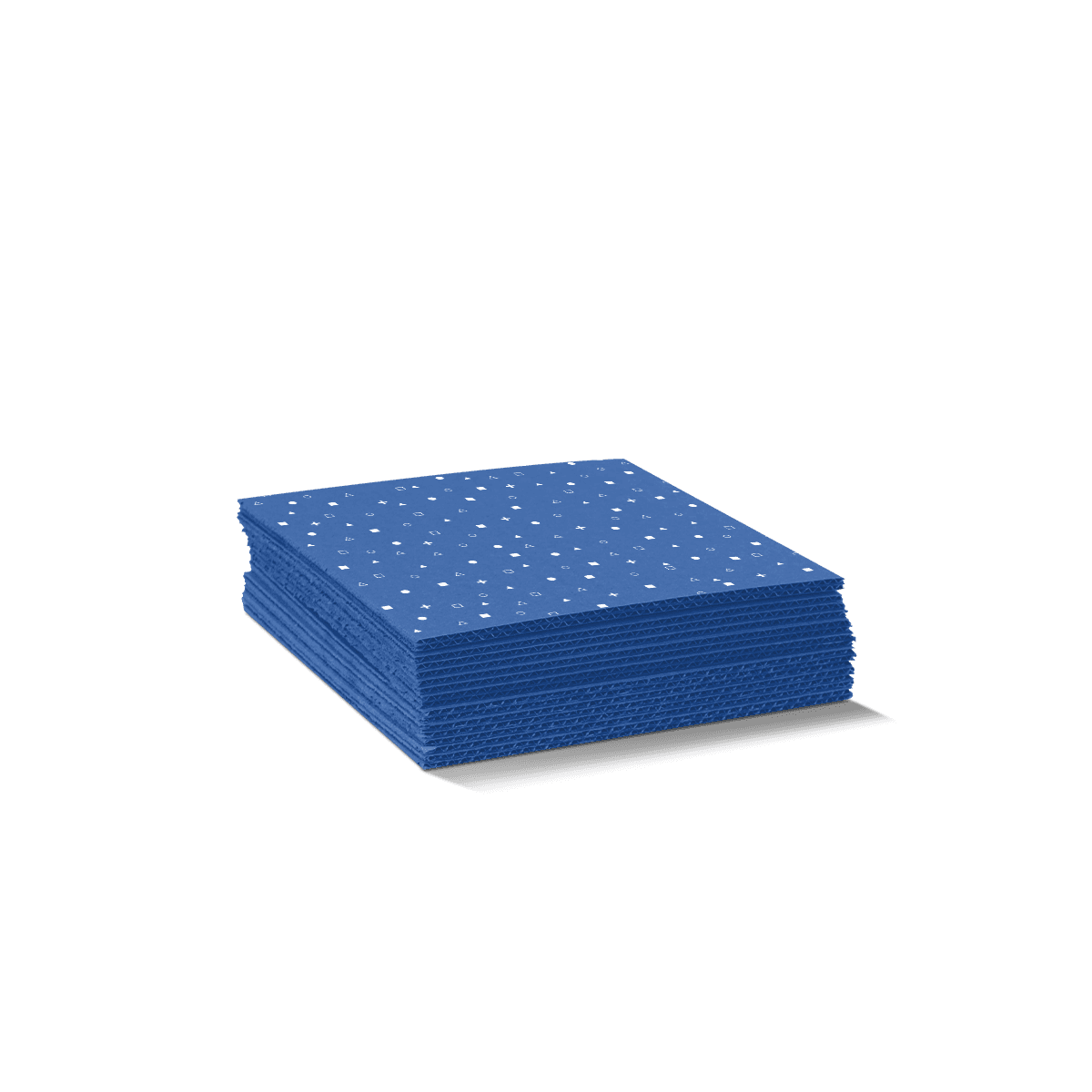
Layer pads create a flat protective layer between products, trays or stacked rows inside cartons and transit packs. They suit loads that need cleaner weight distribution, less surface rubbing and steadier packing across storage, dispatch and pallet movement.

Free Design Support

Clear Pricing

Flexible Quantities

Unlimited Customization

Premium Materials

Offset Precision

Free Shipping

Quick Turnaround

About

When products are packed in tiers, the weak point is often the pressure between one layer and the next. Items can rub, labels can mark and the full load can become less stable as the carton moves through packing, storage and delivery. Layer pads are designed to solve that problem. They sit horizontally between rows or levels of products to create a cleaner load surface, spread weight more evenly and reduce direct contact. This makes them especially useful for bottles, jars, tubs, boxed goods, candle vessels and grouped retail units that need to be stacked without damaging the products underneath.

This option becomes stronger when the pack layout is built around vertical stacking rather than side-by-side compartments. A layer pad can help separate trays, support repeated product rows and make the inside of the carton easier to load in a consistent sequence. Compared with box dividers, which split a carton into standing sections, layer pads are better suited to tiered packing where products sit above and below one another. Compared with corrugated box inserts, they offer broader flat coverage instead of product-shaped support. Before ordering, confirm the carton footprint, layer count, product weight, compression risk, whether the load travels upright, any moisture exposure and whether the board must cover the full pack area or only selected sections. Those details determine the right board grade, thickness and cut pattern.

Why This Packaging Performs

  • Spreads pressure more evenly across stacked rows and product layers

  • Reduces scuffing between items packed above and below each other

  • Helps keep cartons and trays more stable during handling

  • Supports faster repeat loading in tiered packing formats

  • Adds paper-based separation without loose internal filler

Custom Build and Finish Options

Board Grade Choice

Select solid board or corrugated strength around product weight and stacking pressure.

Full or Partial Coverage

Pads can cover the whole carton base or only key contact areas.

Tailored Sizing

Cut sizes are matched to carton footprint, tray dimensions and product arrangement.

Cut Features

Add corner cuts, slots or handling details where pack loading needs them.

Surface Protection

Choose the right board finish for cleaner contact and steadier stacked support.

Market Insight

As fulfilment teams look for faster ways to protect grouped loads without overcomplicating the pack, flat board components are doing more work inside cartons than they once did. Layer pads fit that shift well because they improve stack control without turning the interior into a complex insert system. They are especially useful where products are packed in repeated rows, nested trays or pallet-ready cartons that need to stay stable through storage and distribution. In those settings, the value of a layer pad is not visual decoration. It is consistency. A flat separator can help preserve label condition, reduce load transfer between tiers and keep the carton easier to assemble at speed. For brands shipping multi-unit cases or stacked retail packs, that simple internal layer can make the difference between a tidy arrival and a carton that looks unsettled by the time it is opened.

Best Use Cases

  • Bottles, jars or tubs packed in stacked rows inside transit cartons

  • Candle vessels layered in cases with flat separation between tiers

  • Boxed food or retail units loaded in repeat levels

  • Product sample packs using trays or shelves inside one outer carton

  • Pallet-ready cartons needing steadier internal load distribution

FAQs

Confirm the outer carton dimensions, the number of layers in the pack and the weight resting on each pad. It also helps to check whether the products sit directly on the board or inside trays, how the load is stacked and whether the carton faces long storage or repeated handling. Those points guide the board grade and cut size.

Layer pads are the better choice when products are packed in levels, with one row sitting above another. Box dividers are better when items need vertical side-by-side separation within the same layer. One manages stacked loading and flat pressure spread, while the other creates standing sections across the carton interior.

Yes, provided the board strength matches the actual load. For heavier products, the pad may need a stronger corrugated construction or a thicker board so it does not flex under pressure. If the pack faces demanding transport, stacking tests and real load weights matter more than choosing a pad by appearance alone.

Yes. They do not have to be plain stock sheets in one standard size. Layer pads can be cut around tray footprints, stepped layouts or unusual carton shapes so the support sits where it is actually needed. This is useful when a pack combines trays, grouped units or offset loading positions.

No. They are commonly used inside cartons, but they can also help between layers on trays, shelf-ready loads and palletised product groupings. The main requirement is that the board matches the layout and compression demand. Where the load is especially complex, a layer pad can also be combined with other internal components.

Related Industry Packaging

Process

How it works

Simple steps from idea to delivery

01

Tell Us Your Specs

Custom packaging boxes

Tell Us Your Specs

Provide size, quantity, printing, and finishes.

02

Get a Fast Quote

Custom packaging boxes

Get a Fast Quote

Instant transparent pricing, no hidden fees.

03

Design and Approval

Custom packaging boxes

Design and Approval

Artwork checks, revisions, and final sign-off.

04

Produce

Custom packaging boxes

Produce

Expert manufacturing to meet deadlines.

05

Ship to Your Door

Custom packaging boxes

Ship to Your Door

Hassle-free, flexible delivery options.

Start Your Bespoke Packaging Quote

Share your product details, dimensions, quantity and artwork needs. We’ll help choose the right packaging style and send a clear quote.