Skip to content
Details

Custom Box Dividers

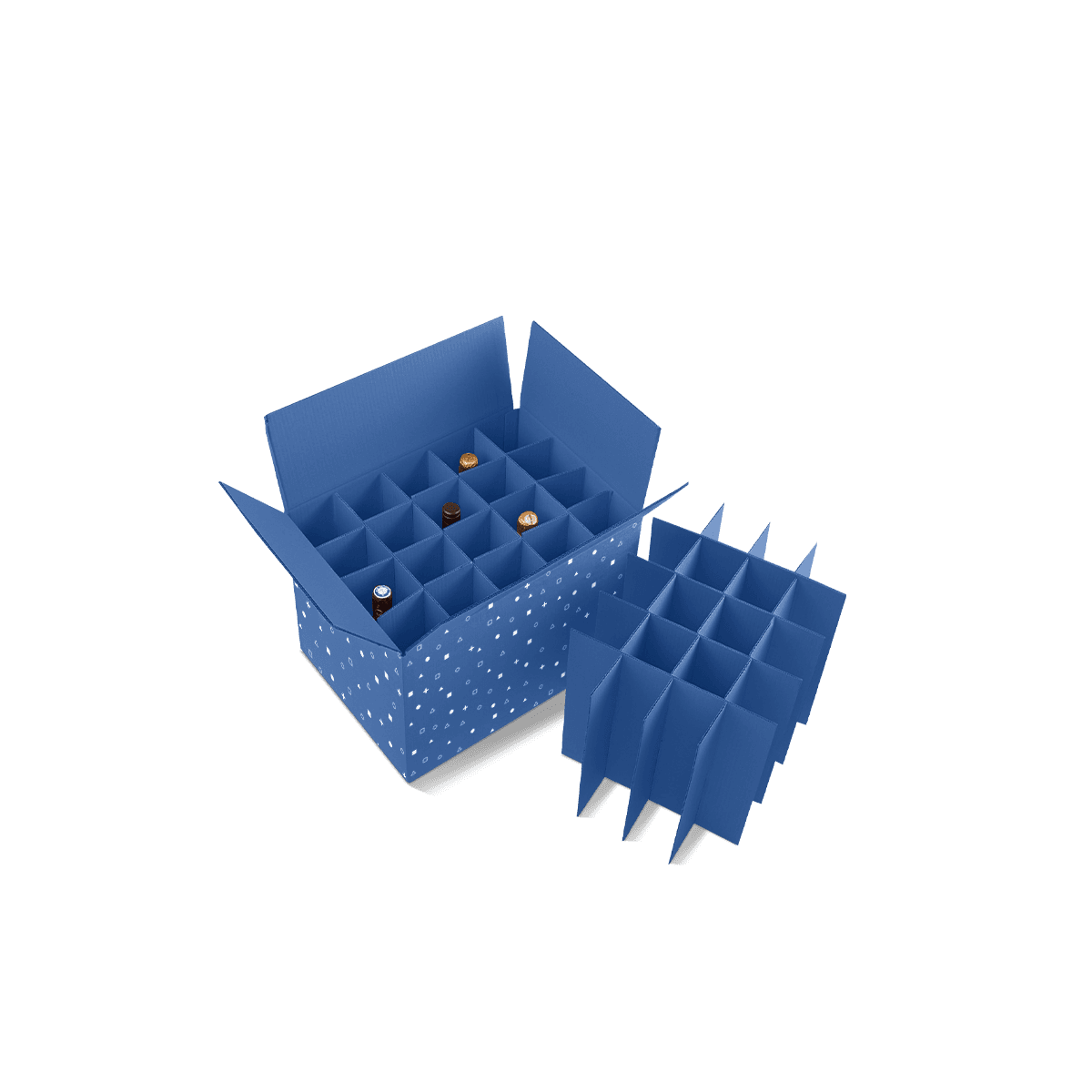
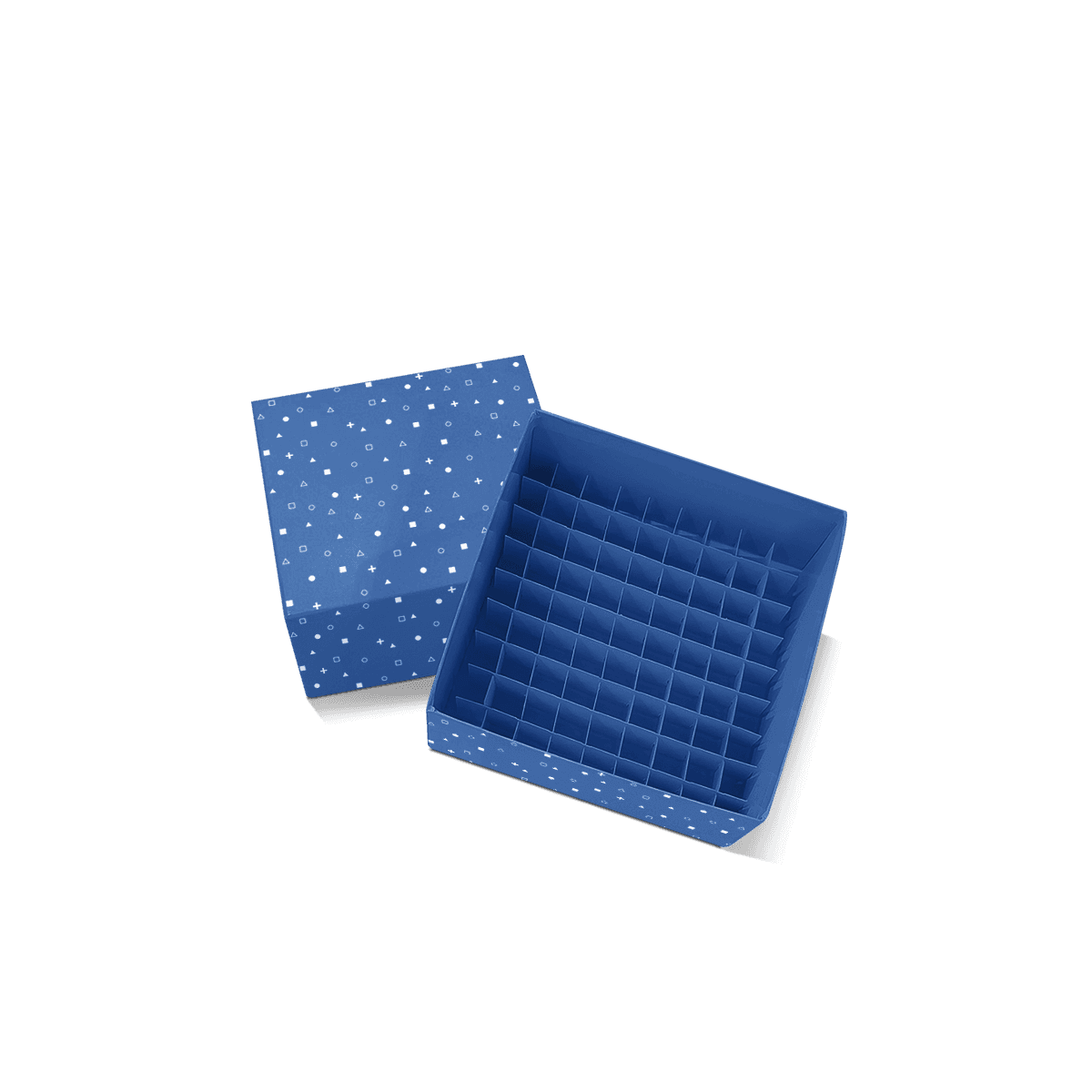
Box dividers separate products inside the same pack so each item stays in its own section during packing, storage and delivery. They suit multi-item cartons where order, spacing and breakage control matter more than a single shaped insert.

Different Products Need Different Spaces

Four products inside one carton do not necessarily need four equal compartments. A jar, tube, boxed accessory and small bottle can travel together while requiring very different amounts of space around them.

Custom Box Dividers create straightforward vertical separation inside an outer box so products are less likely to touch, rub or move into one another. Their strongest use is a mixed or adaptable layout where each compartment can be sized around the item occupying it rather than around a repeated grid.

That makes them useful for product sets, accessories, jars, cosmetics, candles, samples, components and grouped retail goods. The divider can organise the contents without requiring a precision-shaped cavity around every product.
Map the Compartments

A divider layout should begin with the space available inside the finished box and the footprint of every product in its packed condition.

Work From Internal Dimensions

External carton dimensions include material thickness and do not tell you how much usable space remains inside. Divider strips must fit the actual internal length and width once the carton is assembled.

If the outer carton is still being developed, Custom Product Packaging allows the divider arrangement and box dimensions to be resolved together instead of squeezing an internal layout into an arbitrary stock size.

Draw the compartment map from above. Mark each item's widest point and include lids, caps, sleeves, labels and other features that alter its true footprint.

Allow Removal Space

A compartment should stop unwanted contact without turning the product into a friction fit.

A jar may need room for fingers beside its shoulder. A small accessory may need enough exposed edge to lift it cleanly. A carton with several closely spaced items can become frustrating if removing the first product requires disturbing everything around it.

Clearance is therefore partly about movement and partly about access.

Choose the Wall Height

Divider height determines which parts of neighbouring products are actually kept apart.

Separate the Contact Zones

A divider does not always need to reach the full product height. It needs to stand high enough to interrupt the surfaces most likely to collide.

For two jars, that may mean separating the main glass bodies. For boxed components, a lower divider may be enough because the products already have stable rectangular sides. Taller walls become more useful when items can lean towards one another or vulnerable surfaces sit higher up.

Using unnecessary height consumes material and can make products harder to grip without adding useful separation.

Leave Headroom Unblocked

A divider should not interfere with the lid, closing flaps or top protection.

Tall partition walls can buckle if they are trapped beneath closing panels. They may also create pressure on products whose closures stand above the main body.

Confirm divider height with the complete carton closed, not only with the products displayed in an open box.

Mixed Loads Need Flexible Cells

The main advantage of Box Dividers is that the internal spaces do not have to repeat.

Unequal Cells Are Useful

A skincare set might contain one jar, two slim bottles and a boxed applicator. Giving all four items identical compartments would waste space and may allow the smaller products to move excessively.

Variable spacing can allocate more room where it is physically needed while keeping the complete carton compact.

For repeat products arranged in a uniform grid, Cell Dividers have a clearer purpose. They suit matching jars, bottles or units where the same cell dimensions repeat across the carton.

One SKU Change Can Shift the Grid

Changing one component can affect several compartments.

A wider cap may push one divider wall sideways. That wall then reduces the space available to the neighbouring product, which can alter another cell even though that second product never changed.

For mixed sets, review the complete cell map whenever a bottle, jar, sleeve or secondary carton changes size. Do not check the altered item in isolation.

Simple Dividers Have Limits

A basic divider set is useful because it solves separation without unnecessary internal engineering. That simplicity also defines where another method makes more sense.

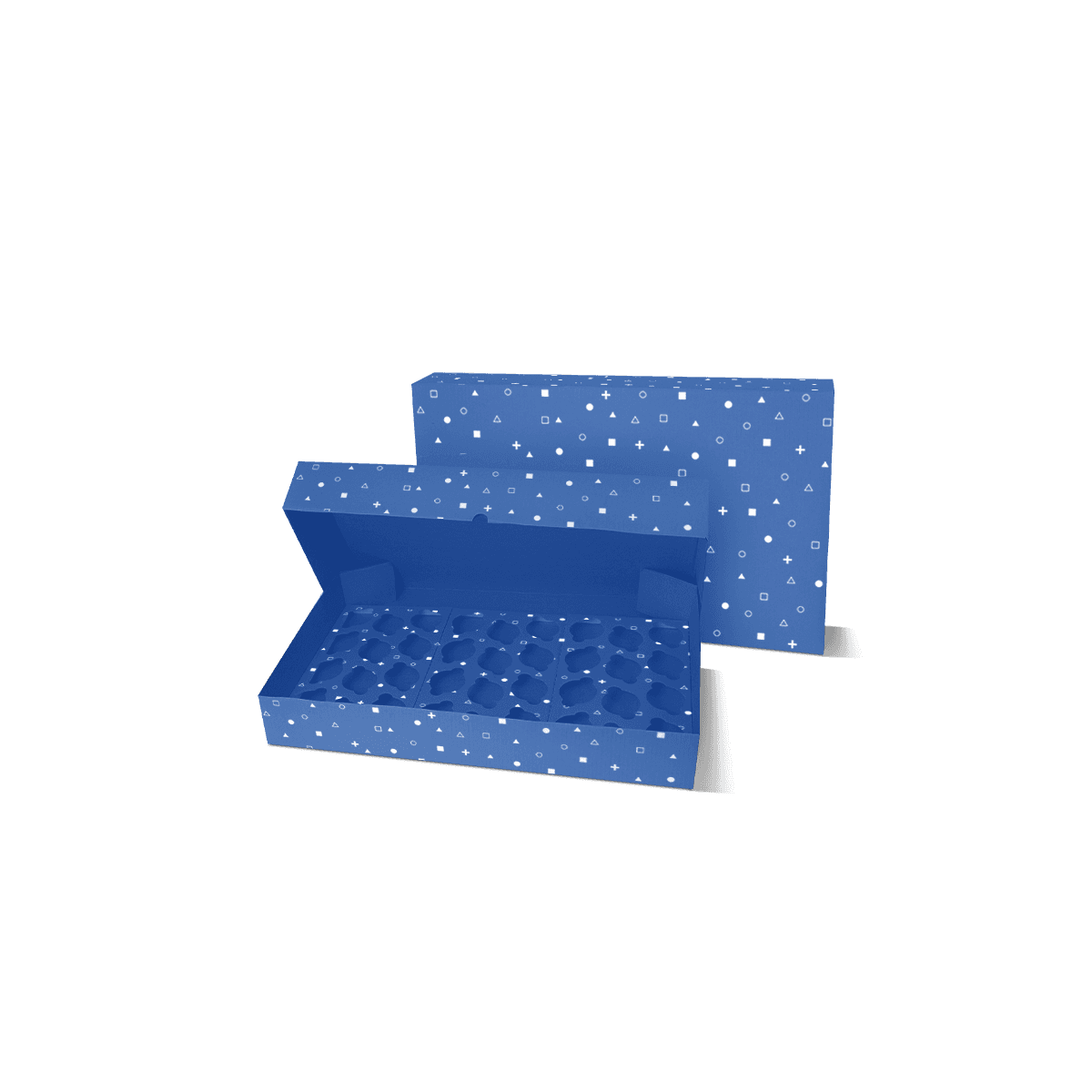
If a grouped load needs a more fixed interlocking framework, Partition Inserts can provide more structured internal control. Where locked punched slots are central to assembly and repeat-unit stability, Punch Partition Inserts take that idea further.

For bottles where glass geometry, neck clearance and repeated upright cells dominate the specification, Bottle Dividers should take priority over a generic mixed-product layout.

Choosing the simplest structure that solves the actual movement problem usually produces an easier packing process than adding complexity by default.

Material Follows the Job

Divider material should suit product weight, carton depth and handling pressure.

Solid Card for Lighter Sets

Paperboard and solid card can work well for lighter products, retail sets and presentation-led interiors where the main job is stopping surfaces from touching.

Slim material also preserves more usable compartment space, which can matter inside smaller cartons.

Corrugated for Transit Pressure

Corrugated material adds thickness and stiffness when products are heavier or delivery conditions place more pressure on the internal walls.

When the requirement moves beyond separation towards supporting substantial weight, Corrugated Box Inserts can create stronger load-bearing support rather than expecting vertical divider strips to do every job.

The divider material should solve the contact risk without taking unnecessary space away from the products.

Assembly Time Matters

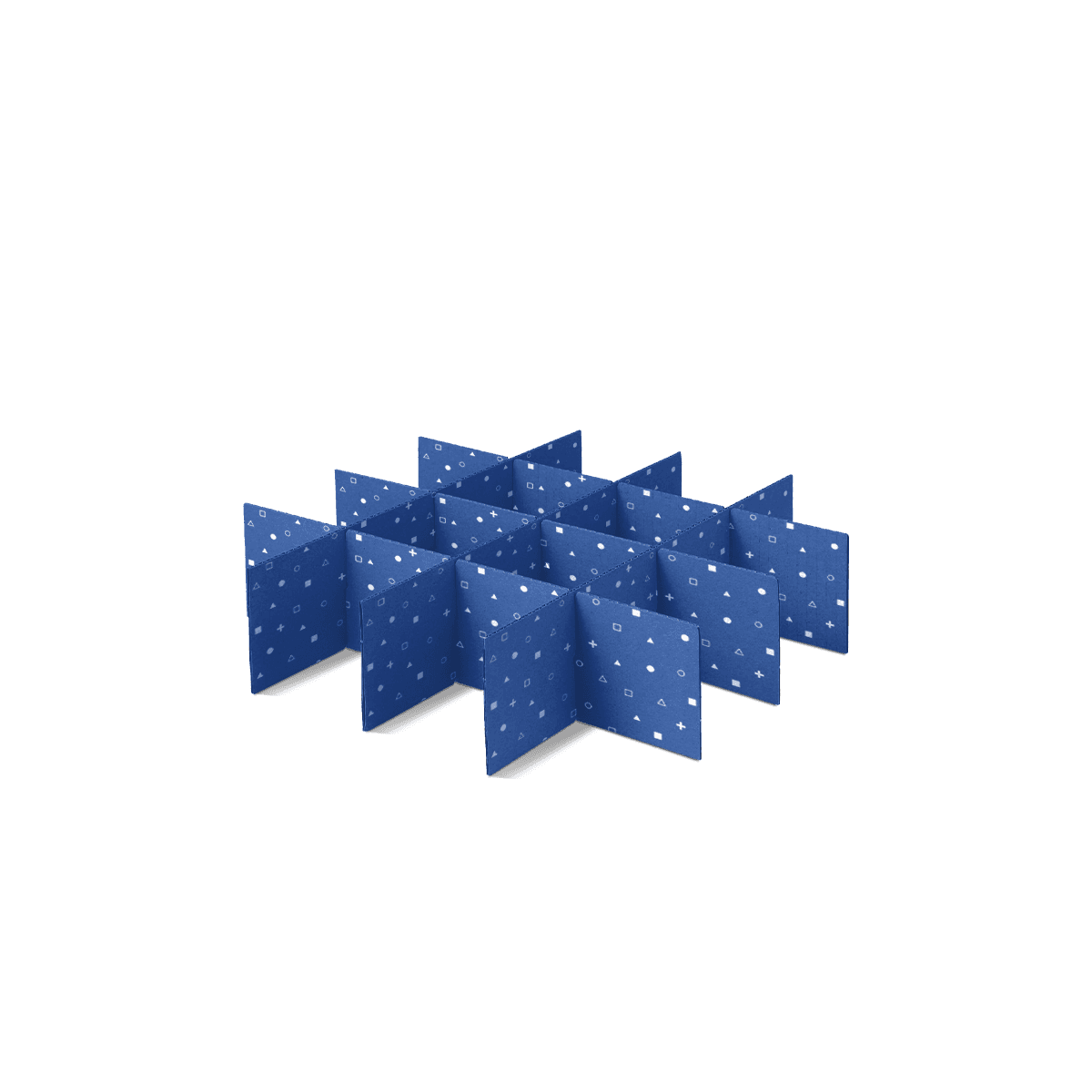
Divider sets are often supplied as slotted pieces that intersect to create the finished compartments. That makes storage efficient, but the assembly process still affects real packing cost.

Flat Storage Has Value

Unassembled divider components occupy much less storage volume than completed grids. This can help when large quantities are kept near a packing station or supplied for repeat orders.

The trade-off is assembly labour. A divider with several crossing strips may be easy once the operator knows the sequence but awkward if every batch requires interpretation.

Make Orientation Obvious

A mixed layout should have an obvious direction.

If the divider can be inserted into the carton backwards, staff may accidentally place the large compartment on the wrong side. An asymmetrical cell plan, simple mark or clear assembly method can reduce that risk.

At higher packing volumes, repeatability matters more than making one sample look tidy.

Side Separation Is Not Full Restraint

Divider walls are good at preventing neighbouring products from colliding. They do not automatically stop products moving upwards.

A bottle can sit inside a neat compartment and still rise several centimetres if the carton is inverted. A short jar can jump inside a deep box even though its side clearance is controlled perfectly.

The fragile packaging decision becomes useful when breakage is still occurring despite good separation. It helps identify whether the remaining risk comes from the outer carton, vertical movement, product weakness or several issues at once.

Box depth, top clearance and any upper pad or restraint should therefore be checked separately from the divider grid.

Box and Divider Must Agree

The divider should not be treated as an accessory added after the outer carton has been ordered.

A divider set that is slightly oversized can bow the carton walls or distort its own cells. One that is undersized can move as a complete grid, defeating the purpose of carefully planned compartments.

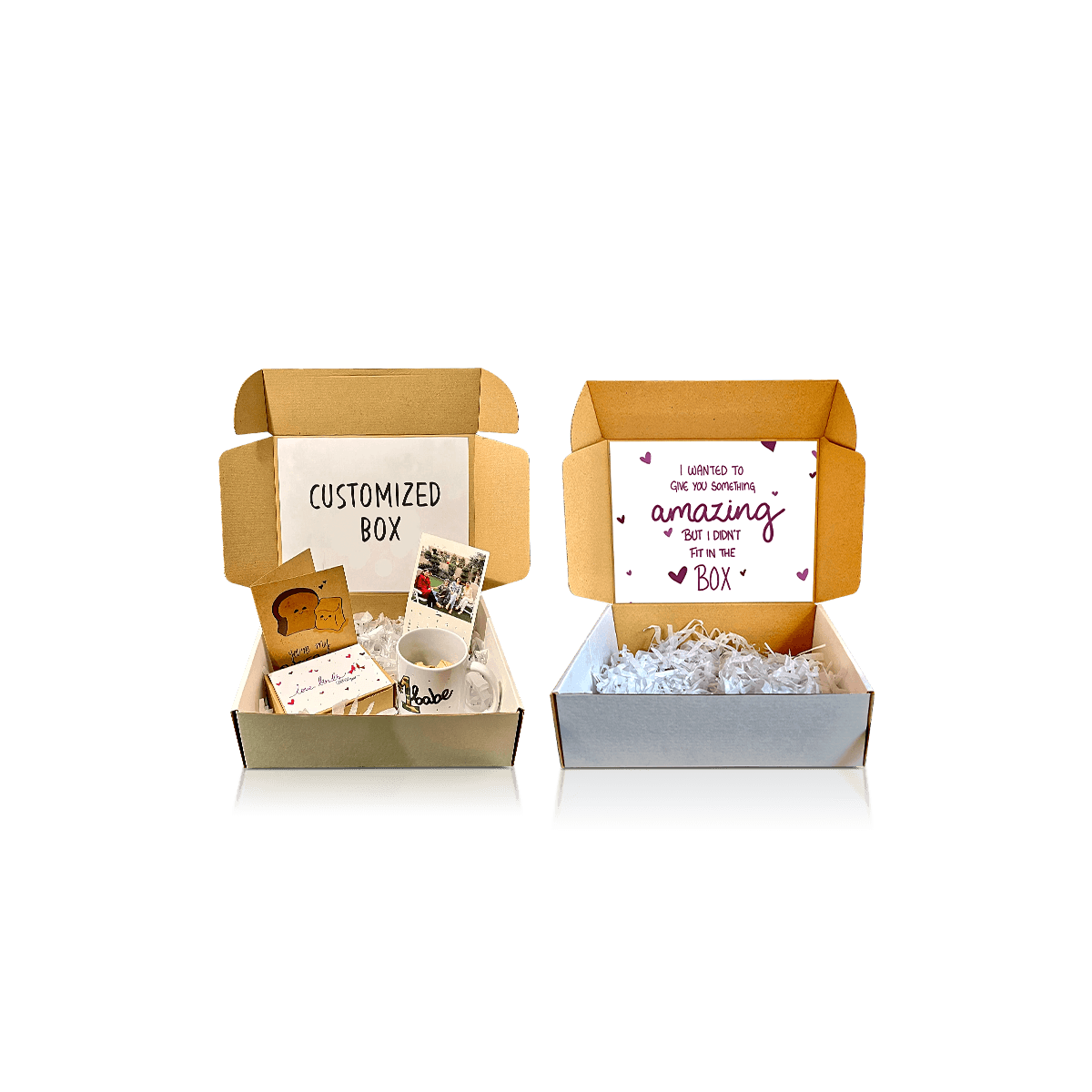
If the outer structure is still open, Custom Boxes can be sized around the finished products and internal separation together. For transit cartons carrying heavier grouped goods, Shipping Boxes can handle the external load while the divider manages contact between the contents.

Custom Packly can coordinate sizing, internal structure, dielines, mockups and the outer carton through one experienced packaging team. That becomes useful when changing one dimension affects several components at once.

Stacked Products Need Another Axis

Vertical compartments solve side-by-side separation. They are less useful when products are arranged in two or more horizontal levels.

A second tier can place weight directly onto the products underneath unless the load is separated properly. Layer Pads sit horizontally between levels, helping separate stacked rows and spread pressure over a flatter surface.

Some cartons need both: dividers across each level and pads between levels.

The distinction is simple. Divider walls organise the carton from side to side. Pads manage separation from top to bottom.

Print Only What Customers See

Many dividers spend their entire life inside a transit carton and do not need decorative printing.

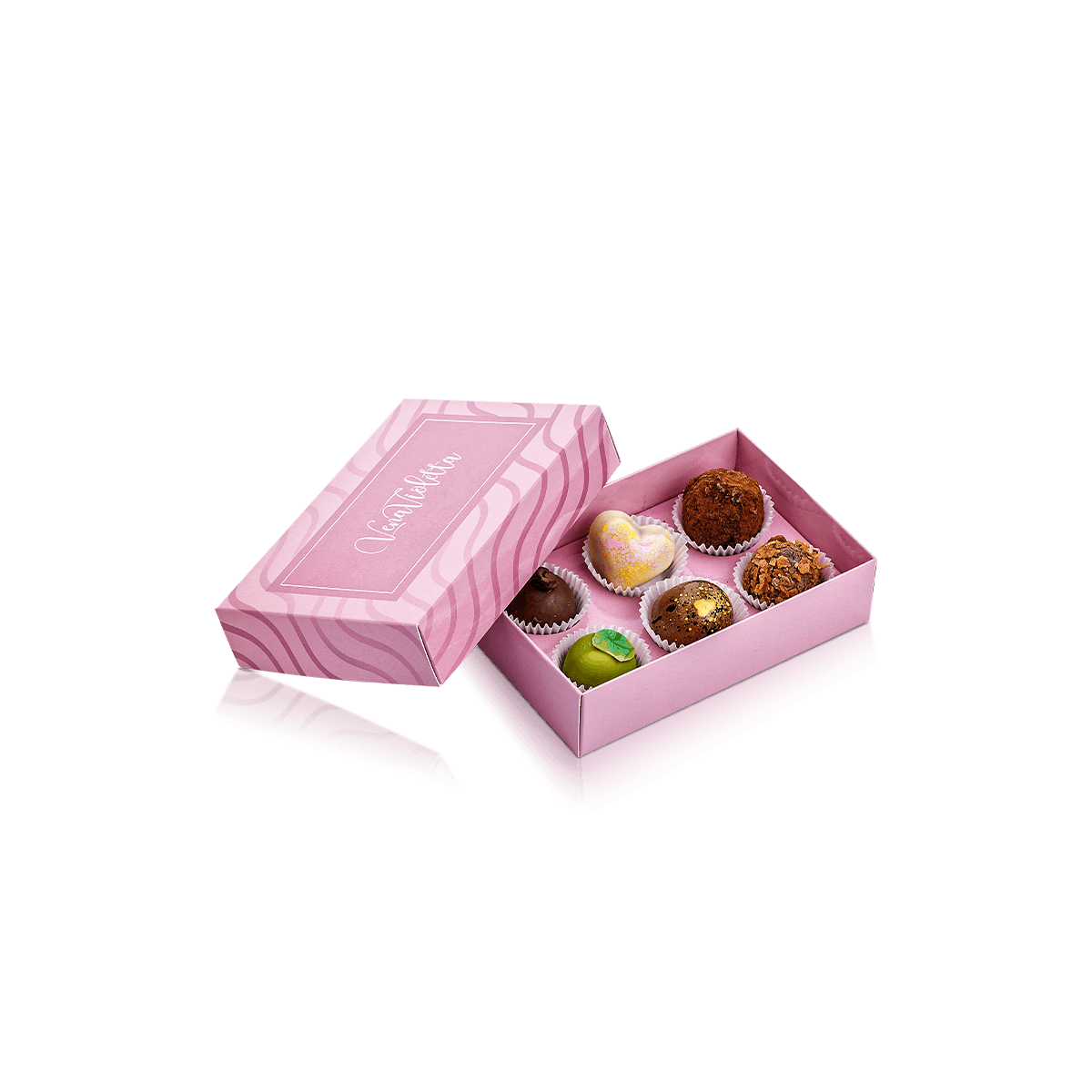
Visible dividers inside gift sets or retail presentation boxes can carry colour, simple product identifiers or restrained branding. Premium offset printing makes sense when exposed surfaces need controlled colour or detailed artwork, but hidden slotted strips rarely benefit from elaborate finishing.

If different products must always enter specific compartments, small printed identifiers can also help packing staff. Functional print can be more useful than decorative print in a mixed set.

Any artwork should stay clear of slots and intersections where assembly can break visual continuity.

Approve the Cell Map

A divider layout is easiest to understand from above.

Mock Up the Arrangement

A free 3D mockup can show the position and relative size of each compartment before production. For mixed sets, it helps reveal obvious spacing problems such as one oversized cavity making the remaining products feel cramped.

The physical logic still needs to be based on real product measurements. Packaging design for a product reinforces the same principle: dimensions should come from the finished object, including closures, wrapping and other components that alter its packed size.

Test the Actual Products

Place the products into the assembled divider and check more than whether they physically fit.

Lift the carton. Tilt it. Remove items in the expected order. Confirm labels are not rubbing against divider edges. Check whether tall products lean over low walls and whether a small item becomes difficult to retrieve between larger neighbours.

Free sample examples can help assess material and print direction. Exact product interaction should be validated against the real dimensions and weight of the goods being packed.

Send a Top-Down Cell Sketch

The most useful brief for Custom Box Dividers is a simple plan view of the carton.

Draw the inside rectangle of the box and place each product where it should sit. Label the products and add their maximum width and depth. Show which items may touch a divider, which surfaces need clearance and any compartment that should remain deliberately larger for easy removal.

The sketch does not need to be technical artwork. Even a clear hand drawing or photograph of the products arranged on a table can establish the intended cell pattern.

Send that layout through the custom packaging quote. Instant pricing can then begin from the real compartment requirement instead of treating a mixed set as four equal spaces simply because four products happen to be inside.

FAQs

Confirm the number of items in each pack, the dimensions of every product and the size of the outer carton. It is also worth checking whether all sections need to match, how much movement is acceptable and whether the pack will travel upright or on its side. Those points shape the divider spacing and board choice.

Yes, they can work very well when the main need is to stop products touching each other inside the same carton. They are often used for jars, candles and similar items that need clean separation. If the contents are especially heavy or highly breakable, the divider may need stronger board or a move to a more reinforced partition structure.

Box dividers are usually the better option when the pack contains several items that need separating into sections. Cardboard box inserts are often better when one product or one coordinated set needs a more shaped presentation fit. In simple terms, dividers organise grouped contents and inserts tend to frame individual items more precisely.

Yes. A divider layout does not need to follow one repeated size across the full carton. Mixed section sizes can be created when the pack includes different products, accessories or literature. That approach is useful for gift sets and trial packs, though the layout should still keep the carton balanced and easy to load.

It depends on the weight, shape and transit conditions. Box dividers are a strong choice for general internal separation and organised packing. Partition inserts become the better route when bottles or glass containers need more reinforced separation and stronger load control. The main decision is how much structural protection the grouped contents actually require.

Process

How it works

Your Packaging Journey, From Idea to Production and Delivery

01

Tell Us Your Specs

Custom packaging boxes

Tell Us Your Specs

Provide size, quantity, printing, and finishes.

02

Get a Fast Quote

Custom packaging boxes

Get a Fast Quote

Instant transparent pricing, no hidden fees.

03

Design and Approval

Custom packaging boxes

Design and Approval

Artwork checks, revisions, and final sign-off.

04

Produce

Custom packaging boxes

Produce

Expert manufacturing to meet deadlines.

05

Ship to Your Door

Custom packaging boxes

Ship to Your Door

Hassle-free, flexible delivery options.

Get Your Quote for Custom Box Dividers

Share your product details, dimensions, quantity and artwork needs. We’ll help choose the right packaging style and send a clear quote.