Skip to content
Details

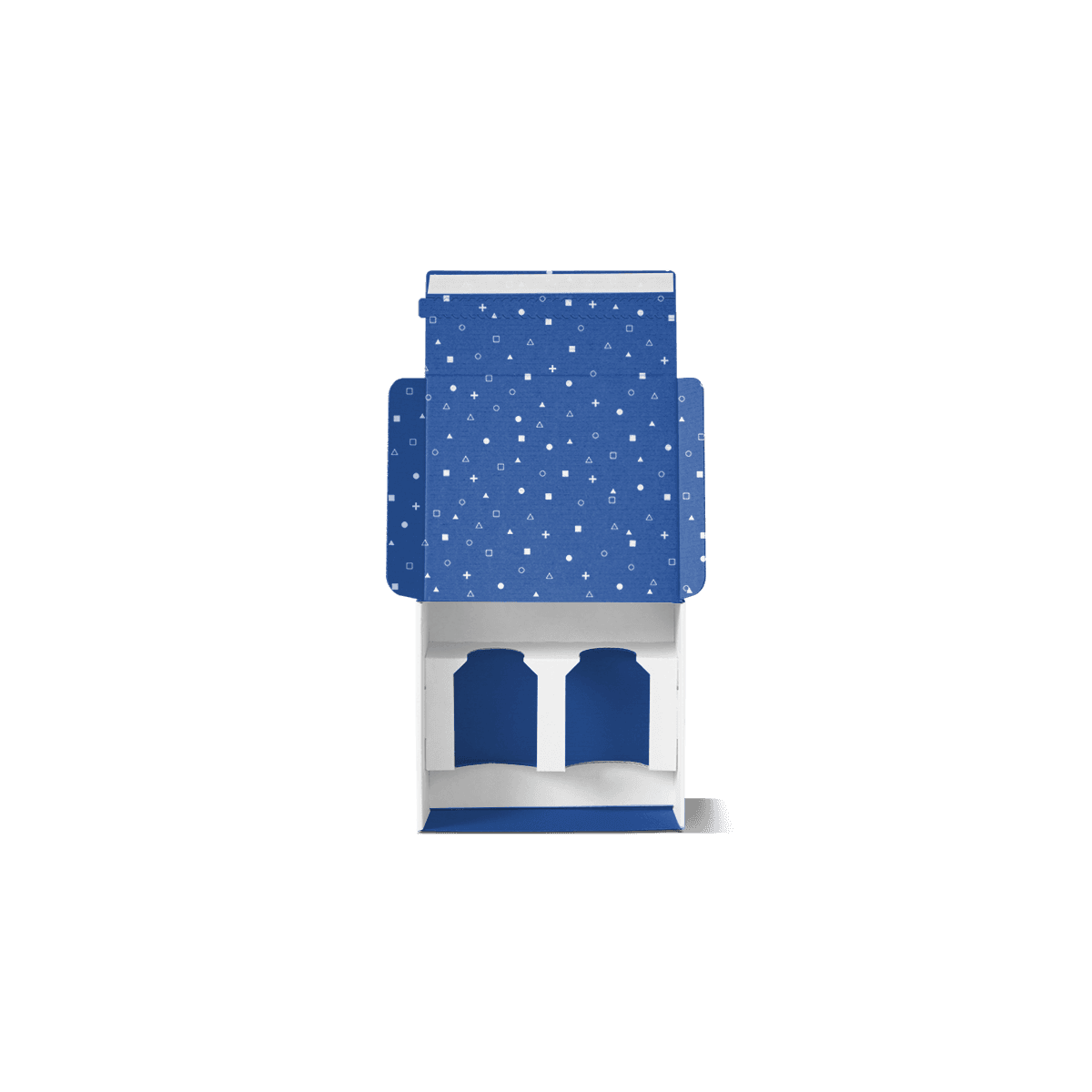
Custom Cardboard Cradle Inserts

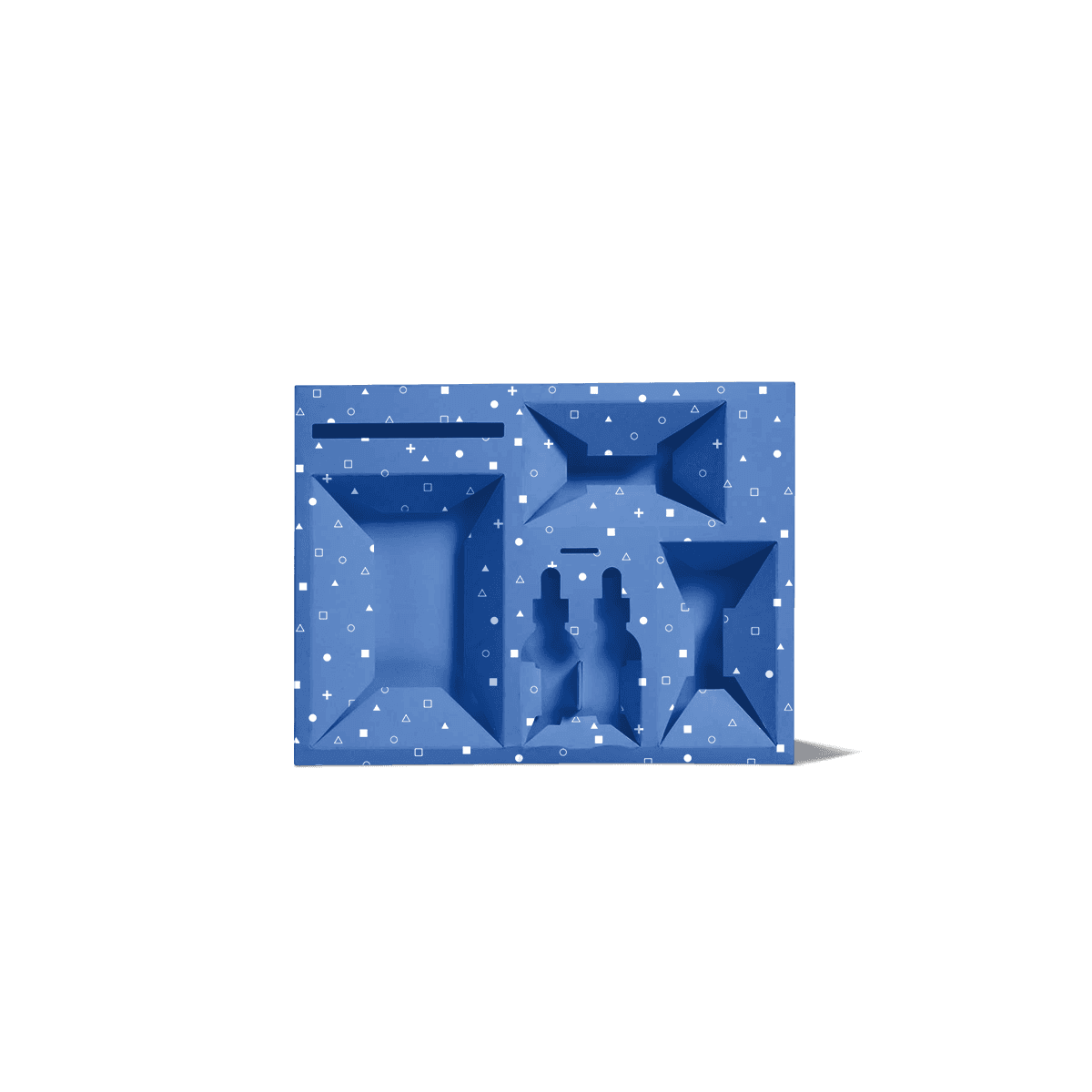
Cardboard cradle inserts hold a product in a shaped paper-based seat rather than a simple open cavity. They suit packs where position, presentation and underside support all matter, especially for single items or neatly staged product sets.

Support the Product Where It Carries Weight

A cradle can look beautifully shaped and still support the wrong part of the product. If the insert carries a fragile rim, decorative cap or narrow edge instead of a stable underside surface, the product may rock, tilt or mark itself even though the outline appears accurate.

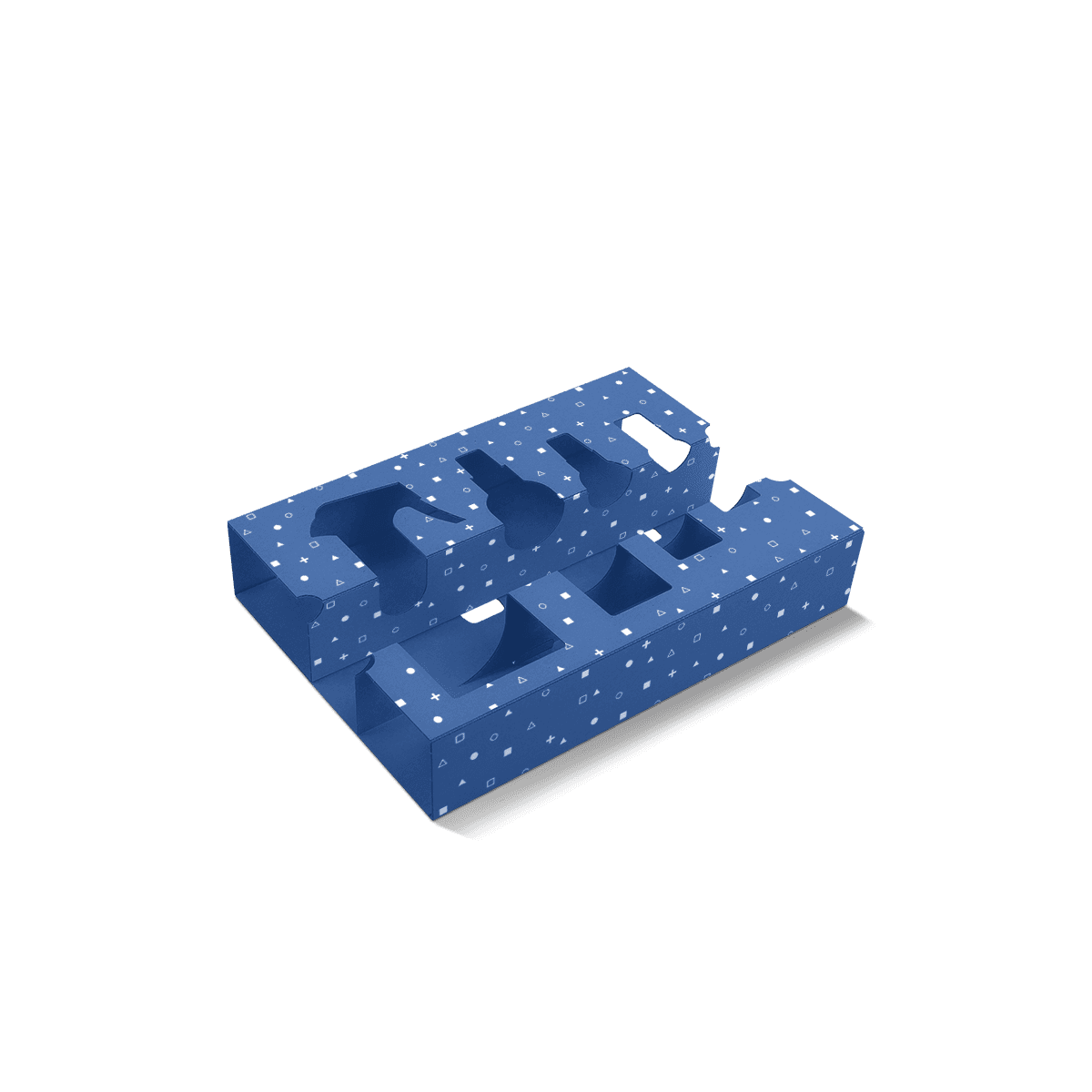
Custom Cardboard Cradle Inserts create folded paper-based supports beneath and around selected areas of a product. They are useful for jars, bottles, candles, devices, cosmetics and presentation pieces that need to sit at a planned height rather than drop into a flat aperture.

The defining decision is where the product should actually rest. A good cradle carries weight through stable contact points, leaves vulnerable features clear and keeps the item easy to lift out.
Find the Stable Contact Points

The underside of a product often tells you more about the cradle than the top view.

Carry Strong Surfaces

A flat base, sturdy housing or reinforced lower edge is usually a safer support point than a pump, glass lip, thin moulding or decorative trim. Curved products may need two or more shaped supports so the weight is shared rather than concentrated on one narrow strip.

For made-to-fit product packaging, the cradle and outer box can be developed around the real support points instead of forcing the product into a predetermined internal depth.

Leave Vulnerable Areas Clear

Labels, polished glass, coated surfaces, switches, connectors and moving parts may need deliberate air around them.

A cradle does not need to touch every part of the product to control it. In many cases, fewer well-placed contacts create a cleaner hold than wrapping card tightly around the complete profile.

Stop Rocking Before Tightening

Rocking usually means the support points are wrong, not automatically that the cradle is too loose.

A round jar with a slightly recessed base can wobble on a broad flat platform because the centre of the underside never makes stable contact. Adding more pressure around the sides may hide the symptom while making loading harder.

Use the Product’s Natural Rest

Place the item on a flat surface and note where it settles without being held. Those stable areas are useful starting points for cradle contact.

For irregular products, the support can be split across several folded ledges or shaped seats. The aim is to stop tipping without turning the cradle into a tight shell.

Check the Centre of Mass

Tall or top-heavy products may need support higher up or a slightly deeper seat so the centre of mass does not sit too far above the cradle.

A shallow raised platform can look attractive but become unstable if most of the product weight sits high above it. Presentation height and stability need to be resolved together.

Set the Seating Depth

The same product can feel completely different depending on how deeply it sits inside the cradle.

Raise for a Stronger Reveal

A shallower seat exposes more of the product when the box opens. This can suit candles, fragrance, skincare and premium electronics where the product itself should dominate the first view.

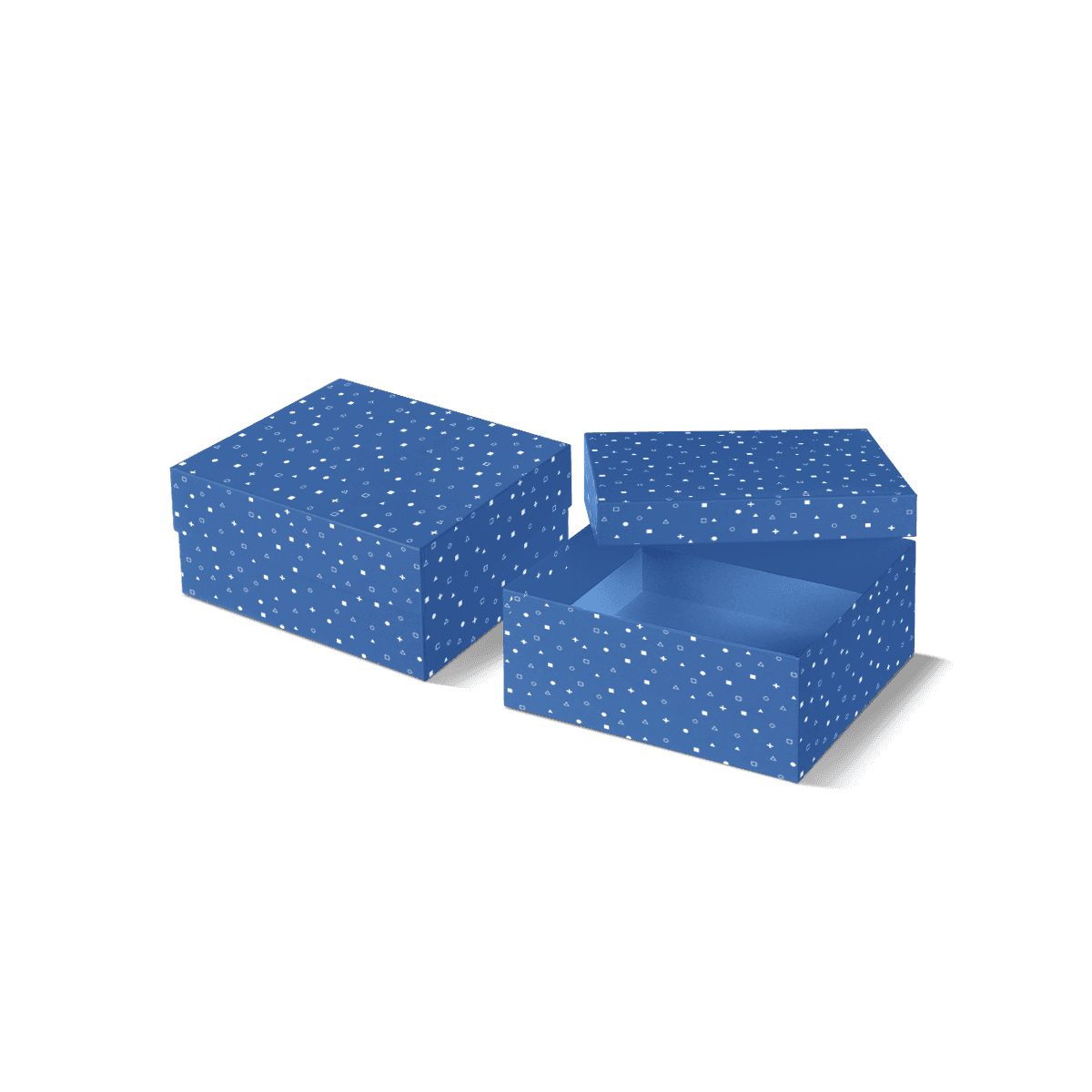
Rigid Boxes often use internal supports this way because the box depth, lid clearance and reveal height can be planned as one presentation system.

Lower for More Control

A deeper cradle can help reduce tipping and keep a taller product more contained. It may also give the outer box more visual depth around the product.

Going too deep creates another problem: the customer may have to reach into a narrow gap to remove the item. The useful depth is the point where stability improves without sacrificing access.

Free 3D mockups are useful here because the intended reveal height can be reviewed before production, especially when several components need to sit at different levels.

Cradle or Flat Aperture

Cradles and precision-cut inserts can both follow product shape, but they solve different physical problems.

Die Cut Inserts are the stronger starting point when exact aperture geometry, outline control, mixed cavities and precise reveal dominate the job.

A cradle becomes more useful when the product needs to be carried from underneath, raised above the base, angled deliberately or supported at selected lower contact points.

For lighter products that mainly need centring or straightforward folded restraint, Cardboard Box Inserts may achieve the same practical result with less internal shaping.

The decision should come from what the product needs physically, not from which insert sounds more premium.

If the product mainly needs separation rather than underside seating, Inserts and Dividers includes cells, partitions and pads that solve different movement patterns.

Angle Only with a Reason

A cradle can present a product flat, upright or slightly tilted, but an angle should solve a real presentation or access need.

Tilting a device towards the customer can expose a screen or control surface. Raising the front of a cosmetic jar can make the label easier to see. A fragrance bottle may benefit from a slight lift without needing a steep angle.

The steeper the product sits, the more carefully the lower stop and rear support need to carry its weight. An attractive viewing angle is not useful if the product slides forward or loads pressure onto a fragile feature.

Keep the product’s stable surfaces in contact and make sure the closed box still clears the highest point.

Leave a Clean Lift-Out Path

A cradle is only successful if the product can leave it without a struggle.

Give Fingers Somewhere to Go

Finger gaps, thumb notches or exposed sides should be planned around how the product will actually be lifted.

A heavy candle jar may need two-sided access. A small device may need one exposed edge. A smooth glass bottle can be difficult to grip if the cradle rises tightly around every side.

The removal feature should not weaken the main support wall or expose a vulnerable part of the product to pressure.

Avoid Suction-Like Holds

Very close paperboard contact around smooth products can make removal feel tighter than the dimensions suggest, especially where coatings increase friction.

A small amount of deliberate release clearance can make the opening experience feel more controlled than an aggressively snug seat.

Outer Depth Follows the Cradle

The assembled cradle becomes part of the packed product dimensions.

Folded legs, raised platforms and support walls all consume height. The outer box should therefore be sized around the product already seated in the finished cradle.

The practical method in sizing a tuck box with an insert is relevant here: measure the combined unit after the insert is formed rather than adding flat material dimensions to the product and hoping the closing panels still clear.

This matters particularly when the cradle raises the item above the base. The pack may need extra depth below the product for the support and enough clearance above it for the lid, flap or inner panel.

Presentation Is Not Transit Protection

A cradle can control position very well without providing all the protection a courier shipment needs.

If damage comes from the product striking the box walls, tipping or moving vertically, the cradle can be part of the solution. If the risk comes from outer-carton crushing, severe impact or a heavy product loading the paper support beyond its capacity, another structural change may be necessary.

The decision process for fragile product packaging helps separate internal movement from external carton strength.

For heavier products that need substantial fluted support rather than presentation-led paper seating, Corrugated Box Inserts should take priority.

Fold Geometry Controls Height

A cardboard cradle is created from a flat piece that has to become a stable three-dimensional support.

Creases, return folds and locking tabs determine how high the platform sits and whether both sides rise evenly. Small changes in fold position can alter product level or create a slight tilt.

The principles in packaging dielines and artwork setup still apply, but cradle dielines need extra attention to the assembled height and material take-up around each fold.

Custom Packly’s experienced packaging team can coordinate the cradle, outer box, dieline and product dimensions as one specification. That avoids one component being approved from flat geometry while another is developed from assembled dimensions.

Visible Card Earns the Print

Cradle inserts often expose more surface around a single hero product than divider grids do. That can make print useful, but only on the areas customers actually see.

A colour field around a candle or skincare jar can frame the product. A short instruction or product name can sit on an exposed platform. Hidden support legs and underside folds rarely need decoration.

Premium offset printing is useful when visible card needs controlled brand colour or fine artwork. Packaging customisation can be resolved after the contact points, fold structure and seating depth are approved.

Avoid placing fine artwork across deep creases or right beside shaped support cuts where production tolerance can become visually obvious.

Test the Seated Product

A flat drawing cannot show whether the real product rocks, presses against a delicate finish or feels awkward to remove.

Place the actual item into the cradle and check its position on a level surface. Press gently from different directions. Lift the complete box, tilt it and close it. Confirm the product returns to the intended position rather than settling against one side.

Free samples can help assess material and print quality. For a new cradle shape, the most valuable check is how the real product behaves against the proposed support points.

The packaging team should also watch the loading motion. If staff have to flex the cradle aggressively or thread the product through a narrow path, the support may be too complicated for repeat packing.

Preserve the Seating Geometry

Once a cradle works, the repeat specification should record more than length, width and height.

Keep the support-point locations, platform height, seating depth, fold positions, lift-out gaps and outer-box clearance with the approved structure. A small change to the underside of a jar, device housing or bottle base can affect stability even when the main external dimensions stay unchanged.

MOQ starts from 100 boxes, so the structure can be established for a launch before moving into larger repeat quantities. Once approved, Custom Packly provides guaranteed 4–6 working day production and delivery for repeat production.

The value of the approved cradle is consistency: the product should return to the same height, angle and support points from one run to the next.

Show the Underside

For Custom Cardboard Cradle Inserts, the most useful starting information is often the part of the product customers never see.

Send a side view and underside photo, then mark the surfaces that can safely carry weight. Show any recessed base, curved edge, projecting foot, connector or delicate finish that the cradle should avoid. Add the desired seating position: low, flush, raised or intentionally angled.

If an outer box already exists, include its internal length, width and depth. If it does not, the box can be sized around the seated product.

Send those details through the custom packaging quote. The first structural decision can then focus on the cradle itself: where the product should rest, how high it should sit and how the customer should lift it out.

FAQs

The most important points are the product’s true width, depth, height and the shape of the area the cradle will support. It also helps to confirm weight, surface finish, lid clearance and how the item should be lifted out. A small difference in profile can change how stable the seated fit feels.

Cardboard cradle inserts are often the better choice when the product needs to be seated and supported from underneath rather than placed in a flatter cutout alone. Die cut inserts can still work very well for precise cavities, but a cradle usually gives a more sculpted hold and a more staged internal presentation for one featured item.

Yes, that is one of its strengths. A cradle insert can be planned around jars, bottles, rounded accessories and other forms that do not sit neatly in a simple rectangular opening. The key is designing the support around the real profile and balance point of the item instead of relying on a rough outline.

Yes. They work inside rigid boxes, drawer boxes, folding cartons and mailer boxes when the product needs more controlled internal placement. In postal formats, the cradle should still be matched to the expected handling level. If the shipment is heavier or more demanding, extra board strength or a reinforced outer box may be needed.

Check where the cradle touches the item and whether any printed label, soft-touch coating, glass surface or decorative closure sits against the board. In some cases, a slightly looser fit or a different contact point is the better route. The aim is stable support without scuffing the visible finish.

Process

How it works

Your Packaging Journey, From Idea to Production and Delivery

01

Tell Us Your Specs

Custom packaging boxes

Tell Us Your Specs

Provide size, quantity, printing, and finishes.

02

Get a Fast Quote

Custom packaging boxes

Get a Fast Quote

Instant transparent pricing, no hidden fees.

03

Design and Approval

Custom packaging boxes

Design and Approval

Artwork checks, revisions, and final sign-off.

04

Produce

Custom packaging boxes

Produce

Expert manufacturing to meet deadlines.

05

Ship to Your Door

Custom packaging boxes

Ship to Your Door

Hassle-free, flexible delivery options.

Get Your Quote for Custom Cardboard Cradle Inserts

Share your product details, dimensions, quantity and artwork needs. We’ll help choose the right packaging style and send a clear quote.