Skip to content
Details

Custom Greaseproof Cone Sleeves

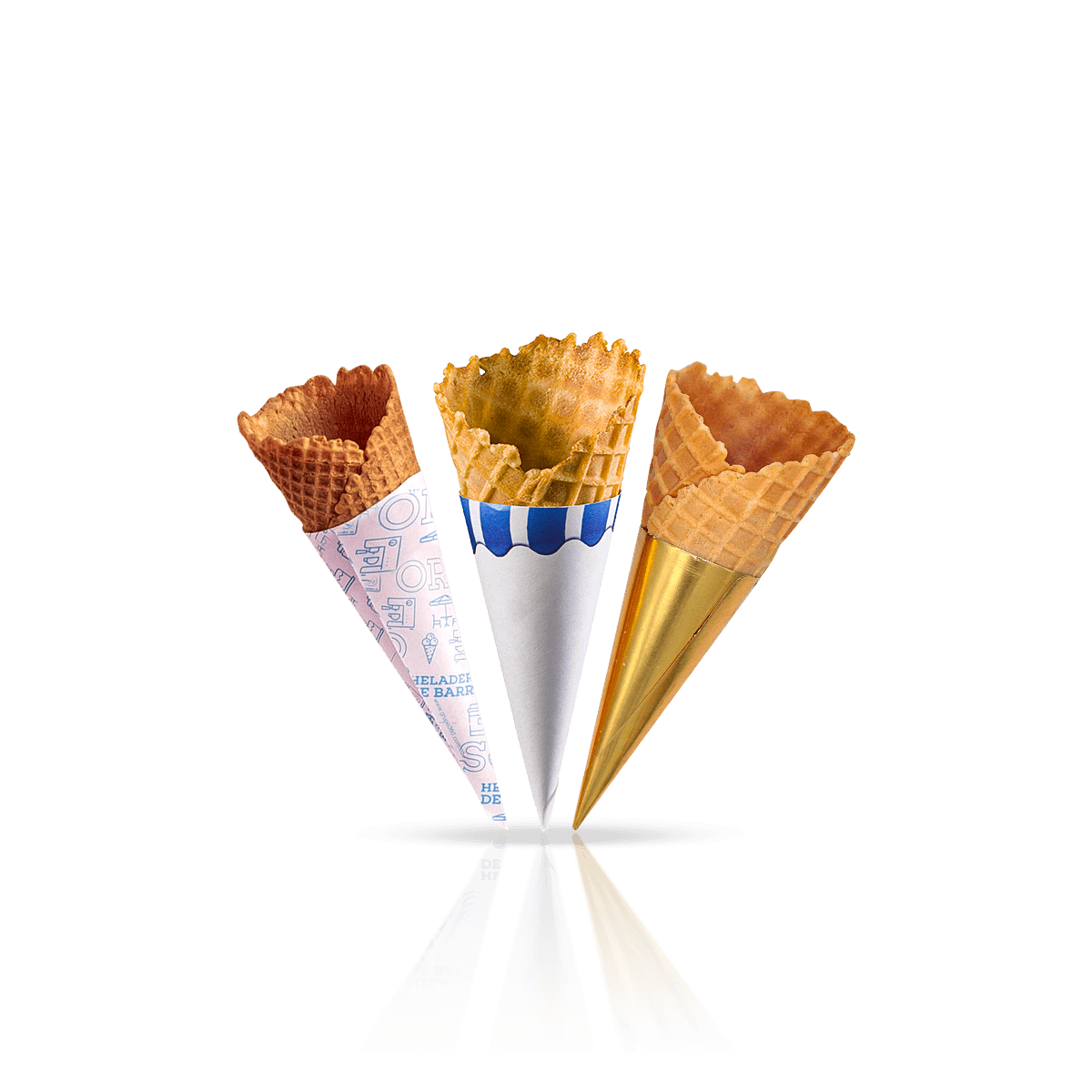
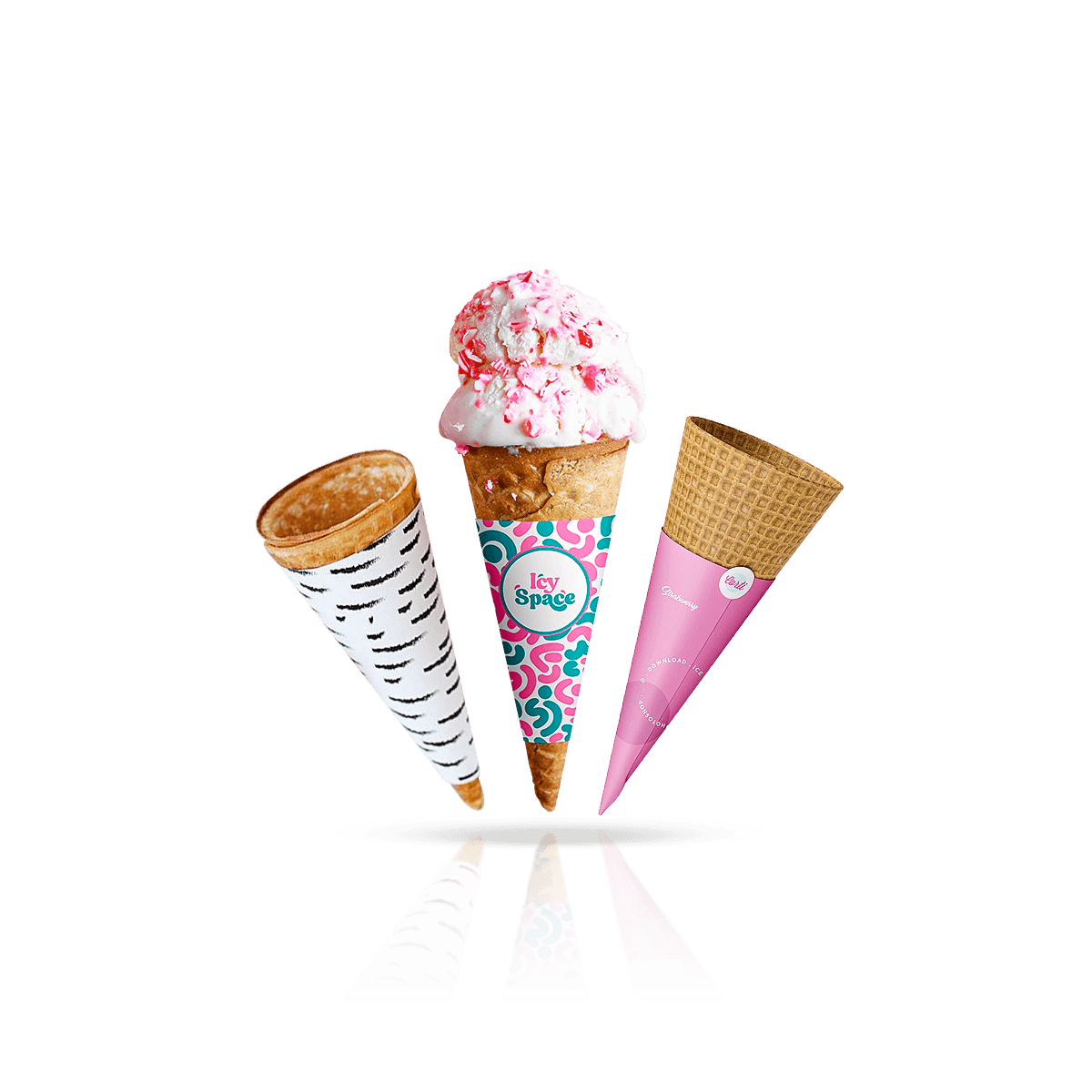
Greaseproof cone sleeves help keep cones easier to hold when oils, melted toppings or soft-serve contact can quickly mark plain paper. They suit busy dessert counters, takeaway service and outdoor events where clean handling matters as much as branding.

Stop Oil Reaching the Outside

Visible grease migration is the failure this sleeve needs to control. Oil moving through the paper can create dark translucent patches, soften the grip area and make otherwise clean printed artwork look poorly handled.

Custom Greaseproof Cone Sleeves are for servings where fat or oil genuinely reaches the paper during normal service. The specification should slow that migration for the amount, type and duration of exposure the menu creates without adding unnecessary barrier treatment.

That performance requirement gives this product its own job. Custom Printed Cone Sleeves should lead when artwork, taper and branded presentation are the main decisions. Greaseproof sleeves become the stronger choice when oil marking is the failure that needs solving.

Identify What Hits the Paper

“Messy food” is too vague for a material specification. Oil, melted ice cream, condensation and sauces can affect paper differently.

Fat Creates Grease Marks

Butterfat, chocolate, nut spreads, fried fillings and oily toppings can migrate into untreated paper and produce translucent patches.

The sleeve may remain physically intact while its appearance deteriorates. That matters because the sleeve sits directly in the customer's hand and often remains visible through most of the eating experience.

Water Is a Different Problem

Melting ice cream and condensation introduce water-based moisture. A stock that resists oil well should not automatically be assumed to resist prolonged wetting equally well.

Where the serving produces both grease and moisture, specify both conditions rather than describing the requirement only as greaseproof.

Custom Packly's cone sleeve cost breakdown makes the same distinction between grease-resistant treatment and moisture-resistant barriers. It also shows why coatings should be selected for the actual dessert rather than added automatically.

Test the Worst Regular Serving

Do not assess material around the cleanest cone on the menu.

If the business serves chocolate-dipped waffle cones, nut spreads, oily savoury cones or heavily sauced desserts, test the sleeve around that normal high-exposure item. It reveals more about the material requirement than a plain empty cone.

Put Protection Where It Works

The surface that receives contamination should drive the treatment.

A sleeve may need resistance on the inside because grease migrates from the cone towards the paper. In another application, the outside may need extra protection from dripping toppings or fingers that have already contacted oily food.

Inside Exposure Comes First

For a cone that releases oil directly into the sleeve, the inner face is the obvious risk area.

The stock or barrier should slow that migration before it reaches the printed exterior. Otherwise, the outer artwork may still become stained even though nothing has been spilled directly onto it.

Outside Drips Need Separate Thought

Chocolate sauce, melted toppings or oily fingers can mark the printed face from the outside.

An internal grease barrier alone does not automatically solve that surface problem. The outer print system and coating need to be selected for the expected contact.

This is one reason food-service material decisions should be made with the actual serving in front of the packaging team rather than by choosing a finish from a sample card.

Oil and Water Fail Differently

Grease resistance describes control of oils and fats. It does not mean the sleeve can remain wet indefinitely without changing.

Heavy condensation or prolonged contact with melting product can soften paper even when oil marking is controlled.

The takeaway packaging choices place grease, heat, steam and handling together because food packaging fails in different ways depending on the product.

For a dessert cone, ask two separate questions:

  1. Will oil or fat migrate into the paper?
  2. Will water-based moisture remain against the sleeve long enough to weaken it?

The answers can lead to a different stock or surface treatment than simply asking for “greaseproof paper”.

Match Barrier to Exposure

More barrier is not automatically better packaging.

If a dry sugar cone is served and eaten quickly with little oil exposure, an aggressive treatment may add cost without solving a meaningful problem. If a waffle cone regularly carries chocolate, nut butter, sauce or oily toppings, the barrier can protect both appearance and hand feel.

Match Treatment to Dwell Time

A cone eaten immediately has less exposure time than one carried around an event, cinema or festival.

The longer grease remains against the sleeve, the more important material performance becomes.

Match Treatment to Coverage

A tall sleeve has more contact area than a short grip band. If much of that area touches a greasy cone, material choice becomes more significant.

The Sleeve Packaging structure should still be selected around fit and coverage first. Grease resistance then solves the food-contact condition without dictating unnecessary extra material.

Direct Contact Needs Confirmation

Grease resistance and food-contact suitability are separate decisions.

A material can resist oil well without that statement alone proving that every paper, ink, adhesive or coating in the finished sleeve is suitable for the intended food-contact situation.

If the sleeve directly touches an edible cone or exposed food, state that before production. The exact contact location and expected exposure should be included in the specification.

Custom Packly holds major applicable UK and EU certifications. Where compliance matters, the requirement should be matched to the exact stock, printing system and intended use rather than relying on a broad “food-safe” description.

For a tray, tub or other prepared-food container rather than a cone, Food Packaging Sleeves address chilled conditions, lids, sealing films and container handling more directly.

Protect the Printed Face

Greaseproof performance is useful partly because the sleeve is a printed object. A barrier that keeps the paper intact but leaves the exterior blotchy has only solved half the job.

Solid Colours Reveal Marks Quickly

Large pale or uniform colour fields can make grease marks especially obvious. Patterned artwork may disguise small variation better, but the material should still perform properly rather than using graphics to hide failure.

Premium offset printing works well for stable high-quality artwork when colour, fine type and repeat consistency matter. The ink system should be selected with the stock and treatment rather than treated as an independent choice.

Coatings Can Change Appearance

An outer coating can alter gloss, colour depth and hand feel. It may also change how the sleeve behaves when customers grip it.

Use a finish because it supports print protection or branding, not simply because another cone sleeve used it.

The packaging customisation options can be coordinated with barrier stock, print and finishing so one layer does not undermine another.

Fit Still Comes Before Barrier

Grease resistance cannot rescue a sleeve that slips down the cone or crushes the rim.

The cone profile, upper grip diameter, lower diameter and sleeve height still determine the underlying tapered shape. Barrier choice changes the material specification after that physical fit is understood.

For broad, heavily topped servings, Custom Waffle Cone Sleeves deal with the large-cone geometry, loaded weight and serving position directly.

For standard scooped dessert service, Ice Cream Cone Sleeves focus on grip height, melting and quick counter handling.

Greaseproof Cone Sleeves should therefore not duplicate those decisions. This product owns what happens when oil reaches the paper after the fit has already been solved.

Kraft Needs the Same Scrutiny

Brown kraft can look natural and still need grease resistance.

The colour of the paper says nothing by itself about how quickly oil will migrate through it. Untreated kraft can show dark grease patches very clearly because the oil deepens the brown tone.

If natural fibre appearance is the main design decision, Kraft Cone Sleeves should set the print and colour direction first. Grease performance can then be specified for the menu.

Do not assume kraft is automatically less processed, more suitable for food contact or inherently grease resistant. Those claims need to come from the exact stock and treatment.

Service Time Changes Performance

A sleeve that looks clean for the first thirty seconds may behave differently after several minutes in a customer's hand.

Outdoor events, queues, cinemas and takeaway walks can extend contact time. Warm hands can also increase the effect of oil and moisture already on the paper.

Test Past the Counter

Prepare the normal serving, fit the sleeve and leave it in use for roughly the length of time customers normally hold the product.

Check the printed face, seam, grip area and lower edge rather than inspecting only the top.

Watch the Seam

Where the sleeve overlaps, grease can travel into exposed paper edges or collect around the join.

The seam should therefore remain secure and positioned where handling does not make the contamination worse.

A free 3D mockup can confirm artwork position, but physical service testing provides the useful evidence when grease performance is the main reason for choosing this sleeve.

Check Forming at Service Speed

Barrier-treated stock still has to move quickly through service.

A surface that is much stiffer, more slippery or harder to form can create a new operational problem even if it improves resistance to grease.

Staff should be able to take the sleeve, identify its front and apply it to the cone without forcing the material or slowing the queue.

The best specification balances four things: barrier performance, fit, print and service speed.

Treat barrier performance, fit, print and forming speed as one specification; optimising the coating in isolation can create a new problem during service.

Spend on the Failure Point

Grease-resistant material or coatings can increase production cost, but they should be judged against the failure they prevent.

The useful question is not “Does greaseproof cost more?” It is “Does ordinary paper develop visible marks during the normal serving?”

If the answer is no, additional treatment may be unnecessary. If the answer is yes, comparing an untreated quote with a properly specified grease-resistant sleeve is not a like-for-like comparison.

The custom cone sleeve pricing breakdown includes completed Custom Packly orders and explains how quantity, dimensions, coatings, tooling and artwork versions influence final pricing.

MOQ starts from 100, giving businesses room to order smaller quantities while a menu, cone supplier or printed identity is still changing.

To compare an untreated sleeve with the required barrier specification on the same cone, use the greaseproof cone sleeve quote with the food exposure clearly identified.

Approve the Messiest Menu Item

The final approval should use the food most likely to expose the sleeve's weakness.

If that is a chocolate-dipped waffle cone with sauce, test that. If it is a warm savoury cone releasing oil, use that. If the real problem is condensation from frozen dessert rather than grease, say so instead of specifying the wrong barrier.

Photograph the sleeve immediately after serving and again after the normal hold time. Mark where staining, softening or surface damage occurs.

Custom Packly provides guaranteed 4–6 working day production and delivery once the cone profile, barrier requirement and artwork are settled.

Record the Barrier Standard

Once the sleeve passes the messiest-menu test, record the exact stock, treatment, protected surface and normal exposure time that defined success. “Greaseproof” alone is too broad for reliable repeat production.

Keep the approved test note or used sample with the specification, especially if the menu changes between dairy, chocolate, oily toppings and savoury fillings.

A new food can create a different grease load even when the cone size stays the same. Re-check the barrier when the serving changes materially rather than assuming the previous specification still applies.

FAQs

It is worth choosing when the cone is likely to transfer oil, moisture or topping residue onto the sleeve during normal service. That often includes dipped cones, filled cones, soft-serve builds and longer-held takeaway servings. For very simple dry cones, a standard paper sleeve may be enough, but once contact conditions become messier the grease-resistant option usually performs better.

Start with the cone shape and the point where the hand actually sits. Then confirm sleeve height, overlap, grease exposure, holding time and whether the product includes sauces, warm fillings or heavy toppings. It also helps to decide early how much print coverage you need, because the stock, finish and artwork approach should match the real service conditions.

Yes, but the artwork should respect the stock and the available space. Bold logos, simple colour systems and short messages usually reproduce best on cone sleeves because the wrap area is small and the hand covers part of it in use. If the design needs dense graphics or stronger colour impact, confirm the print method and proof carefully before sign-off.

Greaseproof cone sleeves are the better choice when performance under oils, moisture or messy toppings matters most. Kraft Cone Sleeves suit a more natural paper look and lighter service conditions where the material feel is part of the presentation. If the cone is richer, warmer or held longer, the greaseproof version usually gives a cleaner result in real use.

They often can, provided the build remains paper-based and avoids unnecessary lamination, but used food packaging is always affected by residue after service. The material route should be checked against the actual coating choice and local waste handling. If recyclability is a key requirement, confirm the paper specification before production rather than assuming all grease-resistant sheets behave the same way.

Process

How it works

Your Packaging Journey, From Idea to Production and Delivery

01

Tell Us Your Specs

Custom packaging boxes

Tell Us Your Specs

Provide size, quantity, printing, and finishes.

02

Get a Fast Quote

Custom packaging boxes

Get a Fast Quote

Instant transparent pricing, no hidden fees.

03

Design and Approval

Custom packaging boxes

Design and Approval

Artwork checks, revisions, and final sign-off.

04

Produce

Custom packaging boxes

Produce

Expert manufacturing to meet deadlines.

05

Ship to Your Door

Custom packaging boxes

Ship to Your Door

Hassle-free, flexible delivery options.

Get Your Quote for Custom Greaseproof Cone Sleeves

Share your product details, dimensions, quantity and artwork needs. We’ll help choose the right packaging style and send a clear quote.