Skip to content
Details

Cardboard Sleeves

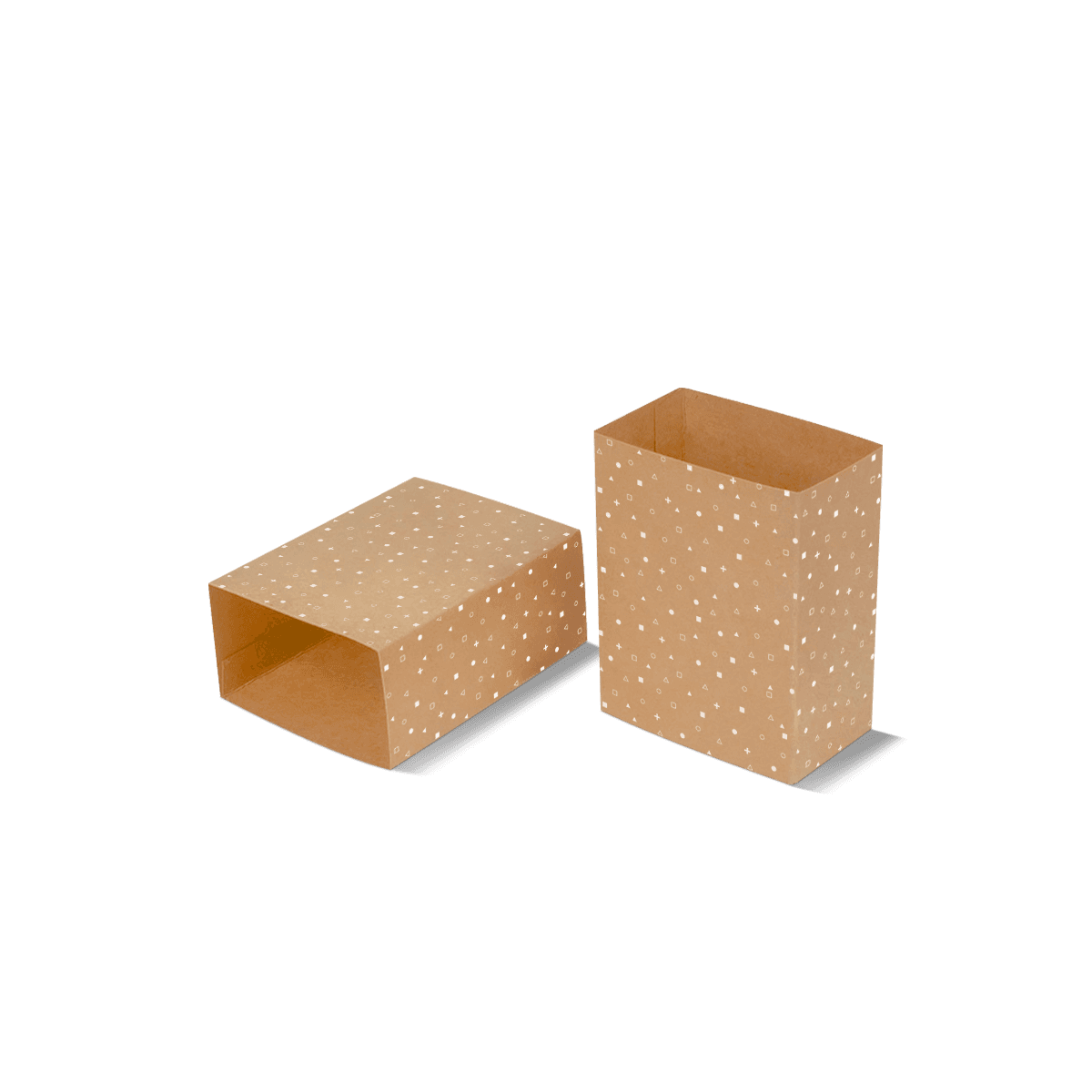
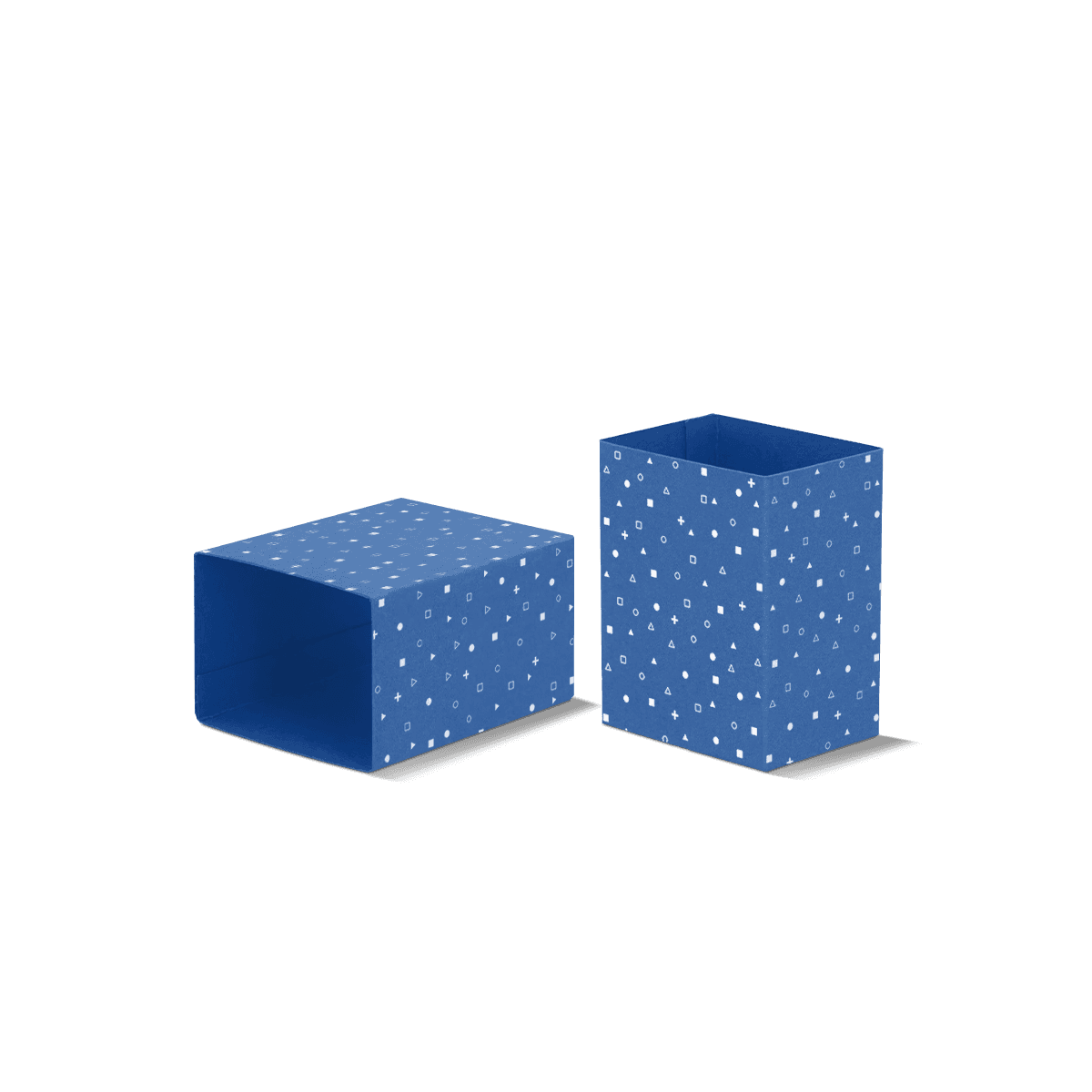
Cardboard sleeves add structure, branding and product detail around boxes, trays or individual items using a sturdier paperboard layer that feels more substantial than a simple label and more flexible than a fully printed box.

Free Design Support

Clear Pricing

Flexible Quantities

Unlimited Customization

Premium Materials

Offset Precision

Free Shipping

Quick Turnaround

About

Some products do not need a new box. They need a smarter outer layer that adds structure, branding and clearer product communication without replacing what already works. That is where cardboard sleeves perform well. Made from paperboard or lightweight cardboard stock, they sit around a box, tray, jar set, folded garment or individual product to create a more finished retail look while still keeping the main packaging approach efficient. Because the material has more body than a thin paper strip, the result feels more deliberate in the hand and gives designers better control over front-facing graphics, product names, instructions and finish detail.

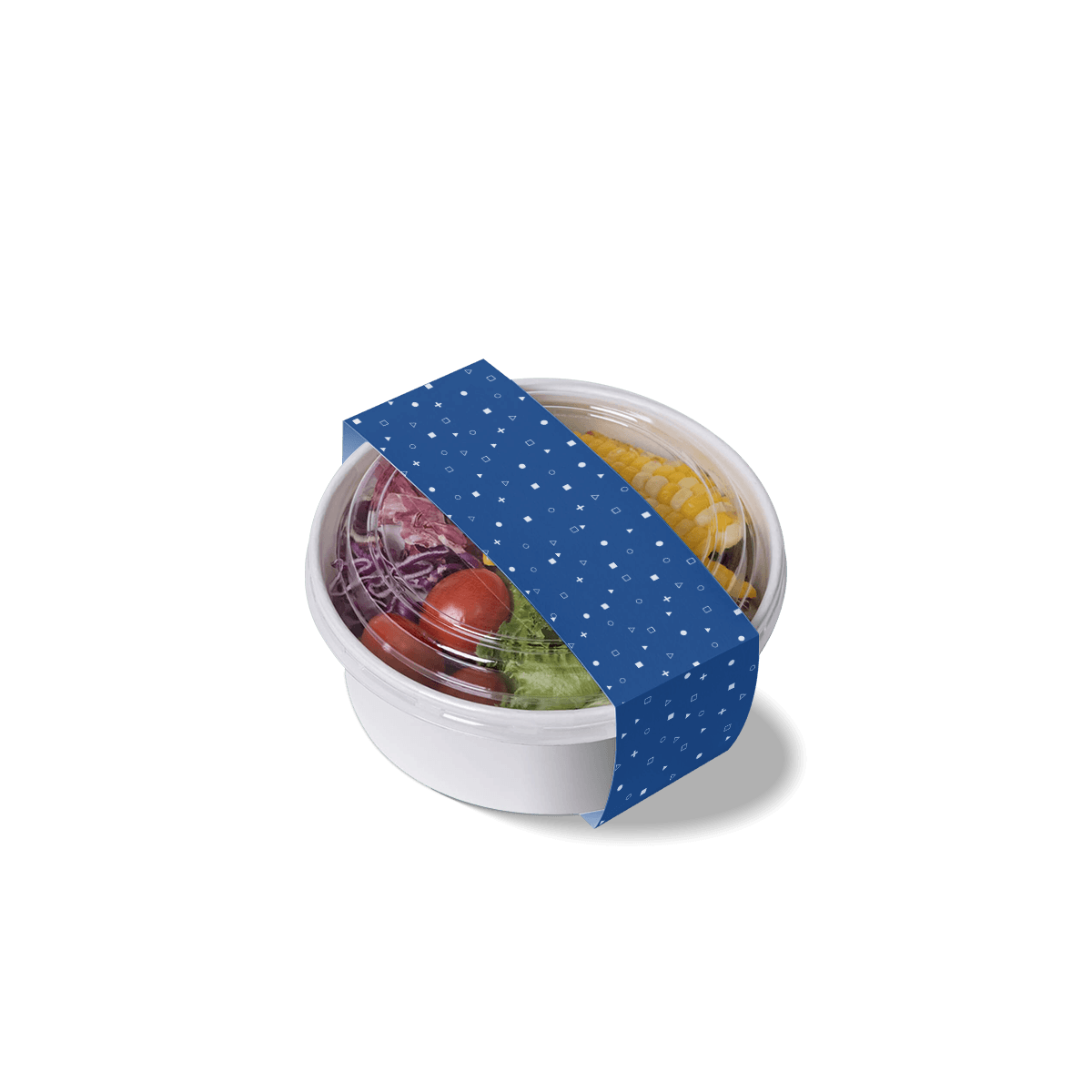
The key decision is not just appearance but suitability. Cardboard sleeves are useful when the outer layer needs enough strength to hold shape neatly, sit squarely on shelf and resist curling during handling. That makes them a practical option for cosmetics, candles, soaps, confectionery, apparel accessories and presentation-led retail products. They can also bridge the gap between lighter belly band packaging and fuller box sleeves. A belly band usually works when coverage is minimal and messaging is brief. A box sleeve often makes more sense when the underlying structure is always a box and wider coverage is needed. Cardboard sleeves sit comfortably between those points because they can work across several product types while still feeling sturdy and branded. Before ordering, confirm product dimensions, sleeve depth, board thickness, finish type, crease position and whether the sleeve needs friction fit, glued joining or an easy slide-on application.

Why This Packaging Stands Out

  • Gives products a sturdier branded outer layer than labels or lighter paper bands

  • Helps one base box or product body serve multiple variants more efficiently

  • Adds useful print space without committing to a fully printed carton

  • Supports better shelf presentation across retail, gifting and promotional lines

  • Balances visual impact, material control and short-run flexibility well

Structure, Print and Finishes

Paperboard Grades

Pick smooth, kraft or recycled board based on print sharpness and visual style.

Structural Coverage

Set deeper or shallower sleeve coverage depending on product visibility and support needs.

Crease and Fit

Match panel size, corner behaviour and tension to the product underneath.

Branding Surface

Use broad printable faces for logos, instructions, ingredients and variant messaging.

Finish Enhancements

Add matte, gloss, foil or spot UV for stronger retail definition.

Market Insight

Brands are under more pressure to keep packaging systems flexible while still making products look retailer-ready. That is one reason cardboard sleeves continue to hold value across beauty, gifting, food presentation and apparel accessories. They allow businesses to keep a simpler base structure in stock, then use a branded sleeve to change the visible story for a seasonal launch, a retailer exclusive, a limited edition or a revised product line. This is especially useful where the outer presentation changes faster than the product body itself. Another advantage is specification control. The sleeve can be upgraded or simplified without forcing the whole packaging unit to change, which helps procurement, storage and artwork updates stay more manageable. Many suppliers focus only on the print opportunity, but cardboard sleeves are often chosen because they make packaging systems easier to adapt.

Best Use Cases

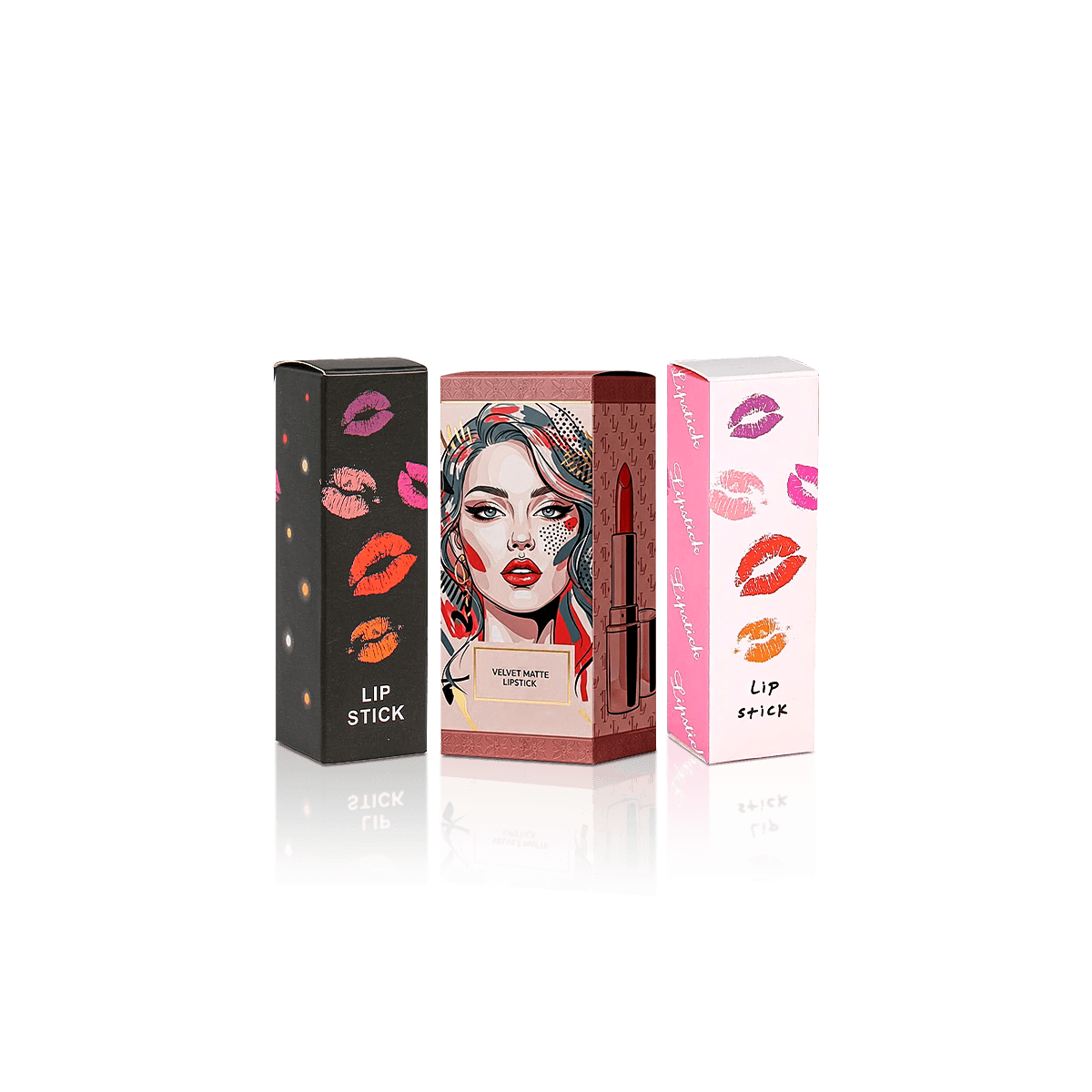
  • Soap, candle and cosmetic products needing stronger outer branding

  • Gift sets where a plain box needs a more premium retail face

  • Apparel accessories such as scarves, ties or folded garments

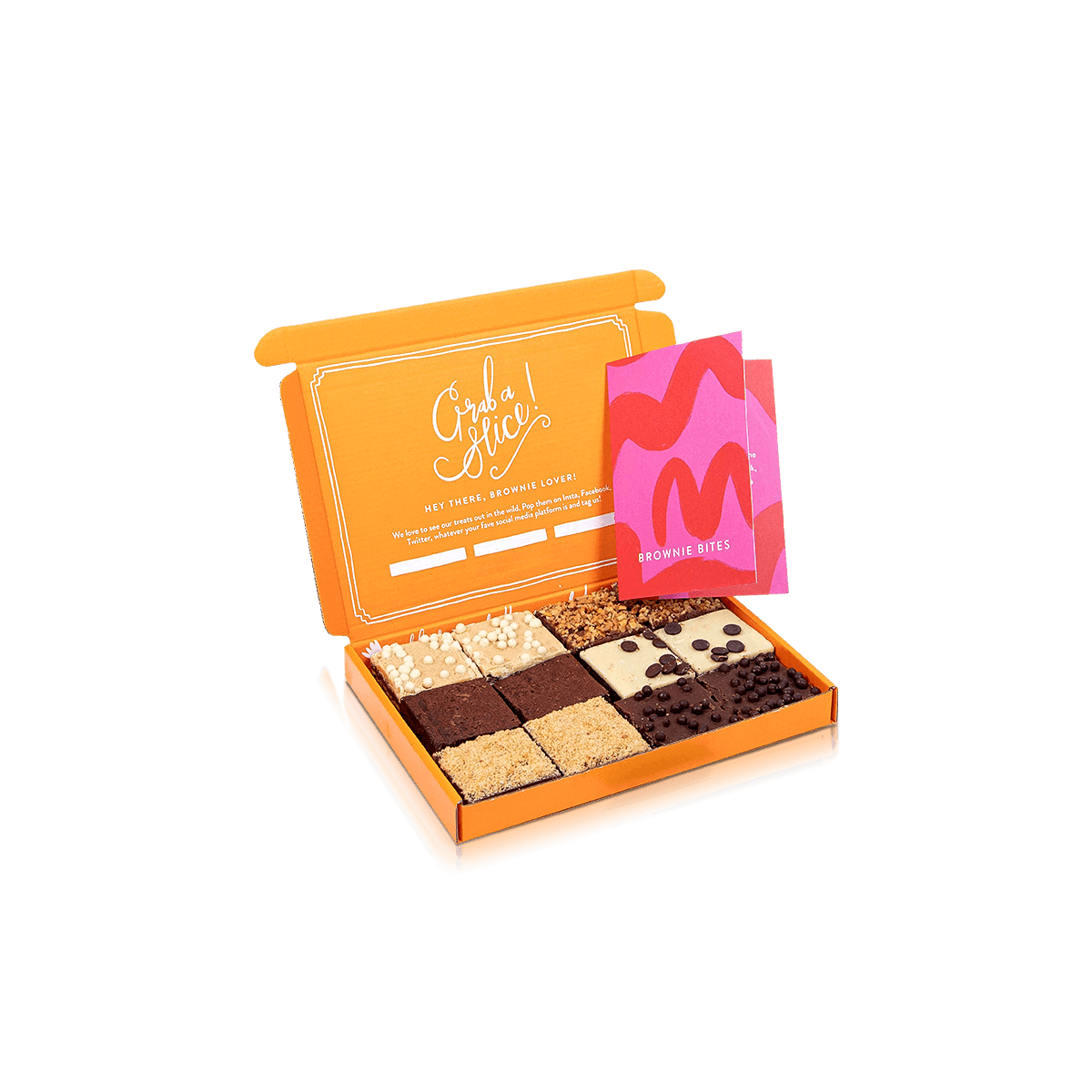
  • Confectionery and bakery products using consistent base cartons

  • Promotional lines that change by season, offer or retailer

FAQs

Cardboard sleeves are used to add a sturdier branded outer layer around a product, tray or box without replacing the main structure. They help carry logos, product details and front-facing design while improving how the item looks on shelf. They are especially useful when the underlying packaging stays the same but the branding or product variant changes more often.

Box sleeves are usually discussed in direct relation to a box and often cover a larger portion of that box. Cardboard sleeves are a broader material-led solution and can sit around boxes, trays or certain products more generally. If the brief starts with the material and structural feel of the outer layer, cardboard sleeves are the better way to think about it. If the project is clearly box-specific, box sleeves may be the more precise term.

Start with the full dimensions of the item or box the sleeve will sit around, then confirm how much of the product should remain visible. Also check board thickness, crease placement, join method and whether the sleeve needs to stay tight during handling or slide on more easily during packing. Those details affect fit, finish quality and usability.

Yes, they can work very well for premium retail when the board and finish are specified properly. A smooth white paperboard with matte lamination, foil or spot UV can create a polished result, while kraft stock can support a more natural premium look. The advantage is that the product gains stronger presentation without always needing a heavier rigid box or a fully printed carton.

Yes, that is one of their strongest commercial uses. Businesses can keep the main product box or item presentation consistent, then update only the sleeve for new collections, events, limited editions or retailer campaigns. That makes artwork changes easier to manage and can reduce the risk of holding too many versions of the same printed box in stock.

Process

How it works

Simple steps from idea to delivery

01

Tell Us Your Specs

Custom packaging boxes

Tell Us Your Specs

Provide size, quantity, printing, and finishes.

02

Get a Fast Quote

Custom packaging boxes

Get a Fast Quote

Instant transparent pricing, no hidden fees.

03

Design and Approval

Custom packaging boxes

Design and Approval

Artwork checks, revisions, and final sign-off.

04

Produce

Custom packaging boxes

Produce

Expert manufacturing to meet deadlines.

05

Ship to Your Door

Custom packaging boxes

Ship to Your Door

Hassle-free, flexible delivery options.

Start Your Bespoke Packaging Quote

Share your product details, dimensions, quantity and artwork needs. We’ll help choose the right packaging style and send a clear quote.