Skip to content
Details

Custom Supplement Mylar Bags

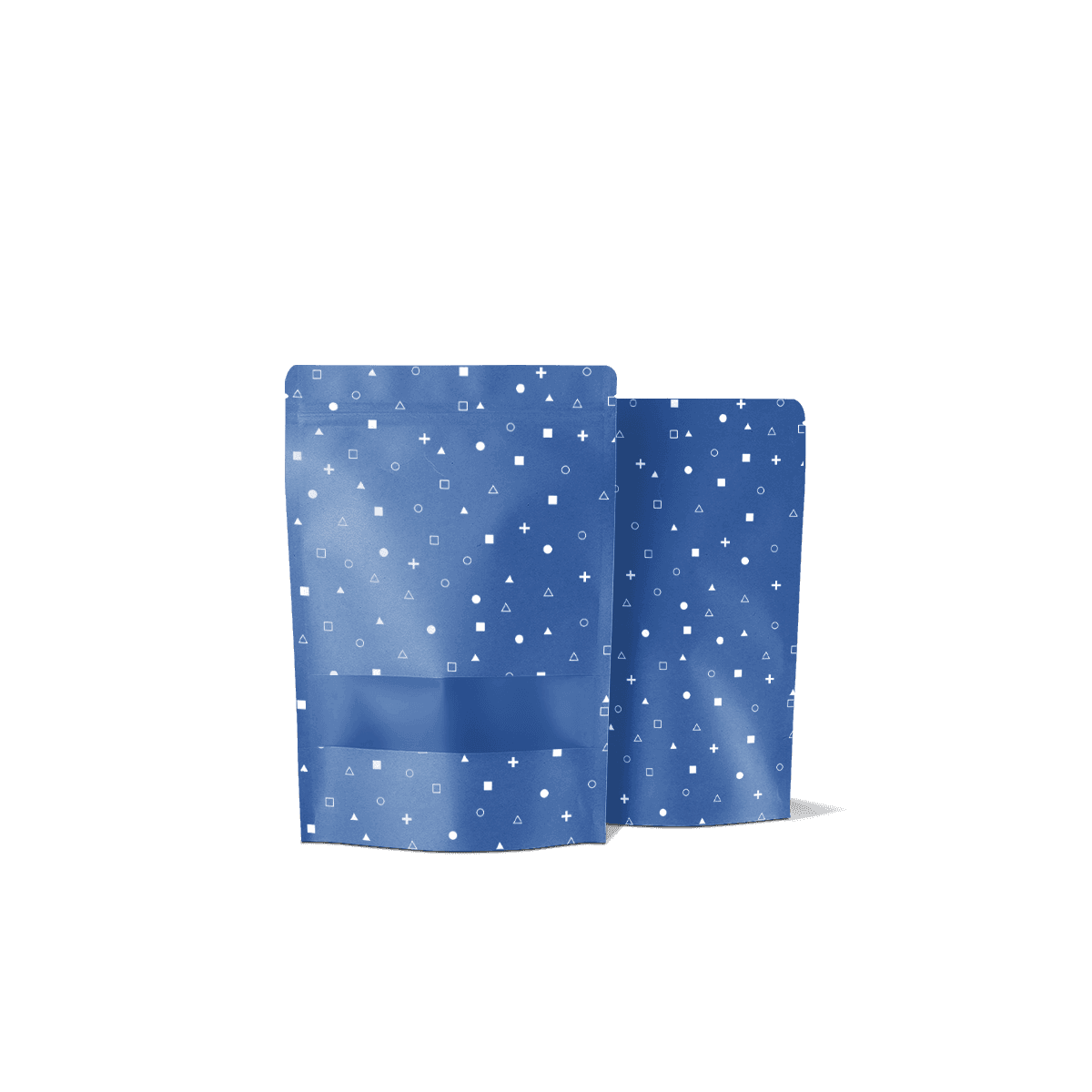
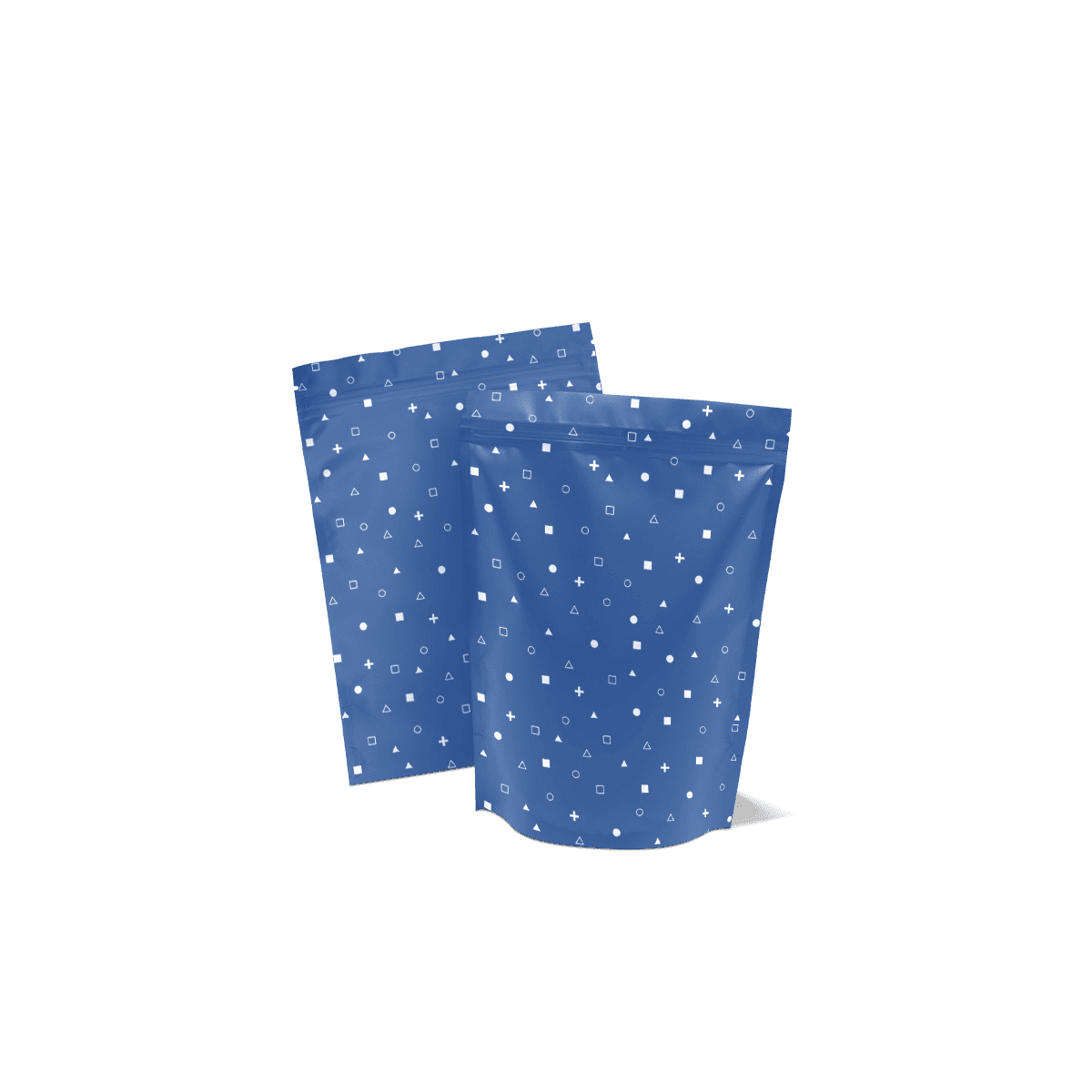
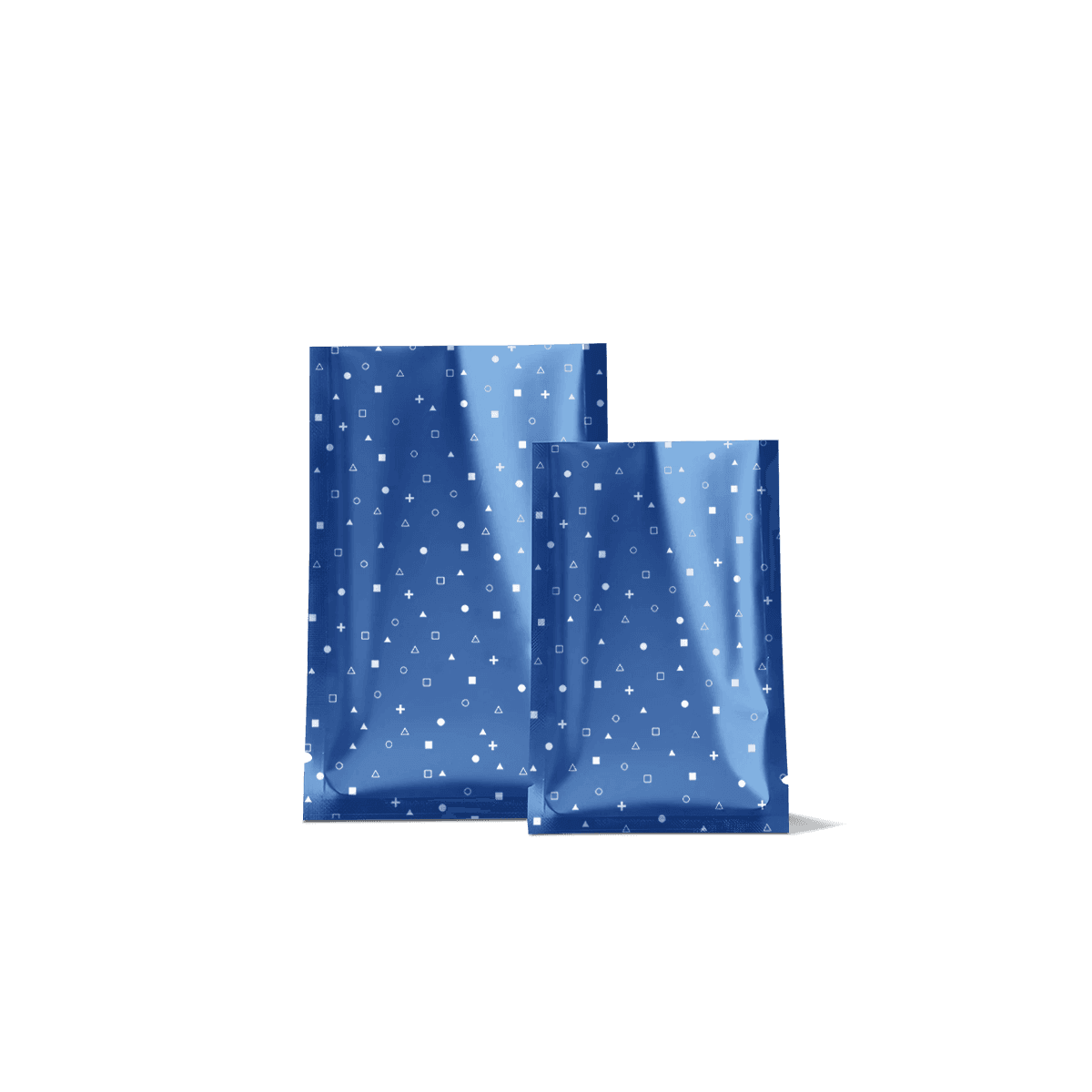
Supplement Mylar bags give powders, capsules and wellness blends a lighter, more space-efficient retail format with better resealability, strong branded visibility and pouch-led convenience for storage, fulfilment and repeat use.

Different Supplement Forms Behave Differently

Custom Supplement Mylar Bags need to account for what the contents physically do after filling and handling. Powders, capsules, gummies and refill blends can occupy flexible packaging very differently even when their stated weights look similar.

A fine powder can settle significantly after filling, while capsules and gummies leave irregular air spaces and can push the pouch walls unevenly. The useful reference is therefore the real supplement form, not a generic pouch capacity.

Powders Settle After Filling

Run a trial fill and allow the powder to settle before the final pouch proportions are approved. An airy blend can drop noticeably after filling, affecting the apparent fill level and where the artwork sits on the finished pouch.

Capsules and Gummies Create Voids

Discrete pieces leave gaps and can create a less uniform profile than powder. Judge the finished shape with the actual product rather than assuming the pouch will form a smooth, even face.
Choose the Closure From Use

Decide how the supplement will be opened before choosing the closure. The industry page only needs to establish the use pattern; the detailed zipper or seal engineering belongs to the dedicated pouch style.

Daily-Use Powders Need Resealing

Products used over several days or weeks usually need repeat access. Zip Lock Mylar Bags are the right place to resolve zipper position, grip space, headroom and repeated closing. Here, the main decision is simply whether resealing is part of normal product use.

Single-Use Packs Need First-Open Control

Samples, measured portions and some refill formats may not need a reusable zip. Heat Seal Mylar Bags cover clean sealing areas, filling behaviour and equipment requirements in detail. Use that route when first-open closure matters more than repeated access.

Decide How the Pouch Should Sit

The choice between stand-up and flat packaging should come from how the supplement is displayed, stored and dispatched. Do not add a gusset simply because stand-up pouches are common in wellness products.

Inside the Pouch Adds a Component

A scoop carried inside the pouch changes the packed unit. Confirm its length, bowl width and where it is likely to settle during transport so it does not create unnecessary pressure against a side seal or corner.

Outside the Pouch Keeps Sizing Simpler

If the scoop is supplied separately, do not enlarge the pouch to accommodate a component that never sits inside it. Size the flexible pack around the supplement itself, then let the selected closure page handle access geometry.

Decide Where the Scoop Belongs

A scoop can change the pouch specification more than its own volume suggests. It needs somewhere to sit, enough mouth width to be removed and enough free space for the customer to use it without spilling product into the closure.

Check the Opening Width

A narrow pouch can hold the required powder but still be frustrating to use. If the opening makes the scoop difficult to remove or forces the customer's hand against the zipper, increasing the mouth width may solve the problem better than making the entire pouch taller.

For a larger powder fill, also consider where the scoop will settle. A rigid scoop pressed against a side seal or corner can create a pressure point during storage and transit.

Avoid Empty Height

Do not keep adding height just to create scoop clearance. Extra height increases material and can make the product look underfilled.

A different width, gusset depth or scoop position may produce a cleaner result. Flexible packaging works best when the dimensions respond to the complete filled unit rather than one isolated measurement.

Verify the Laminate, Not the Look

The word Mylar does not describe one universal laminate. Flexible pouches can use different material layers and sealing surfaces, so the final structure should be selected around the exact supplement, storage conditions and required performance.

Ignore Metallic Appearance

A silver or metallic-looking pouch should not automatically be treated as proof of a particular barrier level. Appearance and protective performance are separate decisions.

If moisture, oxygen or light exposure matters to the product, confirm the required laminate with the packaging supplier and test the final specification where appropriate. Direct-contact suitability should also be confirmed for the exact supplement and intended use rather than assumed from a generic pouch description.

Do Not Cut Protection for Price

When cost needs reducing, start with dimensions, unnecessary features, artwork complexity and quantity planning before weakening a material requirement that the product genuinely needs.

The breakdown of what custom Mylar bags cost shows how pouch size, gusset depth, closure, film structure, print method and design count all affect pricing. That gives more places to simplify than treating barrier performance as the first saving.

Draw Artwork on the Filled Pouch

Flexible artwork moves once the pouch is filled. A flat file can look perfectly centred while the real product pushes the front panel forward, opens the gusset and pulls important elements towards folds or seals.

Keep Copy Off Moving Areas

Keep the product name, net quantity, important instructions and barcode away from zipper tracks, side seals and deep gusset folds. Decorative artwork can tolerate more movement than information that must remain easy to read.

The principles in packaging dielines and artwork setup still matter for flexible packaging even though the template differs from a folding carton. Build on the final pouch template rather than scaling artwork from another size.

Review More Than the Front

The reverse panel often carries more detailed product information and variable coding. Confirm where those areas sit after the pouch is filled and whether the bottom gusset hides anything important.

Custom Packly provides free 3D mockups, which can help assess proportion and artwork placement before production. For the physical behaviour of a pouch, however, a filled test remains the better check for stance, expansion and hand feel.

Use a Carton for a Separate Job

Across wellness packaging, flexible pouches and cartons can appear in the same supplement line without doing the same job. Use the pouch as the primary pack when flexible storage, lower bulk or repeated access matters. Add a carton only when it has a separate presentation, information or grouping purpose.

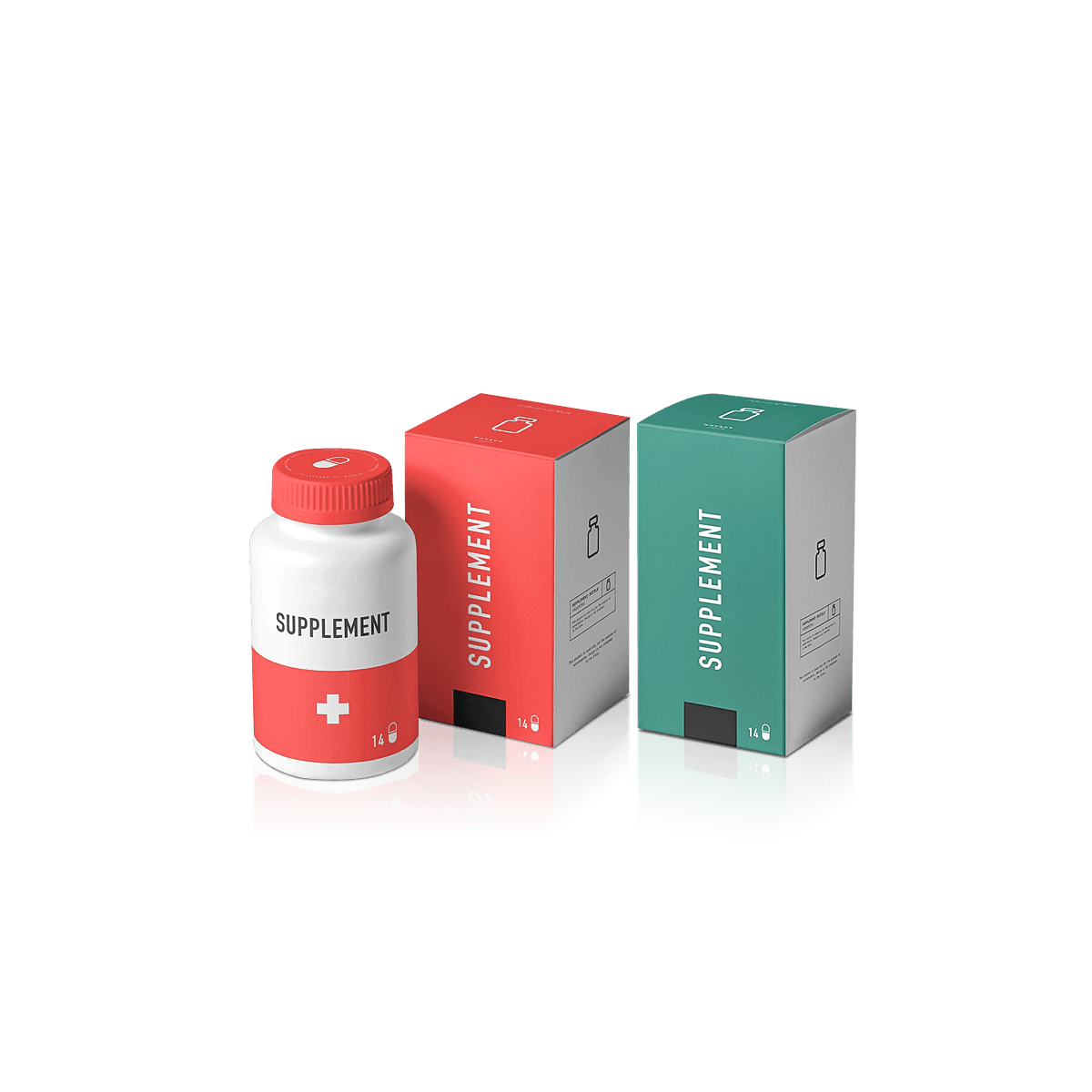
If the main need is a rigid outer around a bottle, jar, sachet set or leaflet, Custom Supplement Boxes solve a different problem. A carton can provide flat information panels and a more structured outer presentation while the primary container handles direct product contact.

Some products can use both. A pouch may hold the refill while a carton or mailer supports grouped presentation, gifting or ecommerce protection. Choose each layer for a clear job rather than adding packaging because the product category usually uses it.

Check the Outer Parcel Too

A flexible pouch changes shape after filling, so fulfilment dimensions should be checked using the real packed profile. The flat width printed on a specification sheet does not tell you how deep the pouch becomes once powder opens the gusset.

For ecommerce orders, measure the filled pouch before choosing the outer mailer or carton. Check whether the closure gets folded, whether several pouches stack evenly and whether abrasion from neighbouring items could affect the printed surface.

This is one reason a lower-bulk pouch can work well for refill-led products, but the benefit only appears when the whole custom packaging system is planned around the final filled dimensions.

Price From a Trial Fill

For Supplement Mylar Bags, the most useful quoting reference is a real trial fill or enough information to recreate one accurately. Share the supplement type, target fill weight, approximate filled volume or bulk density, whether a scoop is included and how the pouch should open and sit after filling.

Then confirm the preferred stand-up or flat route, total quantity, number of artworks and any known barrier requirement. If some material details are still undecided, the packaging team can narrow them after the product behaviour is clear. Print and finish customisation can then be considered without letting decoration drive the pouch specification.

Use the settled trial fill as the commercial reference, then add the selected pouch style, laminate requirement, number of artworks and quantity per artwork. That gives pricing a real physical specification rather than a generic 500 g or 1 kg capacity label.

Instant packaging pricing can then be based on the pouch that will actually be filled and used. The quote should follow the product behaviour rather than forcing the product into a nominal stock capacity.

FAQs

Supplement Mylar bags usually suit powders, capsules, gummies and refill-led products that benefit from flexible storage and repeated opening. They are especially strong when the product does not need a rigid outer carton and when shelf space, shipping weight or storage bulk matter. For heavily information-led or more gift-oriented products, a box can still be the stronger choice.

Often, yes. Stand-up pouches usually work better for retail display and larger fill volumes because they hold themselves upright and give the front panel more presence. Flat pouches can still be useful for slimmer capsule counts, compact refills or sample quantities where the product does not need the same shelf posture. The right choice depends on fill weight and how the product will be sold.

They are the better route when lower bulk, resealability and pouch convenience matter more than rigid presentation. Supplement Boxes are stronger when the product needs leaflet space, a more pharmacy-style look or a gift-ready outer structure. If the line is powder-led, refill-led or primarily ecommerce-driven, a pouch often gives the cleaner commercial fit.

Start with the exact product type and fill weight, then confirm bulk density, required headspace, zipper location, seal area and whether a scoop sits inside. It also helps to decide if the pouch should stand on shelf, hang for display or ship flat in outer transit packaging. Those points shape the pouch dimensions far more than artwork alone.

Yes. They can be tailored by size, closure type, finish direction and artwork hierarchy so different flavours, formulas or strengths stay easy to separate. The strongest systems keep a repeatable layout while changing colour cues or product details where needed. Custom Packly can help structure that pouch range so it feels connected without becoming visually repetitive.

Process

How it works

Your Packaging Journey, From Idea to Production and Delivery

01

Tell Us Your Specs

Custom packaging boxes

Tell Us Your Specs

Provide size, quantity, printing, and finishes.

02

Get a Fast Quote

Custom packaging boxes

Get a Fast Quote

Instant transparent pricing, no hidden fees.

03

Design and Approval

Custom packaging boxes

Design and Approval

Artwork checks, revisions, and final sign-off.

04

Produce

Custom packaging boxes

Produce

Expert manufacturing to meet deadlines.

05

Ship to Your Door

Custom packaging boxes

Ship to Your Door

Hassle-free, flexible delivery options.

Get Your Quote for Custom Supplement Mylar Bags

Share your product details, dimensions, quantity and artwork needs. We’ll help choose the right packaging style and send a clear quote.