Skip to content
Details

Custom Supplement Boxes

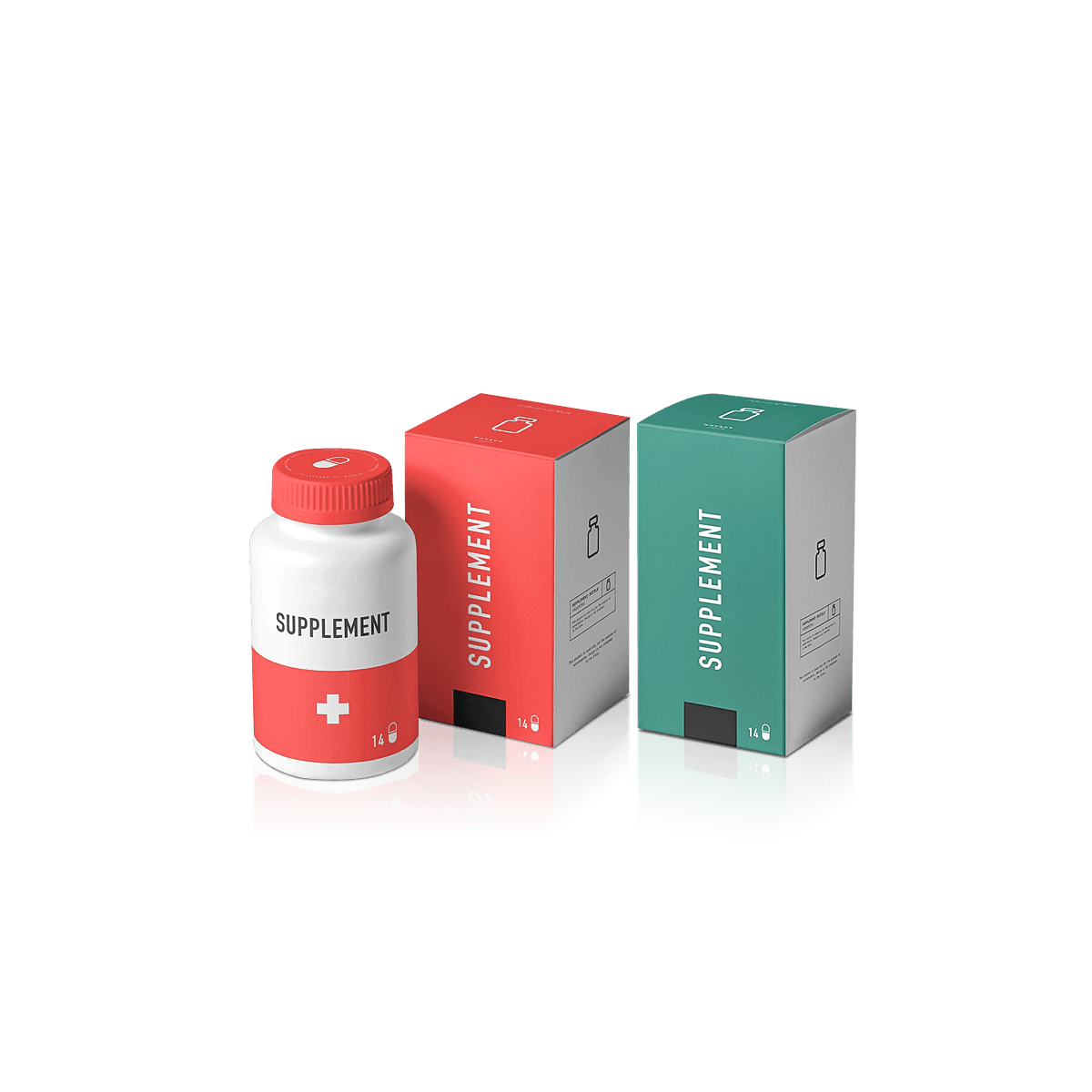
Supplement boxes should protect the product, organise on-pack information and help the range look credible across retail shelves, subscription orders and wellness launches.

Bottle Shape Controls the Carton

Custom Supplement Boxes are secondary cartons around a finished bottle, jar or grouped sachets, so the limiting dimensions come from the packed unit rather than the supplement name. Cap diameter, shoulder width, label projection, leaflet space and filled weight can all change the carton.

Two products can use the same nominal container volume and still need different outer dimensions. The carton must clear the widest point, let the flaps close without pressure and remain square once packed.

Use the Widest Finished Dimension

Measure the item exactly as it will enter the carton. Include the cap, lid, shrink band, neck, label edge and any leaflet or accessory packed beside it. A bottle can be wider across its shoulders than its body, while a jar lid may project beyond the base.

The carton has to clear the widest point, not simply match the dimensions printed on a bottle drawing. The same principle applies when a paperboard insert is used: measure the product and insert as one assembled unit. The practical steps in tuck box sizing are useful when the fit is close.

Check Flap Travel Around the Cap

A container can fit inside an open carton and still prevent it from closing properly. Dust flaps and tuck panels need room to move without pressing against a cap or forcing the sidewalls outward.

Do not solve this by adding large amounts of empty space. Too much clearance allows the container to shift and can make the carton feel oversized. The aim is controlled working room around the actual filled unit.
Match the Base to Packed Weight

The bottom style should respond to packed weight and the filling routine. Increasing paperboard thickness cannot compensate for a base that is wrong for the load.

Light Bottles Can Use Tuck Ends

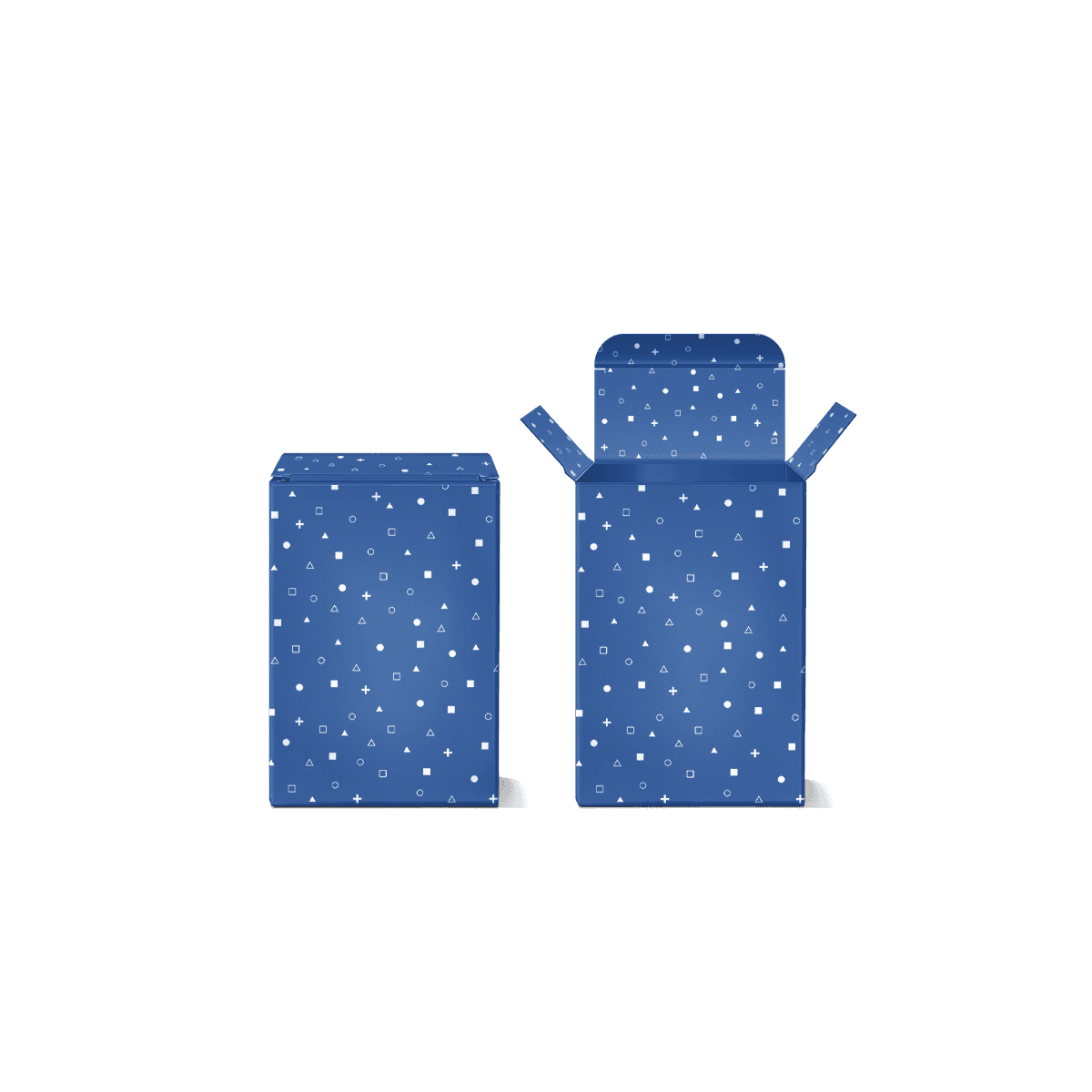
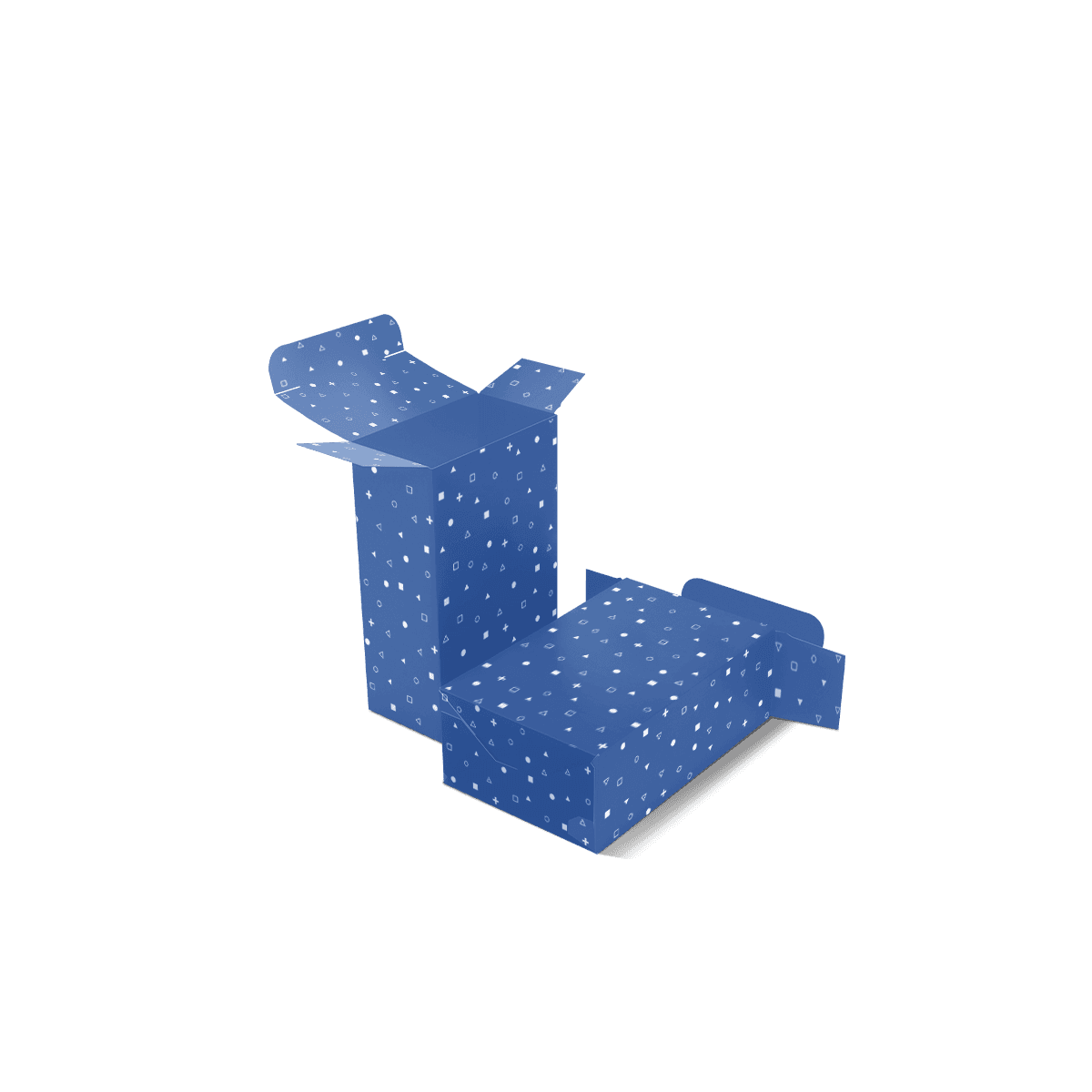
For compact, relatively light products, custom straight tuck end boxes can keep filling straightforward and give the artwork clean rectangular panels. Reverse tuck cartons can also work where opposite flap direction suits the dieline or packing sequence better.

The useful question is not which tuck style sounds more premium. It is which closure lets the product load, close and stand squarely without unnecessary handling.

Support Denser Contents Properly

A small glass bottle or dense jar can stress the base more than its dimensions suggest. If the lower flaps bow or start to open under the filled product, move to a stronger base rather than simply specifying heavier stock.

Snap lock bottom boxes give manual interlocking support. An auto-bottom structure may make more sense when faster repeated packing matters. Test the filled carton, not the empty sample.

Use Inserts to Stop Movement

An insert should solve a real positioning problem. It should not be added simply because a supplement is being sold as a premium product.

Skip Support You Do Not Need

A single bottle in a closely sized carton often needs no internal fitment. Adding one can reduce usable space, slow packing and create another tolerance that has to be controlled.

Use inserts and dividers when the contents can collide, rotate, sit at the wrong presentation height or need separation. A bottle plus scoop, two containers or a sachet set can justify internal control in a way that one snug bottle may not.

Check Removal as Well as Holding

An insert that grips too tightly can be as poor as one that is loose. Leave enough finger access for the product to be removed without tearing the fitment or forcing the carton open.

For multi-part supplement kits, check the loading order as well. Staff should not have to flex a printed carton or deform an insert just to place the final component.

Map Copy Before Decoration

Supplement cartons can carry dense information, but more printable area does not automatically create a clearer carton. Decide which panel handles each type of copy before adding decorative finishes.

Protect Small Print and Codes

Keep small text, barcodes and variable coding areas away from glue seams, tight creases and edges where trimming tolerance could reduce readability. If a foil, spot UV or embossing detail is planned, do not let it compete with areas that need clean functional print.

The practical workflow for packaging dielines and artwork setup shows why panel mapping should happen on the real flat template rather than on an imagined front-and-back design.

Approve the Erected Carton

Flat artwork can hide orientation mistakes. Side copy may rotate the wrong way, a top panel may face backwards or the intended front can end up beside the glue seam.

Use the free box dieline generator as a structural starting point where the required style is supported, then review the approved production dieline. A free 3D mockup is useful for checking how the artwork wraps around the assembled carton before print.

Separate Shelf and Shipping Jobs

A printed paperboard supplement carton is usually a retail or product-level outer pack. It should not automatically be expected to act as the courier box as well.

If a bottle carton is being sent through parcel networks, the cleaner solution is often to keep the paperboard carton tight and presentable, then use suitable corrugated protection around it. The difference between paperboard, corrugated and rigid packaging matters because each material handles a different job.

Do Not Overbuild the Retail Carton

Trying to make one folding carton perform every transport task can add bulk without fixing the real risk. A thicker carton still lacks the fluted structure that makes corrugated material more useful for courier handling.

For direct-to-consumer orders, test the complete shipping system: supplement container, retail carton, any internal support and the outer shipping box. That gives a more useful result than testing the printed carton in isolation.

Separate the Carton From the Primary Pouch

Across wellness packaging, cartons and pouches can both be valid, but they do different jobs. Use a carton when the supplement already sits in a bottle, jar or sachet bundle and needs a structured printed outer. Use a pouch when the flexible pack itself is the primary container and fill behaviour, storage bulk or repeated access drives the decision.

That boundary matters. Supplement Mylar Bags should handle pouch-specific choices such as zipper position, headspace and direct flexible filling rather than forcing those topics into a carton specification.

The same discipline separates this product from Vitamin Boxes. If the main problem is helping a daily vitamin line distinguish strengths, formulas or age-specific products across closely related SKUs, the vitamin carton has the more specific job. Supplement Boxes should remain focused on getting the outer carton right around the primary container and packing process.

Match Print to the Run

Printing should be chosen around artwork, quantity, colour requirements and the number of versions being produced, not around a blanket assumption that one method is always better.

Custom Packly supports premium offset printing for high-quality carton work. Where several supplement SKUs change frequently or quantities differ by version, it is still worth assessing the complete production plan before locking the print route. The practical differences between digital and offset printing can affect both consistency and commercial efficiency.

Finish Placement Follows the Dieline

Matte, gloss, soft-touch, foil, embossing, debossing and spot UV can all change the finished carton, but they should follow the structural decisions. Keep demanding treatments away from narrow folds, glue areas and variable coding zones where they can create avoidable production problems.

The available print and finishing options can then be applied to the areas where they add value without interfering with closure or information.

Proof the Packed Result

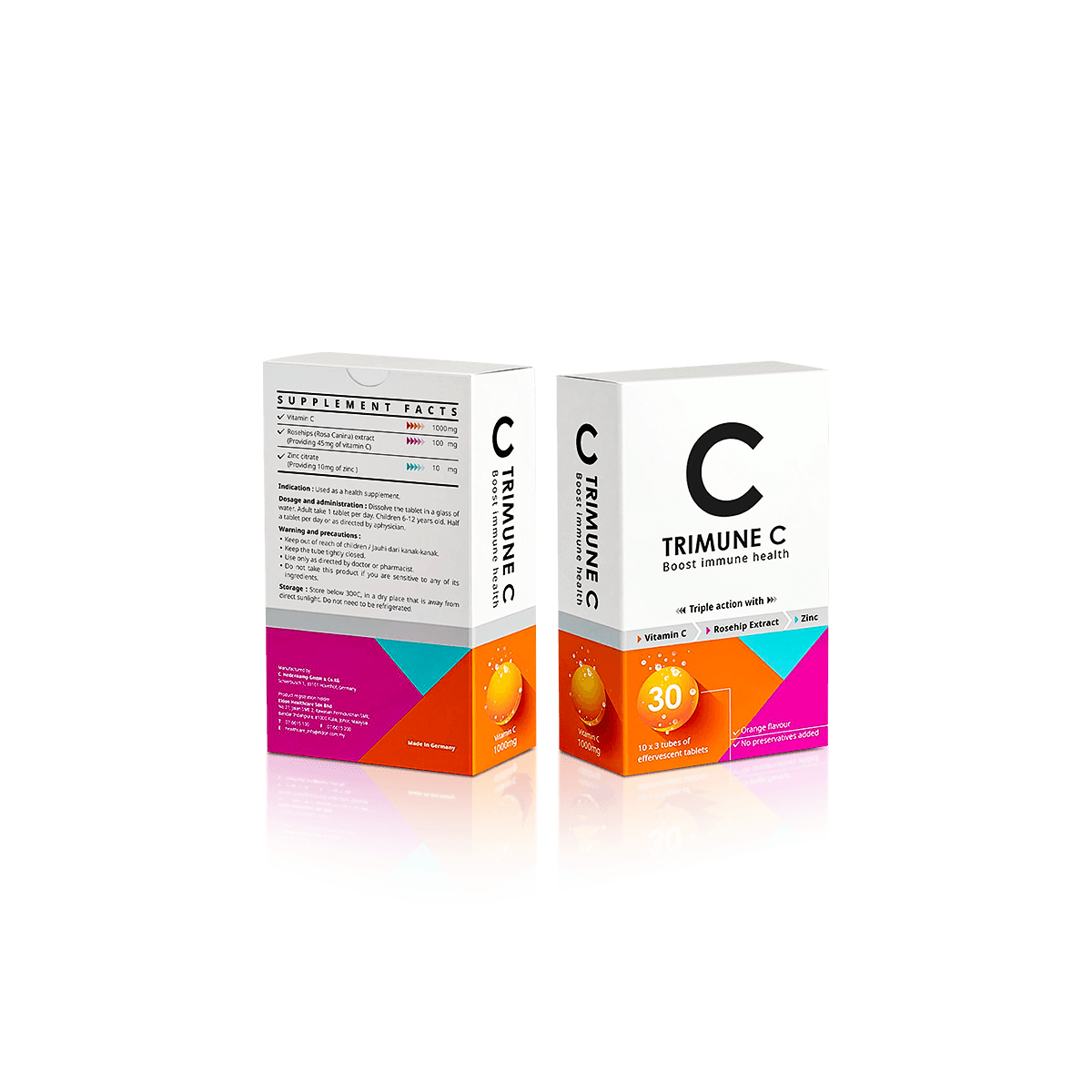
A 3D mockup helps with panel orientation and visual balance. A physical sample is more useful when fit, insert pressure, cap clearance or base behaviour needs to be checked with the actual product.

For close-fitting supplement cartons, load the real item, close every flap and stand several filled samples together. Repeated bowing, catching or end pressure is a specification problem worth correcting before the production run.

Prove One Carton Before Scaling

Before a supplement carton is repeated across quantities or related products, prove one specification around the real filled unit. Check cap clearance, base behaviour, leaflet space and any insert with the carton fully closed.

If the bottle or jar is ready, request instant pricing using the finished dimensions, filled weight and any known insert or leaflet requirement. If fit is still uncertain, include photographs or an accurate production drawing rather than treating nominal container dimensions as final.

Once the packed carton has been approved, its dimensions, dieline and artwork positions can become the reference for future runs. That gives repeat production a physical standard rather than another round of assumptions.

FAQs

Tuck-end cartons suit many supplement products because they are efficient, easy to assemble and flexible across bottle, blister and sachet formats. Seal end cartons can be the better choice when a more fixed closure or machine-filling workflow matters. The right style depends on the primary container, product weight, leaflet needs and how the carton will be packed and shipped.

Not always. If the carton is sized tightly around one bottle or one blister set, an insert may be unnecessary. Inserts become more useful when the box holds multiple sachets, a scoop, two containers or a premium kit that should stay organised. Confirm whether internal movement is likely before approving the final dieline and board specification.

They are better when the product needs stronger shelf presence, more print space and a more structured branded finish. Supplement Mylar Bags can work well for lightweight refills or pouch-led lines, especially where resealability matters. If the product is bottle-based, gift-led or intended to look more pharmacy or retail ready, a carton is usually the stronger choice.

Lock the exact size of the bottle, blister, sachet or pouch first. Then confirm panel copy, coding position, barcode area, closure preference and whether the carton must include a leaflet or divider. It is also worth checking shipping conditions, especially for ecommerce orders, because snug fit and board strength affect how well the carton arrives.

Yes. That is one of the main advantages of using cartons for supplements. A shared layout system can be carried across multiple SKUs while changing colour cues, strength details or flavour panels. This keeps the line recognisable without making every carton look the same. It also helps when a range grows into bundles, subscriptions or seasonal variants.

Process

How it works

Your Packaging Journey, From Idea to Production and Delivery

01

Tell Us Your Specs

Custom packaging boxes

Tell Us Your Specs

Provide size, quantity, printing, and finishes.

02

Get a Fast Quote

Custom packaging boxes

Get a Fast Quote

Instant transparent pricing, no hidden fees.

03

Design and Approval

Custom packaging boxes

Design and Approval

Artwork checks, revisions, and final sign-off.

04

Produce

Custom packaging boxes

Produce

Expert manufacturing to meet deadlines.

05

Ship to Your Door

Custom packaging boxes

Ship to Your Door

Hassle-free, flexible delivery options.

Get Your Quote for Custom Supplement Boxes

Share your product details, dimensions, quantity and artwork needs. We’ll help choose the right packaging style and send a clear quote.