Skip to content
Details

Custom Vitamin Boxes

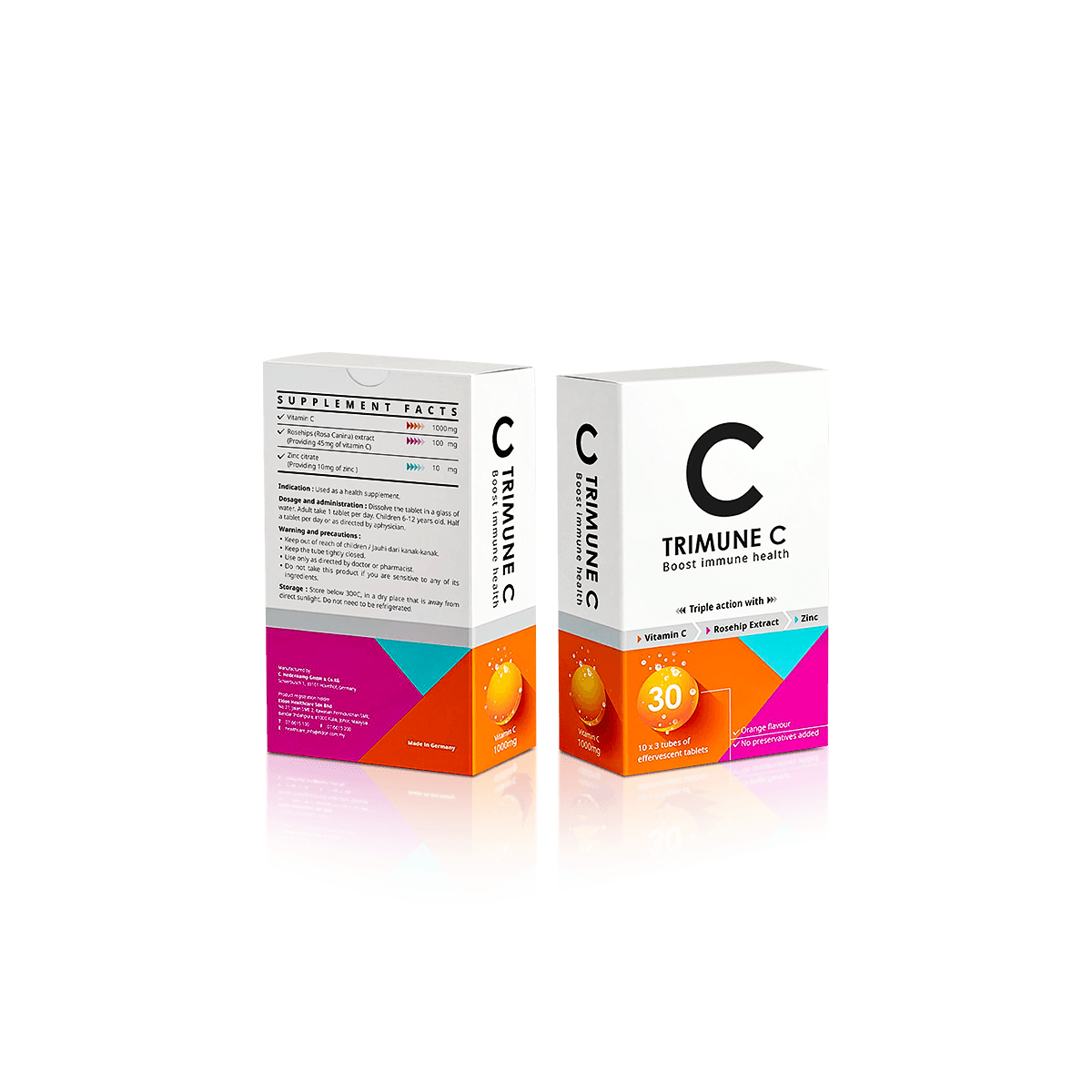
Vitamin boxes need to look trustworthy, stay easy to read and fit the product properly. A well-made carton gives vitamins clearer shelf presence, stronger product organisation and more room for key on-pack information.

Make Similar Vitamins Easy to Tell Apart

Custom Vitamin Boxes should help people distinguish one formula from another quickly, especially when several products use the same bottle shape, carton size and brand identity. The harder problem is usually not making one carton look attractive. It is building a system that stays clear when the vitamin line grows.

The problem becomes obvious when a line adds another strength, count or formula and the new carton is either too similar to an existing SKU or visually disconnected from the rest of the line. The system needs fixed cues for recognition and controlled space for the details that change.

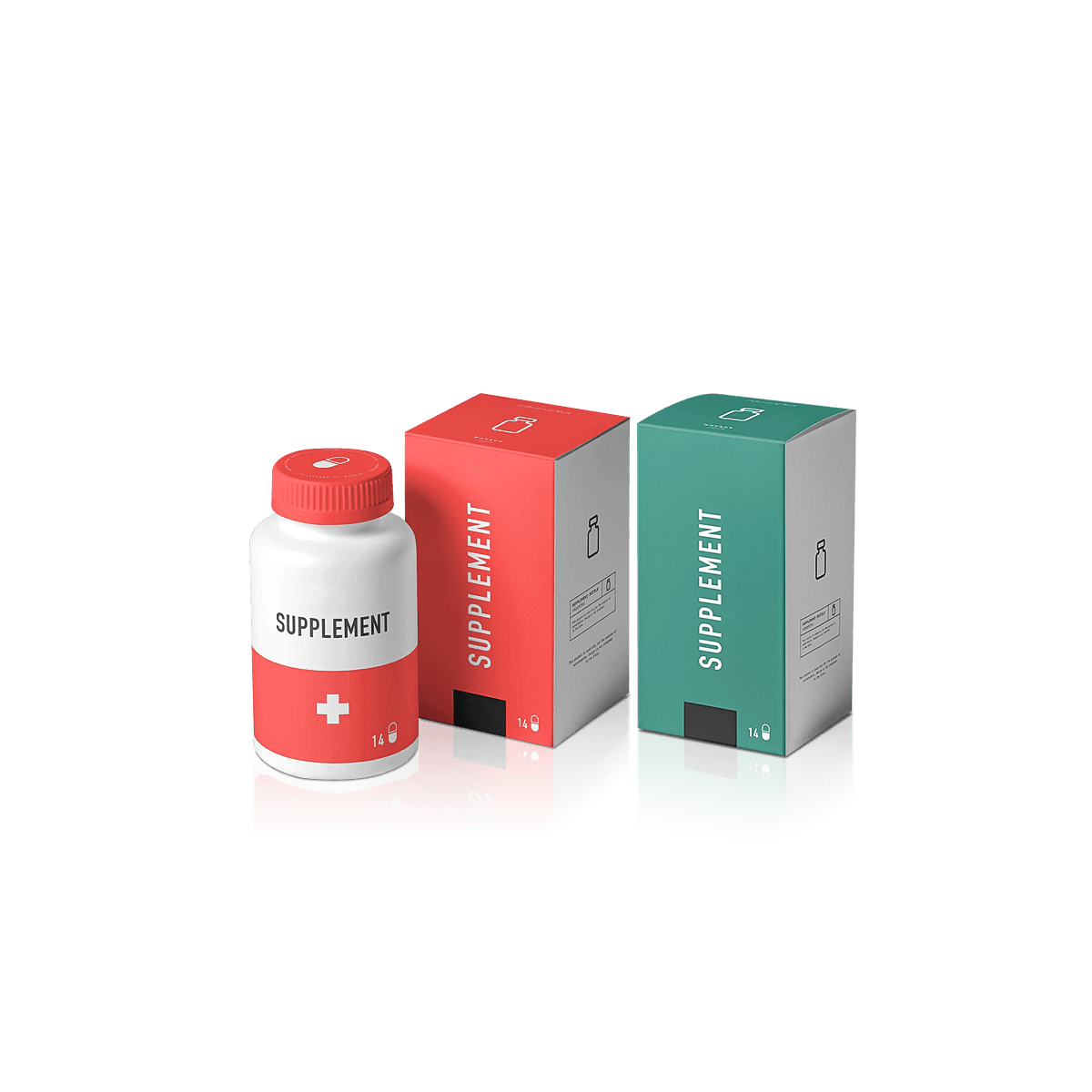
A vitamin line can look consistent without making every carton look interchangeable. The strongest systems keep a few visual elements fixed, then give each variant enough visible difference to stand on its own.

Lock What Should Stay Constant

Keep the brand mark, core typography, front-panel grid and main information positions consistent across related vitamin cartons. That gives the line a recognisable structure and makes later additions easier to control.

The mistake is redesigning every new SKU from scratch. Over time, logo size shifts, product names move, icons multiply and information panels stop lining up. A shared artwork system prevents that drift.

The principles in packaging design decisions are useful here because visual identity works best when it follows the physical carton rather than fighting it.

Change More Than Colour

Colour can separate vitamin variants, but it should not be the only signal. Pair colour with a clearly written product name, strength, count or another genuinely useful identifier from the approved artwork.

This matters when two shades are close, when cartons are seen under different lighting or when someone is looking at a small ecommerce image rather than a full shelf display.

A good rule is simple: if two cartons became greyscale, the customer should still be able to tell which product is which from the typography and information hierarchy.
Design the Range Before One Carton

Before final artwork is approved, map the vitamin line as a whole. A carton created in isolation can work perfectly for the first product and become awkward as soon as five more variants arrive.

Create a Variant Matrix

List every planned SKU with its formula name, strength, count, container size, barcode, artwork status and expected quantity. Then identify which elements are shared and which must change.

This immediately reveals whether several cartons can use one structural specification or whether the physical differences are large enough to require separate dielines.

It also reduces a common production problem: assuming two vitamin bottles are interchangeable because they look similar in a catalogue. A different cap height, bottle diameter or tablet count can change the required carton even when the branding system stays the same.

Leave Room for Future SKUs

Do not use every available colour, icon position or front-panel treatment on the first few products. Leave a sensible visual logic for future additions.

If a brand launches Vitamin D, Vitamin C and Magnesium first, then adds iron, B-complex or age-specific formulas later, the system should expand without inventing a new visual language every time.

That does not mean predicting every future product. It means setting enough rules that the next launch has somewhere to fit.

Give Strength a Fixed Position

When strength, count or formula is important to distinguishing one vitamin from another, give that information a predictable position. Moving it around between SKUs makes closely related cartons harder to scan.

Protect the Front Hierarchy

Decide what deserves attention first, second and third on the front face. The brand name, vitamin type and strength should not compete equally with decorative graphics.

Keep secondary information on side or rear panels where possible. The front should help someone recognise the correct product without reading every line.

This is especially useful for cartons sharing the same physical footprint. Repeated geometry makes small artwork differences more important, so information order has to do more of the work.

Keep Coding Areas Separate

Barcodes, batch references, dates or other variable production information need deliberate space. Do not leave them to whatever blank area remains after the artwork is finished.

Keep variable coding away from folds, glue zones and decorative treatments that make overprinting harder to control. If the carton uses seal end closures, the relationship between adhesive areas, coding positions and panel access should be resolved before artwork sign-off.

Adapt the System to Shape

A consistent vitamin identity does not require every SKU to use the same dieline. Standardise the structure only where the actual contents support it.

Bottle Cartons

For light vitamin bottles, a reverse tuck end carton can give a straightforward retail structure with useful printable panels. The exact choice still depends on the bottle dimensions, filled weight, loading direction and closure behaviour.

If two bottles differ only slightly, do not automatically force both into the larger carton for convenience. The smaller product may move excessively, while the larger carton can make the product feel poorly fitted.

At the same time, avoid creating unnecessary carton sizes for differences that do not affect fit. The aim is a controlled size system, not maximum variation.

Blister Strip Cartons

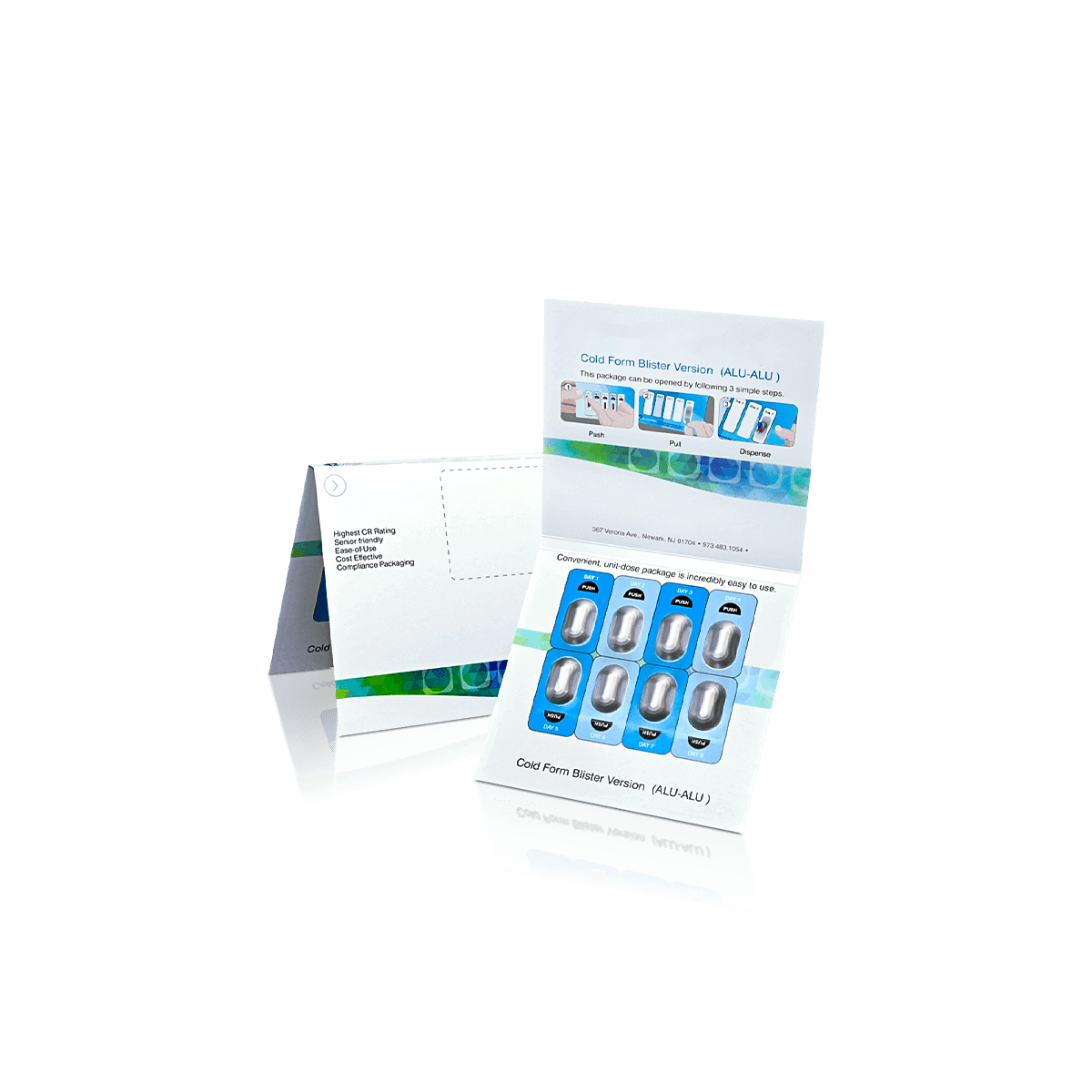
Vitamin blister strips enclosed inside a folding carton create a different internal shape from bottles. Their depth may be low, but stacked strips, folded leaflets and sharp blister edges can affect the final internal dimensions.

Plan the carton around the full stack in the order it will be packed. If the product instead uses a formed clear blister fixed to a printed backing card for visible retail display, blister card packs solve a different packaging problem and should not be treated as the same structure.

Print for Colour Repeatability

A vitamin line often depends on controlled colour across several SKUs and repeat orders. That makes the print decision part of range management, not just a production choice.

Know When Pantone Helps

Pantone spot colours can be useful when a signature brand tone or variant colour needs tighter control across repeat production. CMYK is still appropriate for full-colour artwork, photography and designs containing many colours.

Neither system removes the need for proofing. Stock, coating and finish can all change how colour appears, so approve colour against the real specification rather than assuming a screen preview is enough.

Custom Packly supports premium offset printing and wider print and finish customisation. The right combination should be chosen around the artwork and repeat-production needs, not simply because a finish sounds premium.

Balance SKU Count and Run Size

A vitamin brand ordering one stable design in larger quantities has a different print problem from a line carrying ten designs in smaller quantities.

The digital versus offset printing decision becomes more useful when SKU count is considered alongside total volume. A high combined order does not necessarily behave like one high-volume design if the quantity is divided across many artworks.

That distinction can prevent a low unit price on paper from turning into excess stock for slower-moving variants.

Turn One Dieline Into Rules

The dieline should do more than show where the carton is cut and folded. For a multi-SKU vitamin system, it can become the common artwork framework that keeps recurring elements in the same place.

Freeze Shared Zones

Set fixed zones for the logo, primary product name, strength or count, supporting information and variable coding before multiple artworks are produced.

The packaging dieline workflow explains how folds, safe areas, glue flaps and bleed affect what can safely sit on each panel. Those physical limits should become part of the design system.

Where the required structure is supported, the free dieline generator can provide a starting layout before artwork development.

Protect Version-Specific Areas

Give changing content a defined place rather than allowing each designer or revision to reorganise the carton. Formula names, strengths, counts and approved claims may vary, but the surrounding grid should remain stable where possible.

A free 3D mockup is useful before production because it shows whether the shared rules still make sense once the flat artwork becomes an erected carton. It can reveal a variant label disappearing around an edge or a top-panel identifier facing the wrong direction.

Separate Vitamins From Broader Supplements

The expensive repeat-order mistake is often not colour drift. It is using an old artwork revision, pairing the wrong strength with a carton file or reusing a dieline after the product has changed.

Vitamin Boxes should stay focused on daily vitamin lines where repeat recognition across related formulas matters. That keeps their purpose distinct from neighbouring wellness products.

If the main challenge is engineering an outer carton around a bottle, jar, sachet set or mixed supplement container, Supplement Boxes cover that broader carton problem.

If the product is a vitamin line using similar bottles or cartons but different strengths, formulas, counts or age-specific variants, Custom Vitamin Boxes need a stronger SKU system because the packages must remain connected without becoming confusingly similar.

That distinction also helps avoid overcomplicating the design. A vitamin carton does not need a completely new structure simply because the formula changes. Change the physical specification only when the contents, weight, packing method or required space genuinely changes.

Control Artwork Versions at Reorder

The first production run is only the beginning for a vitamin line. Reorders, artwork corrections and new SKUs can slowly introduce inconsistencies unless the approved specification is controlled.

Tie Each File to the SKU

Keep the approved dieline, artwork version, material, print method, finish and colour references together. When a repeat order is placed, compare against that specification rather than relying on memory or an old visual mockup.

This becomes more important when different vitamin variants reorder at different times. A carton printed six months later should still belong visibly to the same line.

Treat Product Changes as Specification Changes

A reorder stops being a straight repeat when the bottle, count, leaflet, closure or required copy changes.

The same discipline helps control cost. The biggest savings do not always come from reducing print quality; they can come from avoiding unnecessary carton sizes, duplicated tooling and obsolete inventory. The discussion of packaging cost mistakes is particularly relevant when several SKUs are being produced and reordered on different schedules.

Bring the SKU Matrix

Bring the SKU matrix before individual artworks are priced in isolation. Show quantity by SKU, which carton sizes are shared, which colours or Pantone references are fixed and which launches are expected later.

Custom Packly can use that map to identify where one dieline can repeat, where a separate carton size is justified and where quantities should be split by artwork. Warehousing and scheduled deliveries are particularly useful when established vitamin lines reorder different variants at different rates.

Once the matrix is stable, instant packaging pricing can reflect the real mix of structures and artworks instead of treating every vitamin carton as an unrelated job.

FAQs

Tuck-end cartons suit many vitamin products because they are compact, straightforward to assemble and flexible across bottle, blister and sachet lines. Seal end cartons can be a stronger choice when the product is heavier or the filling process is more automated. The right option depends on what sits inside, how the item will be packed and how much handling the carton will face.

Not in every case. A single bottle or a neatly sized blister set often works well without extra internal support if the carton dimensions are accurate. Inserts become more useful when the box contains multiple components, mixed sachets or a bottle plus leaflet that should stay separated. If the contents can shift during transit, an insert is worth considering early.

Yes, in how they are usually presented and prioritised. Medicine boxes often lean more heavily on clinical clarity and tightly structured information panels. Vitamin boxes still need readable information, but they also compete in a more brand-led retail space where variant recognition, colour coding and stronger shelf distinction matter more. The carton often needs to balance clarity with stronger visual identity.

Start with the exact size of the bottle, blister strip, sachet group or other primary container. Then confirm the quantity inside each carton, whether a leaflet is included, where batch and barcode details will sit and how the carton will be sold or shipped. Those points affect the board choice, closure style, internal depth and final artwork layout.

Yes, and that is often one of their biggest advantages. A well-planned carton system can carry a full range while keeping each product easy to distinguish by strength, formula or target use. Custom Packly can help structure the carton so the range feels connected without making every SKU look interchangeable.

Process

How it works

Your Packaging Journey, From Idea to Production and Delivery

01

Tell Us Your Specs

Custom packaging boxes

Tell Us Your Specs

Provide size, quantity, printing, and finishes.

02

Get a Fast Quote

Custom packaging boxes

Get a Fast Quote

Instant transparent pricing, no hidden fees.

03

Design and Approval

Custom packaging boxes

Design and Approval

Artwork checks, revisions, and final sign-off.

04

Produce

Custom packaging boxes

Produce

Expert manufacturing to meet deadlines.

05

Ship to Your Door

Custom packaging boxes

Ship to Your Door

Hassle-free, flexible delivery options.

Get Your Quote for Custom Vitamin Boxes

Share your product details, dimensions, quantity and artwork needs. We’ll help choose the right packaging style and send a clear quote.