Skip to content
Details

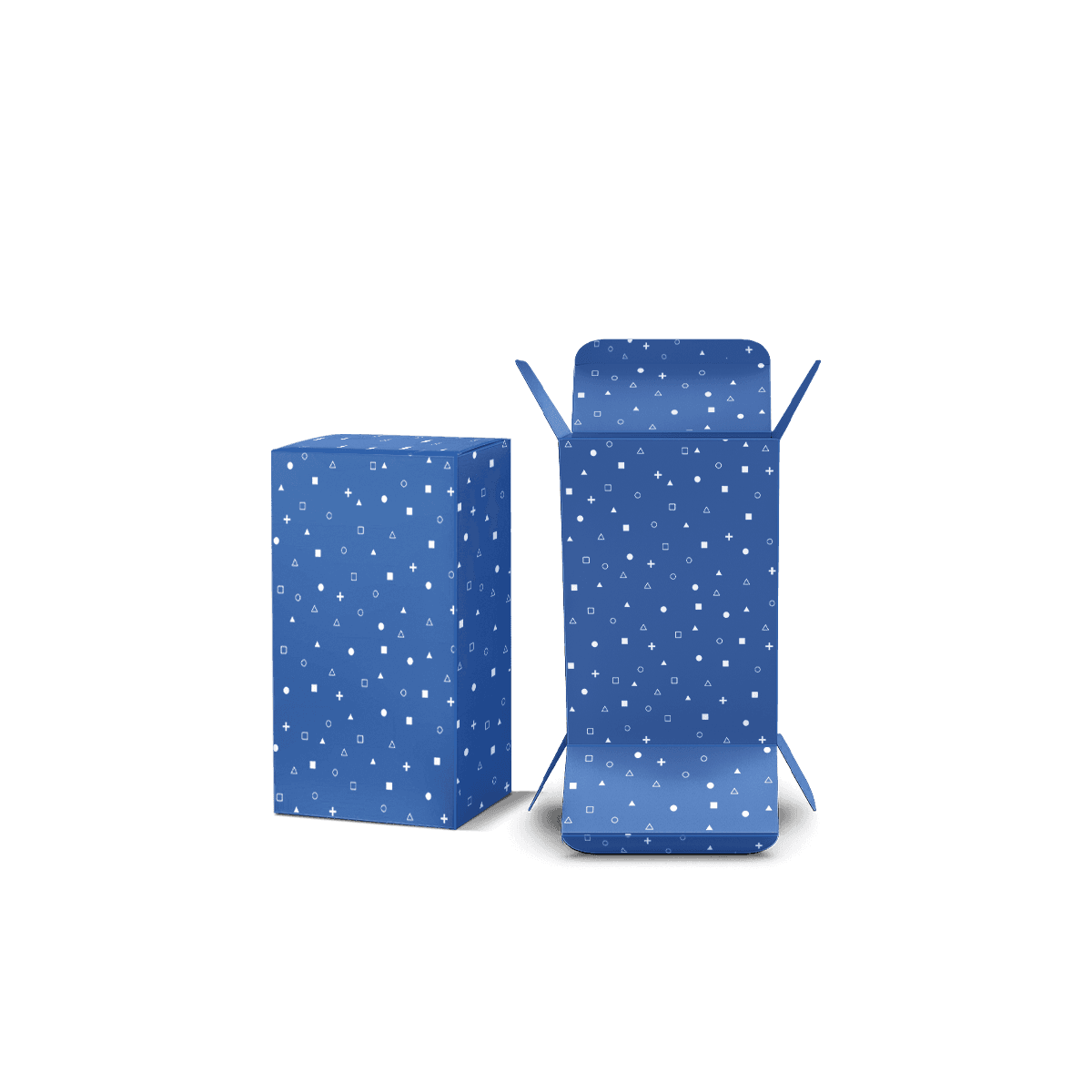
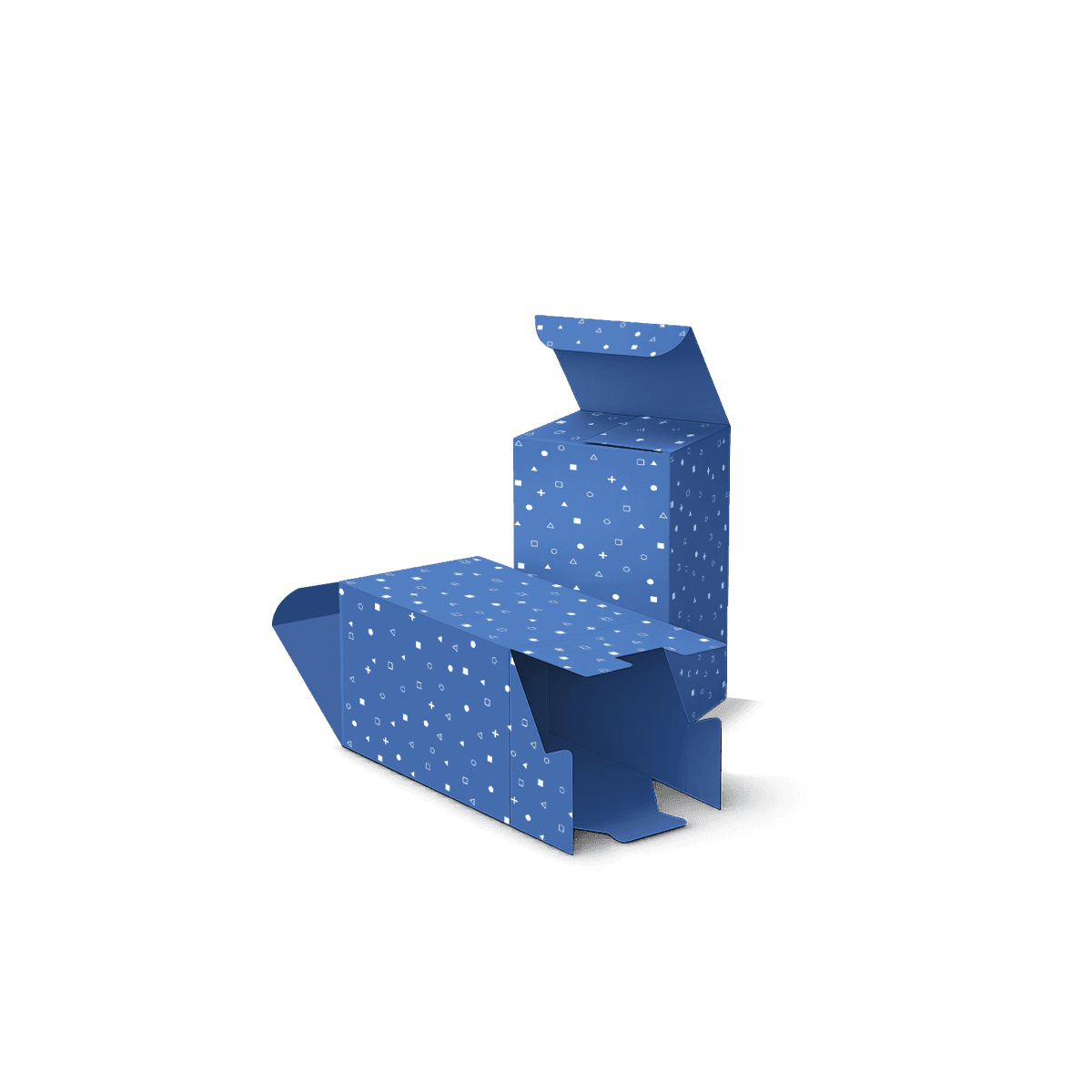
Custom Snap Lock Bottom Boxes

Manually interlocking bottom flaps for retail cartons that need firmer base support without a factory-glued automatic bottom.

Lock the Base by Hand

Snap lock bottom boxes make sense when a product needs an interlocking base but the packing operation does not require a factory-glued automatic bottom.

The lower panels are folded and locked by hand, which is why the style is also commonly called a 1-2-3 bottom. That manual step takes longer than automatic erection but lets the carton remain a comparatively straightforward folding structure before packing.

This can suit compact electronics, small hardware kits, heavier stationery sets and other dense retail items where each carton is already being assembled and loaded by hand. The deciding trade-off is therefore base support versus assembly time, not simply whether snap lock sounds stronger than a standard tuck carton.
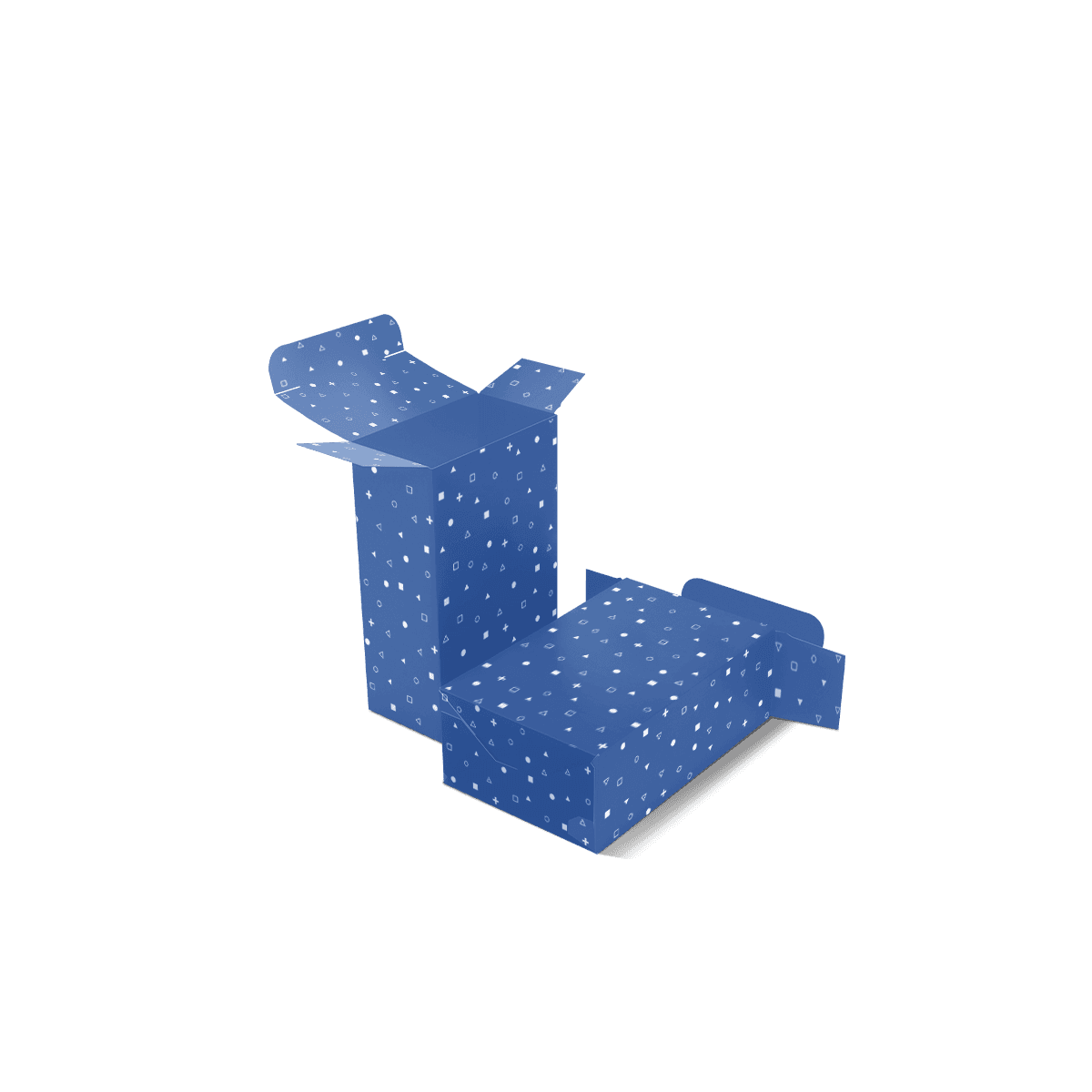
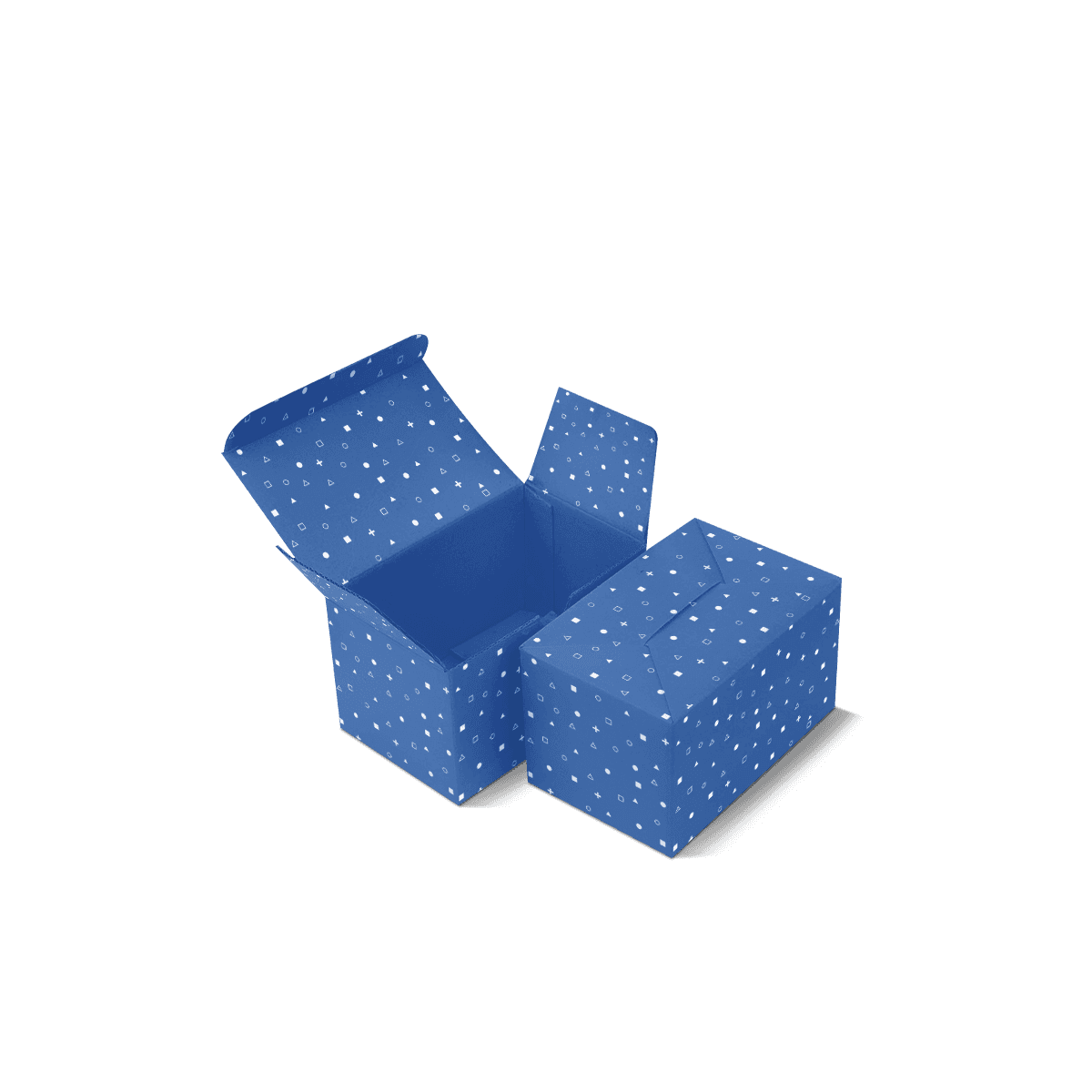
The Locking Sequence Matters

A snap lock base only works properly when its panels overlap and engage in the intended order. A box that has been partially locked can look assembled while still leaving the bottom weaker than intended.

Fold the Panels in Order

The larger and smaller bottom panels are shaped so they work together. Depending on the dieline, one section folds first, the side panels follow and the final locking panel completes the base.

The exact geometry can vary, so staff should follow the approved sample rather than assuming every 1-2-3 bottom is identical.

Once locked, the base should sit flat without one flap lifting or forcing another panel out of alignment. If a packer has to bend the board aggressively to make the final panel engage, the carton dimensions, creasing or assembly method should be checked.

Check the Lock Before Loading

Dense products should not be dropped into a base that is only partly engaged. The product can force the panels apart before the locking geometry has settled.

A simple production habit helps: erect the carton, lock the base, square the side panels and then load the contents. That extra check is one reason snap lock can suit hand-packed operations where staff already handle each carton individually.

Manual Assembly Has a Trade-Off

Snap lock cartons are often selected because they provide a supportive base without a pre-glued automatic mechanism. The trade-off is packing time.

For a few hundred manually packed units, the extra folding may be perfectly reasonable. As volumes rise, repeatedly building every base can become a meaningful labour step.

When Snap Lock Makes Sense

Snap lock is particularly useful when:

  • The product needs more base support than a standard tuck end
  • Packing is carried out manually
  • Flat storage before use is valuable
  • Production volume does not make base-assembly time a major bottleneck
  • The buyer wants to avoid specifying an automatic bottom unnecessarily

If staff are assembling thousands of identical cartons and base erection is slowing the line, custom auto bottom boxes deserve comparison because their pre-glued bases are intended to reduce repeated assembly work.

Do Not Pay for Speed You Do Not Need

An automatic base can be commercially useful, but faster erection has value only when it solves an actual workflow problem.

A manually assembled snap lock can make more sense when volumes are moderate, labour is already involved in inserting products or accessories and saving a few seconds at the base does not materially change throughput.

The best structure is therefore not automatically the fastest one. It is the one whose production complexity matches the way the carton will actually be packed.

Weight Needs More Than GSM

Snap lock bottoms can support denser products than many simple tuck bases, but there is no universal weight rating that applies to every carton.

Board grade matters, but so do the footprint, height, crease quality, flap geometry and position of the load.

Watch Concentrated Loads

A wide product distributes pressure differently from a narrow glass bottle of the same weight. If most of the load sits over one small area, the base may experience greater local stress.

Tall products create another consideration. A high centre of gravity can make the filled carton unstable even if the bottom itself remains locked.

That is why product dimensions and packed weight should be considered together rather than choosing a thicker board from weight alone.

Use Inserts for Control

An insert can keep a bottle, jar or component centred so its weight does not shift repeatedly against the side walls.

The Inserts and Dividers family is especially useful where several items share one carton or where a fragile product needs controlled positioning.

The fitment should sit above the locking mechanism without obstructing the bottom flaps. An insert that extends too far into the base can prevent the locking panels from engaging correctly.

When a Locking Base Helps

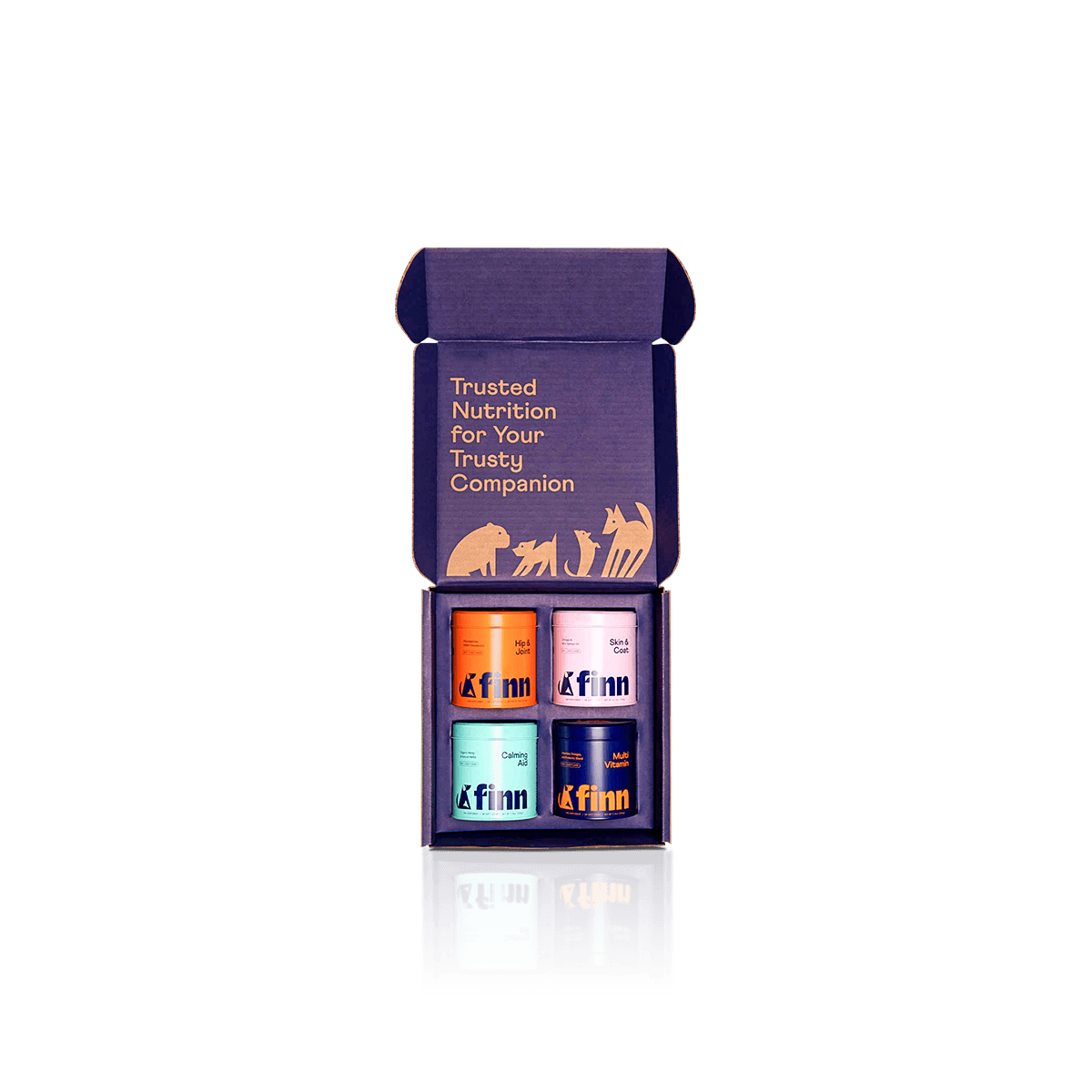
A stronger base is useful only when the product requires it. Lightweight products do not automatically benefit from extra bottom complexity. Across Custom Box Styles and Shapes, snap lock becomes relevant when a simple tuck closure stops being sufficient but automatic erection is not yet necessary.

For small skincare cartons, lightweight accessories or similar retail items, custom reverse tuck end boxes may provide all the support required with a simpler closing method.

Snap lock becomes more relevant as bottom load increases or when a taller product needs a firmer footing.

Do Not Over-Specify

It is easy to assume that a stronger-looking structure is always better packaging. That can add assembly time without improving the customer experience.

If the product sits comfortably in a conventional tuck carton and creates little pressure on the bottom, use the simpler solution.

If the product repeatedly stresses a tuck closure, that is when a manual locking base starts solving a real problem.

Keep the Carton Square

Base strength is only part of shelf performance. A snap lock carton should also remain square once filled.

If the base is assembled unevenly, one corner may sit higher than another. A tall carton can then lean, front-panel artwork can appear twisted and several units may not align cleanly next to each other.

Test on a Flat Surface

After loading the product, place the finished carton on a level surface and check all four corners.

The box should stand naturally without rocking. Side walls should remain reasonably straight and the lower panels should not visibly push against one another.

This basic test is especially useful for bottles and candles where the package is expected to stand upright throughout retail display.

Check the Finished Product

Do not test the empty carton alone. Add the actual product, insert, leaflet and any additional components.

A box can look perfectly square when empty but distort once a dense product begins pressing on the base.

This is particularly relevant to electronics and gadgets packaging, where chargers, adaptors, components and instruction material can create concentrated loads or uneven internal weight. Test the assembled carton with every component in its intended position rather than evaluating the empty base.

Print Around the Lock

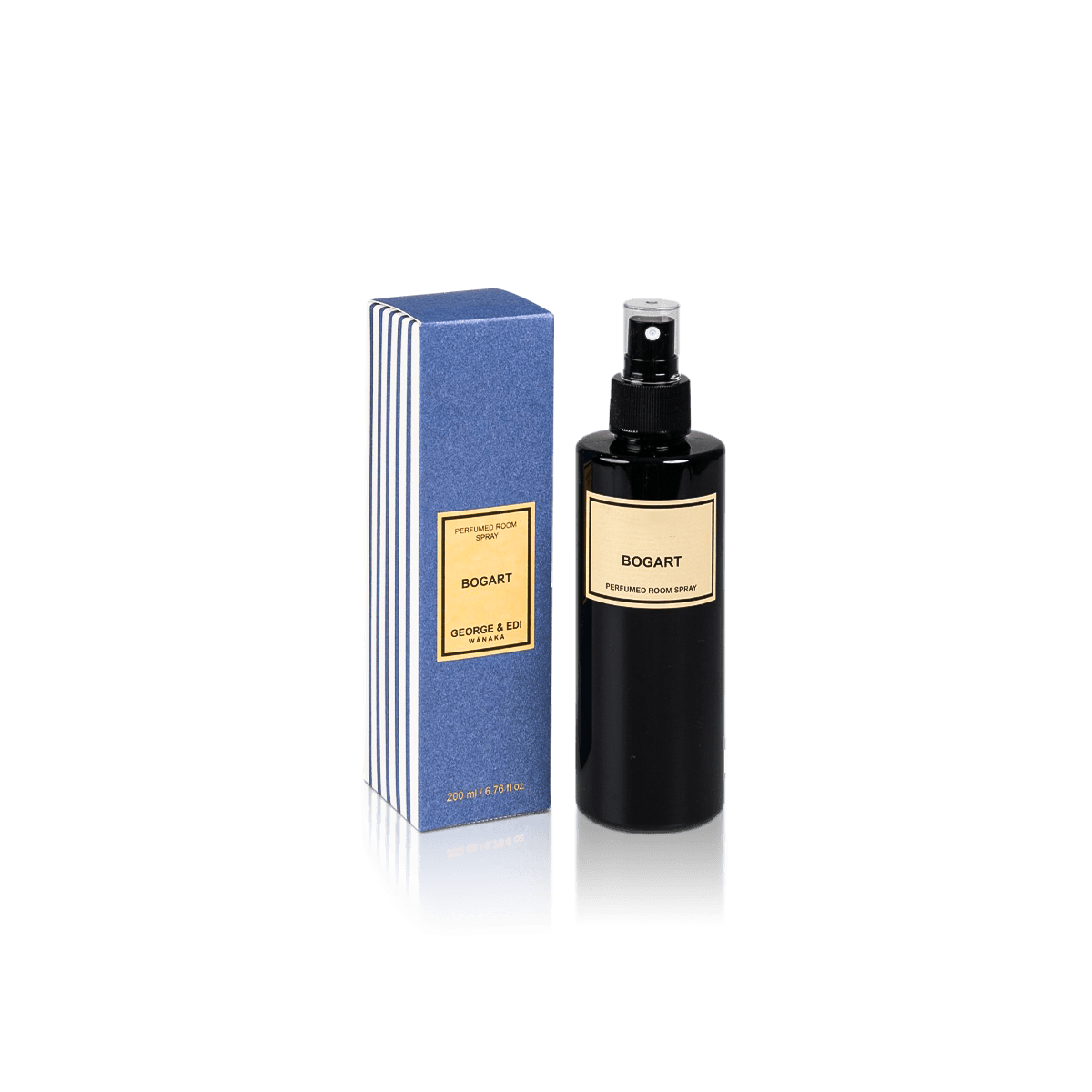
Snap lock bottom boxes retain the broad printable panels of a conventional folding carton, so detailed branding, product information and retail graphics can still cover the main exterior surfaces.

Premium offset printing can be used for controlled colour reproduction, with CMYK or Pantone specified according to the artwork.

Keep Base Artwork Practical

The lower locking flaps overlap after assembly and are not normally prominent display areas. Avoid placing essential instructions, barcodes or important branding where the panels disappear into the finished base.

The production dieline should clearly distinguish visible panels, folds and the side glue seam.

The packaging dieline setup covers cut lines, crease lines, bleed and safe areas in more detail, while the dieline generator can support early structural planning for compatible styles.

Finish Without Fighting Folds

Matte, gloss and soft-touch finishes can change both appearance and surface behaviour. Foil, embossing, debossing and spot UV can add emphasis to logos or selected display areas.

Avoid placing heavy decorative treatments directly across important locking folds unless the combination has been tested. The base panels have to bend accurately, so structural movement should take priority over decorative coverage.

For broader print-led projects, custom printed boxes covers artwork and finish choices across different carton styles.

A Sample Reveals the Difference

Snap lock is a particularly useful structure to evaluate physically because the buyer can feel how the base engages.

Open the flat carton, fold the panels in sequence, lock the base and add the full product. Then lift, reposition and set down the filled carton several times.

Look for Four Things

Check that:

  • The final locking flap seats without excessive force
  • The bottom remains flat after the product is added
  • No panel begins slipping out of position during normal handling
  • The filled carton stays square and stable

If the lock is difficult to assemble, do not immediately assume the board should be thinner. Crease placement, panel geometry or the assembly sequence may be the real cause.

Likewise, if the bottom feels weak, simply increasing board thickness may not fix a base that is poorly proportioned for the product.

A free 3D mockup is useful for checking artwork and panel orientation, while a physical sample is more valuable where locking feel, packed weight or stability needs to be assessed before a larger run.

Price Manual Assembly Properly

For pricing, provide the internal dimensions, total packed weight, quantity, product orientation and any insert or divider. Also include expected repeat volume because the number of cartons being packed affects whether manual base assembly remains commercially sensible.

If the decision is still between snap lock and auto bottom, include how the cartons will be erected and filled. Send that information through the detailed quote form so base support and assembly time can be compared together.

FAQs

The main difference is how the base is formed. Snap lock bottom boxes need the bottom flaps to be folded and locked manually during assembly, while auto bottom boxes open into shape with a pre-glued base. Snap lock is often chosen when strong support is needed but the fastest packing speed is not essential. Auto bottom usually suits quicker repeat packing.

Choose snap lock bottom boxes when the product puts more strain on the base than a straight tuck end or reverse tuck end carton should carry. They are a stronger option for taller or denser contents that still need a printed retail carton. If the item is very light, a standard tuck-end build may be enough and more cost-efficient.

Start with product weight, dimensions and whether the contents will stand upright. Then confirm the filling method, board grade and whether the carton needs inserts, partitions or extra headspace. These points affect how well the base locks, how stable the pack feels once filled and whether the structure matches the product load.

Yes. The stronger base does not limit the carton’s outer presentation. You can still use foil, embossing, matte lamination, gloss coating and spot UV when the selected board supports clean folding and print accuracy. The best result comes from balancing the decorative finish with a board grade that still performs well around the locking base.

They can, but the answer depends on the product and the full pack specification. The stronger bottom helps with support, but fragile items may still need inserts, partitions or an outer shipping layer. If the contents are breakable or loose inside the carton, plan the internal fit and the outer carton together rather than relying on the base alone.

Process

How it works

Your Packaging Journey, From Idea to Production and Delivery

01

Tell Us Your Specs

Custom packaging boxes

Tell Us Your Specs

Provide size, quantity, printing, and finishes.

02

Get a Fast Quote

Custom packaging boxes

Get a Fast Quote

Instant transparent pricing, no hidden fees.

03

Design and Approval

Custom packaging boxes

Design and Approval

Artwork checks, revisions, and final sign-off.

04

Produce

Custom packaging boxes

Produce

Expert manufacturing to meet deadlines.

05

Ship to Your Door

Custom packaging boxes

Ship to Your Door

Hassle-free, flexible delivery options.

Get Your Quote for Custom Snap Lock Bottom Boxes

Share your product details, dimensions, quantity and artwork needs. We’ll help choose the right packaging style and send a clear quote.