Skip to content
Details

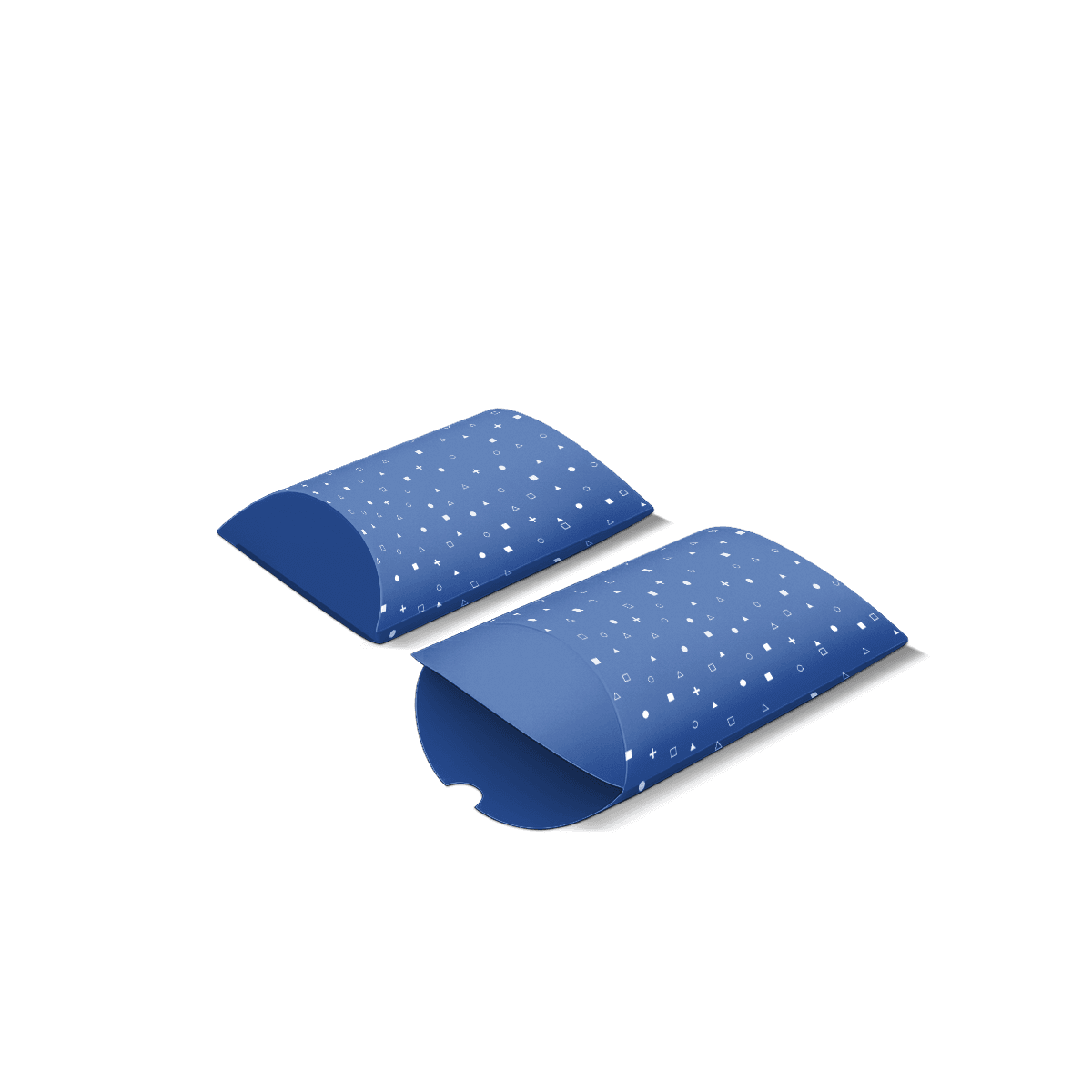
Custom Pillow Boxes

Curved folding cartons for lightweight products where compact presentation, flat storage and quick hand assembly matter more than rigid walls or square stacking.

The Curve Creates the Space

A pillow box does not have the same usable interior from edge to edge. Its front and back panels bow outward when the curved end flaps are folded, creating the familiar pillow profile and the space that holds the product.

That means sizing cannot be treated like a normal rectangular carton.

The centre of the box provides the greatest internal depth. Space reduces towards the curved ends, so a product that appears to fit within the overall width and height may still press against the closure once the box is formed.

This structure works best for lightweight, relatively slim items such as scarves, gift cards, small accessories, fabric products, promotional pieces and compact retail gifts. Within Custom Box Styles and Shapes, pillow boxes are the shape-led choice when presentation and efficient flat storage matter more than vertical stacking or rigid protection.
Size the Product in 3D

Pillow-box dimensions should be developed around the real packed item, not copied from a rectangular box specification.

A flat dieline may look generous before assembly, but the curved panels consume usable space differently once the ends are folded.

Measure Product Thickness

Product thickness is especially important.

A voucher, folded scarf or lightweight accessory may have similar front dimensions but require very different internal depth. Soft products can compress slightly. A hard rectangular item cannot.

Measure the product at its thickest point after any tissue, sleeve, card, label or internal support has been added.

Check the Tapered Ends

Do not position the thickest part of the product directly where the curved ends close unless the dieline has been developed for it.

As the end panels fold inward, internal clearance reduces. A product pushed too far towards either end can make the closure bulge, spring open or distort the front panel.

The best fit leaves enough room for the curved flaps to work without making the finished carton look empty.

Closure Tension Matters

The distinctive curved ends are also the working closure.

When they are folded inward, they force the front and back panels into shape. Too little resistance and the carton can feel loose. Too much and the ends become difficult to close.

Let the Board Flex

Paperboard needs enough flexibility to take the curved scores cleanly while still having enough stiffness to hold the finished form.

A board that is too soft can collapse or lose the rounded profile. A board that is too resistant may crack at the scores or put unnecessary stress on the end flaps.

White paperboard suits detailed colour and cleaner graphics. Kraft stock can work well where a more natural surface fits the product. The final grade should be chosen from the carton size, packed weight, print and required feel rather than appearance alone.

Do Not Force the Ends

If closing the pillow box requires pushing hard against the product, the problem is usually fit rather than closure technique.

Forcing the curved ends can create whitening at the scores, panel distortion or a closure that gradually opens again.

A correctly sized pillow box should form naturally around the contents.

Keep the Contents Lightweight

The curved body gives pillow packaging visual character, but it is not an efficient way to support significant weight.

Unlike a carton with straight vertical walls and a defined flat base, a pillow box relies heavily on its curved panels and folded ends to maintain shape.

Watch Dense Products

A compact product can still be too heavy.

Dense metal accessories, substantial glass containers or other concentrated loads can push against the curved panels even when their dimensions appear suitable.

If base support or upright shelf stability matters more than the curved silhouette, a conventional tuck carton is usually the better direction.

Use Inserts Sparingly

Simple card supports can keep jewellery, vouchers or lightweight accessories centred, but complex inserts can work against the pillow shape by trying to create a rigid rectangular interior inside a curved shell.

Use the smallest amount of internal support needed to stop movement.

For products that require a precise staged presentation, custom drawer boxes provide more controlled internal geometry and stronger insert integration.

Curves Change the Artwork

Pillow boxes offer a useful printable surface, but much of that surface changes orientation when the carton bows.

Artwork that looks perfectly flat on the dieline may appear visually compressed or wrap away from the viewer after assembly.

Keep Key Details Central

Place logos, product names, important instructions and small text on the broad central areas of the front or back panel.

These regions remain the easiest to read once the carton is formed.

Patterns, colour fields and larger illustrations can extend further towards the curved sides because slight visual distortion is less critical there.

For wider print decisions, custom printed boxes can use CMYK, Pantone references and premium offset printing according to the artwork.

Respect the End Scores

Avoid positioning small text or precise decorative details directly across the deepest curved score lines.

Foil, embossing, debossing and spot UV can all work on pillow packaging, but their placement should follow the folding behaviour rather than treating the entire flat blank as one uninterrupted design area.

A 3D mockup is particularly useful here because it shows how artwork wraps once the pillow shape is formed.

Windows Need Restraint

A die-cut window can add product visibility, but every opening removes board from a structure that already relies on curved tension.

Keep windows away from the most highly stressed end folds and avoid removing so much material that the main panel loses its ability to bow cleanly.

For a small accessory or fabric product, a modest central aperture can reveal colour or texture without turning the carton into a weak frame.

If the product needs a large viewing area, custom window boxes usually provide a better starting structure because their flatter panels offer more control around the aperture.

Flat Storage Is a Real Advantage

Pillow cartons use very little space before they are needed.

They can remain flat until packing, then form quickly as the body is opened and the curved end panels are folded into place.

That makes the structure useful for seasonal ranges, events, smaller product launches and businesses without room to store large quantities of assembled gift packaging.

For brands managing first runs or changing product lines, custom packaging for small business can help keep the initial specification practical before quantities grow.

Assembly Is Best by Hand

Pillow boxes naturally suit hand-packing.

The packer opens the body, closes one end, inserts the product and folds the second end into position. There is little benefit in making the structure more complicated unless the product genuinely needs an additional seal, label or decorative feature.

This simplicity is one of the reasons the format works well for event packs and shorter presentation runs.

Do Not Expect Square Stacking

The curved profile creates the appeal of a pillow box and also one of its main limitations.

It does not provide broad flat top and bottom surfaces for efficient vertical stacking.

Plan the Retail Position

Pillow boxes work particularly well where products sit individually, lie in a tray, hang from an appropriate retail feature or are handed directly to the customer.

For jewellery and accessories packaging, that can suit lightweight scarves, accessory cards and smaller gift items where the unusual silhouette adds value at the point of presentation.

A conventional rectangular carton is usually more efficient when products need to form tidy vertical stacks or tightly packed shelf rows.

Use Outer Protection for Delivery

A pillow box should normally be treated as presentation packaging rather than the sole courier pack.

Curved faces and folded ends can be crushed if the carton moves freely through a parcel network.

For ecommerce orders, place it inside suitable shipping boxes or another correctly sized transit structure so the pillow carton reaches the customer without flattening or scuffing.

Choose Shape for a Reason

The curved silhouette should solve a presentation problem rather than simply make the box different.

It works particularly well when a lightweight product would feel over-packaged inside a rigid presentation box or visually ordinary inside a standard tuck carton.

Custom retail packaging can help compare these structures when the same product is being considered for shelves, counters, gifting and online sale.

Pillow cartons can also suit lightweight fashion accessories, scarves, socks and small textile gifts where a rigid presentation box would add unnecessary bulk. Retail and apparel packaging provides the better wider context for products where fold size, labels, presentation and storage all affect the packaging choice.

The useful decision rule is simple: choose pillow packaging because the product is light enough to benefit from the curve, not because every small product needs a decorative box.

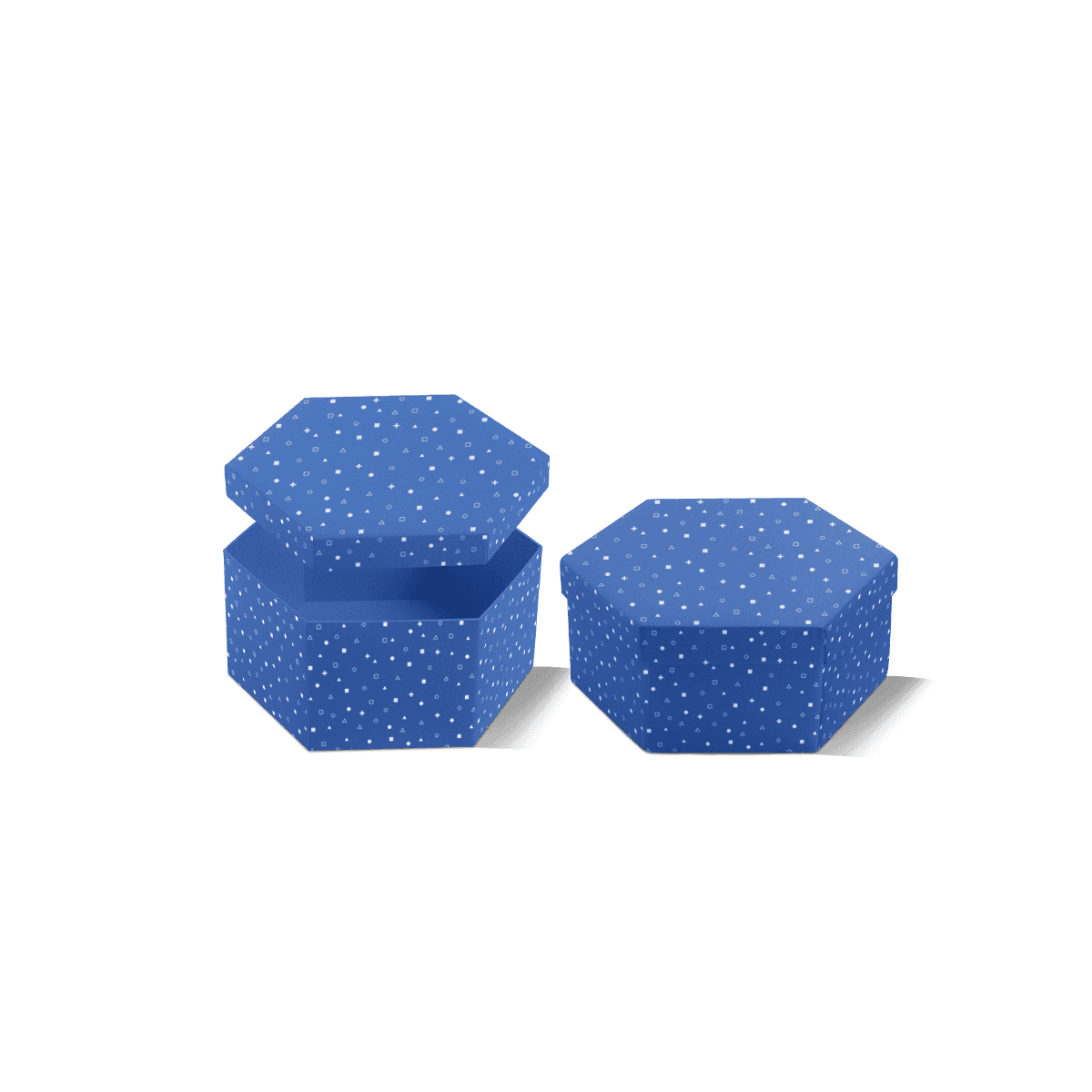
If the product needs a faceted presentation rather than a curved pillow profile, Hexagon Boxes create a different six-panel display shape but require more artwork and fold planning.

Test the Finished Curve

A flat proof cannot show whether a pillow box has been sized correctly.

The useful approval happens after the real product is inside.

Check Five Things

Form the carton and confirm that:

  • The product enters without forcing the body wider
  • The curved ends close without excessive pressure
  • The central panels retain a smooth profile
  • The contents do not visibly distort the outside surface
  • Printed artwork still reads correctly after the panels bow

Then open and close the ends several times if the carton may be handled during packing or inspection.

A fully custom pre-production sample can be arranged as a paid sample when exact product fit, closure tension or finished curvature needs physical approval.

Review the Carton Filled

Do not judge the pillow profile empty.

An empty sample can curve beautifully while the real product pushes one panel outward or makes one end harder to close.

The approved fit should always reflect the actual packed contents.

Quote the Curved Fit

Send the product length, width and maximum thickness, plus the packed weight and quantity. For soft goods, include the dimensions in the state in which they will actually be packed rather than compressing them to match an existing carton.

A product photograph or side profile is often more useful than an old rectangular-box size because usable space changes towards the curved ends. Send those details through the detailed quote form so the pillow dieline can be developed around the real product profile.

FAQs

Pillow boxes are best suited to slim, lightweight products that do not need a rigid wall or heavy-duty base. They work especially well for jewellery, soaps, accessories, confectionery, gift cards, event favours and promotional samples. If the contents are bulky, fragile or weighty, a drawer box or tuck-style carton will usually give a better result.

Pillow boxes are lighter, quicker to assemble and more economical on board use, while drawer boxes feel more structured and premium. Choose the pillow style when shape, simplicity and lighter presentation matter most. Choose drawer boxes when the product needs a firmer outer shell, stronger stacking confidence or a more substantial unboxing sequence.

They can, but usually as the presentation layer rather than the only shipping pack. The curved form looks appealing in hand, yet it is not designed to absorb rough transit on its own. For postal use, place the filled pillow box inside a mailer or shipping carton so the outer presentation stays clean and the contents stay protected.

Kraft board works well for a more natural or handmade look, while smoother paperboard grades suit sharper print and finer decorative finishes. Foil, embossing, debossing, matte lamination and spot gloss can all work well on this style. The main decision is how much rigidity and surface refinement the product needs without making the pack feel overbuilt.

Start with product length, width and thickness, then check how tightly the curved flaps should close once the item is inside. Also confirm whether the contents need a card insert, ribbon tie, hang hole or extra outer protection for delivery. Those details affect the final size, board choice and how polished the finished pack feels in use.

Process

How it works

Your Packaging Journey, From Idea to Production and Delivery

01

Tell Us Your Specs

Custom packaging boxes

Tell Us Your Specs

Provide size, quantity, printing, and finishes.

02

Get a Fast Quote

Custom packaging boxes

Get a Fast Quote

Instant transparent pricing, no hidden fees.

03

Design and Approval

Custom packaging boxes

Design and Approval

Artwork checks, revisions, and final sign-off.

04

Produce

Custom packaging boxes

Produce

Expert manufacturing to meet deadlines.

05

Ship to Your Door

Custom packaging boxes

Ship to Your Door

Hassle-free, flexible delivery options.

Get Your Quote for Custom Pillow Boxes

Share your product details, dimensions, quantity and artwork needs. We’ll help choose the right packaging style and send a clear quote.