Skip to content
Details

Custom Tuck Top Boxes

Create custom tuck top boxes around the product’s weight, dimensions, opening direction and shelf presentation. Choose the right board, bottom construction, insert and print finish for cartons that close cleanly, pack efficiently and present the product with purpose.

Printed Tuck Top Packaging Built Around the Product

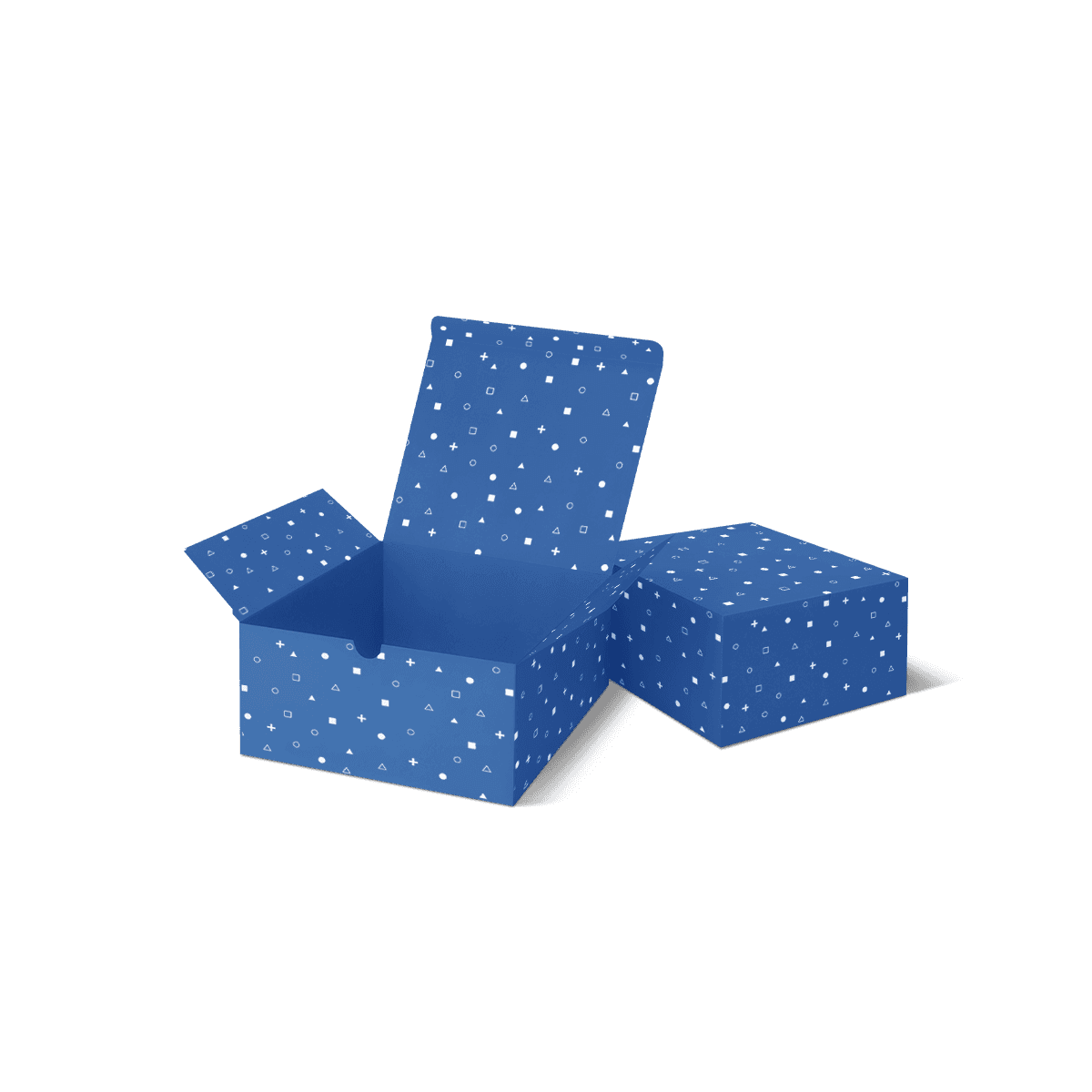
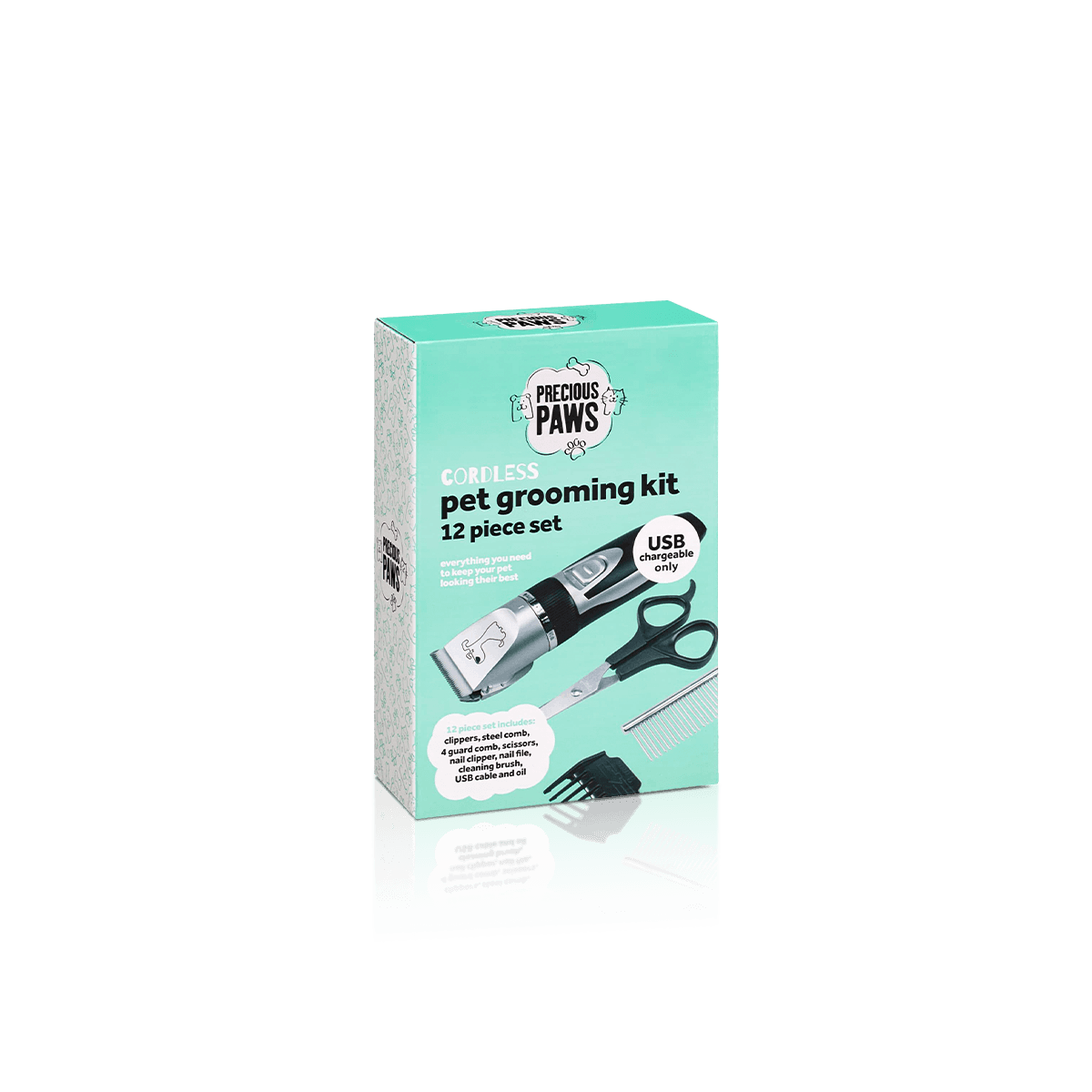
Custom tuck top boxes are folding cartons with a main lid flap that folds over the opening and tucks into the front or rear panel. Two smaller dust flaps sit beneath it, helping the carton close neatly and keep its upper edges square. The base may use a simple tuck closure, snap-lock construction or auto-bottom.

“Tuck top” describes the upper opening, not the whole box specification. A light skincare tube may work with a simple base. A glass jar may need stronger support. Product weight, dimensions, filling direction, internal support and shelf position should therefore be settled before the dieline and artwork are approved.

How a Tuck Top Closure Should Work

A well-made tuck top should open without tearing, close without force and stay flat during normal handling. Flap depth and crease position affect whether the lid stays secure or springs open.

Main Tuck Flap

The main flap carries the closing action. If it is too shallow, it may slip free. If it is too deep, it can drag against the product, insert or inner wall. It should fit closely while still opening and closing smoothly.

Dust Flaps and Thumb Notches

Dust flaps reduce side gaps and help the carton hold its shape. A thumb notch can make opening easier when the lid fits closely. Both details should be planned around the product height.

Glue Seam and Front Panel

Most folding cartons use a glued side seam. Its position affects which panel stays clean for branding. Keep logos, barcodes and key product copy away from glue areas, narrow folds and locking points.

Choose the Bottom for Product Weight and Packing Speed

The base decides how much load the carton can manage and how long assembly takes. A thicker board cannot rescue a bottom style that is wrong for the packed weight.

Simple Tuck Base for Lightweight Goods

A simple tuck base suits compact products that place limited pressure on the lower flaps. It stores flat and works well for many cosmetics, cards, accessories and promotional items.

When both end flaps close in the same direction, custom straight tuck end boxes can keep the main display face cleaner. Reverse tuck end boxes use opposing end closures and can suit fast-moving retail ranges.

Snap-Lock Base for More Support

A snap-lock bottom uses interlocking flaps folded into place by hand. It gives denser products a firmer footing while allowing the cartons to arrive flat. Snap-lock bottom boxes suit orders where extra support matters more than maximum setup speed.

Auto-Bottom for Repeat Packing

A pre-glued auto-bottom forms as the carton opens. It reduces repeated folding and helps packing teams work at a steadier pace. Tuck top auto-bottom boxes are often better for bottles, jars, candles and other compact products with noticeable weight.

Size Custom Tuck Top Boxes Around the Final Packed Item

Correct sizing begins with the product in its final packed condition. Measure it with the cap, pump, sleeve, wrapping, leaflet, cable, insert or accessory that will sit inside the carton. State whether the dimensions are internal or external and identify the front-facing panel.

Allow Working Clearance, Not Empty Space

The product needs enough room to enter and leave without force. Too little clearance can cause scuffing, bulging and blocked flaps. Too much allows movement, weakens presentation and may require a larger insert.

Board thickness, lamination and deep finishing can reduce usable internal space. The steps in What Size Tuck Box Do I Need? are useful for round products, inserts and packs with little tolerance.

Leave Room for the Closing Flaps

A product can fit inside an open carton and still stop the lid closing. Dust flaps and the main tuck flap need room to fold without striking the contents. The top should sit flat without a raised centre or pressure mark.

Select Board for Rigidity, Print and Clean Folding

The right board remains square, supports the product and folds without cracking after printing and finishing. Descriptions such as “strong cardboard” or “premium stock” are too vague for a dependable specification.

White coated paperboard can carry bright graphics and small text. Kraft board creates a more natural surface and changes how inks appear. Uncoated stocks offer a softer look but may reproduce colour differently. Larger cartons may need a thicker, stiffer grade, yet the grain direction and crease design must still allow clean folding.

Do Not Approve Material by GSM Alone

GSM measures material weight per square metre. It does not fully describe stiffness, density, caliper or fold performance. Two boards with the same GSM can behave differently. Confirm the grade, thickness, coated side, finish and approved sample where fit or rigidity is important.

Separate Retail Cartons From Transit Packaging

A folding tuck top carton is mainly used for product presentation and shelf handling. It should not automatically replace a delivery box. Products moving through parcel networks may need an outer carton or corrugated format. Tuck top mailer boxes serve a different purpose and are built around ecommerce protection and unboxing.

Use Inserts to Hold and Present the Product

An insert can centre the item, reduce movement and create a more deliberate reveal. It can also separate accessories, support a bottle or reserve space for a leaflet. The insert and outer carton should be sized together.

Paperboard Inserts and Dividers

Die-cut paperboard inserts suit products that need a shaped opening, raised platform or light restraint. Dividers organise several items and reduce contact between components. Both can improve the presentation of cosmetics, accessories, bottles and small product sets.

Plan Removal as Carefully as Fit

The product must stay secure but remain easy to lift out. Finger notches, pull tabs and controlled clearance can improve access. An insert that holds firmly but frustrates removal weakens the opening experience.

Plan Printing and Finishes Around the Structure

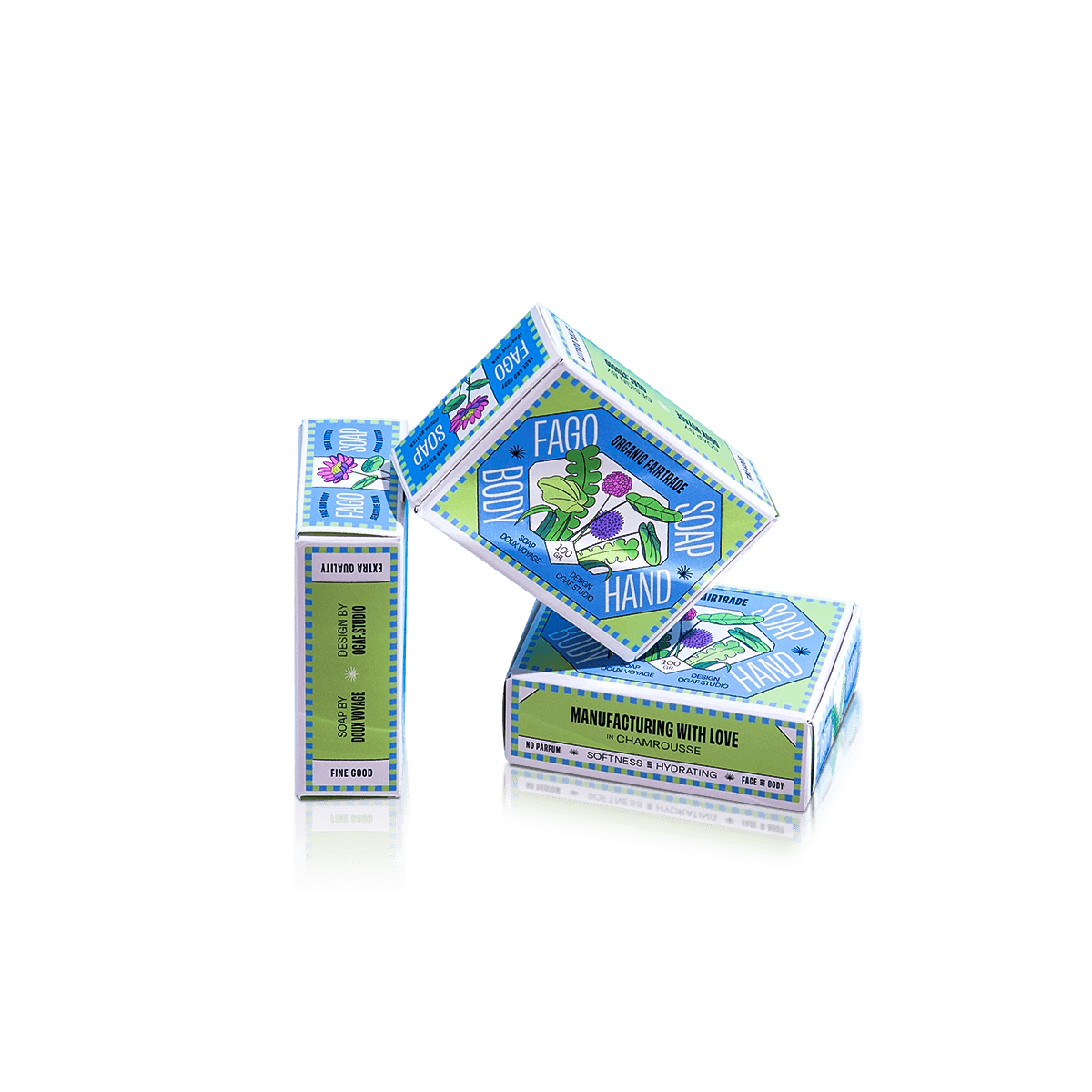
Custom tuck top boxes provide front, side, back and lid panels for branding, product details and variant control. Artwork should follow the assembled carton rather than treating the flat dieline as one large canvas.

CMYK suits full-colour graphics and imagery. Pantone colours can support closer brand-colour control. Inside printing can carry instructions or a short reveal message, provided it avoids glue zones and production marks.

Match the Finish to Handling

Matte lamination reduces glare. Gloss adds reflection and colour lift. Soft-touch can create a more tactile result but should be checked for rubbing. Foil, embossing, debossing and spot UV work best when they focus attention on selected details.

Deep embossing or heavy foil across a crease can affect folding. Keep detailed finishes away from narrow flaps, glue areas and locking points unless the layout has been tested.

Approve the Dieline Before Artwork

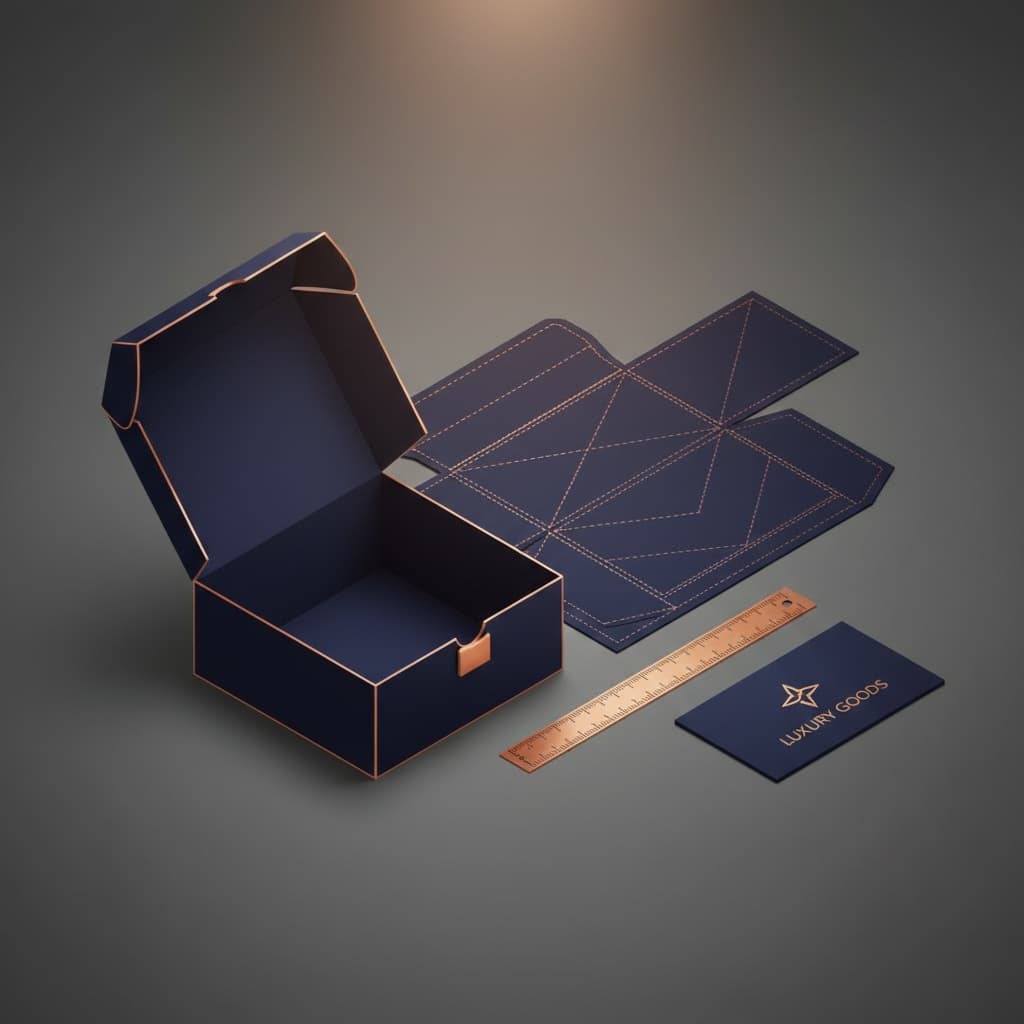
Use the free box dieline generator as an early planning tool when you need to see panels, cut lines, creases and bleed. The production dieline should still be checked for material thickness, flap fit, glue areas and finishing positions before final approval.

Build the Carton for Packing, Storage and Display

Tuck top cartons usually arrive flat, helping reduce storage space before use. Their real packing speed depends on the bottom closure, product shape and insert design.

A simple base may suit shorter runs. Manual locking becomes more noticeable as quantities rise, while an auto-bottom removes repeated folding steps. The correct option is the one that creates a stable finished pack at the required rate.

Check the Shelf Face

Confirm which panel faces the customer and whether the filled carton stands square. Key text should not cross a crease, and the product weight should not bow the base or distort the front panel.

Protect the Printed Carton During Fulfilment

Custom tuck top boxes are not automatically parcel-ready. For ecommerce delivery, review the outer carton, void space, stacking and internal movement. A suitable fulfilment pack protects printed faces, corners and finishes from rubbing or impact.

Prepare a Clear Specification Before Bulk Ordering

A complete specification reduces quotation gaps, material substitutions and avoidable revisions. It also makes quantity breaks easier to assess because each price is based on the same carton.

Provide:

  • Product dimensions and packed weight
  • Required quantity
  • Preferred top and bottom closure
  • Board grade or material preference
  • Outside and inside print coverage
  • CMYK or Pantone requirements
  • Lamination, foil, embossing or spot UV details
  • Insert, divider, window or leaflet needs
  • Artwork status
  • Delivery postcode and required timing

MOQ starts from 100 boxes. Production is typically 6 to 8 working days after specifications and artwork approvals are complete. Free delivery and design support from dieline to 3D mockup are available. Larger quantities can receive better unit pricing, while warehousing and scheduled deliveries can support repeat supply.

Approve the Structure Before Full Production

A 3D mockup helps confirm panel direction, artwork placement and visual balance. It cannot prove product fit, board stiffness or flap resistance. A physical sample is more useful when the product is heavy, fragile, tightly fitted or held by a custom insert.

Test Closing, Opening and Base Strength

Assemble the carton, load the real product and close it several times. The tuck flap should enter smoothly, the lid should remain flat and the dust flaps should not hit the contents. Lift and handle the packed carton to confirm the base stays square and closed.

Keep the Approved Details in Writing

Record the dimensions, board grade, print method, finishes, insert and approved artwork. A reliable tuck top box supplier should define what will be manufactured, explain what the sample proves and keep the quotation aligned with the final specification.

Why Choose Custom Packly for Custom Tuck Top Boxes

Custom Packly can help select the bottom style, establish internal dimensions and prepare the project from dieline to 3D mockup. This is useful when a carton must balance product fit, shelf presentation, packing speed and repeat production.

Local production, an MOQ from 100 boxes and a typical production time of 6 to 8 working days support launches, growing ranges and bulk orders. Free delivery and 24/7 packaging expert support help keep the quotation and approval process clear. Free examples of previous work are available, while exact custom pre-production samples can be arranged as paid samples.

Send the product dimensions, weight, quantity and artwork status with the quote request. When the bottom construction is uncertain, explain how the product will be packed, stored and handled so the structure can be confirmed before pricing is finalised.

FAQs

They suit lightweight to medium retail goods such as cosmetics, supplements, accessories and small gift items. The base must match the packed weight.

The top usually closes by friction without tape. The side seam is normally glued during production, and some base styles use pre-glued sections.

A snap-lock or auto-bottom usually gives more support than a simple tuck base. Product weight, box size and packing speed should decide between them.

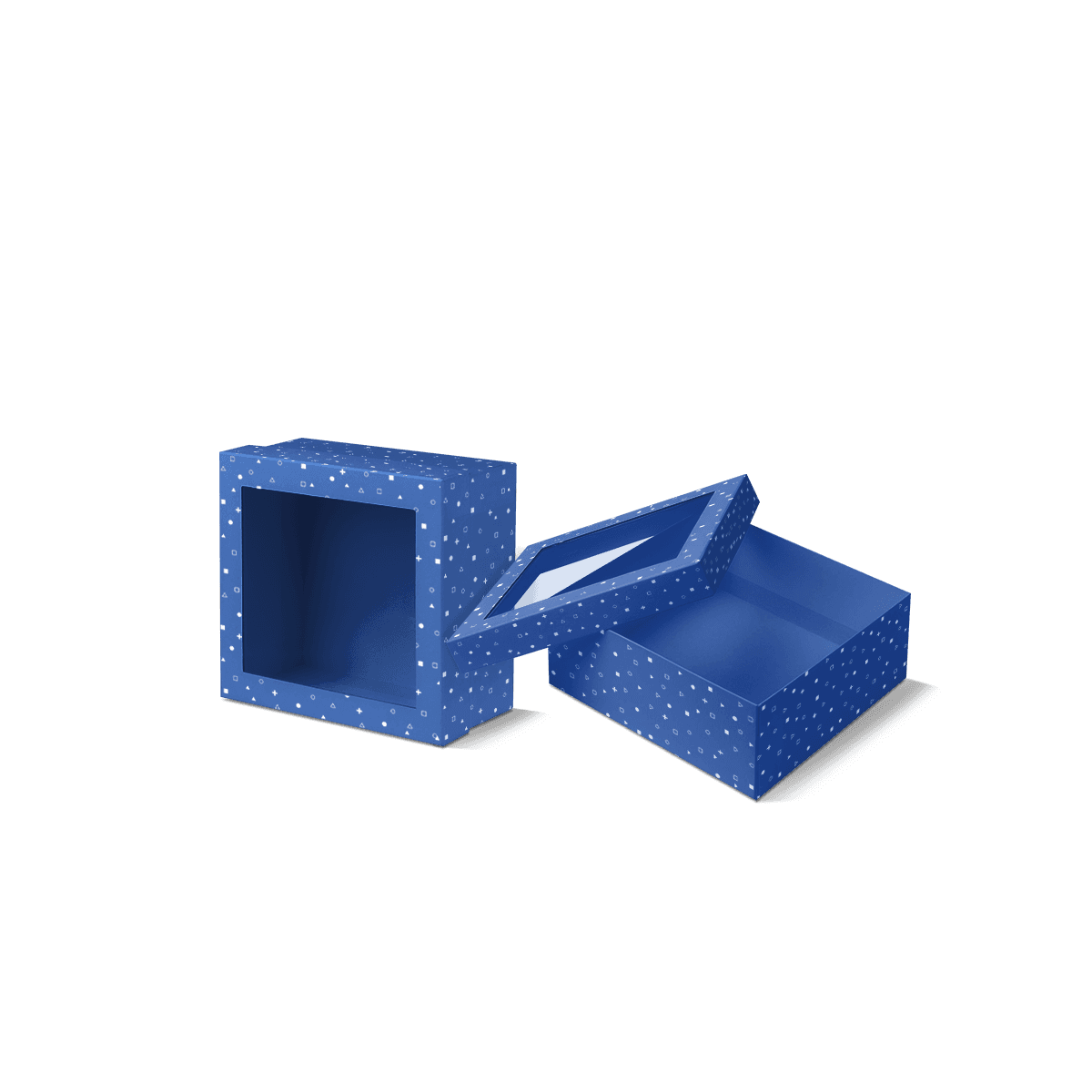
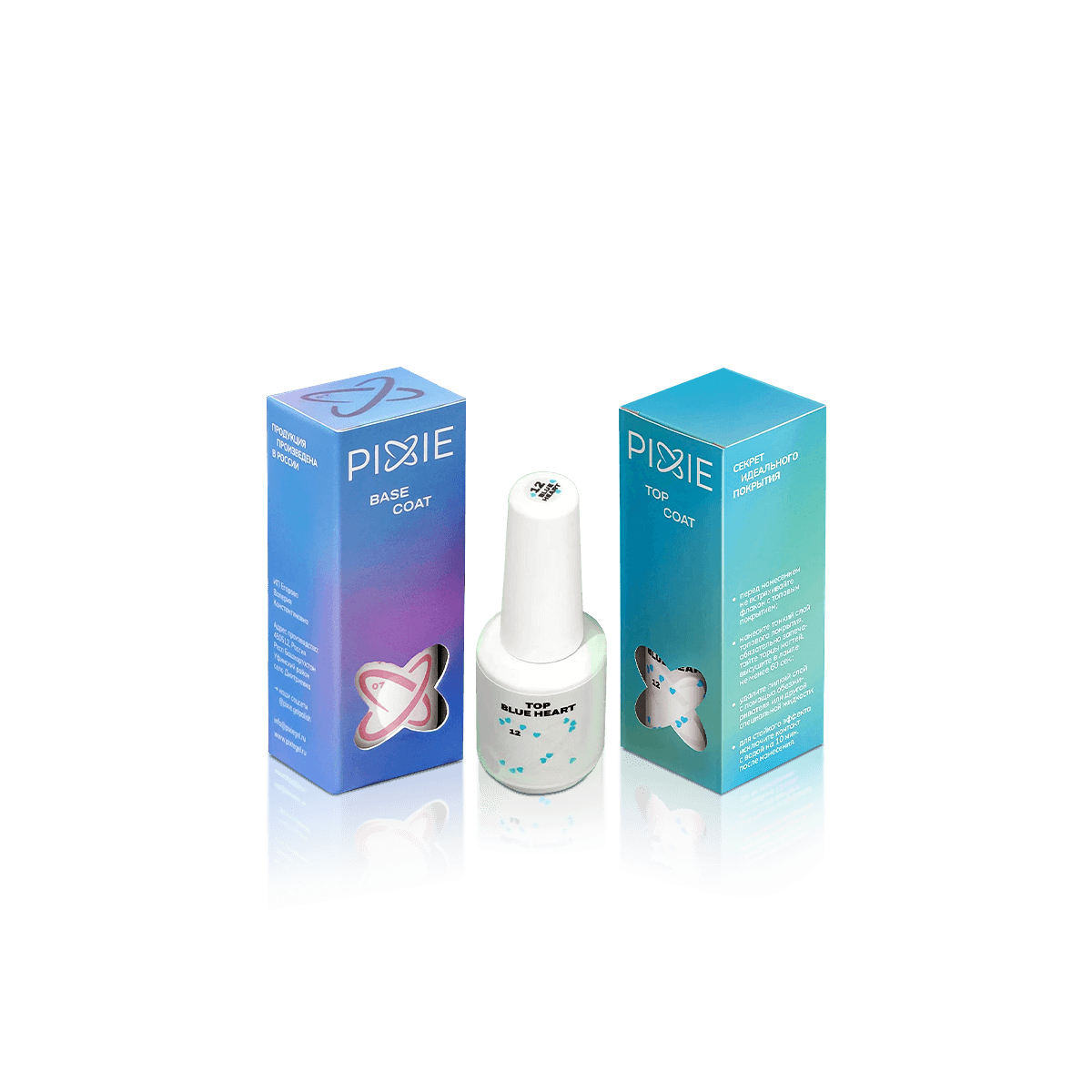
Yes. Inserts, dividers and window cut-outs can be added when panel strength, product position and internal dimensions are planned together.

They are usually supplied flat and assembled before filling. Pre-glued auto-bottom versions open faster during repeat packing.

Process

How it works

Simple steps from idea to delivery

01

Tell Us Your Specs

Custom packaging boxes

Tell Us Your Specs

Provide size, quantity, printing, and finishes.

02

Get a Fast Quote

Custom packaging boxes

Get a Fast Quote

Instant transparent pricing, no hidden fees.

03

Design and Approval

Custom packaging boxes

Design and Approval

Artwork checks, revisions, and final sign-off.

04

Produce

Custom packaging boxes

Produce

Expert manufacturing to meet deadlines.

05

Ship to Your Door

Custom packaging boxes

Ship to Your Door

Hassle-free, flexible delivery options.

Get Your Quote for Custom Tuck Top Boxes

Share your product details, dimensions, quantity and artwork needs. We’ll help choose the right packaging style and send a clear quote.