Skip to content
Details

Custom Tuck Top Auto Bottom Boxes

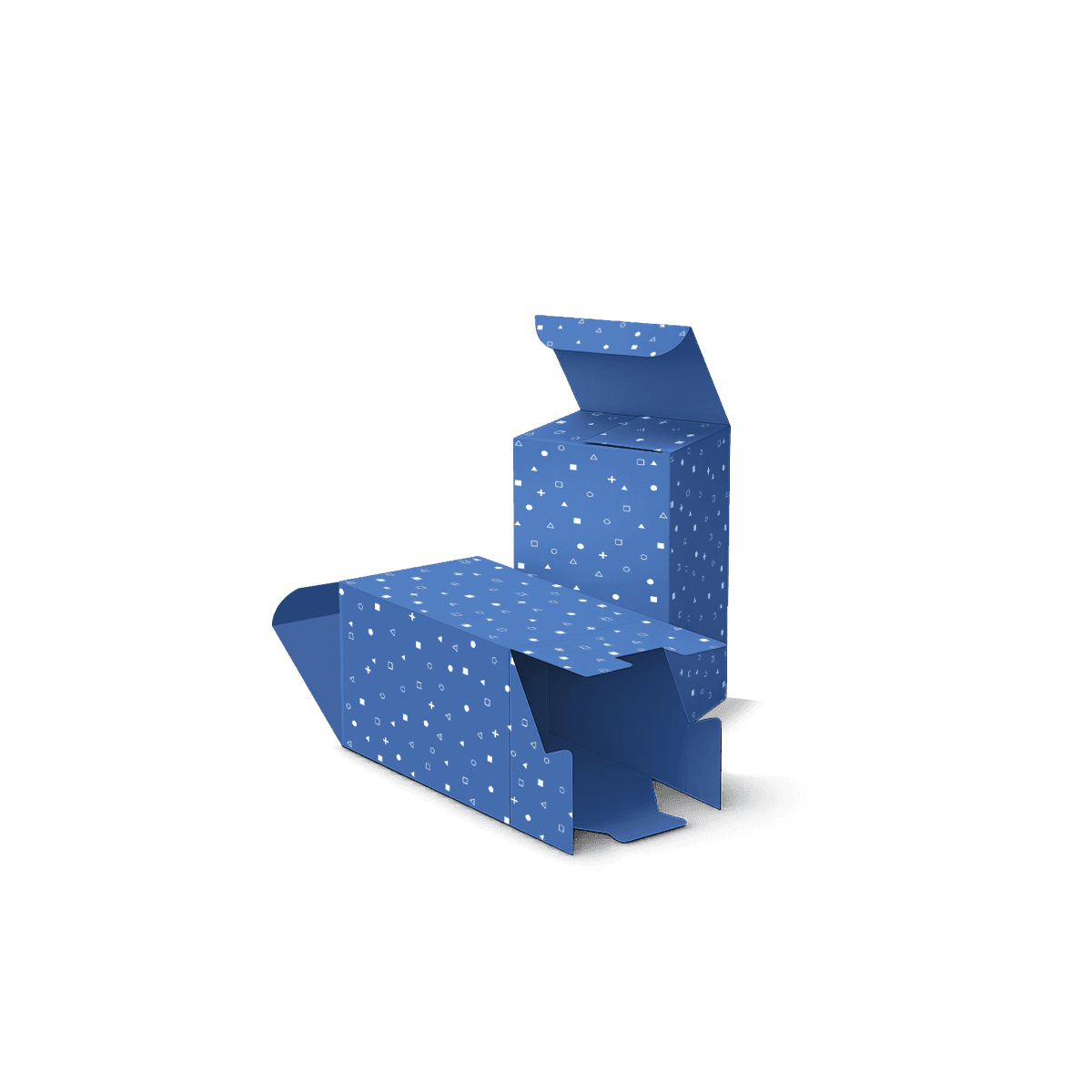
A reclosable tuck-top opening paired with a pre-glued automatic base for retail cartons that need quick erection and controlled top access.

Two Closures, One Carton

Choose tuck top auto bottom when the carton needs two things at once: a base that forms quickly during erection and a top opening that can be tucked closed and reopened cleanly.

This combination is useful for repeat-packed products that are loaded from above, including compact gift sets, amenity kits, sample collections and retail accessories. The automatic bottom reduces work at the base while the upper tuck keeps access straightforward for filling, inspection and the eventual customer opening.

The structure should therefore be judged as one interaction. A fast base has little value if the top catches the product, and a neat tuck lid does not compensate for a base that has not fully squared before loading.

Make the Top Easy to Use

The top closure should be planned around how the product enters the carton and how the customer will open it later. A friction tuck that is too tight can scuff, tear or spring back. One that is too loose may not stay seated during normal retail handling.

Set the Tuck Depth

The main top flap needs enough depth to remain engaged without travelling so far into the carton that it rubs against the product, leaflet or insert. Board thickness, crease position and the final internal dimensions all influence that fit.

This is especially important with tall jars and bottles. The product can appear to fit correctly while leaving too little headroom for the dust flaps and tuck flap to move into place. Measure the packed item with caps, pumps, lids and any protective components fitted.

For projects where the upper closure matters but a pre-glued base is not necessary, custom tuck top boxes allow the top-opening requirement to be considered with other base styles.

Give Dust Flaps Clearance

The smaller side flaps beneath the lid help close side gaps and keep the upper edges orderly. They need their own movement space.

A round bottle shoulder, protruding pump or high insert can catch these flaps even when the stated length, width and height appear correct. The practical test is whether the complete top closes naturally after the real product is loaded, not whether the empty carton can be folded shut.

Let the Base Open Fully

The automatic bottom is pre-glued during manufacture and forms as the flat carton is opened. It should reach its intended position before the product is loaded.

Do not treat the mechanism as a universal weight guarantee. Performance depends on the carton footprint, board grade, crease accuracy, glued areas, dimensions and how the product distributes its load.

Square Before Filling

The carton should be opened fully and squared before a bottle, jar or other dense item is dropped into it. Loading too early can stop the base panels from settling correctly or leave the carton twisted.

A square carton also matters at retail. If the base is not fully formed, one corner can sit higher than another and the front panel may no longer present cleanly on a shelf.

The broader auto bottom boxes page is the better comparison when the main decision is the automatic base itself rather than this particular top-and-bottom combination.

Keep Inserts Above the Mechanism

An insert can centre a candle vessel, bottle or jar, but its lower edges should not obstruct the moving base panels. The outer carton and fitment should therefore be developed together.

A useful insert controls sideways movement while leaving the automatic base free to form. If several products share one carton, inserts and dividers can separate components, but the combined packed weight and load position still need checking.

Match the Packing Sequence

This style is most valuable when the complete packing sequence benefits from it. The base can remove repeated manual folding, while the top remains open for straightforward product loading and final closure.

That combination can work well on repeat runs where cartons are erected, products are loaded from above, leaflets or accessories are added and the tuck flap is closed without tape.

Check What Staff Actually Do

Watch the packing sequence before finalising the structure. If staff have to turn the carton several times, force an insert past the opening or reopen the top to correct product orientation, an automatic base alone will not solve the handling problem.

The better specification is the one that reduces unnecessary movements across the whole task.

Plan Reopening Too

The top may be opened more than once before the customer receives the product. Quality checks, retail inspection or adding promotional material can all require reopening.

If repeated access is expected, test several open-close cycles. The flap edge should remain clean and the lid should still sit flat. A tuck closure provides reclosure, but it is not automatically tamper evident. Tamper labels, seals or other evidence-of-opening features should be specified separately where required.

Know When It Earns Its Place

A tuck top auto bottom carton has more converting complexity than a simple tuck-end box, so it should solve a real operational or product-support problem.

It tends to make sense when the product has noticeable weight, packing is repeated often and easy top access is useful. If the contents are very light and quantities are modest, a simpler tuck structure may be sufficient.

If the product needs greater base support but manual assembly is acceptable, snap lock bottom boxes are worth comparing. Their interlocking base is folded by hand rather than forming from a pre-glued mechanism.

At the other extreme, very heavy, fragile or courier-exposed products may need corrugated transit packaging instead of relying on a paperboard retail carton. The strongest choice is not the most complex folding carton. It is the structure that matches the product journey.

Size Both Working Ends

Sizing this box is more than adding clearance around the product. Both the automatic bottom and the tuck top occupy working areas that must function after the contents are loaded.

Start with internal dimensions and the complete packed product. Then check the space required for the top flap, dust flaps, insert, leaflet and any cap or shoulder that sits near the opening.

Control Headroom

Too little headroom can cause the lid to bow or leave the tuck flap partly exposed. Too much can make the product look lost and may increase movement.

For a bottle or jar, check the highest point of the closure rather than only the main body. For a multi-item set, measure the highest component after the insert is assembled.

The tuck box sizing process covers internal dimensions and working clearance in more detail.

Watch the Product Footprint

The base also needs a sensible relationship with the product footprint. A dense item concentrated in one small area can stress the lower structure differently from a broader product of the same overall weight.

An insert can spread or control that load, but the final decision should be made from an erected sample using the real contents where base performance is important.

Print the Opening Path Carefully

Tuck top auto bottom boxes provide useful front, back, side and lid panels for branding, instructions and variant information. Premium offset printing can reproduce detailed graphics and controlled colour across those surfaces, while CMYK and Pantone requirements can be specified according to the artwork.

The moving panels deserve extra attention because they are touched and folded more often than a static display face.

Protect the Tuck Edge

Keep critical small text and delicate finishing away from the narrow edge that repeatedly enters the carton. Foil, heavy spot UV or deep embossing across a working crease can make the closure less forgiving if the layout is not tested.

Matte, gloss and soft-touch finishes can all change surface friction as well as appearance. The finish should therefore be approved on the actual board where the opening feel matters.

For broader print decisions across folding cartons, custom printed boxes covers artwork, colour and finish choices across different structures.

Use the Lid Deliberately

The top panel can carry a logo, product name, opening cue or restrained brand detail, but its orientation should be checked on the assembled carton. Inside-lid print can also add information or a short reveal message where the structure leaves the area visible.

A free 3D mockup helps verify the panel direction before production. The dieline generator can support early layout planning, while final artwork should still follow the approved production dieline and its glue, fold and safe areas.
Prove the Complete Interaction

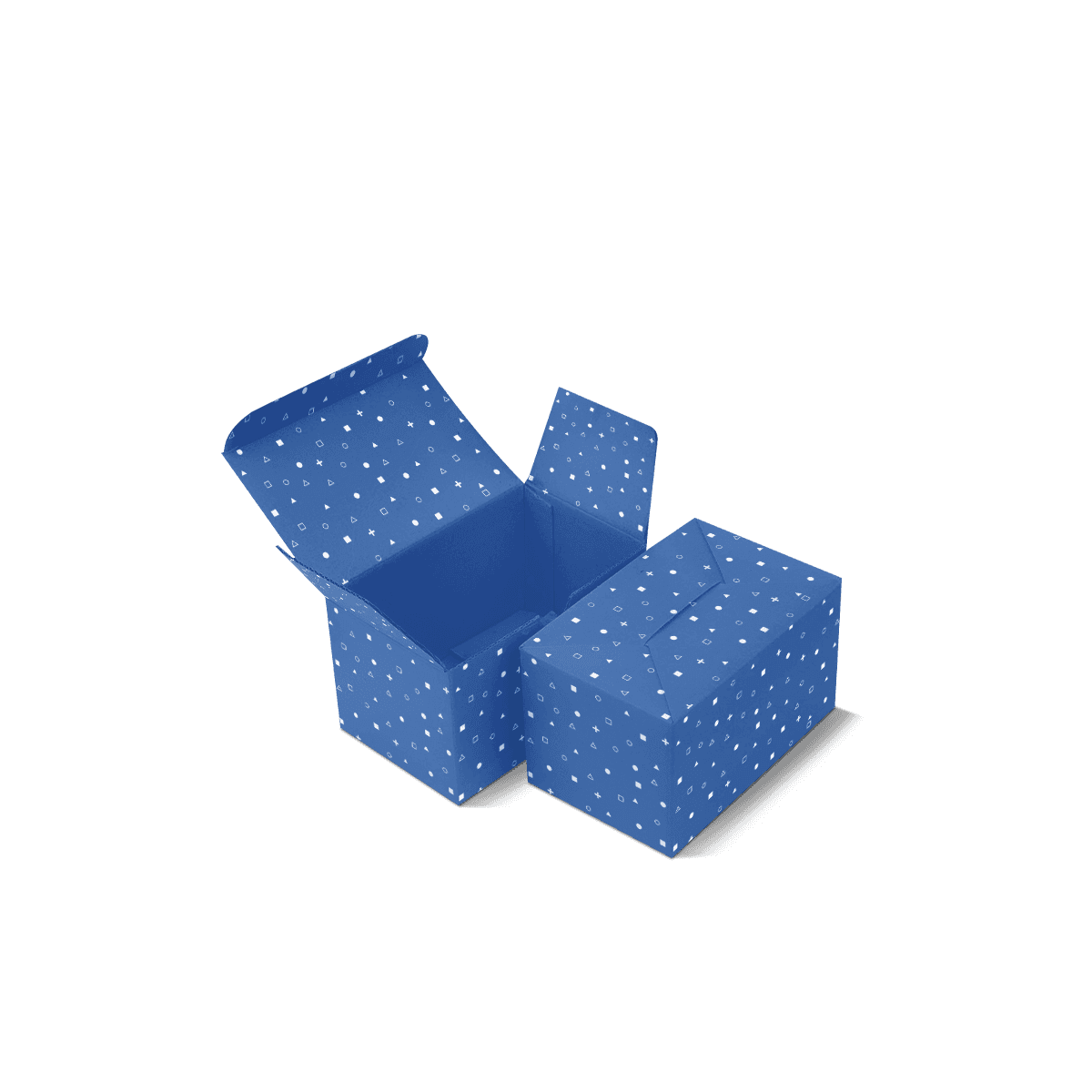
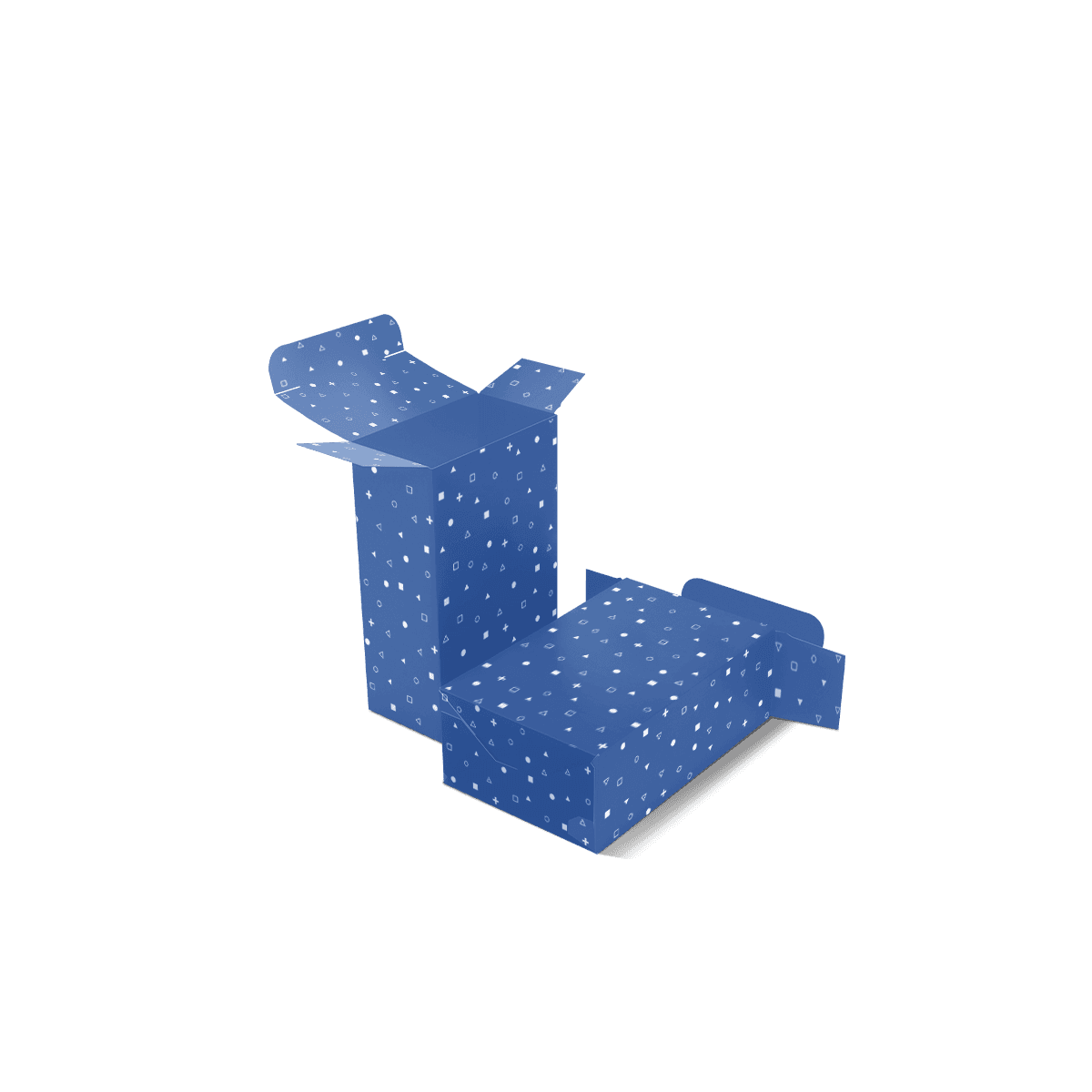
A digital proof can confirm graphics, but this style should also be judged as a physical sequence: open the flat carton, square the base, load the product, close the top, reopen it and check the base again.

Look for resistance at the tuck edge, dust flaps touching the contents, side-panel bowing, a base that does not sit level or an insert that interferes with either closure.

This matters for events, hospitality and gifting packaging, where amenity or promotional sets may need quick preparation but still open neatly from the top. It is also relevant to custom retail packaging, where cartons may be opened for stocking or inspection before reaching the customer.

The tuck top supplier checklist is also useful when comparing samples, specifications and approval documents before a repeat run.

Confirm Both Closures

Pricing should describe the complete carton: internal dimensions, packed weight, quantity, product loading direction, insert requirements and any repeated-opening requirement at the top. Artwork and finish details should also be included where they affect the tuck edge or moving panels.

If the main uncertainty is structural, explain whether packing speed, easy top access or both are driving the choice. Send those details through the detailed quote form so the two closures can be reviewed together instead of treating the base and lid as separate packaging decisions.

FAQs

Choose tuck top auto bottom boxes when the contents need more bottom support than a standard tuck top carton can usually provide but the pack still needs a neat top-opening lid. They are a strong fit for compact products with noticeable weight, especially where quick assembly, upright shelf display and a more refined retail opening all matter at the same time.

The main difference is the base. A standard tuck top box usually relies on a simpler bottom construction, while tuck top auto bottom boxes use a pre-glued base that locks open during set-up. That makes the carton faster to assemble and better suited to denser contents. If the product is light, the simpler tuck top version may still be enough.

It is usually better when packing speed matters. Tuck top auto bottom boxes open into shape more quickly because the base forms automatically, while snap lock bottoms need manual assembly before filling. Snap lock can still suit some projects where cost control comes first, but for faster set-up and smoother repeat packing, the auto bottom route is often stronger.

Start with product weight, dimensions and whether the contents sit upright or need extra internal support. Then confirm the fill direction, top closure depth, board thickness and any insert, partition or tamper requirement. These points affect how well the base performs and whether the finished carton feels stable, easy to close and consistent across production.

Yes. This construction still gives you strong outer panels for branding, product information and finish work. Foil, embossing, matte lamination, gloss coating and spot UV can all work well when the board is selected properly. The key is to pair the decorative finish with a board grade that still folds cleanly and supports the glued base accurately.

Process

How it works

Your Packaging Journey, From Idea to Production and Delivery

01

Tell Us Your Specs

Custom packaging boxes

Tell Us Your Specs

Provide size, quantity, printing, and finishes.

02

Get a Fast Quote

Custom packaging boxes

Get a Fast Quote

Instant transparent pricing, no hidden fees.

03

Design and Approval

Custom packaging boxes

Design and Approval

Artwork checks, revisions, and final sign-off.

04

Produce

Custom packaging boxes

Produce

Expert manufacturing to meet deadlines.

05

Ship to Your Door

Custom packaging boxes

Ship to Your Door

Hassle-free, flexible delivery options.

Get Your Quote for Custom Tuck Top Auto Bottom Boxes

Share your product details, dimensions, quantity and artwork needs. We’ll help choose the right packaging style and send a clear quote.