Skip to content
Details

Custom Straight Tuck End Boxes

Same-direction tuck cartons shaped around your product, print layout and packing routine for a clean retail face without unnecessary base weight.

Free Design Support

Clear Pricing

Flexible Quantities

Unlimited Customization

Premium Materials

Offset Precision

Free Shipping

Quick Turnaround

Dieline preview

Generate a Straight Tuck End Dieline

Use custom dimensions to view the dieline for this box style and plan artwork with more confidence.

Bleed
Crease
Trim

No preview available

Straight Tuck End

Calibrated controls

Current size120 × 60 × 160 mm
Preview scale100% centered
StateValidated
Next Step

Turn Your Dieline Into Custom Packaging

Share your box size, quantity, material, print and artwork details on the quote page. We’ll review your dieline and email your custom packaging quote with the dieline file.

Continue to quote

Printed Straight Tuck End Cartons for a Clean Retail Face

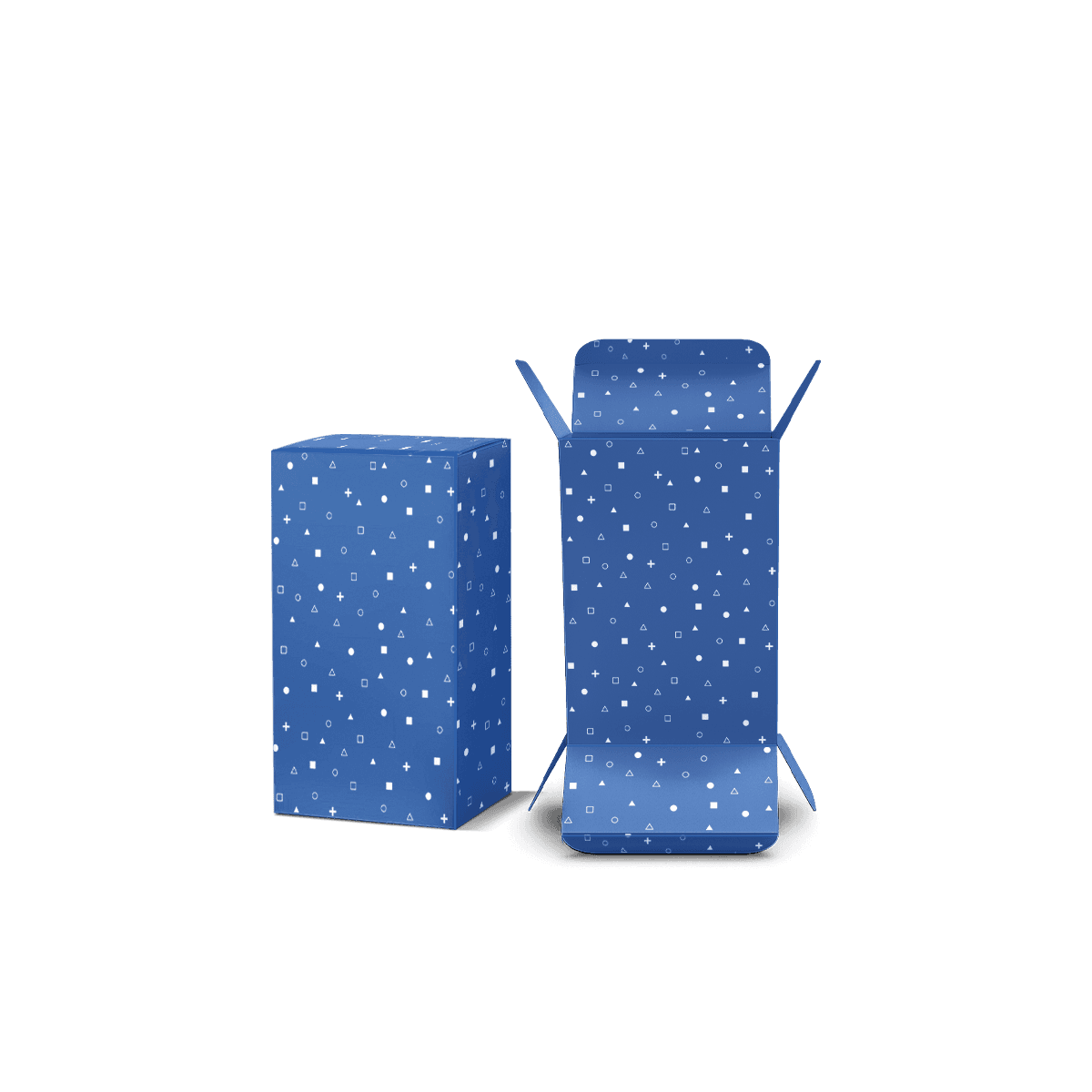
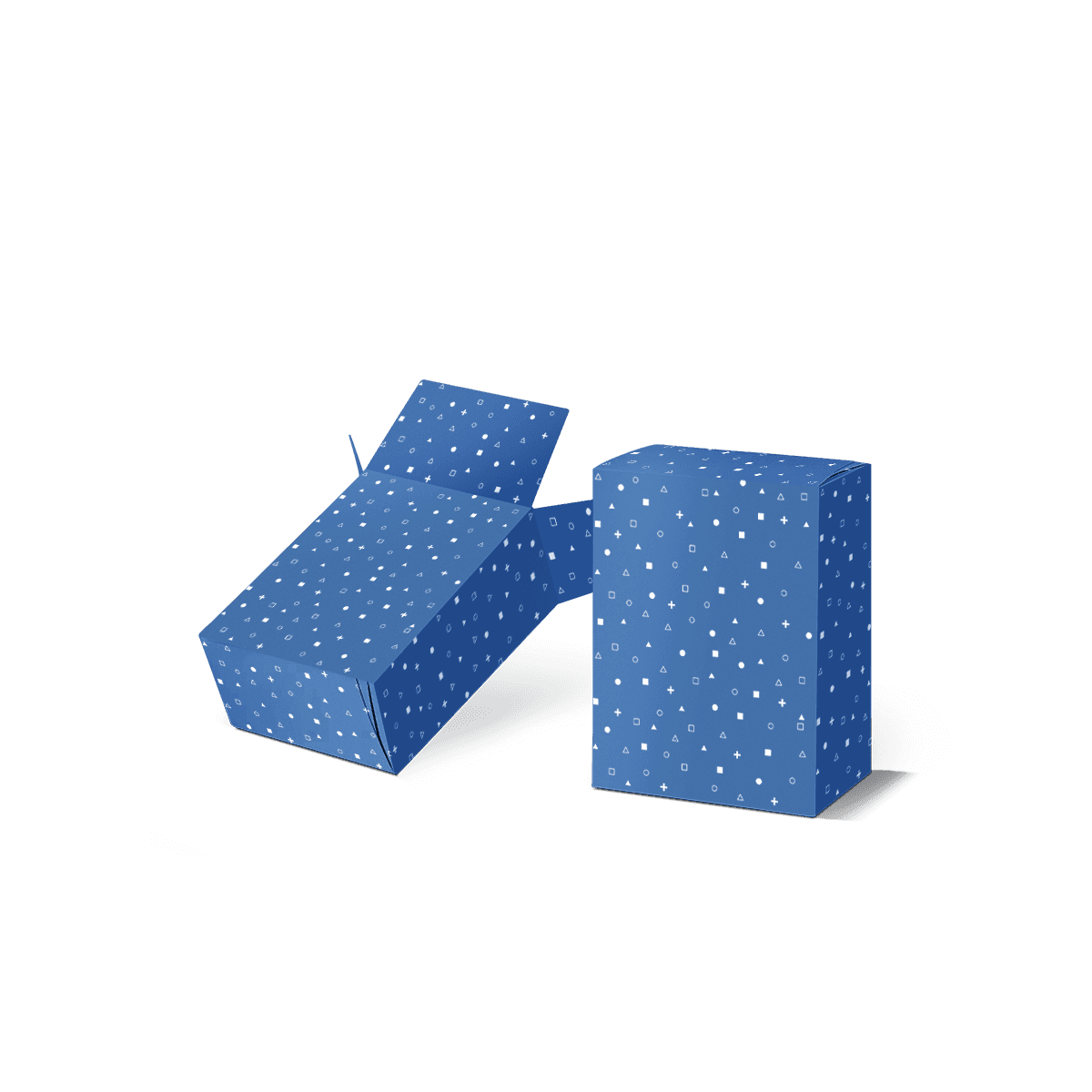
Custom straight tuck end boxes are folding cartons with top and bottom tuck flaps that close in the same direction. This keeps the main display panel neat and gives lightweight retail products a simple, familiar opening.

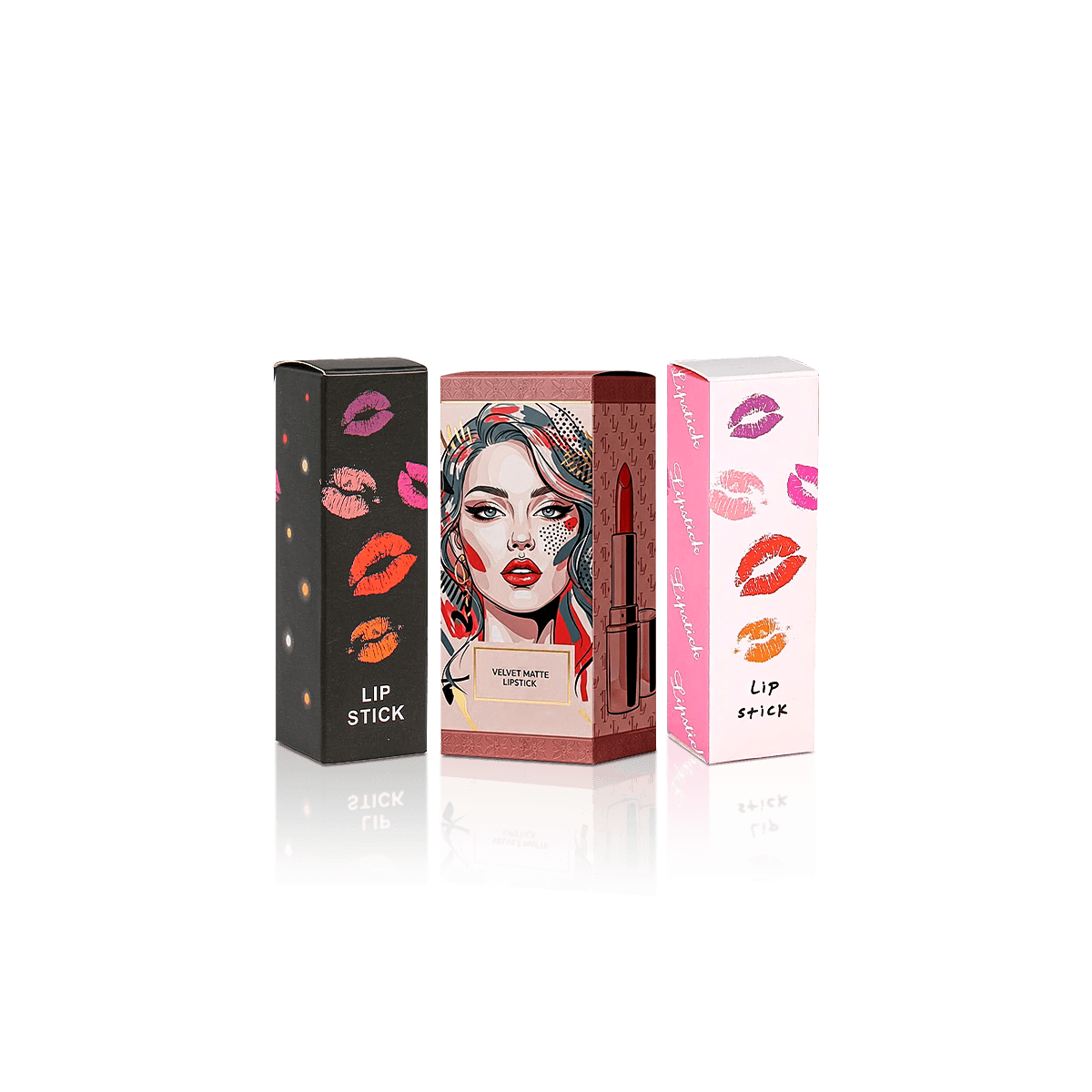
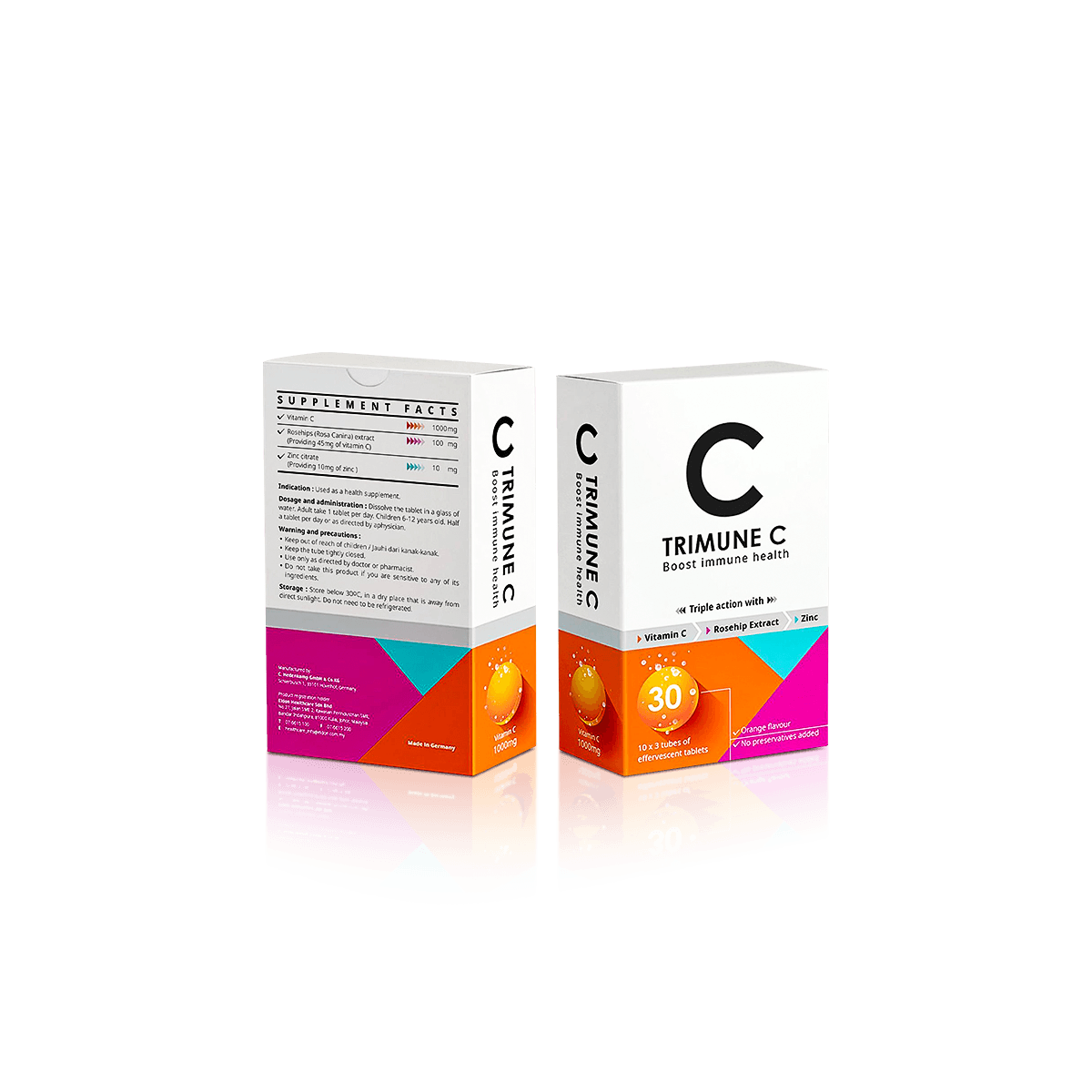
They work well for cosmetics, skincare, soaps, supplements, small electronics, accessories and compact gifts. The structure stores flat, forms quickly by hand and provides enough printable space for branding, product details, barcodes and required instructions.

Choosing between custom box styles and shapes starts with the product weight, display position and filling method. Straight tuck construction is best when presentation and light product containment matter more than heavy bottom support.

How the Same-Direction Tuck Structure Works

The top and bottom closing panels are hinged from the same face of the carton. Small dust flaps fold inward first, then the main tuck flap closes over them. This creates a balanced rectangular shape and keeps the front panel free from a visible bottom seam.

Custom straight tuck end boxes can normally be opened from either end, although most packing teams choose one main loading end. A set filling direction reduces handling mistakes and keeps the product, insert and leaflet in the correct order.

Choose the Right Closure Detail

A standard friction tuck uses board tension to hold the flap in place. Slit locks can add resistance to accidental opening. Thumb notches and lift tabs make reopening easier, especially on smaller cartons.

The closure must suit the board thickness and finished coating. A flap that is too tight can buckle, scuff or slow packing. A loose flap can lift during display or handling. The production dieline should be adjusted around the chosen material rather than treated as a fixed shape.

Measure the Complete Packed Product

Internal dimensions should be based on everything that will sit inside the carton. Measure the product with its insert, leaflet, applicator, protective wrap or accessory. Add enough clearance for smooth loading, but not so much that the contents move and weaken the presentation.

Accurate tuck box sizing allows for product clearance, board thickness and internal support. Length, width and depth should always be labelled as internal or external measurements because the two sets of figures are not interchangeable.

Custom straight tuck end boxes should close without pressing on the contents. Tall bottles may need headroom below the upper tuck. Curved products may require a shaped cradle. A group of small components may need dividers to stop them shifting.

A 3D mockup helps confirm artwork position and panel order. It does not prove physical fit. Where tolerances are tight, the product is fragile or a finish may affect folding, a paid custom sample gives a more reliable production check.

Select Board by Weight, Span and Panel Stiffness

Board choice should reflect the packed weight and the size of each panel. A compact carton can remain square in a lighter paperboard, while a tall or wide carton may need greater stiffness to prevent the front or side panels from bowing.

White carton board gives photography, fine text and bright colour a clean base. Kraft stock creates a warmer, more natural appearance, but printed colours will look different against the brown surface. Coated white board can support sharper graphics and refined finishing.

Custom straight tuck end boxes for small soaps, lip balms or lightweight accessories usually need less support than cartons holding glass bottles, dense jars or several items. If the product presses directly on the bottom tuck, increasing board thickness may not solve the structural risk.

Board also affects crease quality, flap tension and internal space. Confirm the material before the final artwork is positioned because even a small thickness change can alter the fit and the way the flaps close.

Build the Front Panel Around Fast Product Recognition

Straight tuck construction gives the leading face a clean, uninterrupted area for branding. Use that space for the brand name, product name, variant and one clear selling point. Move longer instructions, ingredients, barcodes and secondary information to the side or rear panels where possible.

Custom straight tuck end boxes can use CMYK for full-colour artwork and Pantone colours where closer brand matching is needed. Inside print can add a colour reveal, short message or product instructions, provided the artwork stays clear of glue areas and tight friction points.

Place Finishes Where They Will Fold Cleanly

Matte or gloss lamination changes the surface feel and protects the print from routine handling. Soft-touch creates a more tactile finish. Foil, embossing, debossing and spot UV can highlight selected details without covering every panel.

Avoid placing thick coatings, heavy foil or deep embossing directly across narrow creases unless the material and finish have been tested together. Poor placement can lead to cracking, weak folds or an uneven result. The finish should support the carton rather than make assembly harder.

Add Windows and Inserts Without Weakening the Carton

A die-cut window can reveal colour, texture or product shape before opening. It is useful for soaps, cosmetics, accessories and gift products where the item itself supports the buying decision.

Products that must remain visible may work better in window boxes, especially when the opening is large or the product needs precise positioning. The window shape, clear patch and board strength should be planned as one structure.

An insert can hold a bottle upright, centre a product behind the window or separate several components. Paperboard platforms, folded cradles and dividers each solve a different movement problem. The outer carton must be sized around the finished insert rather than the bare product.

Custom straight tuck end boxes with deep inserts, large windows or multiple contents need a fresh structural check. These features change internal pressure, usable space and packing time.

Know When Straight Tuck Construction Is the Right Choice

Straight tuck cartons suit lightweight products with a regular shape and a clear display face. They are especially useful when the carton will be assembled by hand, stored flat and opened without tearing the board.

For opposite-direction closing flaps, reverse tuck end boxes provide a familiar folding-carton alternative. The final choice should follow the actual dieline, print layout, product orientation and packing method.

Dense bottles, heavy jars or products that apply steady pressure to the base often need auto bottom boxes. Their pre-glued base opens into position quickly and gives stronger support than a simple tuck closure.

Custom straight tuck end boxes are not corrugated shipping cartons. Fragile goods should travel inside suitable protective outer packaging, with cushioning or inserts matched to the delivery risk.

A useful decision rule is simple: use straight tuck construction for light retail presentation, then strengthen the base when packed weight or filling speed becomes the main concern.

Prepare Artwork on the Approved Production Dieline

Artwork should be built on the final production dieline, not a generic template. The exact flap depth, glue seam, panel width and crease position depend on the dimensions and selected board.

Enter the internal measurements into the free box dieline generator to create a practical starting layout. Production should still confirm the final file before printing, especially where windows, inserts, locking details or specialist finishes are involved.

A reliable packaging dieline and box artwork setup keeps trim, bleed, crease lines and glue areas under control. Extend backgrounds through the bleed, keep small text away from folds and avoid placing essential details across the glued side seam.

Check the orientation of copy on both tuck panels. Text that looks correct on a flat file can appear upside down when the box is assembled. Confirm the intended front face, opening direction and barcode position before approval.

Custom straight tuck end boxes benefit from a 3D mockup because it shows how artwork wraps from one panel to the next. It also makes reversed copy and misplaced design elements easier to spot.

Plan Packing Before Bulk Production

The carton should open squarely, accept the product without force and close in a repeatable sequence. If an insert is included, confirm whether it arrives flat, partly assembled or ready to load.

A small extra fold can add meaningful labour across a large order. Test the packing sequence with the product, leaflet and insert in the exact order the team will use.

Custom straight tuck end boxes are usually stored flat before filling. Keep them dry, level and protected from crushing so the panels and tuck flaps do not warp.

The retail carton may still need a mailer or corrugated shipping case. Confirm how many units will sit inside each outer carton, whether they need dividers and how empty space will be controlled during delivery.

For repeat orders, retain an approved sample, final artwork, internal dimensions and material specification. This helps keep fit, colour and closure behaviour consistent from one production run to the next.

UK Production for Small Runs and Bulk Orders

Custom Packly produces custom straight tuck end boxes in the UK with an MOQ starting from 100 boxes. Production typically takes 6 to 8 working days, depending on the structure, quantity, finishes and approved artwork. Delivery is free.

Free design support is available from dieline preparation to the 3D mockup. Free sample examples of previous work can help with material and print decisions. Exact custom samples can be arranged as paid samples when physical testing is important.

Bulk quantities can benefit from better unit pricing. Warehousing and scheduled deliveries are also available for businesses that need stock released in planned batches rather than received all at once.

The right order quantity should reflect usage rate, available storage and the risk of artwork or product changes. Ordering too little can increase unit cost. Ordering too much can leave a business holding cartons for a product that has changed.

Send Complete Details for an Accurate Quote

A useful quote request should include:

  • Internal length, width and depth
  • Product dimensions and total packed weight
  • Required quantity and likely repeat volume
  • Preferred board appearance or an existing material sample
  • Outside and inside print requirements
  • CMYK or Pantone colour needs
  • Matte, gloss, soft-touch, foil, embossing or spot UV details
  • Window, insert, leaflet, euro slot or tamper feature requirements
  • Artwork files or a clear visual reference
  • The intended filling, display and delivery method

Custom straight tuck end boxes perform best when structure, print and packing needs are assessed together. Product weight, window size and insert depth can all affect the board and closure.

Sharing the complete packed-product information allows Custom Packly to review the structure, refine the dieline and prepare a clear quote for the required quantity.

FAQs

Yes. They are normally supplied flat to reduce storage space. The carton is opened into shape before the product is loaded and the top and bottom tuck flaps are closed.

They can hold small, lightweight bottles or jars when the board, clearance and insert suit the packed weight. Dense glass items may need an auto bottom, snap-lock or seal-end structure.

Internal dimensions describe the usable product space. External dimensions include the board and completed folds. State which measurements you are supplying when requesting a quote.

Yes. An insert can keep the product centred behind a window and reduce movement. Both features should be developed together so the opening, product position and panel strength remain balanced.

Vector artwork is preferred where possible. Include brand colours, fonts, images and required product information on the approved dieline, with bleed and separate finish layers where needed.

Related Industry Packaging

Process

How it works

Simple steps from idea to delivery

01

Tell Us Your Specs

Custom packaging boxes

Tell Us Your Specs

Provide size, quantity, printing, and finishes.

02

Get a Fast Quote

Custom packaging boxes

Get a Fast Quote

Instant transparent pricing, no hidden fees.

03

Design and Approval

Custom packaging boxes

Design and Approval

Artwork checks, revisions, and final sign-off.

04

Produce

Custom packaging boxes

Produce

Expert manufacturing to meet deadlines.

05

Ship to Your Door

Custom packaging boxes

Ship to Your Door

Hassle-free, flexible delivery options.

Start Your Bespoke Packaging Quote

Share your product details, dimensions, quantity and artwork needs. We’ll help choose the right packaging style and send a clear quote.