Skip to content
Details

Custom Auto Bottom Boxes

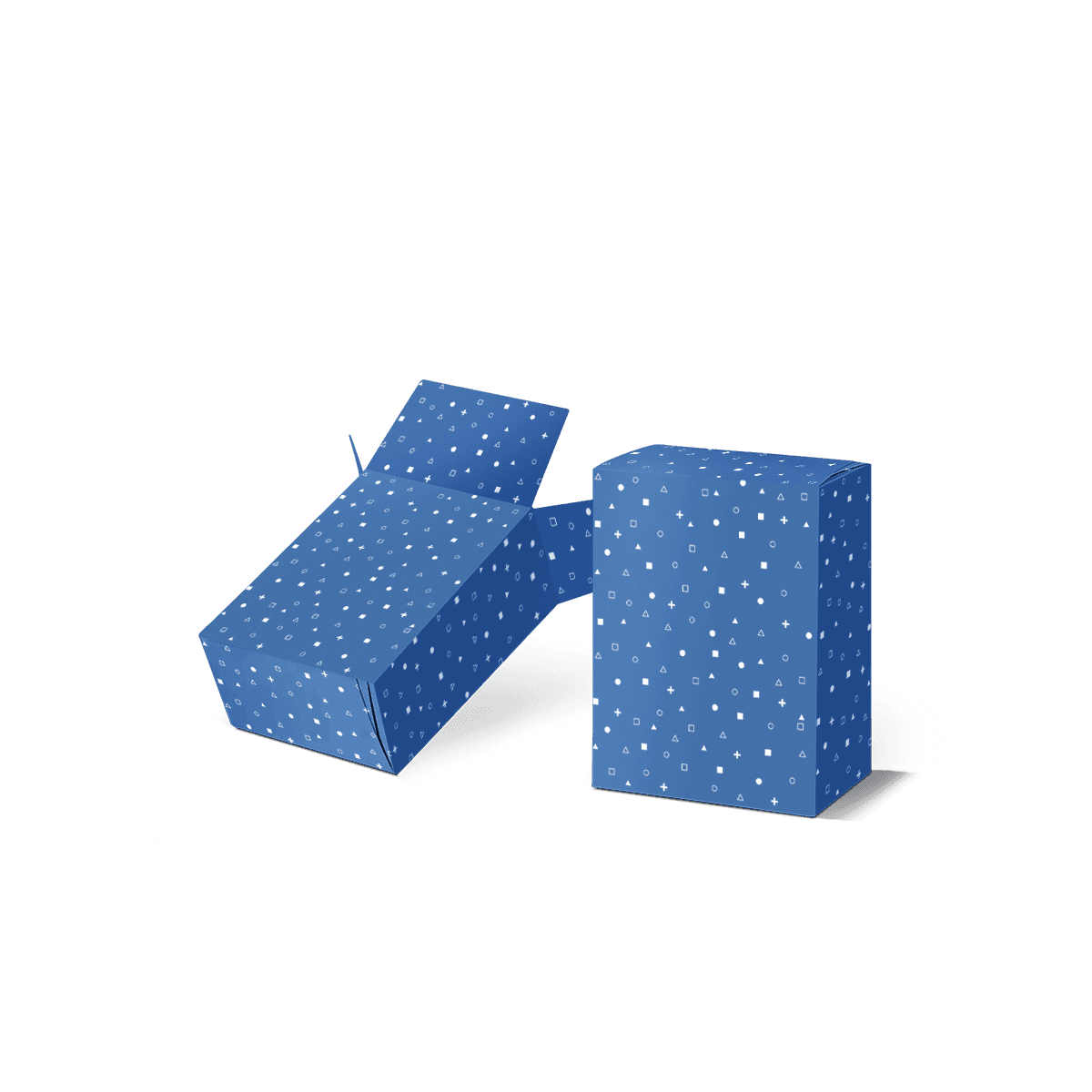
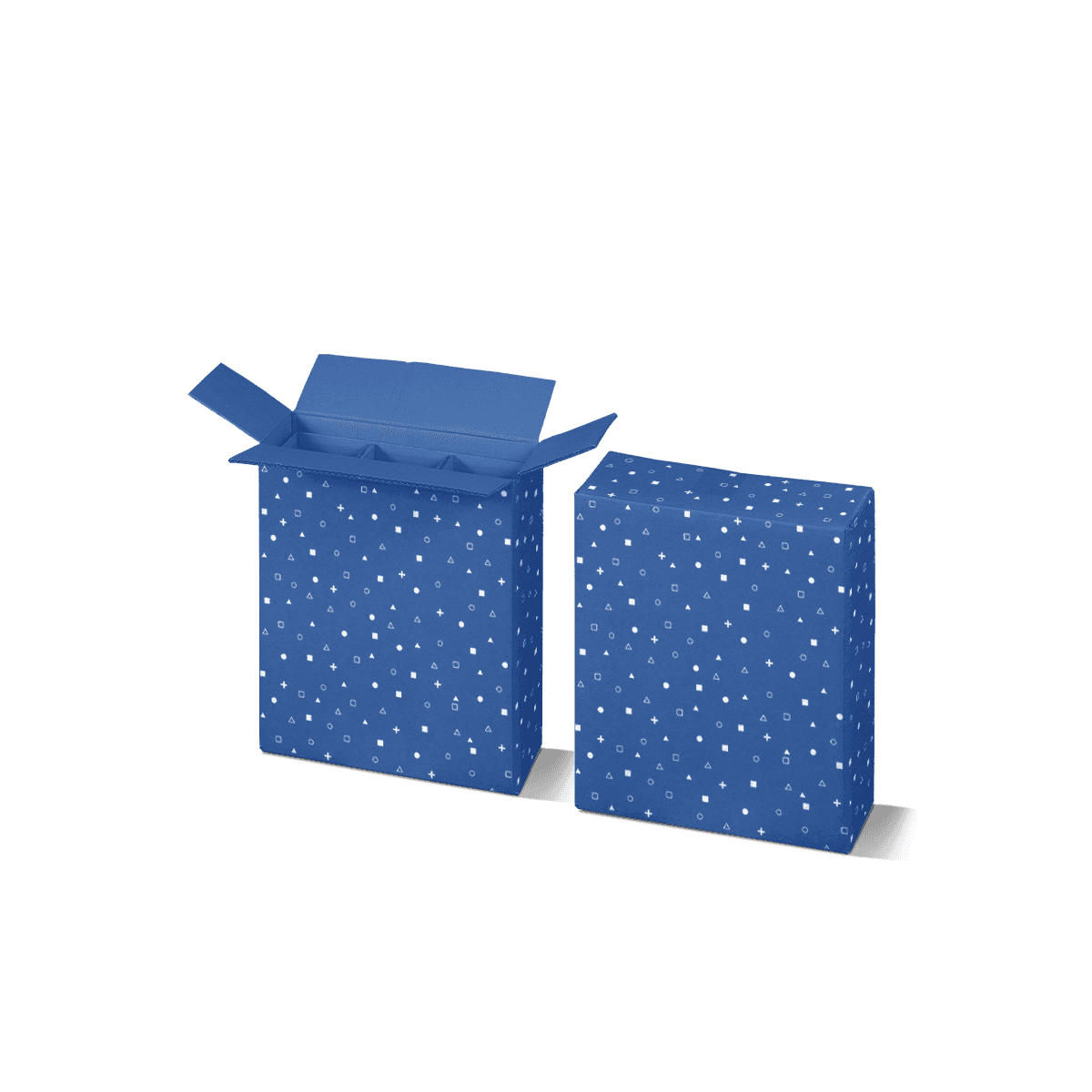
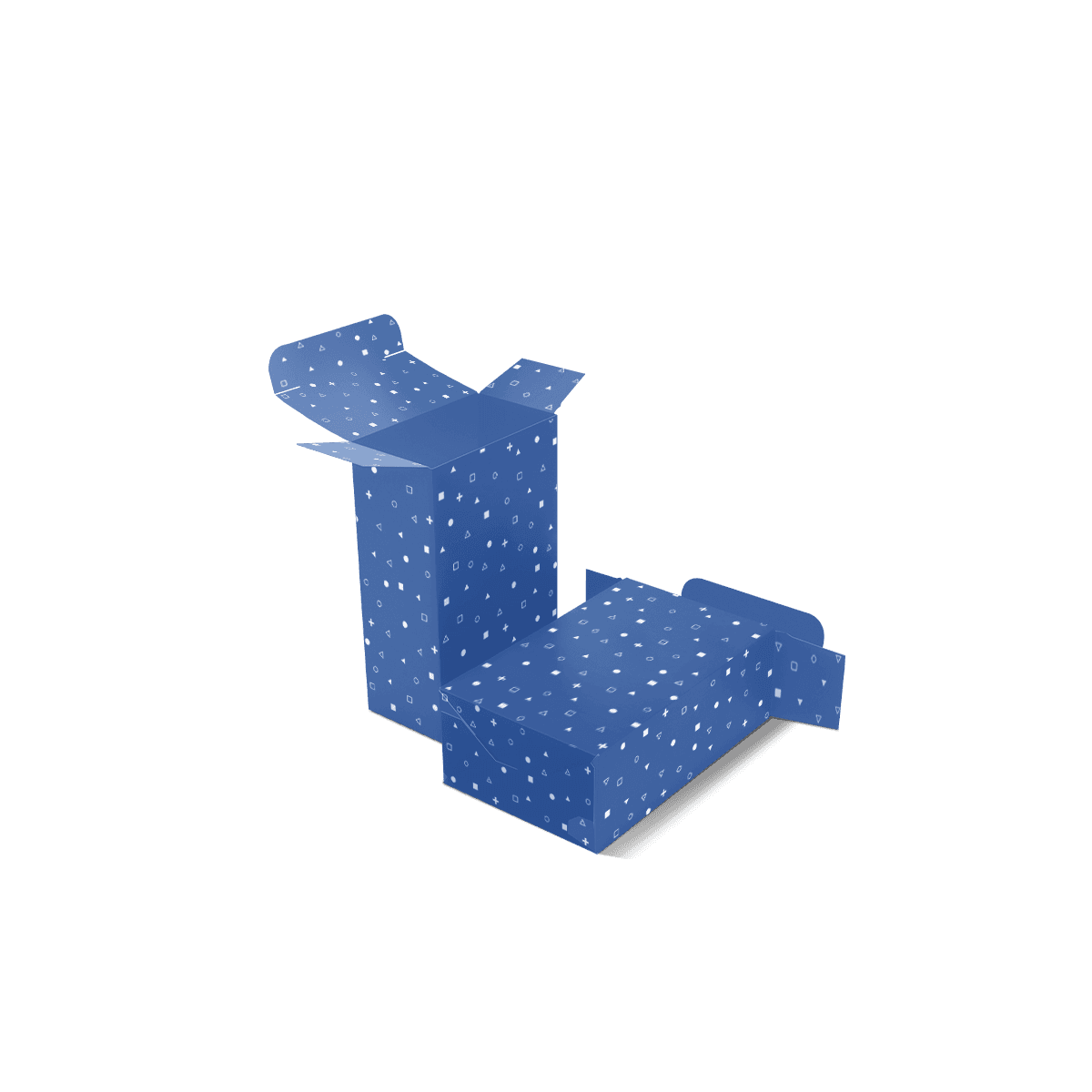
Pre-glued crash-lock bases for denser retail products, quicker carton erection and steadier shelf presentation across repeat runs.

The Base Forms for You

Auto bottom boxes earn their place when repeatedly forming carton bases is slowing the packing process or a simple tuck bottom is no longer appropriate for the packed product.

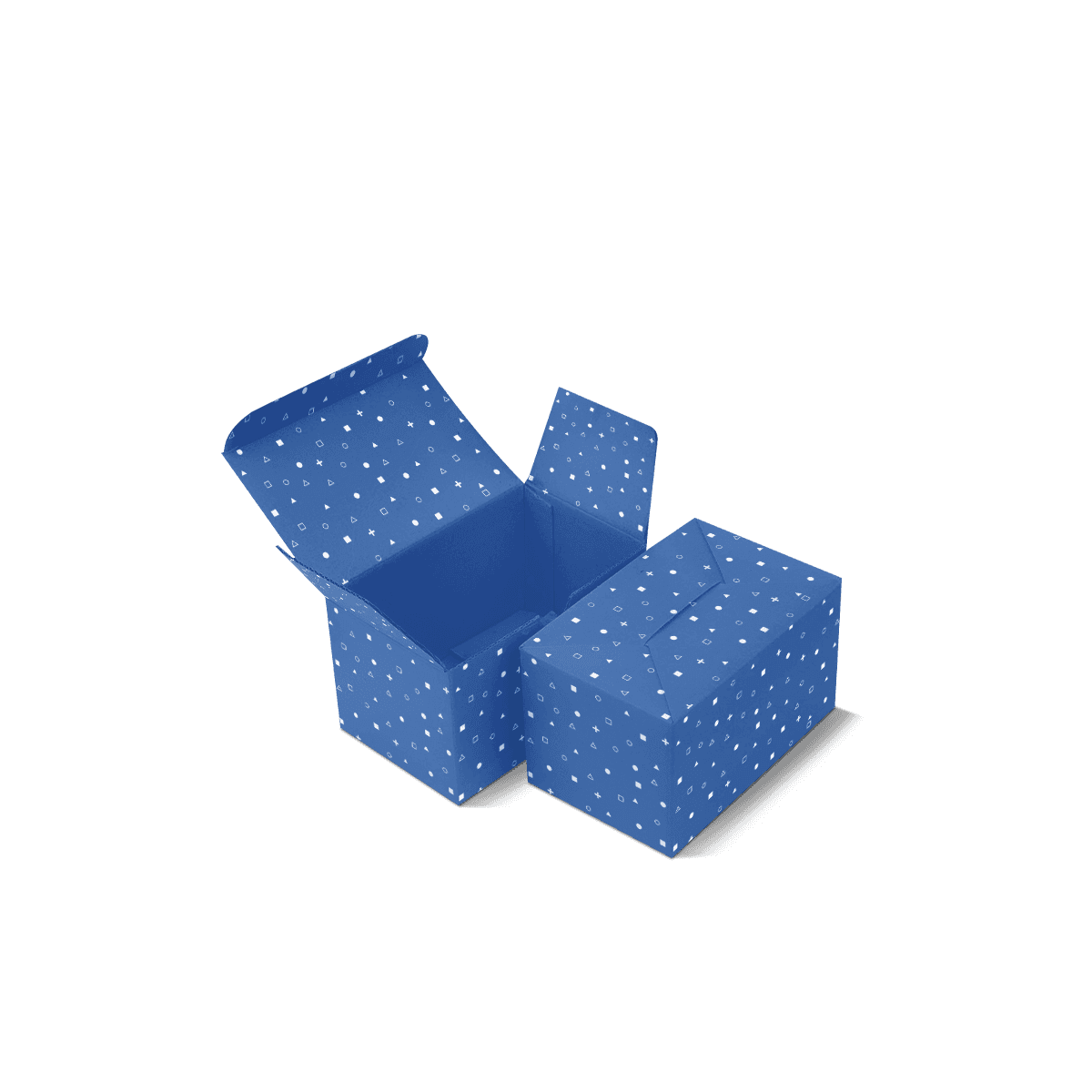
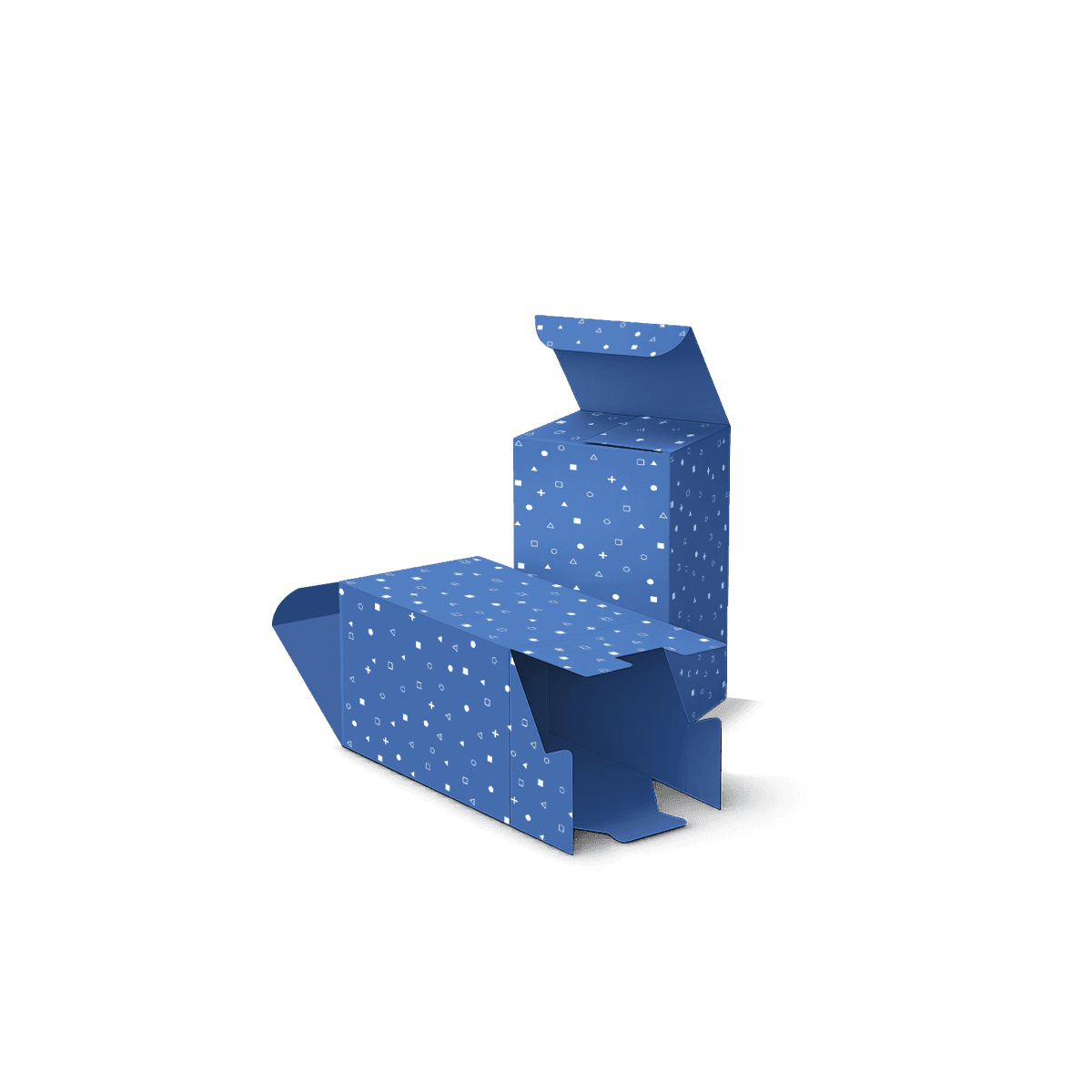
Their lower panels are pre-glued during manufacture. Opening and squaring the flat carton brings the base into position, removing most of the flap-by-flap assembly required by manual locking bottoms.

That makes the structure particularly useful for repeat runs of small electrical accessories, compact hardware kits, wellness products and other denser shelf items where base erection happens again and again. The commercial question is therefore not simply “Is auto bottom stronger?” It is whether the faster base justifies the additional converting complexity.
Packing Speed Is the Point

The commercial value of an auto bottom is not simply that it looks stronger. It removes repeated hand movements from carton erection.

The bottom panels are glued during manufacture. When the flat carton is opened and squared, the base moves into its working position without the packer having to fold several loose flaps or apply tape at the packing table. That can matter far more on a repeat run than a small difference in board cost.

Open, Square, Load

A good auto bottom carton should open cleanly, square up without fighting the creases and sit flat before the product is added. If staff have to push individual base panels into place every time, the structure is not delivering the main operational benefit buyers expect from it.

The filled carton should also remain square. Base speed has little value if side panels bow, the product sits off-centre or the carton rocks once it reaches a shelf.

Test Your Real Workflow

Do not choose this structure from an empty sample alone. Run a short packing trial with the real product, insert, leaflet and top closure. Time the complete sequence from flat carton to closed unit rather than timing only the base opening.

That trial can reveal whether an automatic base genuinely saves handling for your team. It can also show whether another part of the carton, such as a tight insert or awkward top flap, becomes the new bottleneck.

Strength Starts with Load

There is no sensible universal kilogram rating for every auto bottom box. Safe performance changes with carton dimensions, board grade, crease quality, glue pattern, base geometry and the way the product places its weight on the bottom.

A compact jar and a tall bottle can weigh the same but behave differently. The taller product raises the centre of gravity and may need more control against tipping, while a small footprint can concentrate pressure over a limited part of the base.

Spread the Weight Properly

The product should sit on the bottom in a stable position rather than pressing against one flap junction or leaning into a side wall. For multi-item sets, weight distribution should be considered across the whole footprint.

If the contents need to stay centred, inserts and dividers can control movement. The insert should be developed with the automatic base, however. A poorly sized fitment can interfere with the bottom folding action or transfer load into an area that was not meant to carry it.

Treat Leaks Separately

An auto bottom carton is not primary liquid containment. If a bottle can leak, a chilled product can create condensation or the contents may expose the board to moisture, that risk needs to be addressed separately through the product container, suitable barrier specification and the wider packaging system.

Do not assume a more supportive base solves a moisture problem. The base mechanism and the product-containment requirement are different decisions.

When Automatic Erection Pays

Auto bottom and snap lock cartons both give more structured bottom support than a simple friction-tuck base, but they ask different things from the packing team. Within Custom Box Styles and Shapes, snap lock is the closest manual alternative when base support matters but automatic erection is not essential.

An auto bottom arrives with its base pre-glued so the bottom forms as the carton is erected. A snap lock bottom box uses interlocking bottom flaps that are assembled manually.

Choose the automatic base when repeated set-up time is important and the extra converting step earns its place in the workflow. Consider snap lock when manual base assembly is acceptable and you want to compare a non-auto alternative before committing to the pre-glued mechanism.

Neither style should be selected from the name alone. For dense products, compare erected samples with the real packed weight and confirm the exact board and base layout being quoted.

Top Closure Comes Second

Auto bottom describes the lower mechanism, not the customer-facing opening. Choose the upper closure according to how the product will be loaded, opened and, where necessary, reclosed.

If the project specifically needs a reclosable tuck lid paired with the pre-glued base, custom tuck top auto bottom boxes cover that combination in more detail. Otherwise, specify the required top access without allowing it to distract from the main reason for choosing auto bottom: faster base erection.

Glue Zones Need Respect

Auto bottom cartons rely on accurate converting as much as good print. The base panels must fold on the intended crease lines and the factory-applied adhesive has to bond in the specified areas.

That makes the production dieline especially important. Glue zones, folds and overlapping base panels should remain clear enough for the carton to erect consistently.

Print the Visible Panels

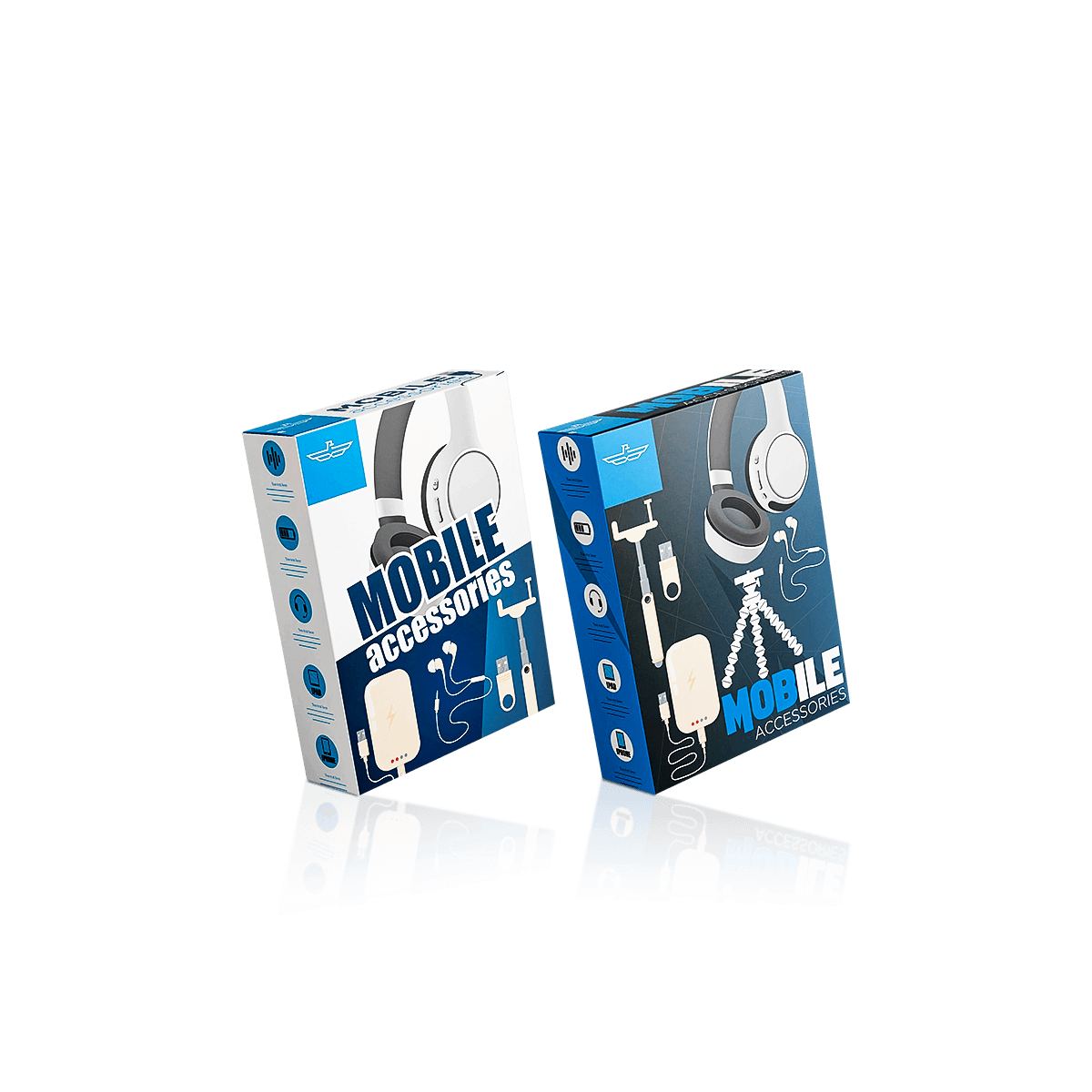
The broad outer panels can carry premium offset printing, CMYK artwork, Pantone colours and detailed product information. Matte, gloss, soft-touch, foil, embossing, debossing and spot UV can also be considered where they suit the board and artwork.

The finish should not interfere with working folds or adhesive areas. Inside print also needs to respect glue zones, particularly near the base. The broader custom printed boxes service covers print-led packaging when colour reproduction and finish choice are central to the project.

Check the Flat Dieline

The automatic bottom adds overlapping and pre-glued panels that can look confusing in a flat artwork file. Keep logos, small text and important product information away from hidden base panels and crease areas.

A 3D mockup helps confirm the finished appearance, while the dieline generator can provide a useful starting point for supported carton structures. Use the approved production dieline for the exact automatic-base layout so artwork stays clear of overlapping panels, folds and adhesive areas.

Test Before the Full Run

An auto bottom earns its place only if it performs with the actual product. Before a larger repeat run, assess more than the visual proof.

Erect the carton from flat, load the full contents, lift it from the sides, set it down repeatedly and check whether the base remains level. Look for bowing, poor squareness, stressed crease lines or movement around the glued areas. If the product is tall, also check how readily the carton tips during normal handling.

Test the Whole Carton

The base should not be reviewed in isolation. Confirm that the top closes cleanly after the product and insert are loaded, the carton sits upright and the artwork still reads correctly once every panel is under tension.

This is particularly useful for electronics and gadgets packaging, where accessories, cables or instruction cards can change internal load distribution, and wellness packaging, where bottle cartons often combine noticeable product weight with substantial information requirements.

For buyers comparing several structures before committing, the types of packaging boxes overview gives a broader decision framework without replacing a product-specific packing trial.

Price the Packing Workflow

For an auto-bottom quote, send the internal dimensions, total packed weight, quantity, expected repeat volume and preferred upper closure. Include any insert because it can change both the load position and how freely the automatic base forms.

Packing volume matters here. If several structures could carry the product, tell us roughly how the cartons will be erected and filled so the cost of the automatic base can be weighed against the labour it is intended to save. Send the details through the detailed packaging quote.

FAQs

Auto bottom boxes usually win on packing speed because the base forms automatically when the carton is opened. Snap lock bottom boxes can still give good support, but they need manual base assembly before filling. If the priority is faster set-up on repeat runs, auto bottom is normally the better option. If cost control matters more than assembly speed, snap lock may still suit.

They suit products that are compact yet relatively heavy for a folding carton, including bottles, jars, candles, supplements, cosmetics and some food items. The stronger bottom helps the carton stand properly once filled. They are less suitable for very light products that do not need base reinforcement, where a simpler tuck-end construction may be enough.

Yes. The structural upgrade happens at the base, so the outer panels can still carry strong branding and finish work. Foil stamping, embossing, matte lamination, gloss coating and spot UV can all be used when the selected board supports them well. The key is to balance visual finish with clean folding and accurate glue performance around the base.

Start with product weight, product dimensions and whether the contents sit upright or need extra internal support. Then confirm the filling method, top closure style, board thickness and any insert requirement. These points shape the base specification and help avoid a carton that looks right in plan but feels unstable once it is packed and handled.

They are stronger than many standard folding cartons at the base, but they are still retail cartons rather than full transit packs. For direct shipping, the answer depends on the fragility of the product, the board grade and whether an outer mailer or corrugated shipper will also be used. If the contents are delicate, treat the carton as the presentation pack rather than the only shipping layer.

Process

How it works

Your Packaging Journey, From Idea to Production and Delivery

01

Tell Us Your Specs

Custom packaging boxes

Tell Us Your Specs

Provide size, quantity, printing, and finishes.

02

Get a Fast Quote

Custom packaging boxes

Get a Fast Quote

Instant transparent pricing, no hidden fees.

03

Design and Approval

Custom packaging boxes

Design and Approval

Artwork checks, revisions, and final sign-off.

04

Produce

Custom packaging boxes

Produce

Expert manufacturing to meet deadlines.

05

Ship to Your Door

Custom packaging boxes

Ship to Your Door

Hassle-free, flexible delivery options.

Get Your Quote for Custom Auto Bottom Boxes

Share your product details, dimensions, quantity and artwork needs. We’ll help choose the right packaging style and send a clear quote.