Skip to content
Details

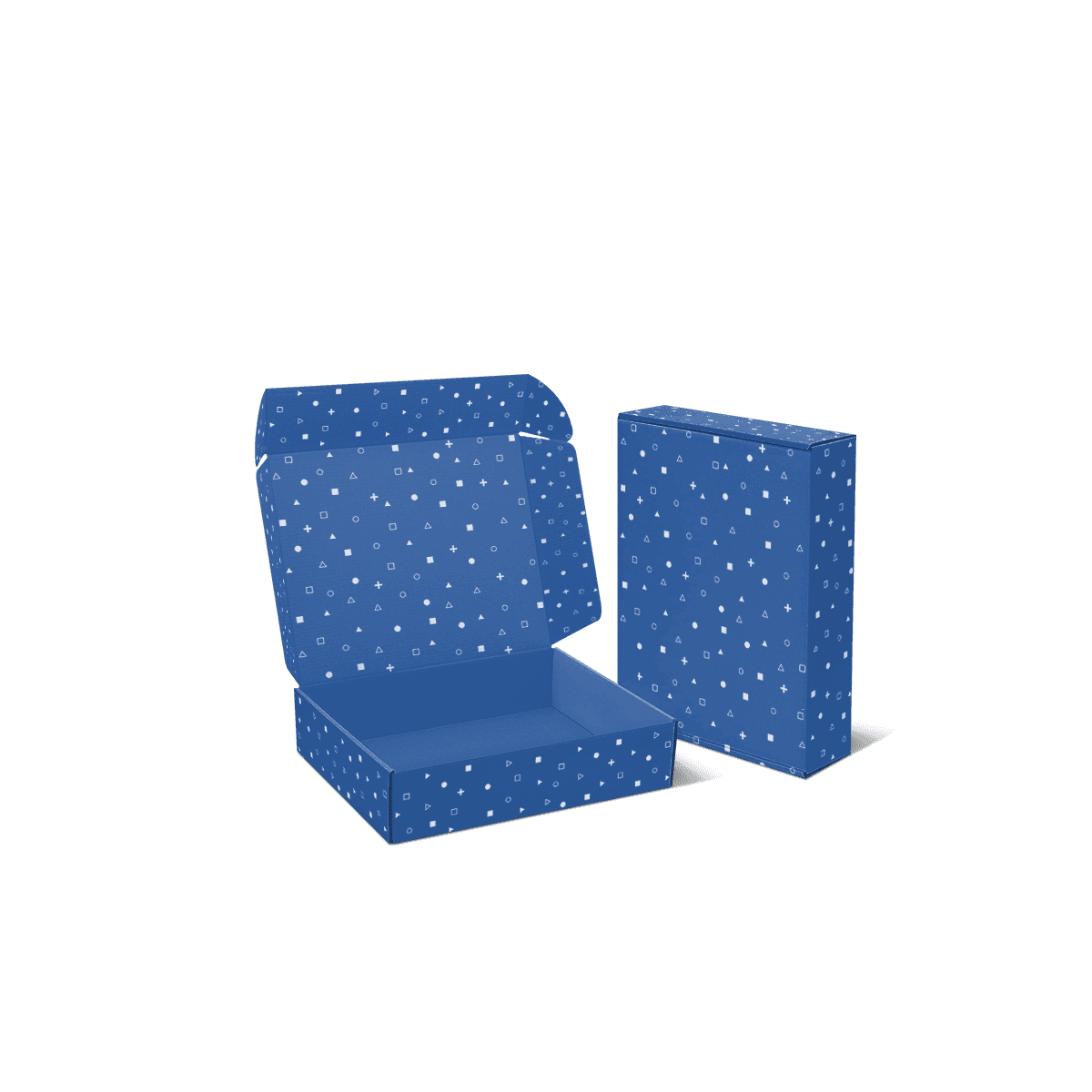
Custom Recyclable Mailer Boxes

Recyclable mailer boxes are built for brands that want dependable shipping protection with a paper-based pack that is easier to recover, simpler to specify and better aligned with modern ecommerce sustainability expectations.

Recyclability Lives in the Whole Pack

Start with everything the customer is left holding after the parcel is opened. Custom Recyclable Mailer Boxes only make sense when the outer box, insert, labels, tape, adhesives, coatings and finishes are considered together.

That gives this product a different role within custom mailer boxes. The question is not simply whether the outer sheet is paper-based. The useful question is whether the finished pack remains straightforward to separate and suitable for the intended paper and card recycling route.

For wider decisions around reducing material, right-sizing and paper-led alternatives across different packaging formats, eco-friendly custom packaging covers the broader choice. This product stays focused on the mailer itself.

Recyclable Is Not Recycled

“Recyclable” describes what can happen after use when the finished specification is accepted by an appropriate recycling system. “Recycled” describes material that already contains recovered fibre.

They are not interchangeable claims. A mailer can use recycled content and still contain additions that complicate recycling. Another can use virgin fibre yet be developed for a straightforward paper-recycling route.

If recycled content, certification or a specific disposal claim matters to the brief, it should be confirmed against the actual stock rather than assumed from the product name.

Brown Is Not Proof

Natural kraft board can look more environmentally responsible, but colour is not evidence of recyclability. White-lined corrugated material can also form part of a recyclable paper-based mailer when the complete specification supports it.

Choose custom kraft mailer boxes when the brown surface and its print behaviour suit the brand. Choose Recyclable Mailers when end-of-use simplicity is the main decision.

The distinction between kraft appearance and corrugated structure is covered in kraft mailers versus corrugated boxes.

Simplify What Stays Attached

A recyclable mailer is easier to reason about when most of the finished pack belongs to the same material stream. Every permanently attached non-paper component deserves a specific reason to be there.

That does not mean a box must be visually plain. It means decoration, closure and protection should be planned with the end of use in mind rather than added independently.

Audit Labels and Tape

Shipping labels and sealing tape are small compared with the box, but they remain attached when the customer disposes of it. Adhesives also form part of the finished specification.

The goal is not to pretend that every trace of non-paper material disappears. It is to avoid unnecessary additions and make any separable components obvious. Where a removable feature is needed, it should come away without asking the customer to dismantle the box with tools.

UK paper-recycling guidance specifically treats adhesives, plastic facings, coatings and laminations as design considerations rather than ignoring them because the main substrate is paper.

Avoid the Disassembly Puzzle

A customer should not need five disposal instructions for one ecommerce mailer.

A paper-based outer, paper insert and simple closure usually create a clearer end-of-use route than a box combining plastic windows, foam, laminated sleeves, magnetic pieces and several bonded decorative components.

If a non-paper part genuinely protects the product better, use it deliberately and make separation clear. Simplicity is the target, not material purity at the expense of function.

Question Every Surface Layer

Print does not automatically make a paper mailer unrecyclable. Surface treatments need more scrutiny because different coatings and laminations behave differently during paper reprocessing.

Current UK guidance shows why absolute claims are risky: some laminations and coatings can affect pulping and two-sided plastic lamination is treated more severely than simpler paper-led specifications.

Use Lamination With a Reason

Lamination can improve scuff resistance, moisture performance or tactile finish, but a recyclable-mailer brief should ask whether that layer is actually needed.

If the artwork works well on an unlaminated printable liner, leaving out an unnecessary film can simplify the material mix. If the product or delivery conditions genuinely need extra surface performance, confirm the chosen coating or laminate rather than labelling the whole pack recyclable by default.

The available packaging customisation options can be assessed from that direction: start with the required function, then add only the surface treatment that earns its place.

Keep Premium Effects Selective

Foil, spot UV, embossing and debossing solve different visual problems. Embossing and debossing can add physical detail without covering the whole surface in another layer, while other effects need to be reviewed against the exact material and process.

Do not turn a recyclable mailer into a heavily decorated mixed-material pack just to make it feel premium. Accurate sizing, clean printing and a strong opening experience can create value without stacking effects.

The Inside Can Break the Brief

The outer box can be simple while the inside becomes complicated. Foam blocks, plastic trays, synthetic padding and mixed loose fill can undermine the clarity of an otherwise paper-based mailer.

Where the product allows it, paperboard or corrugated fitments keep the internal specification closer to the outer material system.

Use Inserts for a Job

Choose inserts and dividers when they reduce movement, separate products or remove the need for excessive loose fill.

Do not add an insert solely because an unboxing image looks more organised. It adds material and uses internal space. A close-fitting outer box may already hold a soft or non-fragile product well enough.

For fragile or multi-item orders, the insert can reduce product movement and prevent replacement shipments. In those cases, using a little more correctly placed paper-based material may be more sensible than under-protecting the contents.

Remove Empty Space First

Right-sizing should happen before searching for a lighter material. An oversized recyclable box still uses unnecessary board and may need extra fill.

For ecommerce sends, start with the full packed product and reduce avoidable space while leaving enough clearance for loading and protection. The packaging cost mistakes also show why excess dimensions can add cost repeatedly through material, filler, storage and delivery.

Protection Comes Before the Claim

A recyclable mailer still has to survive its actual delivery route. If reducing material causes crushed products, replacements or a second shipping carton to be added later, the original specification has not solved the business problem.

Use enough corrugated support for the product, then simplify the rest of the pack.

Do Not Weaken the Outer

If the item is heavy, fragile or has concentrated pressure points, material strength should be decided from the delivery risk. Custom corrugated mailer boxes cover flute, liner, product weight and transit performance in more depth.

Recyclable Mailers do not need their own weaker structure. The same protective engineering can be used while the wider specification is kept more recovery-friendly.

The paperboard, corrugated and rigid material decision is useful when the project is still choosing the basic material type rather than optimising an already-selected mailer.

Test the Real Product

A 3D mockup can check artwork and component layout, but it cannot prove transit protection or physical separation.

When the pack uses a new insert, unusually close fit or fragile contents, test the real product in the intended specification. A paid custom physical sample can be more useful than adding material defensively across every order.

Make the Disposal Message Accurate

Recycling instructions should describe the packaging actually supplied. Avoid broad statements such as “100% recyclable”, “zero waste” or “fully sustainable” unless the exact claim has been properly substantiated.

OPRL itself advises against a blanket “100% recyclable” claim because inks, adhesives, coatings and other elements may be removed or discarded during reprocessing.

Write for the Final Specification

If a component needs removing, say so clearly. If the specification changes between runs, review the recycling statement with it.

Do not print disposal instructions before the material, coating, adhesive and insert choices are final. Changing from an uncoated paper insert to a different component can make old artwork misleading even if the outer box remains unchanged.

For recurring e-commerce and subscription packaging, keep the approved material specification with the artwork so a later reorder does not quietly change the pack while leaving the same environmental wording in place.

Separate Print From Green Claims

Good branding does not require leaves, recycling symbols or natural-brown graphics. A recyclable mailer can look minimal, colourful, technical or premium when the chosen print system works with the material.

The environmental message should come from the specification, not from visual shorthand.

Choose Print by the Artwork

Simple one- or two-colour artwork can work well where the brand wants restrained coverage. Full-colour printing can still be appropriate when it serves the design and the final combination remains suitable for the intended recycling route.

Printing method should be selected from run length, artwork, colour needs and production economics rather than an unsupported assumption that one method is automatically “greener”. The digital versus offset printing decision explains the commercial and print-quality differences between those routes.

Use Inside Print Instead of Extras

Where the customer needs instructions, a short brand message or product-use information, printing it on a suitable inside panel can sometimes remove a separate card or sleeve.

That does not mean every loose component should be eliminated. It means the existing box surfaces should be used intelligently before another piece is added.

Review the Pack as One Item

Before approval, lay out every component that leaves with the customer: the mailer, insert, tissue, label, tape, protective material, cards and decorative additions.

Then ask what each component is made from, whether it stays attached and what the customer is expected to do with it.

This catches contradictions that are easy to miss when the outer box, artwork and fulfilment materials are purchased separately.

Check Changes on Repeat Runs

A sustainability-led specification can drift over time. A substitute tape, new label stock, different finish or emergency insert may change the material mix even though the dieline stays identical.

Keep the approved components with the repeat-order record, just as you would keep the dimensions and artwork. If a substitute is needed, check whether the recycling wording still matches the pack.

Set the Recovery Brief

For this product, pricing should begin with the material outcome you want to preserve. Tell Custom Packly that recyclability is a primary requirement and identify any components the order already needs, such as an insert, shipping label, sealing method or protective layer.

Then share the packed product dimensions and weight so the outer mailer is not weakened in pursuit of a simpler material mix. Add the required quantity, print coverage and any finish you are considering. The aim is to assess those decisions together rather than approve a recyclable board first and add conflicting components later.

At quote stage, ask for the outer material and every attached or inserted component to be reviewed as one specification. If the recovery claim depends on a particular liner, coating, tape or insert, keep those choices fixed with the artwork for repeat orders.

If the material or finish is still undecided, how to choose packaging around the product provides a useful first filter between protection, presentation and sustainability priorities.

With the material stack and quantity agreed, request instant pricing against that exact recovery brief.

FAQs

Yes, they can still perform very well in transit. Recyclable does not mean weak. Strength depends on the board grade, the box size and how well the product fits inside, so those points should be checked properly during specification.

A recyclable mailer box usually relies on paper-based materials that are easier to recover through normal cardboard recycling streams. The box shape alone is not enough. Board choice, labels, coatings, tapes and inserts all influence how straightforward disposal will be.

Recyclable mailer boxes focus more on material recovery and paper-based specification. Kraft mailer boxes focus more on the natural brown-board look and the brand feel that comes with it. A kraft mailer may also be recyclable, but the main priority is slightly different.

Yes, they can still carry strong branding and useful messaging. The best results usually come from thoughtful artwork and sensible finishing choices rather than heavy visual treatment. A cleaner print plan often works better when recyclability is part of the value proposition.

Start with product dimensions, packed weight and how the contents will be loaded. Then check whether the box needs paper inserts, tissue or dividers and whether any chosen finish could complicate the recycling goal. It helps to decide early whether the main priority is strength, presentation or disposal simplicity.

Process

How it works

Your Packaging Journey, From Idea to Production and Delivery

01

Tell Us Your Specs

Custom packaging boxes

Tell Us Your Specs

Provide size, quantity, printing, and finishes.

02

Get a Fast Quote

Custom packaging boxes

Get a Fast Quote

Instant transparent pricing, no hidden fees.

03

Design and Approval

Custom packaging boxes

Design and Approval

Artwork checks, revisions, and final sign-off.

04

Produce

Custom packaging boxes

Produce

Expert manufacturing to meet deadlines.

05

Ship to Your Door

Custom packaging boxes

Ship to Your Door

Hassle-free, flexible delivery options.

Get Your Quote for Custom Recyclable Mailer Boxes

Share your product details, dimensions, quantity and artwork needs. We’ll help choose the right packaging style and send a clear quote.