Skip to content
Details

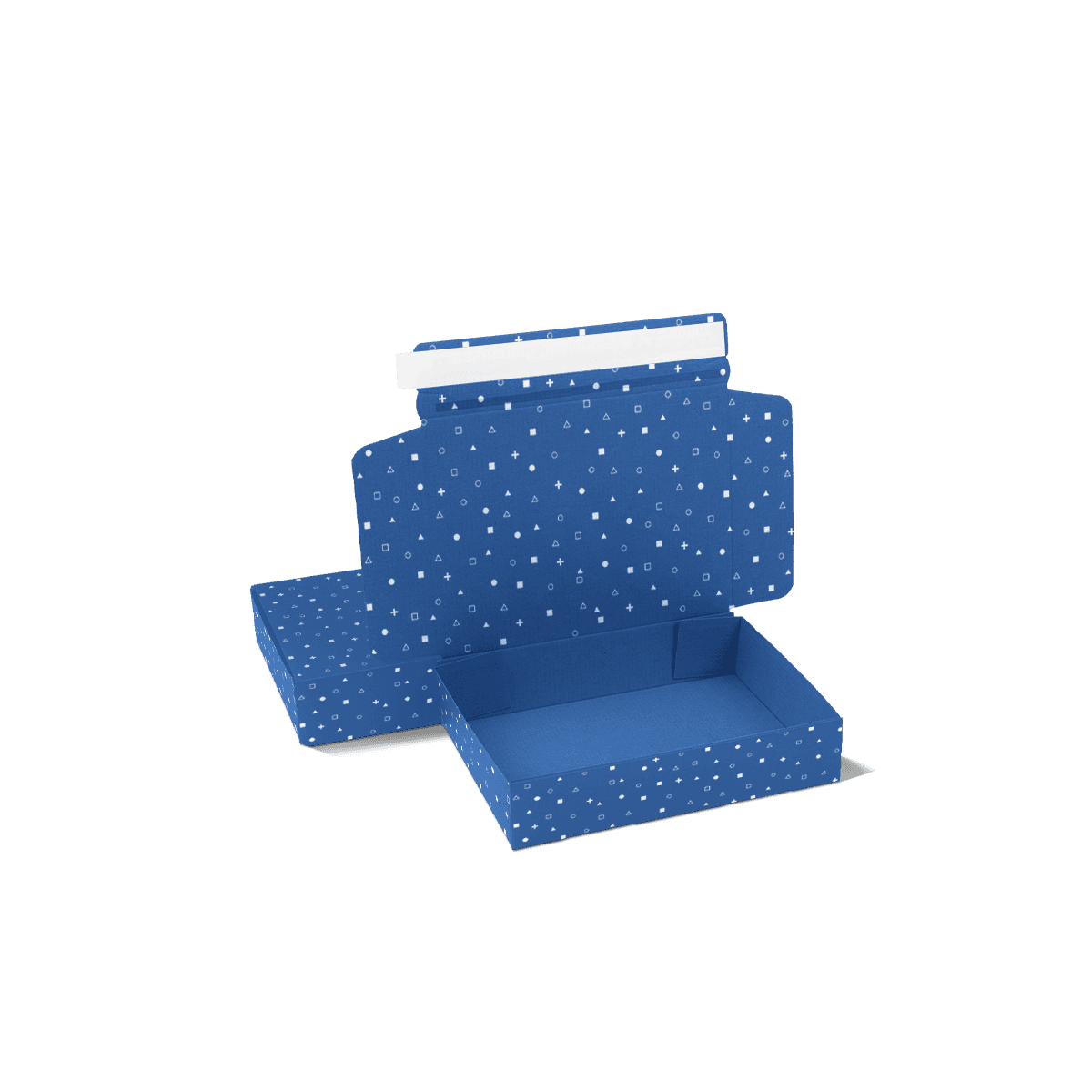
Custom One Piece Folder Boxes

One piece folder boxes are a slim, fold-around shipping solution for flat products that need quicker packing, tighter fit and dependable edge protection without the bulk of a deeper mailer box.
Dieline preview

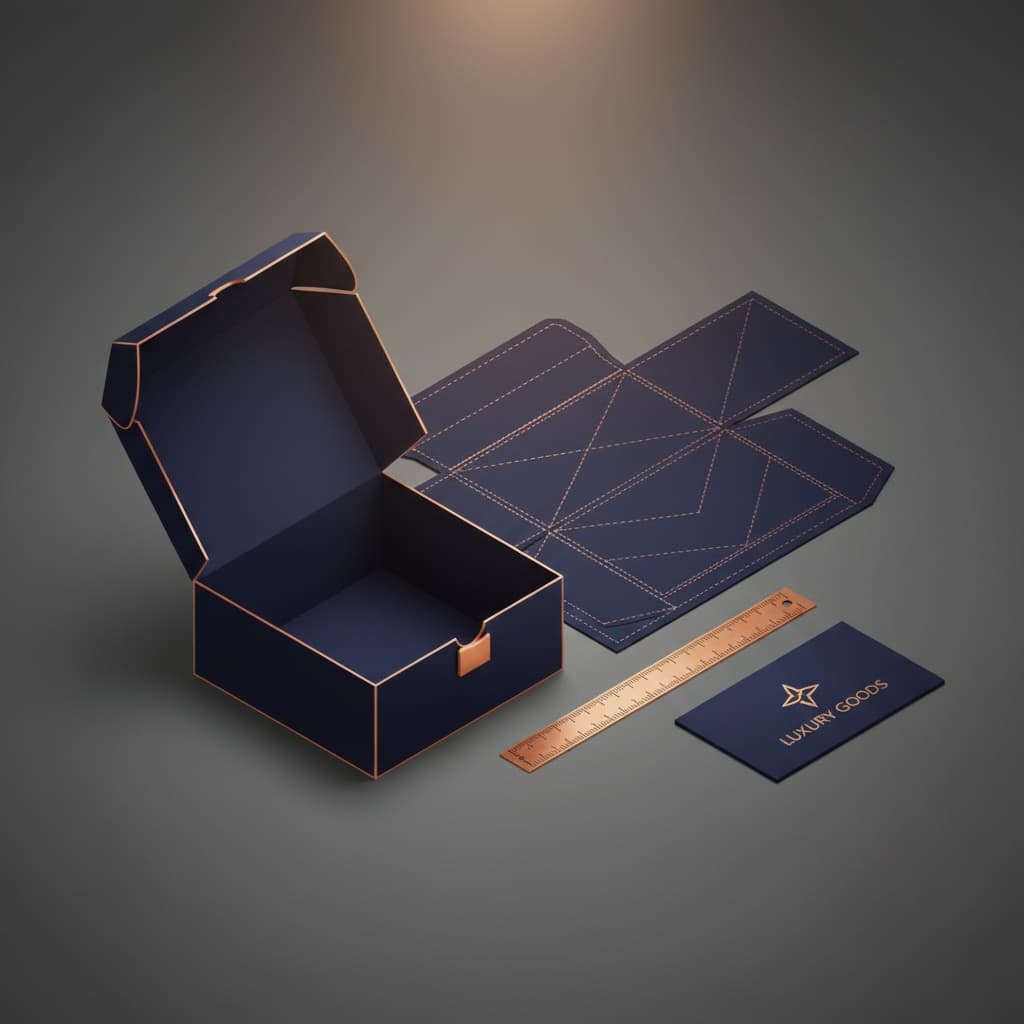
Generate a One-Piece Fold-Up Box Dieline

Use custom dimensions to view the dieline for this box style and plan artwork with more confidence.

Bleed
Crease
Trim

No preview available

One-Piece Fold-Up Box

Calibrated controls

Current size312.5 × 220 × 62 mm
Preview scale100% centered
StateValidated
Next Step

Turn Your Dieline Into Custom Packaging

Share your box size, quantity, material, print and artwork details on the quote page. We’ll review your dieline and email your custom packaging quote with the dieline file.

Continue to quote

Wrap the Product, Not Empty Space

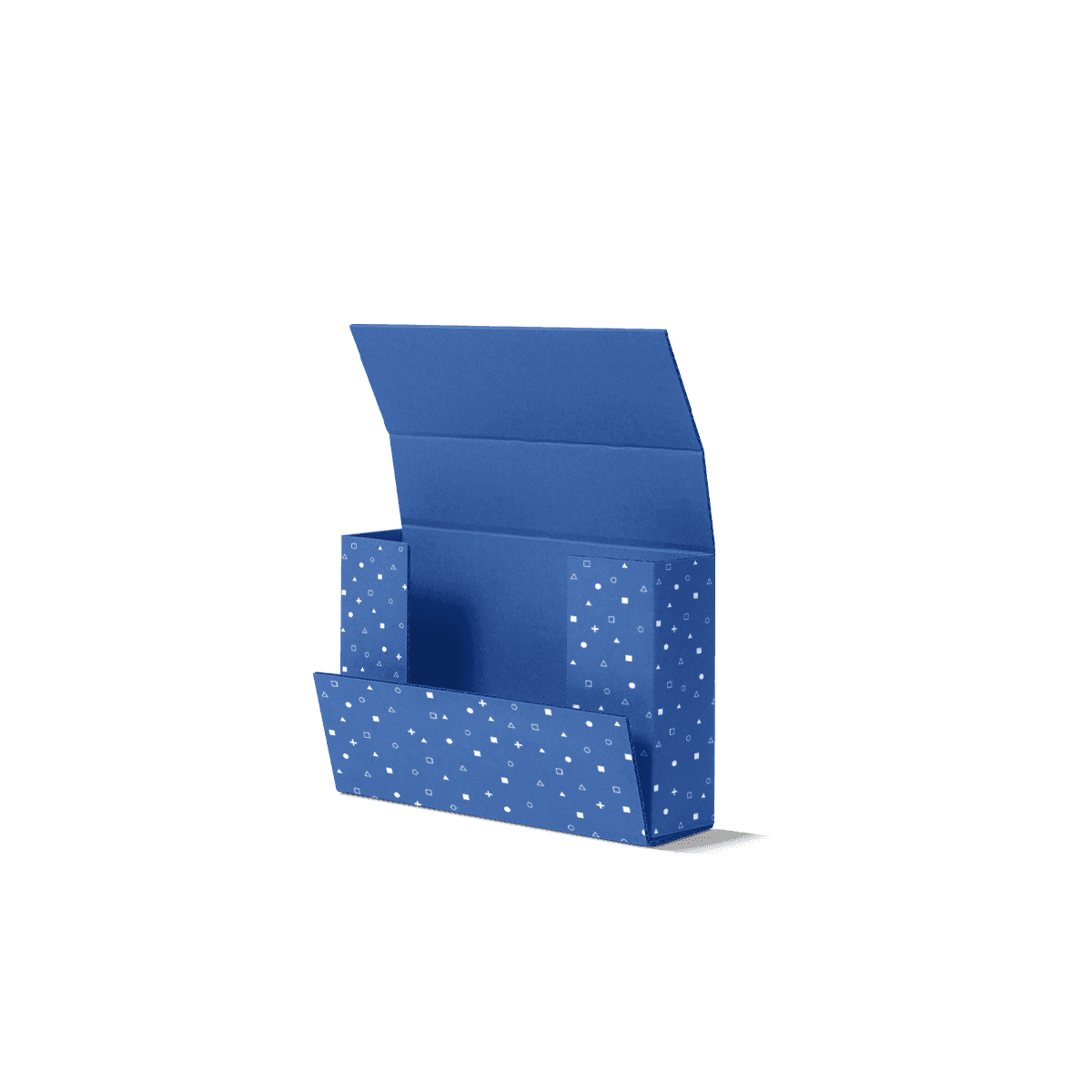
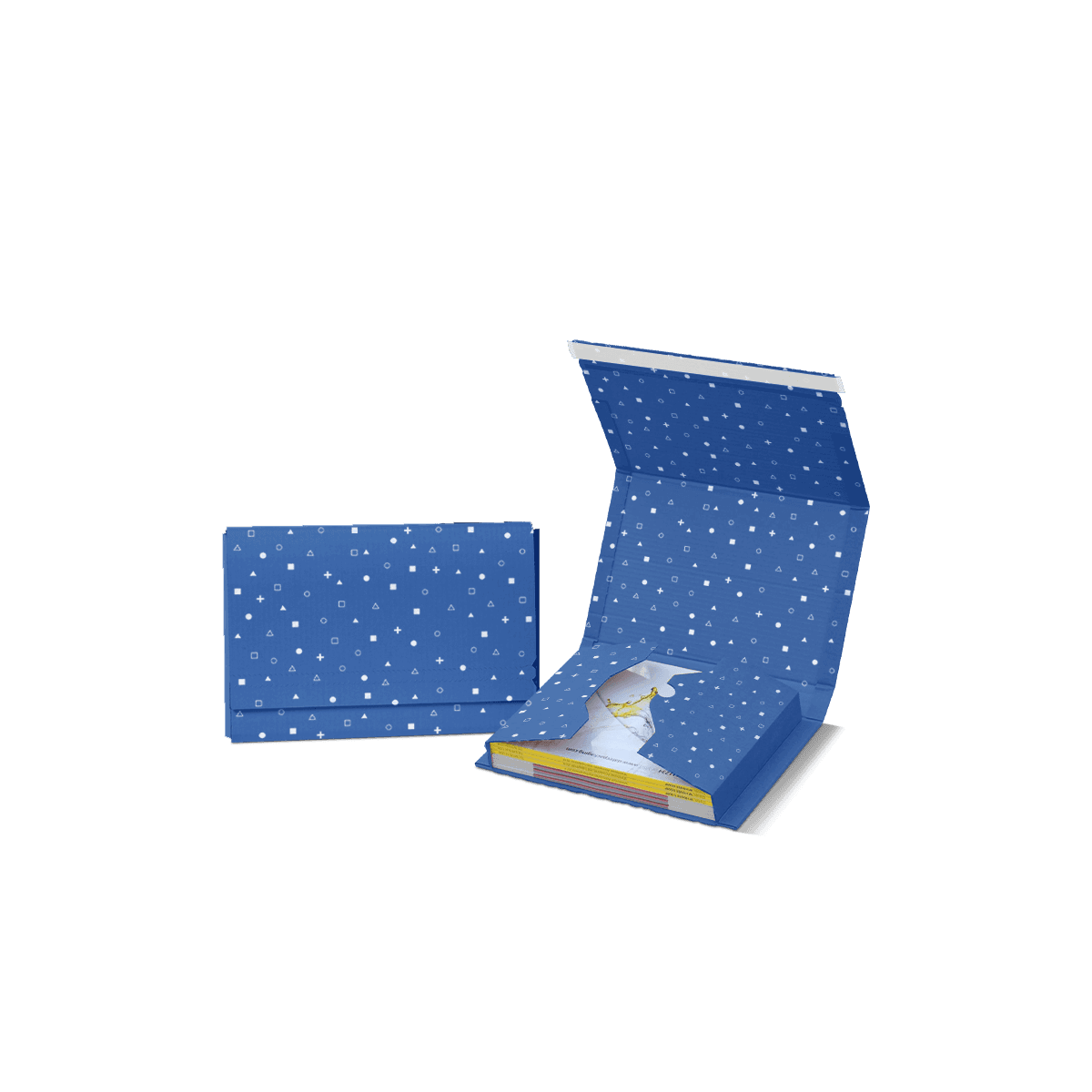
A flat or shallow product often needs material wrapped around it rather than a deeper cavity built around empty space. Custom One Piece Folder Boxes use a single corrugated blank that folds around the item from a central loading panel.

That makes the style useful when the item's length and width are much greater than its depth. Books, framed prints, catalogues, stationery, photo products and other slim goods can gain corrugated face and edge protection without carrying the unused volume of a deeper custom mailer box.

The structure works best when the folds closely follow the real packed profile. The product should determine where the folder turns, not the other way around.

One Piece Does Not Mean One Closure

“One piece” describes the blank count, not one universal closing method.

The wider folder family contains different flap, dust-flap, overlap and closing arrangements. Some versions need tape or another final seal while others use more integrated locking features. Do not assume two supplier quotes describe the same folder simply because both use the OPF name.

Compare the actual dieline and intended closing method before comparing price.

Centre Loading Changes the Job

A folder is loaded differently from a conventional carton. The item normally sits on the central working panel first, then the outer sections fold around it.

That avoids pushing a wide or delicate item through a narrow box opening. It can be particularly useful for artwork, printed products and rigid flat goods where scraping an edge during end loading would be undesirable.
Measure the Packed Thickness

Length and width are usually straightforward. Thickness needs more care because every sleeve, protective sheet, mounted component or stack changes where the corrugated sheet must turn.

Measure the product exactly as it will be dispatched, not before its protective layers are added.

Include Every Flat Layer

A hardback with a paper wrap, an art print between protective sheets and a framed product with corner guards are all thicker than the underlying product measurement suggests.

Include those layers before the dieline is made. Otherwise the folds can land too close to the product, the top panels may not meet correctly or the closure can place unnecessary pressure on the contents.

The packaging dieline workflow explains why dimensions and fold positions should be settled before artwork is placed.

Separate Different Thickness Bands

One footprint does not automatically mean one folder size.

If several products share the same length and width but differ noticeably in thickness, forcing all of them into the deepest specification can leave the thinner products poorly controlled. Making one folder too shallow creates the opposite problem.

Group products by their actual packed depth and test whether one specification still folds closely enough around each group. Sometimes two well-chosen depths are more efficient than one compromise size.

Prove the Fold Around the Real Item

A 3D mockup can confirm panel orientation, but the important physical check is whether the board turns cleanly around the real packed thickness without pressing corners or leaving the top panels short.

For valuable or tightly fitted products, use a paid custom sample with every sleeve, backing sheet and corner guard included.

Put Folds Where Damage Starts

Flat products often fail at their edges and corners before their broad faces fail. A folder can use layers of folded corrugated material around those vulnerable areas without filling the parcel with loose cushioning.

That only works when the fold positions actually correspond to the product.

Keep Corners Inside the Crease

A product corner should not sit directly on a hard crease or project into the closing seam. Leave enough working clearance for the material to turn cleanly around the item.

For prints, framed pieces and coated products, also check whether the surface can rub against the corrugated liner during packing. A protective sheet or sleeve may be more useful than adding a large amount of empty space.

Do Not Create a Deep Cavity

If the product needs substantial vertical cushioning, a raised insert or several stacked layers, the reason for choosing a folder begins to disappear.

A corrugated mailer box gives more freedom when the parcel genuinely needs depth and an internal cavity. The folder earns its place when wrapping closely around the item is the more efficient approach.

Specify the Folder, Not a Code

One Piece Folder describes a group of related corrugated folder structures rather than one single FEFCO number.

That distinction matters because FEFCO's 04 series contains several One Piece Folder variants as well as Five Panel Folders, trays and other related designs. A code should only be used when it matches the actual production dieline.

Compare the Flat Pattern

Two assembled folders can look similar while their flap lengths, closing seams and end protection differ.

Ask to see the flat structure. Check which panels meet over the product, how the ends close and where any tape, tuck or locking feature sits. That tells you more than a loose product name.

Custom Packly's dieline generator includes a dedicated One-Piece Fold-Up Box option so dimensions can be applied to the actual structure before artwork is finalised.

Decide the Seal Early

If the folder needs tape, an adhesive feature or another final seal, include that in the specification before print placement is approved.

A shipping label or logo should not occupy the exact area needed for a closing strip. Likewise, the most visible branded panel should not depend on a seam lining up perfectly through the centre of the artwork.

Pack From the Centre Out

The most efficient packing sequence usually begins with the flat blank open on the bench and the product positioned on its central panel.

The surrounding folds then establish the finished thickness and close around the item.

Create One Repeatable Motion

For repeat fulfilment, mark or train the correct product orientation and folding order. The same item should land in the same position each time.

If staff need to slide the product repeatedly to make the final flaps meet, either the dimensions are too generous or the positioning is unclear.

A simple repeatable sequence matters at volume because the structure is supposed to remove unnecessary handling, not replace one packing problem with another.

The fast-turnaround mailer process also explains why proven dimensions and structure save more time than changing the specification after artwork has started.

Watch Flexible Products

Soft or flexible flat items can shift while the outer panels are folded.

Keep folded clothing, document sets or other flexible goods aligned before closing so one edge does not thicken unexpectedly. If consistent folding cannot be controlled, a shallow cavity-style mailer may be easier for the packing team.

Wide Panels Still Need Stiffness

A close-fitting folder protects well only if its large panels remain reasonably flat around the item.

Very wide products, concentrated loads or insufficient material stiffness can let those faces flex even when the edges are folded correctly.

Match Stiffness to Panel Span

Do not choose corrugated material from product weight alone. A light but very wide framed print may need more panel stiffness than a compact product of similar weight because the unsupported face is much larger.

Material decisions around flute and liner are covered more deeply under custom corrugated mailer boxes. For the folder itself, the important point is that the sheet still needs to fold accurately while resisting unwanted flex across the product face.

Avoid Strength You Cannot Fold Well

Adding heavier material is not automatically safer.

A thick corrugated grade can make small folder dimensions harder to crease neatly and can increase the outer parcel profile. Use enough stiffness for the product and panel size, then verify the finished folds rather than specifying the heaviest material available.

Keep Artwork Away From the Seam

One Piece Folder Boxes give large flat areas for branding, but those areas change position as the blank wraps around the product.

The outside face, overlapping top panels and end flaps should be mapped before important artwork is placed.

Choose the Hero Panel

Decide which face should carry the main logo or campaign graphic after the folder is closed.

Put critical branding on a stable, uninterrupted panel where possible. If two top panels meet or overlap, treat the joint as a structural feature rather than trying to hide it underneath detailed typography.

The packaging design workflow is useful when artwork needs to move correctly from the flat dieline to the assembled parcel.

Use Inside Print Selectively

Much of the inner surface is covered by the product once the folder closes, so inside printing should be placed where the customer will actually see it during opening.

A short message on a revealed flap can work better than printing the entire inside and then hiding most of it beneath the item.

Premium offset printing, CMYK and Pantone colour can all be considered where appropriate, but structure should decide the usable canvas first.

Separate Structure From Book Use

One Piece Folder Boxes and book mailers naturally overlap because books are one of the classic products for fold-around corrugated packaging.

The distinction is intent.

Use the One Piece Folder specification when the structural requirement applies across books, printed pieces, framed items and other flat goods. Use the Book Mailers option when the main problem is book-specific: protecting covers, spines and corners across particular trim sizes and title weights.

Do not invent a structural difference where none exists. If the same physical folder solves both briefs, the product requirement should decide the specification.

For an item that must meet a strict through-door delivery goal instead, letterbox boxes make aperture clearance the primary constraint rather than wraparound fit.

Turn the Item Into Fold Dimensions

For this structure, start the pricing brief with the flat product itself. Provide its finished length, width and maximum packed thickness after sleeves, backing sheets, corner guards or other protective layers are added.

Then explain which edges are vulnerable, whether several thicknesses need to share the same folder and how the outer panels should close. Add the quantity and artwork requirement once the physical wrap has been defined.

Ask suppliers to quote the same flat pattern and closing method, not just the same finished dimensions. A different overlap or seal can change blank area, packing time and print placement even when the final footprint looks similar.

For flat products where excess parcel size is a concern, the common packaging cost mistakes also explain why unused volume should be removed before paying for additional material or filler.

Once the packed thickness, fold pattern and quantity are fixed, request instant pricing for that exact folder specification.

FAQs

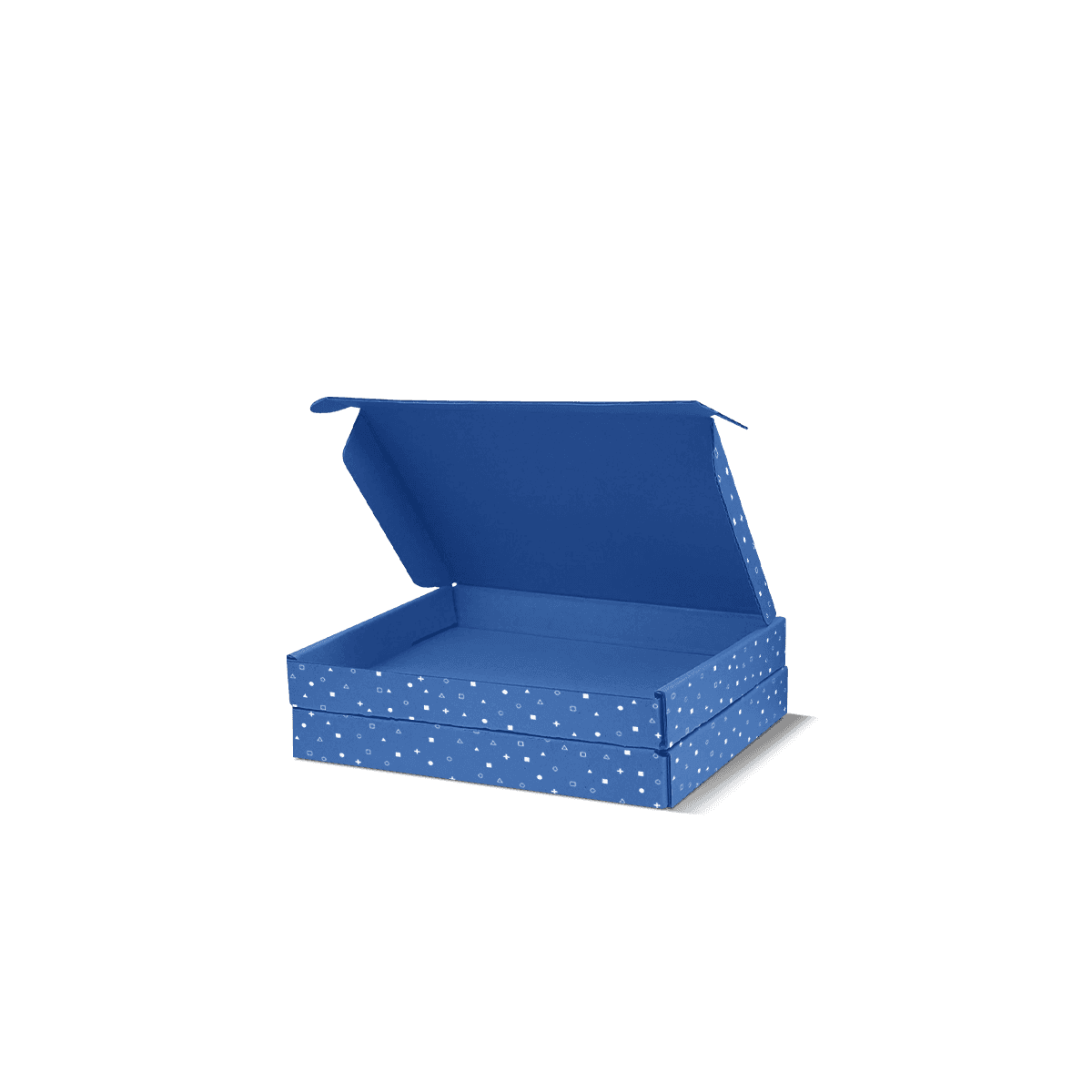
They are usually better when the product is flat, slim and does not need much internal depth. One piece folder boxes wrap more closely around the item, which helps reduce bulk and packing waste. Corrugated mailer boxes are the stronger choice when you need a deeper cavity, more presentation space or room for inserts and tissue.

Yes, they are often a very good fit for books, brochures, catalogues and similar flat products. The fold-around build helps protect faces, edges and corners while keeping the pack compact. For heavier titles or sharp corners, it is still worth checking board grade and exact product thickness before final sign-off.

Quite a lot, but the smartest approach is usually clean and functional rather than overly decorative. Outer panels can carry branding, instructions, campaign graphics or shipping information. Because this is a practical dispatch style, buyers often get the best result from strong print placement and clear panel planning instead of heavy finish treatment.

They often can, because they keep the outer dimensions closer to the packed item. Less unused space may support better postage efficiency and reduce the need for extra packing materials. The actual saving depends on product size range, carrier pricing and whether the same box can cover several nearby SKUs.

Start with the exact length, width and packed thickness of the product, not just the product itself. Then confirm corner sensitivity, board strength, closure fit and whether extra contents such as sleeves, documents or labels need to go inside. If the item range varies, it also helps to decide whether one bespoke size or a small size family will work better.

Process

How it works

Your Packaging Journey, From Idea to Production and Delivery

01

Tell Us Your Specs

Custom packaging boxes

Tell Us Your Specs

Provide size, quantity, printing, and finishes.

02

Get a Fast Quote

Custom packaging boxes

Get a Fast Quote

Instant transparent pricing, no hidden fees.

03

Design and Approval

Custom packaging boxes

Design and Approval

Artwork checks, revisions, and final sign-off.

04

Produce

Custom packaging boxes

Produce

Expert manufacturing to meet deadlines.

05

Ship to Your Door

Custom packaging boxes

Ship to Your Door

Hassle-free, flexible delivery options.

Get Your Quote for Custom One Piece Folder Boxes

Share your product details, dimensions, quantity and artwork needs. We’ll help choose the right packaging style and send a clear quote.