Skip to content
Details

Custom Corrugated Mailer Boxes

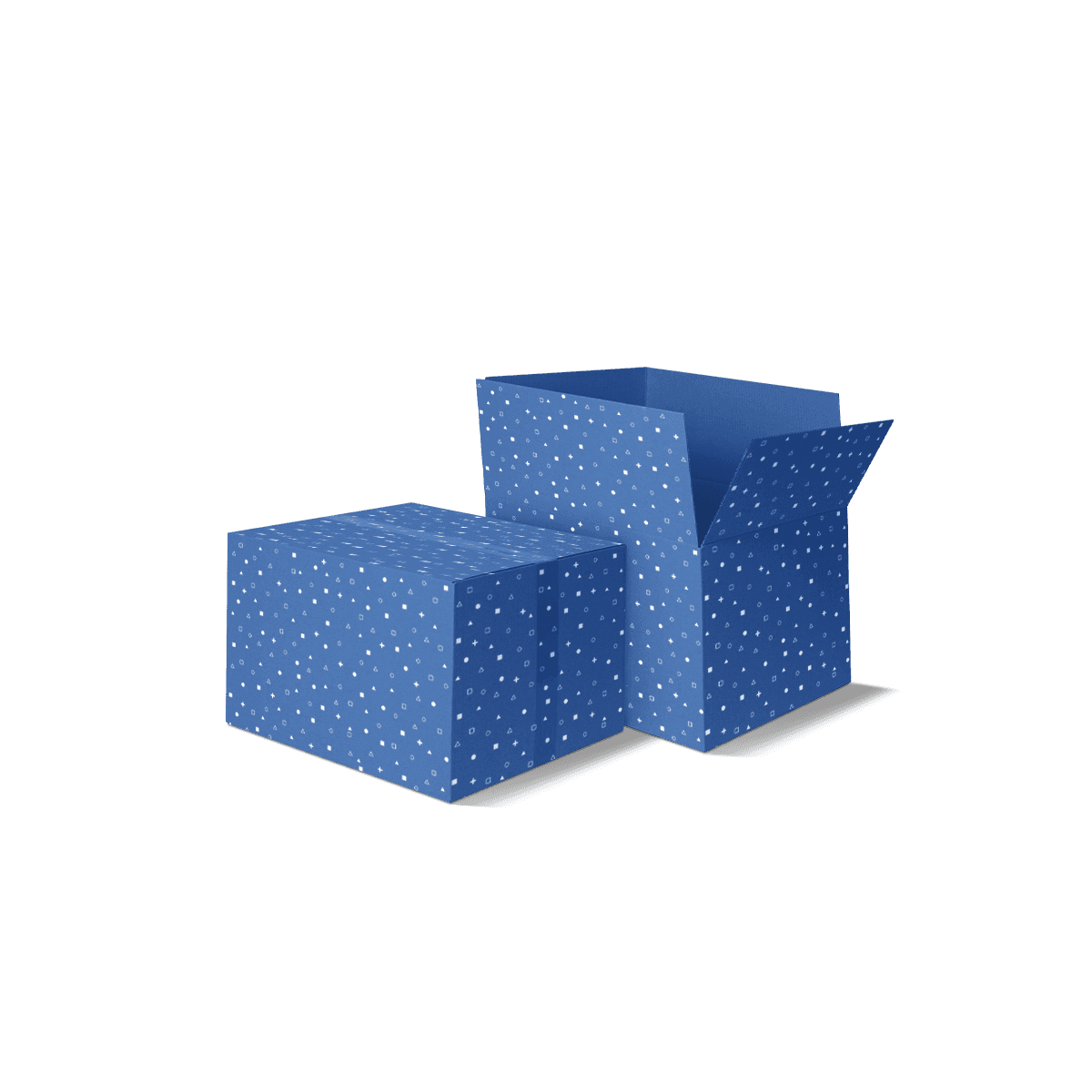
Corrugated mailer boxes give ecommerce brands a stronger outer pack with cleaner presentation, dependable crush resistance and more room for branded printing, inserts and product organisation than flatter postal styles.

Strength Starts With the Spec

Custom corrugated mailer boxes are die-cut mailers made from corrugated material, where a fluted paper medium sits between liner sheets. They are best used when the parcel needs more stiffness, cushioning and edge protection than a lightweight folding carton, while still arriving as a branded customer-facing box. The flute creates the protective core, but the flute letter alone does not tell you whether the finished box is right for the job.

That distinction keeps this product separate from the wider custom mailer boxes choice. “Corrugated” describes the material system. The exact mailer closure can still change according to loading, opening and fulfilment needs.

If you are still deciding between paperboard, corrugated and rigid packaging, the material decision breakdown is a useful first filter. Corrugated earns its place when delivery handling and product protection carry real weight in the decision.

Flute Is Not a Strength Rating

E flute is often a strong starting point for compact ecommerce mailers because its finer profile keeps the box relatively slim and gives a cleaner surface for detailed branding. B flute gives more depth and cushioning and may suit larger, denser or more demanding parcels.

Do not treat “B is stronger than E” as a complete specification. Liner papers, paper weights, overall board grade, box dimensions and the finished structure all affect performance. A well-sized E-flute mailer can outperform an unnecessarily large box made from heavier material because the product has less room to move and the panels have shorter unsupported spans.

Large Panels Need More Control

As a mailer becomes wider, deeper or taller, the same material can behave differently. Broad lid and base panels flex more easily, while a dense product creates more load at the base and corners.

This is why board choice should follow the packed product rather than a standard product list. The team needs to know the weight, dimensions, fragility, number of items and likely handling route before deciding how much corrugated protection is sensible.

Size the Packed Product

The correct internal size is the smallest practical cavity that lets the product, wrapping and any insert fit without forcing the lid or side walls. Starting from the bare product dimensions is one of the easiest ways to create a mailer that looks right on screen but packs badly in practice.

Measure the Real Cavity

Measure the product in the condition it will actually be dispatched. Include tissue, sleeves, instruction cards, accessories and the full height of any insert. Corrugated thickness also matters because internal and external dimensions are not interchangeable.

Do not add generous clearance “to be safe”. Excess space can let the contents build momentum before they hit a wall, increase filler use and make the parcel feel poorly resolved. If the contents need controlled clearance, define that deliberately rather than simply increasing every dimension.

The packaging dieline and artwork setup explains why material thickness, folds and panel geometry need to be settled before artwork is locked.

Stop Movement Before Adding Material

A stronger outer box does not solve uncontrolled movement inside it. If a jar, device or multi-item set can slide, rotate or strike another product, improve the internal fit first.

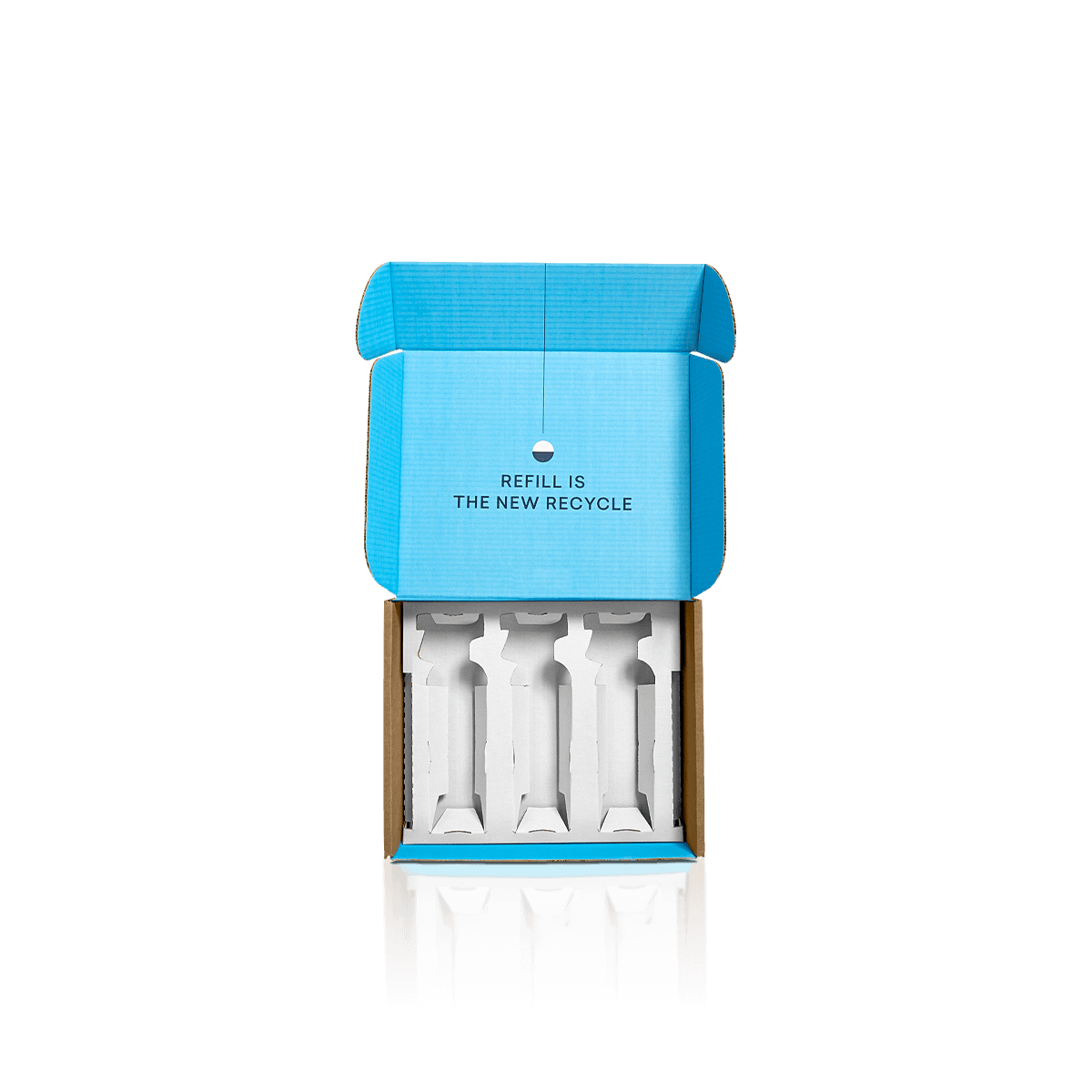
Use inserts and dividers where the contents need fixed positions, separation or support. For lighter goods, a close fit and simple paperboard fitment may be enough. Denser or fragile products can need corrugated supports or partitions.

A useful decision rule is simple: strengthen the outer mailer for external handling risk, and control the inside for product movement risk. They solve different problems.

Let the Liner Follow the Job

The outer liner changes the printable surface, but it should be chosen after the corrugated performance requirement is settled. Flute, grade, packed weight and panel span decide whether the mailer can handle its delivery job. The liner then decides what surface the artwork sees.

Choose the Face After the Core

A white outer liner gives artwork a more neutral print base. Natural kraft leaves the brown fibre visible and changes colour contrast.

Keep that decision secondary on a corrugated specification. If brown-board colour, ink opacity or repeat print control becomes the main question, custom kraft mailer boxes should handle that part of the brief in more depth.

Plan the Inside as One System

Corrugated mailers work especially well for ecommerce kits, subscription orders and mixed-product deliveries because the outer walls and internal layout can be planned together. The best result is not the box plus an insert chosen later. It is one fitted system.

Control Contact Points

For two or more items, check what can touch during tipping, vibration and stacking. Glass, coated surfaces and sharp-edged cartons may need separation even when the outer box is strong.

A divider is useful when repeated items need individual cells. A shaped insert makes more sense when different products need fixed positions or a planned reveal. Leave enough removal space for fingers and avoid gripping a delicate surface so tightly that packing or unpacking causes damage.

Brands sending repeat kits through ecommerce and subscription fulfilment should also consider whether the same internal layout can be loaded consistently by different packers. A layout that only works when one person arranges it carefully is difficult to scale.

Watch Lid Pressure

Tall inserts can transfer force into the lid or make the front closure difficult to seat. Very low inserts can allow products to jump free when the parcel is turned.

Check insert height with the product loaded, not as an empty component. The lid should close without bowing and the contents should remain controlled when the box changes orientation.

Choose Structure After Material

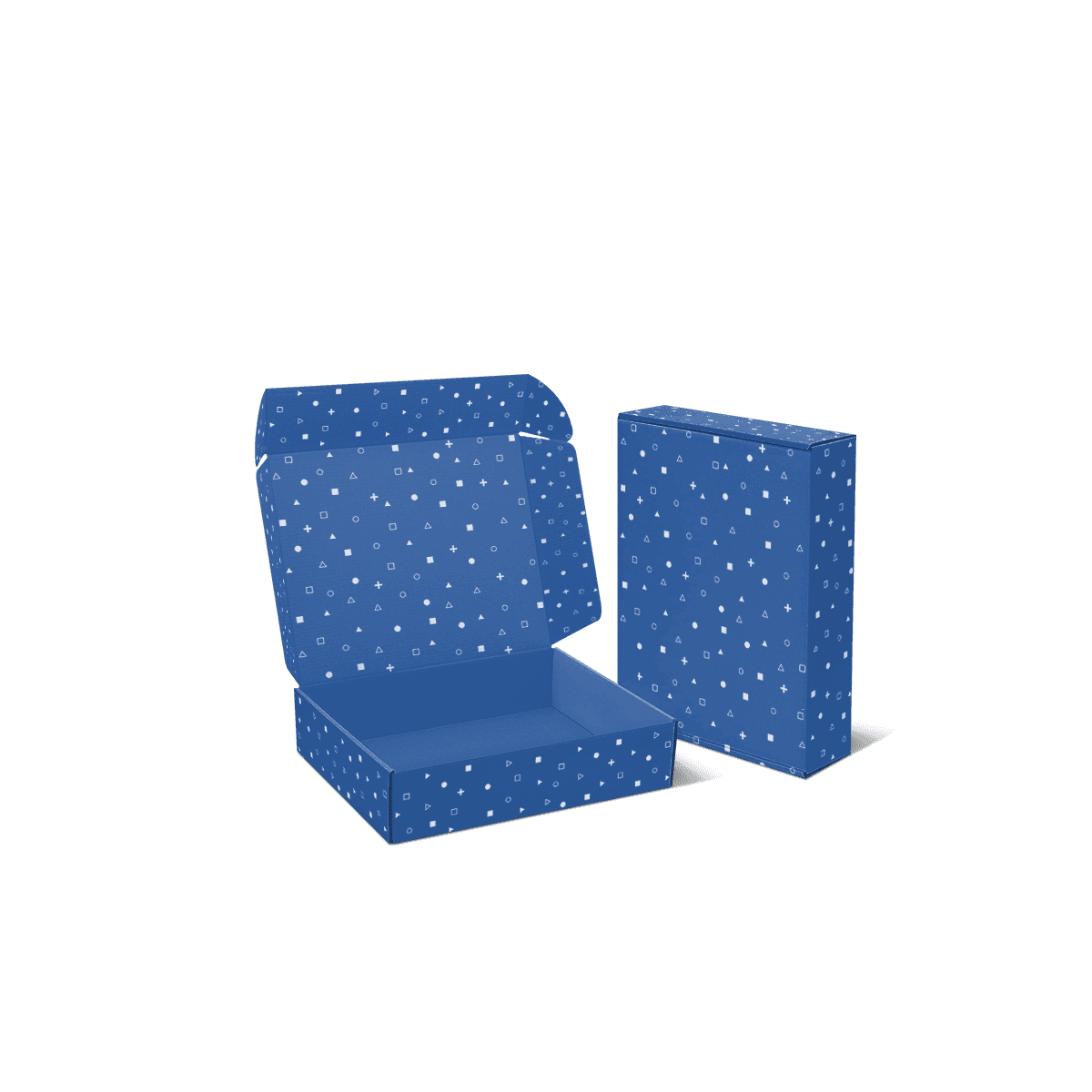
“Corrugated mailer” should not be treated as one closure style. Once the material and protection requirement are clear, choose the actual opening and locking method around packing speed, side reinforcement and the customer experience.

A roll end tuck front mailer is one option when rolled side walls and a front tuck suit the product. Other mailer structures may be more efficient when access, closure pressure or assembly sequence changes.

This separation matters. The corrugated mailer decision is primarily about material performance and transit fit. The roll-end and tuck-top choices are structural decisions and should be made after the protection requirement is understood.

Know When to Step Up

A branded corrugated mailer is not automatically the right answer for every parcel. Very heavy, bulky or high-risk products may need a more transit-led carton rather than a presentation-led mailer.

The shipping boxes options are a better starting point when stacking, heavy loads or tougher distribution conditions dominate the brief. For demanding loads, double wall shipping boxes add another level of corrugated support.

The reverse is also true. A shallow, light item built around a strict postal thickness target may not need the depth or material of a substantial corrugated mailer. Do not pay for protection that does not solve a real risk.

Protect the Artwork in Transit

Artwork should be planned around the folds, exposed edges and handling points of the finished box. A design that looks balanced on a flat file can lose its hierarchy once tabs overlap, panels turn inward and courier labels cover the most visible face.

Keep important logos and small copy away from creases and locking areas. If both sides are printed, plan the opening sequence so the inside message appears in the intended direction rather than upside down after the lid lifts.

The free dieline generator can establish a starting layout from your dimensions. Final artwork still needs to match the chosen material, thickness and structure before production.

Finishes also need restraint on a delivery box. A decorative surface effect only earns its cost if it survives handling well enough to remain visible when the parcel arrives.

Make Repeat Runs Easier

Corrugated mailers are supplied flat, so storage and packing behaviour matter as volume grows. A box that protects well but takes too long to fold can add labour at every dispatch.

Before locking a repeat specification, have the packing team assemble, load, close and label the mailer in the same sequence they will use during normal fulfilment. Check where flat blanks are stored, how much bench space assembly needs and whether the same insert works reliably across the product tolerances you expect.

For urgent launches, the fastest route is usually to settle the structure, dimensions, material and artwork before production begins. The fast-turnaround mailer workflow shows how unresolved specifications create delays before the press or die cutter becomes the bottleneck.

For recurring demand, warehousing and scheduled deliveries can reduce the amount of finished stock held on site while keeping an approved specification available for planned releases.

Prove the Failure Point

Use a free 3D mockup for artwork and panel orientation. Use a paid custom physical sample when the main risk is physical, such as fragile contents, a tight insert, closure pressure or a large unsupported panel.

Test the loaded box for movement, bowing and product removal before those problems are multiplied across a production run.

Price the Protection You Need

A useful corrugated mailer quote starts with the risks the box must control. Share the packed product dimensions and weight, item count, fragile or high-pressure contact points, insert requirement and how the parcel will be dispatched. Add the quantity and artwork direction once the physical requirement is clear.

That gives the team enough information to price the protection requirement instead of a generic corrugated box. For repeat runs, keep the approved flute, liner and internal fit with the reorder specification so the protective performance does not drift between productions.

If several suppliers are quoting, keep the specification identical. The mailer quote checklist shows why a different flute, internal size or print coverage can make two apparently similar prices impossible to compare fairly.

When the packed-product details are ready, use instant pricing to move from the protection requirement to a production specification.

FAQs

Corrugated mailer boxes are usually better when you need more strength, more internal depth or a stronger unboxing effect. Postal boxes work well for slimmer and lighter products. If the contents need inserts, tissue or extra crush resistance, corrugated mailers are often the safer choice.

Yes, provided the board grade and box size are specified correctly. Corrugated construction gives stronger support than many standard carton styles. If the item is dense or fragile, confirm unit weight, fit and whether an insert is needed before finalising the box.

Yes, and that is one of their strongest advantages. Outer print supports branding and delivery presentation, while inner print can add messages, campaign graphics or pattern work. The right choice depends on budget, artwork coverage and the kind of arrival experience you want.

Add inserts when the contents need position control, separation or a cleaner reveal on opening. They are especially useful for multi-item orders, product kits and fragile accessories. Even a simple cardboard insert can improve arrival condition and make the pack feel more organised.

Confirm the internal size, packed weight and number of items first. Then check whether the box needs tissue, dividers or inserts and how it will be packed during fulfilment. It also helps to decide early whether print is outside only or inside and outside, because that affects the final spec.

Process

How it works

Your Packaging Journey, From Idea to Production and Delivery

01

Tell Us Your Specs

Custom packaging boxes

Tell Us Your Specs

Provide size, quantity, printing, and finishes.

02

Get a Fast Quote

Custom packaging boxes

Get a Fast Quote

Instant transparent pricing, no hidden fees.

03

Design and Approval

Custom packaging boxes

Design and Approval

Artwork checks, revisions, and final sign-off.

04

Produce

Custom packaging boxes

Produce

Expert manufacturing to meet deadlines.

05

Ship to Your Door

Custom packaging boxes

Ship to Your Door

Hassle-free, flexible delivery options.

Get Your Quote for Custom Corrugated Mailer Boxes

Share your product details, dimensions, quantity and artwork needs. We’ll help choose the right packaging style and send a clear quote.