Skip to content
Details

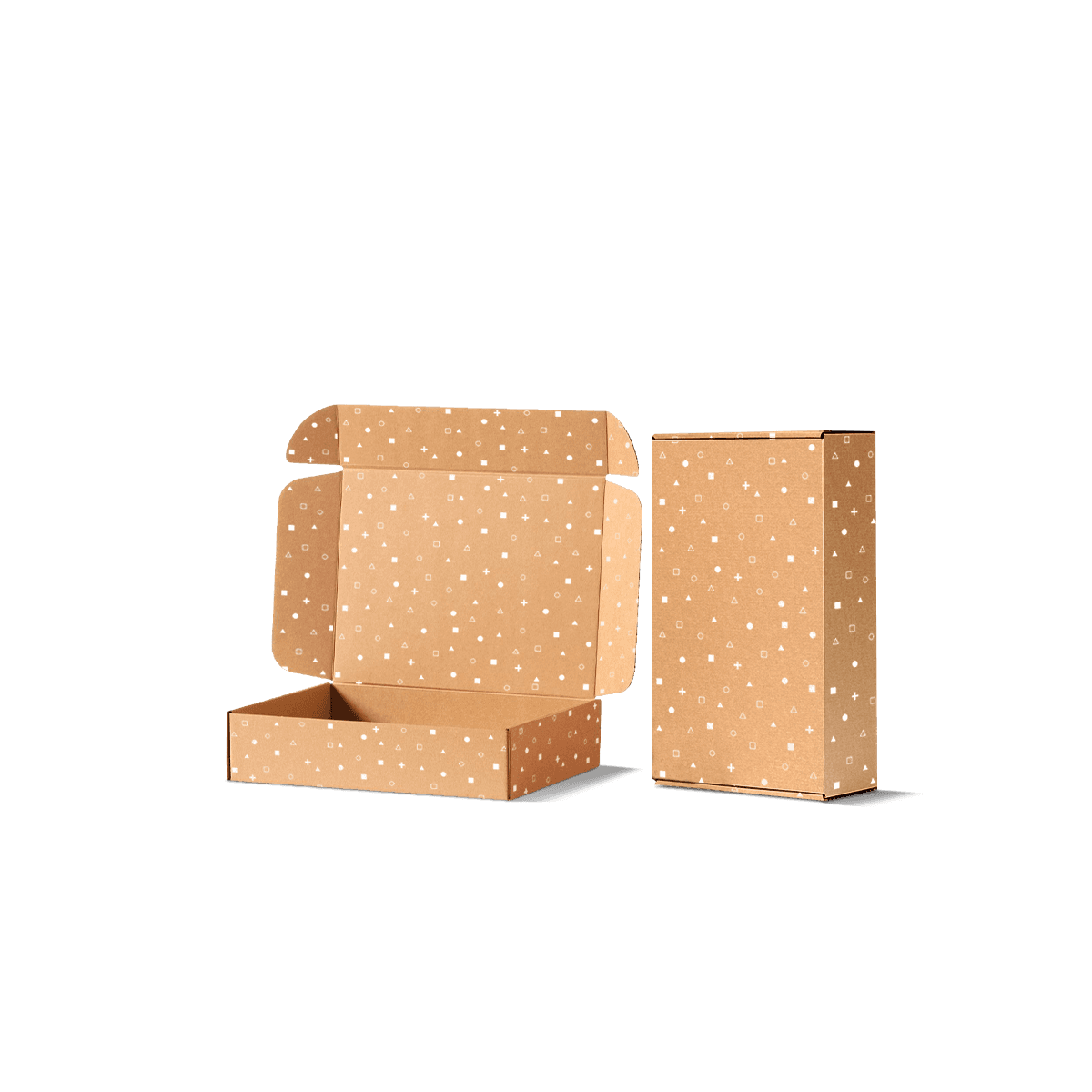
Custom Letterbox Boxes

Letterbox Boxes are made for slim, door-friendly delivery, helping brands send flatter ecommerce orders in a sturdy corrugated box that reduces delivery friction, protects presentation and keeps fulfilment more efficient than bulkier postal packaging.

The Doorway Is the Constraint

Through-door delivery only works when the finished parcel stays predictably shallow. Custom Letterbox Boxes therefore need to be planned around the real packed profile and usable door clearance, not the bare product depth.

Within custom mailer boxes, this style suits flat or low-profile products where through-door delivery can remove the need for the recipient to be present. Samples, refills, stationery, small accessories and compact subscription sends can all work well when the contents naturally stay shallow.

The important limitation is that domestic letter openings are not all identical. A box should therefore be developed around a sensible target profile and tested with clearance, rather than sold on the assumption that one nominal size will pass through every door.

Test the Usable Opening

The visible slot is only part of the route. Brushes, an inner flap, a spring-loaded plate or the angle at which the parcel enters can reduce the usable opening.

A mailer that matches an aperture exactly can still catch during delivery. Leave practical clearance instead of using every available millimetre. If through-door delivery is central to the service promise, test the finished box against a representative opening or gauge before approving a repeat run.

Allow for Delivery Angle

A rigid shallow box does not always enter perfectly square. The person delivering it may need to introduce one edge first and rotate the parcel slightly as it passes through.

That makes sharp bulges and local high points more troublesome than a uniform profile. The goal is not only a low stated depth. The whole parcel should remain predictably flat.
Packed Thickness Decides Success

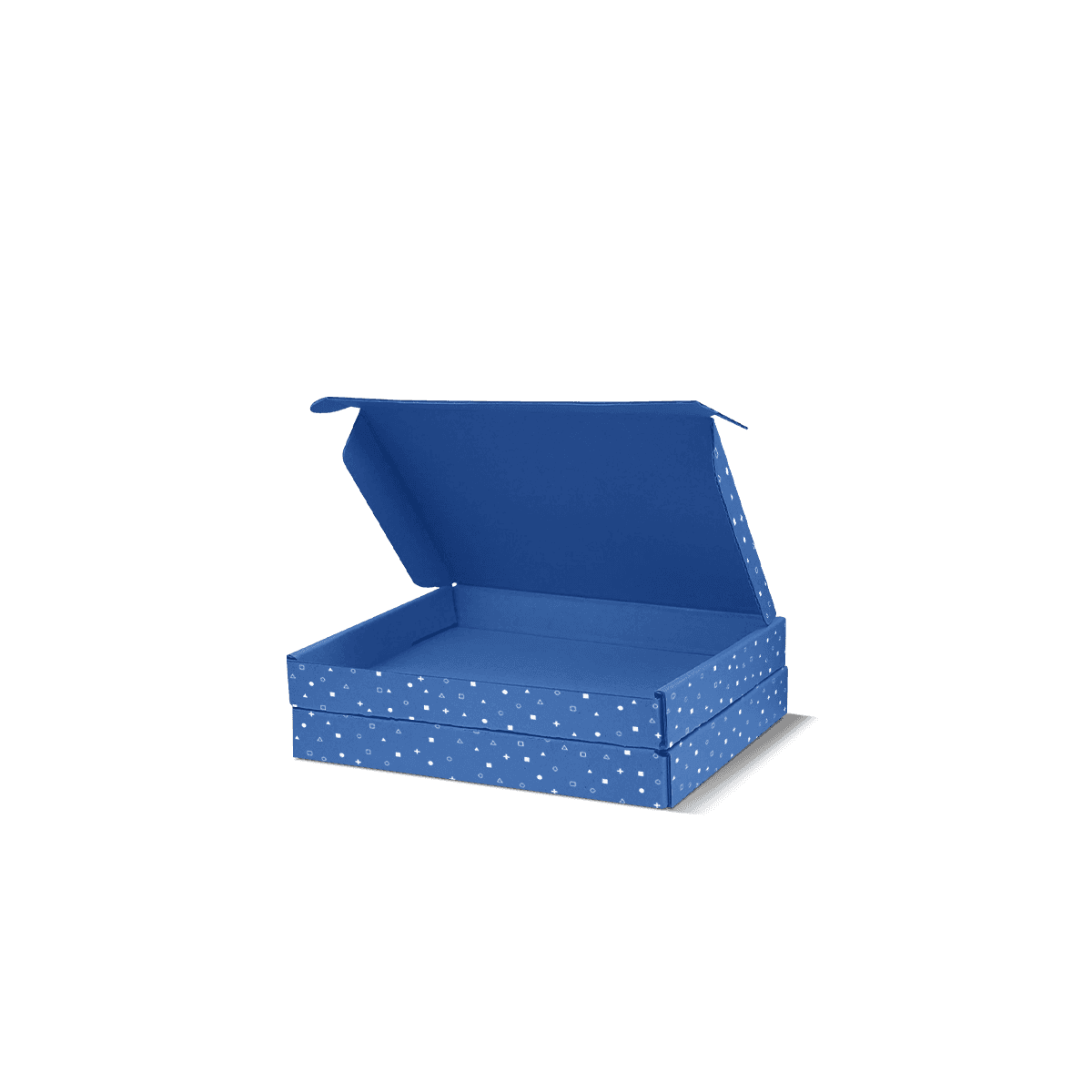
The product thickness is only the starting measurement. The real figure is the outside depth of the completely closed box after the product, insert, leaflet, tissue and any protective layer are inside.

This is where apparently suitable letterbox products often fail. A refill pouch may be shallow on its own but become much thicker when two pouches overlap. Folded literature can spring upward. Tissue can bunch at one end. A raised insert can create lid lift.

Measure After Closure

Build the full arrangement first, close the box normally and measure its maximum external thickness without pressing it flatter by hand.

Check several units if the contents are flexible or hand packed. One perfectly arranged sample is not enough when the normal packing process produces variation.

The same principle applies when choosing size to control cost. The Custom Packly advice on packaging cost mistakes explains why shipping excess volume repeatedly can cost more than the apparent saving from standardising on a larger box.

Control Flexible Layers

Soft goods and paper components can create unpredictable thickness even when they weigh very little. Fold garments consistently. Keep leaflets in a fixed position. Avoid overlapping several flexible products at one point unless the box depth allows for the stack.

For recurring sends, a simple packing rule can matter more than another millimetre of theoretical clearance because it keeps the finished profile consistent from order to order.

Keep the Contents Flat

A letterbox box has little spare vertical space, so internal protection needs to control movement without creating unnecessary height.

The best layout usually spreads products across the footprint rather than stacking them. A shallow cavity also means that movement up and down can quickly turn into lid pressure.

Restrain Without Raising

Use a thin die-cut fitment, retaining sleeve or shallow divider when the product needs to stay in position. Inserts and dividers should earn their depth by reducing movement or organising the contents.

A thick raised platform may produce a better presentation in a deeper gift box, but in a letterbox format it can consume the clearance the delivery concept depends on.

Protect Corners and Edges

Prints, cards, booklets and flat retail products often need more edge protection than cushioning. Hold them away from the box perimeter where possible and prevent them from sliding into a corner during handling.

A one piece folder box may be a better structure when a single flat item mainly needs fold-around edge protection and variable thickness rather than a shallow tray-style cavity.

For flat documents, textiles or lightweight inserts that do not need a corrugated shell, Printed Envelopes can be a better fit than forcing the contents into even a shallow letterbox box.

Material Spends the Depth Budget

Corrugated material can add useful rigidity to a letterbox box, but increasing thickness to gain strength can work against the reason for choosing the style.

The material decision therefore has two jobs: protect the contents and preserve the target external profile.

Do Not Spend Depth Twice

A thicker flute, a tall insert and generous product clearance all consume the same limited depth. Review them as one system.

If the item is light and already flat, a fine corrugated profile may provide enough stiffness without making the parcel bulky. If the product needs heavy cushioning, a deeper protective cavity or substantial crush resistance, forcing it into a letterbox format may be the wrong decision.

For a wider material choice, corrugated mailer boxes are better suited to decisions led by flute, liner and transit performance rather than strict through-door thickness.

Check Panel Bowing

A shallow box can exceed its planned depth if the lid or base bows after loading. This may happen when the product is slightly too tall, an insert presses upward or the contents concentrate force in the centre.

Measure the parcel at its highest point, not only at the side wall. A nominally shallow box is not letterbox-friendly if the centre swells beyond the target profile.

Door Fit Is Not Postage

Through-door convenience and Royal Mail Large Letter eligibility are separate decisions. A box may physically suit a letter opening without meeting a particular postal size or weight band, and a Large Letter-sized item should not automatically be assumed to fit every household letter plate.

Use Royal Mail Large Letter boxes when the mailing classification itself is the main commercial constraint. That sibling should own the current dimensional and weight limits.

Choose Letterbox Boxes when the customer experience of post-through delivery is the main reason for keeping the parcel shallow.

Use Postal Freedom When Needed

If the product depth changes frequently, several products need to be stacked or a more substantial insert is required, postal boxes give more freedom.

Trying to preserve letterbox depth after the product has outgrown it can create a worse parcel: tighter packing, excess pressure and more difficult fulfilment. The delivery benefit only counts when the contents still arrive safely.

Design Around a Shallow Canvas

A low-profile box gives the artwork a wide, flat visual field. That can work particularly well for sampling programmes, refill deliveries and subscription sends where the pack needs to feel deliberate without becoming bulky.

The exterior still has a delivery job, so reserve practical space for addressing or carrier labels where required. Keep important graphics away from working folds and closing edges.

Use the Reveal Efficiently

Inside print can carry instructions, refill messaging or campaign artwork without adding another loose card. That can be useful when every additional component affects packed depth.

For trial campaigns, product sample mailer boxes show how compact products, vouchers and usage information can be arranged as one controlled send rather than several loose pieces.

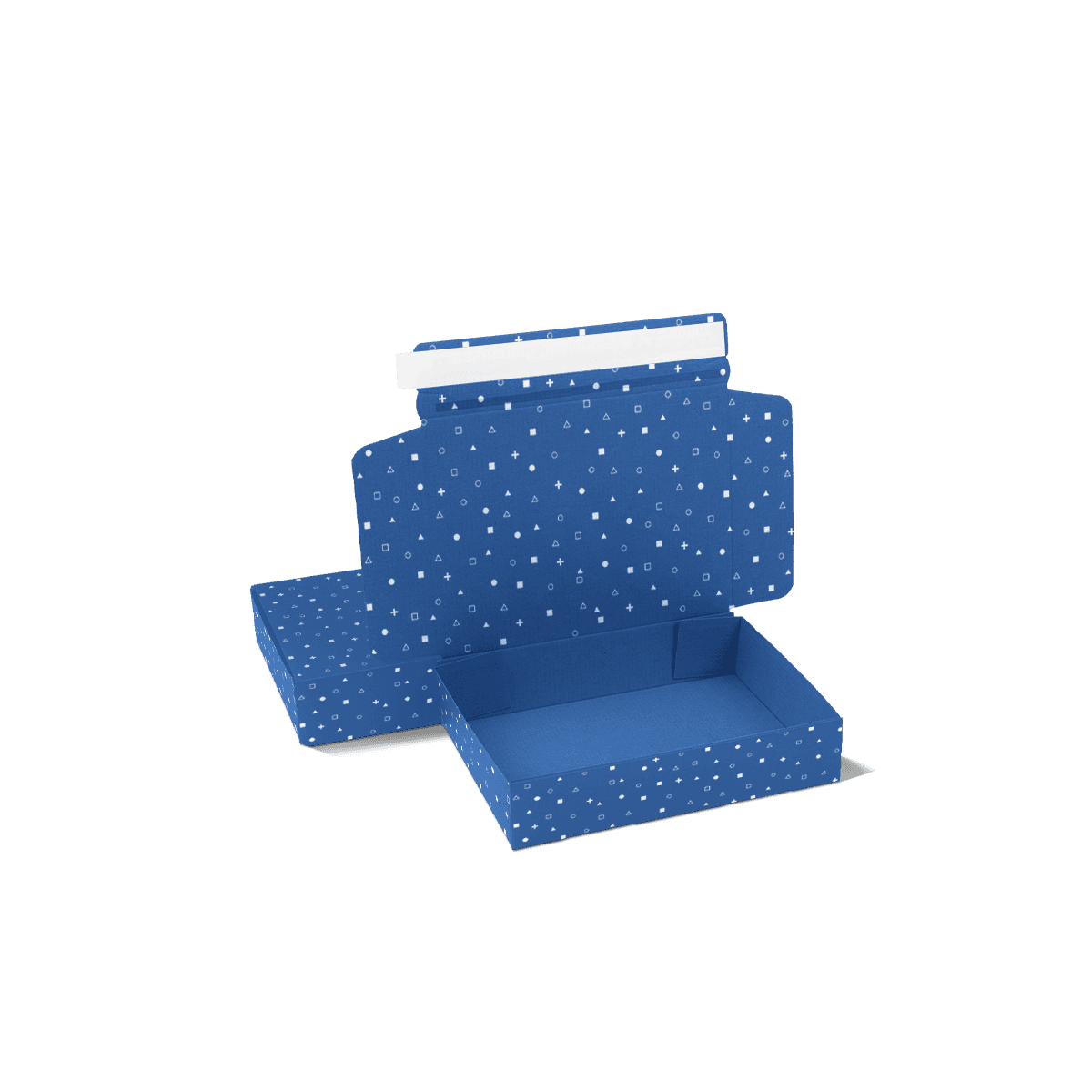
Before artwork is locked, use the packaging dieline workflow to confirm fold direction, safe areas and which panels remain visible once the shallow box is assembled.

Keep Repeat Packs Identical

Letterbox delivery becomes unreliable when the same SKU leaves the warehouse at different thicknesses depending on who packed it.

For repeat orders, document the product orientation, insert position, leaflet location and any fold or wrapping method that affects height. Then check finished parcels periodically rather than assuming the approved dimensions guarantee every packed unit.

Watch Product Changes

A minor product change can alter the whole profile. A thicker refill cap, new instruction booklet, promotional card or extra sample may be enough to remove the clearance that made the original box work.

Recurring subscription mailer boxes need particular discipline because monthly content often changes while the outer packaging is expected to stay the same.

If the contents vary frequently, define the maximum approved packed profile or keep a second size rather than forcing every combination into one box.

Prove the Pass-Through

A 3D mockup can check the appearance, artwork direction and overall proportions of the box, but it cannot prove that the finished parcel will pass cleanly through a physical opening.

Where door fit is central to the brief, the most useful physical test is simple: assemble the real specification, load the real contents and pass it through a representative aperture without compressing or forcing it.

Repeat the test with more than one packed sample if the contents vary in thickness.

A paid custom physical sample can be worthwhile when the specification sits close to the target depth, uses a fitted insert or contains flexible products that can bunch during packing. The point of the sample is not merely to see the print. It is to verify the profile.

Set the Finished Profile

For this box, the most useful starting information is the finished packed profile rather than a rough product size. Share the product length, width and thickness, the maximum depth after all inserts and printed material are included, the total weight and the type of through-door delivery you are trying to achieve.

Also flag anything flexible that can change thickness between packs. If the box is intended for several SKUs, identify the thickest realistic combination instead of quoting only the smallest order.

Because door fit is the core requirement, do not bury the target thickness inside a generic quote note. Put the maximum acceptable finished profile at the top of the brief and flag any flexible component that can change it..

If the exact box style is still uncertain, the packaging selection process can help separate a genuine letterbox requirement from a general postal or mailer need.

After that profile and quantity are agreed, request instant pricing for the tested letterbox specification.

FAQs

Yes, especially for slimmer orders where delivery convenience matters as much as presentation. Letterbox Boxes can help reduce missed deliveries while still giving the order a structured, branded appearance. They work best when the packed item stays consistently low in depth. If the product varies too much in thickness or needs bulky protective fill, a standard postal box is usually the more reliable option.

Start with the fully packed order, not the product alone. Measure the item with any insert, leaflet, wrap or sleeve already included, then allow for the way the box closes in real use. You should also review product weight, packing consistency and whether the item can shift during transit. Small changes in depth matter more in this style than in many other mailer formats.

They can, but the premium result comes from discipline rather than excess. A precise fit, strong artwork, tidy internal layout and well-chosen board often create a better impression than trying to overload a slim box with too many finishes. Because the structure is shallow, every design choice is more visible. Clean branding and smart sizing usually outperform decorative clutter in this format.

Letterbox Boxes are primarily built around delivery convenience and household access, while Royal Mail Large Letter Boxes are more directly tied to a specific postal size category. In practice, there is overlap, but the buying mindset is different. Choose Letterbox Boxes when doorstep fit and customer convenience lead the decision. Choose Royal Mail Large Letter Boxes when mailing-band compliance is the main commercial driver.

Yes, but they need to be shallow and purposeful. Slim cardboard fitments, retention sleeves and lightweight dividers can help keep products flat, separated and presentable without pushing the order beyond its intended depth. This is especially useful for sample sets, stationery, skincare refills and accessory deliveries. The insert should support stability and presentation, not make the structure thicker than the format allows.

Process

How it works

Your Packaging Journey, From Idea to Production and Delivery

01

Tell Us Your Specs

Custom packaging boxes

Tell Us Your Specs

Provide size, quantity, printing, and finishes.

02

Get a Fast Quote

Custom packaging boxes

Get a Fast Quote

Instant transparent pricing, no hidden fees.

03

Design and Approval

Custom packaging boxes

Design and Approval

Artwork checks, revisions, and final sign-off.

04

Produce

Custom packaging boxes

Produce

Expert manufacturing to meet deadlines.

05

Ship to Your Door

Custom packaging boxes

Ship to Your Door

Hassle-free, flexible delivery options.

Get Your Quote for Custom Letterbox Boxes

Share your product details, dimensions, quantity and artwork needs. We’ll help choose the right packaging style and send a clear quote.