Skip to content
Details

Custom Postal Boxes

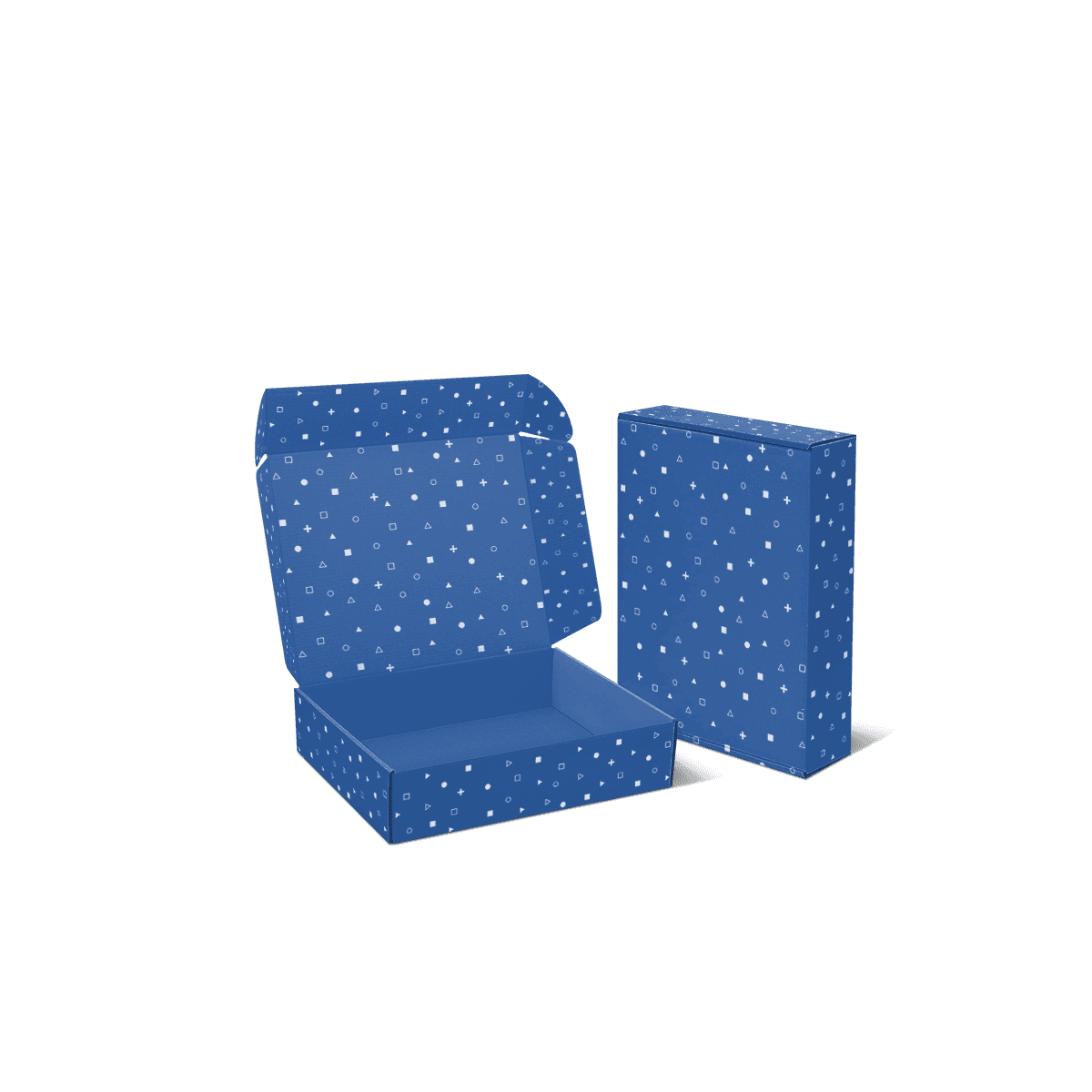
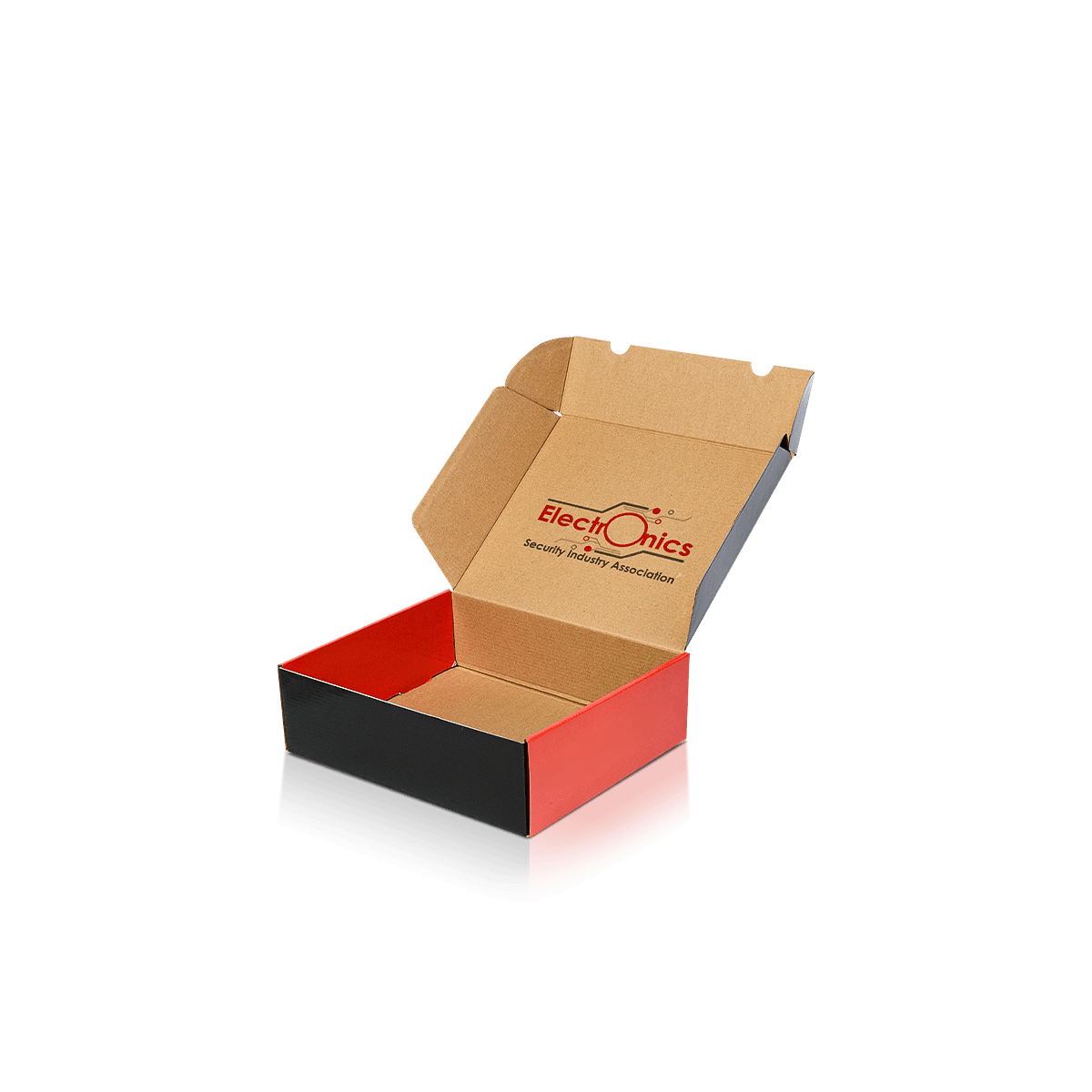
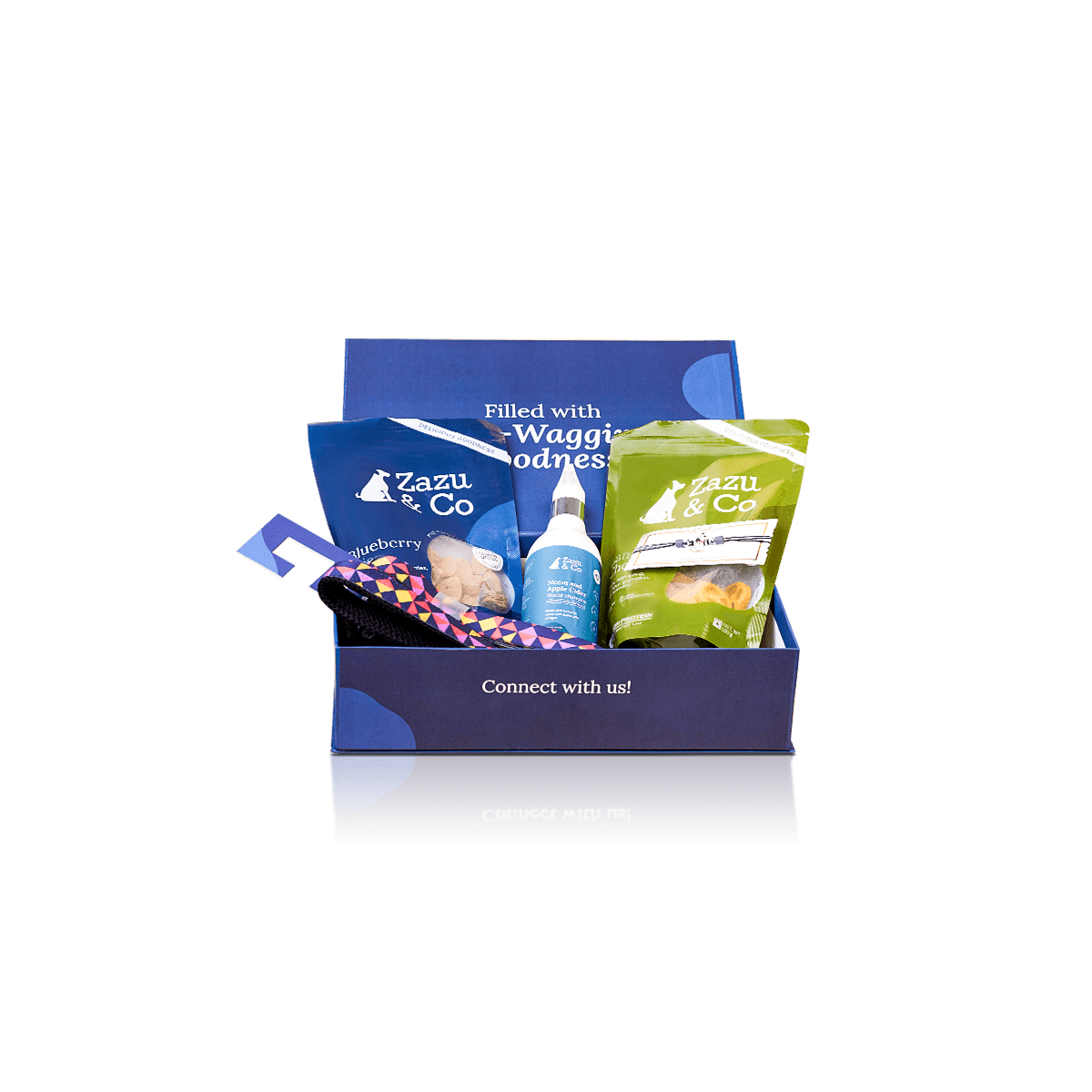
Postal Boxes are built for dependable shipping, cleaner branded delivery and practical packing across ecommerce, retail dispatch and sample fulfilment, giving businesses a versatile corrugated box style that protects products in transit without overcomplicating assembly or storage.

Plan Around the Delivery Route

Start with what happens after the box leaves the packing bench. The carrier route, finished parcel size, closure, label area and handling sequence should shape Custom Postal Boxes before print or finish is discussed.

That gives postal packaging a different job from the wider custom mailer boxes choice. “Postal” describes the delivery use rather than one exact closure or one flute. The right structure can be a compact self-locking mailer, a deeper corrugated postal box or another made-to-measure option, provided it suits the actual dispatch conditions.

If the structure itself is still undecided, the main box types and their uses are worth settling before print or finishes enter the brief.

Start With the Handover

Ask what happens after the parcel is sealed. Does it move through Royal Mail, a parcel carrier, a fulfilment partner or more than one route? Is it collected in cages, stacked with other parcels or handled individually in lower volumes?

Those answers affect the sensible size, closure and protection level. A box that works well for a light direct-mail order may be inefficient for a dense product sent through a parcel network. The carrier journey should narrow the specification before artwork makes the box harder to change.

External Size Controls Dispatch

The carrier sees the finished outside of the parcel, not the internal dimensions shown on a packaging quote. That difference matters whenever size bands, volumetric charging or parcel limits affect the delivery cost.

Measure the postal box after the real contents are inside and the lid is fully closed. Include inserts, tissue, cards, protective wrap and anything that can lift the lid or bow a side wall.

Measure the Largest Packout

A business sending several SKUs through one box should test the fullest realistic order, not the neatest one. A taller product stack, thicker tissue fold or extra leaflet can change the external depth enough to affect the way the parcel is processed.

This is also why one standard box size is not automatically cheaper overall. Fewer packaging SKUs can simplify purchasing and storage, but too much spare space can mean more material, filler and delivery volume. The hidden cost of oversized packaging becomes significant when that excess is repeated across regular shipments.

Keep Postal Limits Separate

If the commercial target is specifically a slim through-the-door delivery, letterbox boxes deserve their own sizing decision. If the order must stay within a Royal Mail Large Letter specification, use Royal Mail Large Letter boxes and verify the current postal limits before production.

General postal boxes should keep more freedom for products that need extra depth, cushioning or mixed-item layouts.

Closure Must Survive Handling

A postal box is only secure if the closure remains dependable after packing, handling and delivery. Tuck locks can work well for suitable lightweight orders. Adhesive strips can speed repeated packing and tape may still be appropriate where the product weight or route demands extra security.

Do not choose the closure from appearance alone. Check whether the packed product pushes against the lid, whether side panels stay seated and whether the box can be closed consistently by different people during a busy dispatch period.

Plan Returns Before Cutting

For businesses with regular exchanges or returns, the return journey should be considered before the dieline is approved. Where technically suitable, a resealable layout or second adhesive strip can make the same outer box easier to reuse for the return.

A tear strip can improve first opening, but it should not weaken an important panel, cut through key artwork or interfere with the area needed for the carrier label. Return convenience, opening behaviour and closure security need to work together rather than being added independently.

Reserve the Label Zone

Branded postal packaging still needs a practical surface for the shipping label. Keep one suitable panel clear enough for the label to sit flat without crossing a fold, locking edge, opening strip or heavily uneven surface.

This sounds minor at design stage, but it affects both packing speed and the appearance of the parcel. If staff have to rotate every box to find a usable label position, or cover the main logo because no other area works, the artwork has ignored the fulfilment process.

Design Around Real Handling

Place the strongest brand moment where it will remain visible after the label is applied. Inside printing can carry more detailed artwork, instructions or campaign messaging without competing with address information on the exterior.

The packaging customisation options can cover outside print, inside print, colour control and selected finishes, but postal packaging benefits from restraint. Every extra treatment should survive normal handling and solve a real presentation need.

Standardise Without Shipping Air

One postal box can sometimes serve several related products, which can reduce the number of packaging lines held in stock. That only works when each product combination still fits securely and remains commercially sensible to dispatch.

Group SKUs by their packed dimensions and protection need rather than by product category alone. Two cosmetics may need different postal boxes if one is a flat refill and the other is a heavy glass jar. Two unrelated products may share a box efficiently if their packed size and handling risk are similar.

Let Inserts Solve Position

When a shared postal box creates small differences in fit, an insert or divider can control position without changing the outer size. This is useful for kits, accessories and mixed orders where products should not collide or arrive scattered.

Do not use an insert to rescue a badly oversized box. The outer dimensions should still be reasonable for the majority of orders. Internal support should manage movement and presentation, not compensate for avoidable empty volume.

For businesses dispatching changing product mixes, the e-commerce and subscription packaging options show where postal boxes, mailers and insert-led solutions fit different order patterns.

Packing Speed Is Part of Cost

A postal box can look efficient on a specification sheet and still slow the operation if it is awkward to fold, fill, seal or label. Repeated handling makes small inefficiencies expensive.

Before approving a repeat order, have the fulfilment team assemble and close several boxes using the real contents. Watch for side panels that need repeated adjustment, tabs that catch, inserts that require careful alignment or lids that only close when the product is repositioned.

Remove Decisions at the Bench

The best repeat packing sequence is obvious. The flat blank should open the same way each time, the product should have a clear orientation and the label should have an established position.

If an urgent order is planned, settling these details early also removes revision time before manufacture. The fast-turnaround mailer workflow explains why clear dimensions, structure, artwork and approvals usually matter more than asking production to recover time later.

Material Supports the Route

Most branded postal boxes use corrugated material because it combines low weight, useful stiffness and printable surfaces. The exact flute, liners and grade should still follow product weight and handling risk.

That material decision belongs in more depth on custom corrugated mailer boxes. For postal boxes, the more important question is whether the chosen material lets the finished parcel remain efficient, secure and easy to process through the intended delivery route.

A stronger specification is not automatically better. Extra thickness can add unnecessary bulk, while an under-specified box can lose shape or expose the product to damage. Use enough material for the job and no more than the job requires.

Artwork Follows the Parcel

Final artwork should be placed only after the dimensions, opening direction, closure and label area are settled. Postal boxes have several functional zones that can interrupt an otherwise clean design.

The dieline and artwork workflow is useful here because the flat file needs to anticipate how every panel rotates once assembled. Logos, small copy and important campaign details should stay away from creases, locking tabs and perforations.

A free 3D mockup can check panel orientation and the overall visual hierarchy before production. When the risk is physical rather than visual, such as a tight return closure, unusual insert or product pressing against the lid, a paid custom physical sample is the more useful test.

Know When Postal Is Wrong

Postal boxes work best for regular direct-to-customer dispatch where protection, branding and packing efficiency need to coexist. They are not the universal answer for every shipped product.

If the main question is corrugated strength, flute and material performance, stay with the dedicated corrugated mailer specification. If the product is bulky, heavy or likely to face stronger stacking and warehouse loads, shipping boxes are a better starting point.

This boundary matters because overloading a presentation-led postal structure can create more cost and risk than choosing a straightforward transit carton from the start.

Price the Real Parcel

For an accurate postal-box quote, describe the dispatch pattern rather than sending only a box size. Include the packed external dimensions you are aiming for, total shipped weight, typical item count, carrier or postal route, closure preference and whether returns need to use the same box. Note any insert requirement and the panel you expect to use for the shipping label.

Then add the production quantity, print coverage and artwork status. That information lets the specification be priced around how the parcel will actually move, rather than around a generic postal-box description.

If you are comparing suppliers, keep the packed dimensions, closure, material and print requirement consistent. The mailer quote comparison checklist shows how apparently similar prices can represent different specifications.

For repeat postal runs, consistency matters more than repeating the same manual decisions at every dispatch. Once the specification is approved, warehousing and scheduled deliveries can support planned releases while the same size, closure and print remain controlled.

If the carrier route, packed dimensions and return requirement are already known, use instant pricing. If one of those is still uncertain, describe the dispatch pattern instead of guessing a finished box size.

FAQs

Yes, Postal Boxes are one of the most practical ecommerce choices when the box size and board strength match the order. They protect better than light folding cartons and give you more room for inserts, tissue and branded print. The key is to choose dimensions around the packed order, not the product alone, so the contents stay controlled during handling and do not shift excessively in transit.

Start with the packed size, total shipped weight and the real delivery route. Then check whether the order needs void fill, a fitted insert, internal print or extra crush resistance. If the box will carry multiple items, think about how those items sit together after the lid closes. Those practical details shape the final specification far more than the box name does.

Corrugated cardboard is usually the best fit because it balances protection, printability and efficient supply. Kraft-faced board can suit a more natural branded look, while white-faced board can give cleaner colour reproduction for graphics-heavy artwork. The right choice depends on product weight, finish expectations and whether the box is primarily a transit box, a presentation-led shipper or a hybrid of both.

Postal Boxes are the broader option. They give you more flexibility on depth, overall size and internal layout, which makes them better for thicker products, bundles and insert-led orders. Letterbox Boxes are the better choice when the parcel must pass through a letterbox-friendly format or when reducing missed deliveries is the top priority. In simple terms, choose Postal Boxes for wider fulfilment freedom and Letterbox Boxes for stricter delivery-size efficiency.

Absolutely, but the premium effect usually comes from fit, print discipline and finishing restraint rather than over-decoration. A well-sized Postal Box with strong artwork, good board choice and a clean interior message often performs better than a larger box with too many finishing effects. If the aim is branded delivery rather than luxury gifting, focus first on structure, colour consistency and a tidy opening experience.

Process

How it works

Your Packaging Journey, From Idea to Production and Delivery

01

Tell Us Your Specs

Custom packaging boxes

Tell Us Your Specs

Provide size, quantity, printing, and finishes.

02

Get a Fast Quote

Custom packaging boxes

Get a Fast Quote

Instant transparent pricing, no hidden fees.

03

Design and Approval

Custom packaging boxes

Design and Approval

Artwork checks, revisions, and final sign-off.

04

Produce

Custom packaging boxes

Produce

Expert manufacturing to meet deadlines.

05

Ship to Your Door

Custom packaging boxes

Ship to Your Door

Hassle-free, flexible delivery options.

Get Your Quote for Custom Postal Boxes

Share your product details, dimensions, quantity and artwork needs. We’ll help choose the right packaging style and send a clear quote.