Corrugated Is Not One Specification
Two shipping cartons can look almost identical on a packing bench and behave very differently once they are filled, stacked, taped and moved through a courier network. The difference is often hidden inside the material: flute profile, wall count, liner choice and the way those elements work with the packed load.
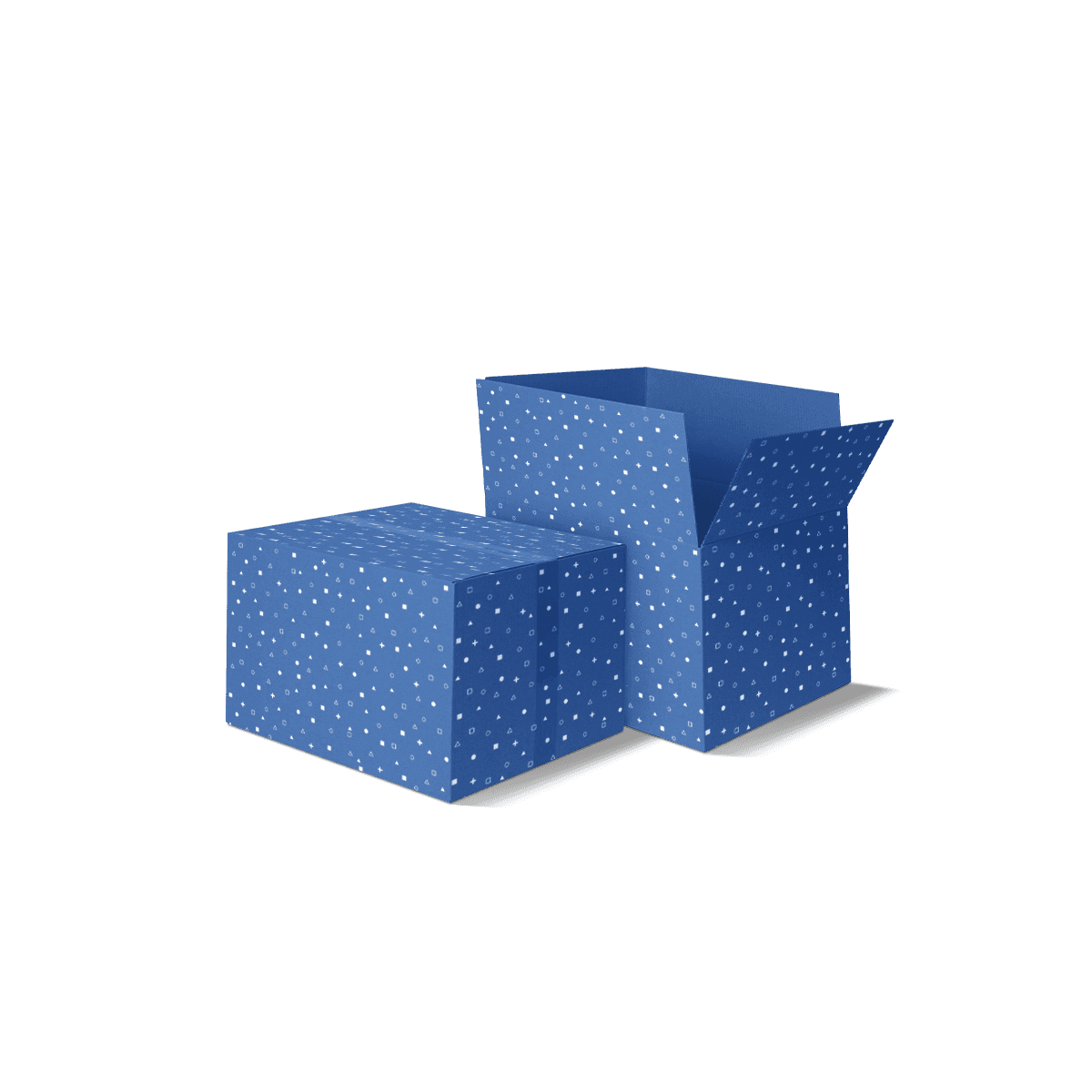
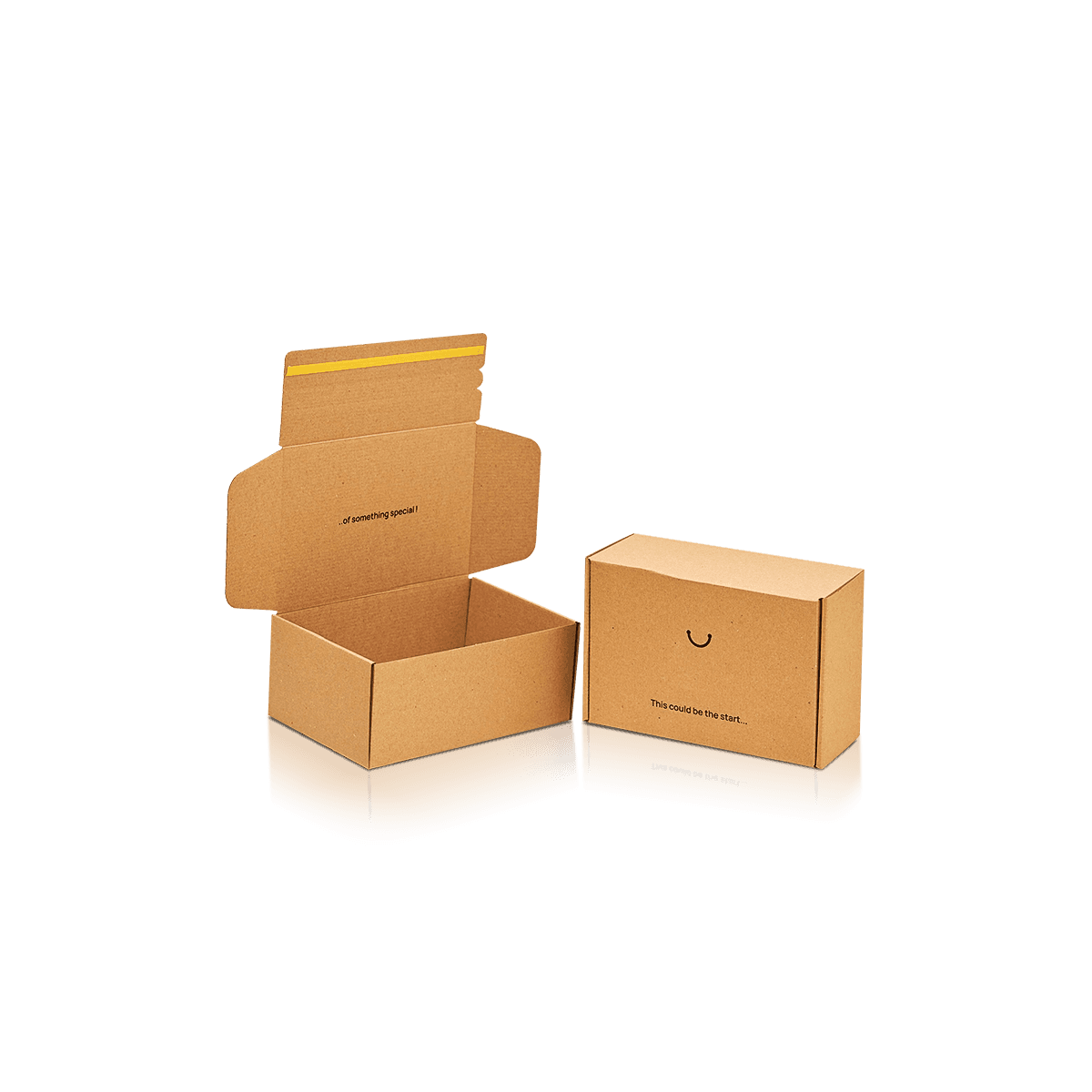
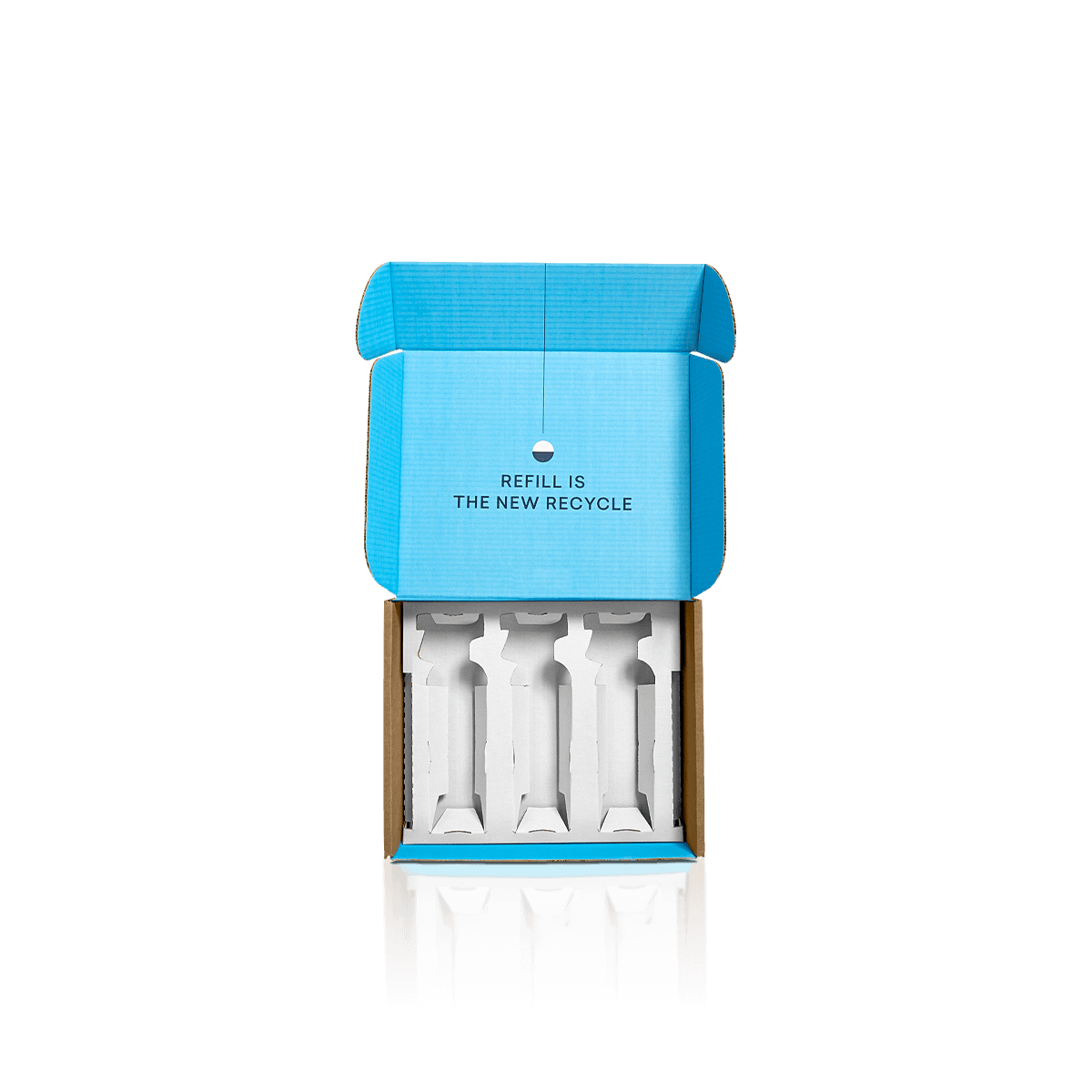
Custom Corrugated Shipping Boxes should therefore be specified as a complete transit system, not bought on the assumption that any corrugated carton will provide the same protection. Product weight matters, but so do carton dimensions, stacking pressure, empty space, closure method and the amount of internal support.
If you are still deciding between material types, paperboard, corrugated and rigid packaging solve different jobs. Corrugated is normally the practical route when a shipment needs cushioning, stiffness and stacking support without moving to a rigid presentation box.
Flute Profile Changes Behaviour
The fluted medium between the liners gives corrugated material much of its stiffness and cushioning behaviour. A finer flute can suit compact cartons and cleaner print surfaces, while a deeper flute can provide more cushioning and panel rigidity. Common profiles such as E, B and C flute each behave differently, so the decision should follow the product and journey rather than a preference for the thickest-looking material.
Large cartons carrying light but bulky products may need panel stiffness even when the packed weight is modest. Smaller cartons carrying dense products may place greater stress on corners, seams and the base. This is why flute choice cannot be reduced to a simple light-product versus heavy-product rule.
Wall Count Follows the Job
Single wall corrugated can be enough for many everyday ecommerce, wholesale and warehouse shipments. Moving to two corrugated layers adds rigidity and compression resistance, but it also changes material use, folded thickness and cost.
When the load, stack height or handling conditions genuinely justify the extra support, Double Wall Shipping Boxes are the more specific route. A fragile product does not automatically need double wall. If the outer carton remains intact while the contents move or collide inside, stronger walls may solve the wrong problem.
Liners Affect Print and Handling
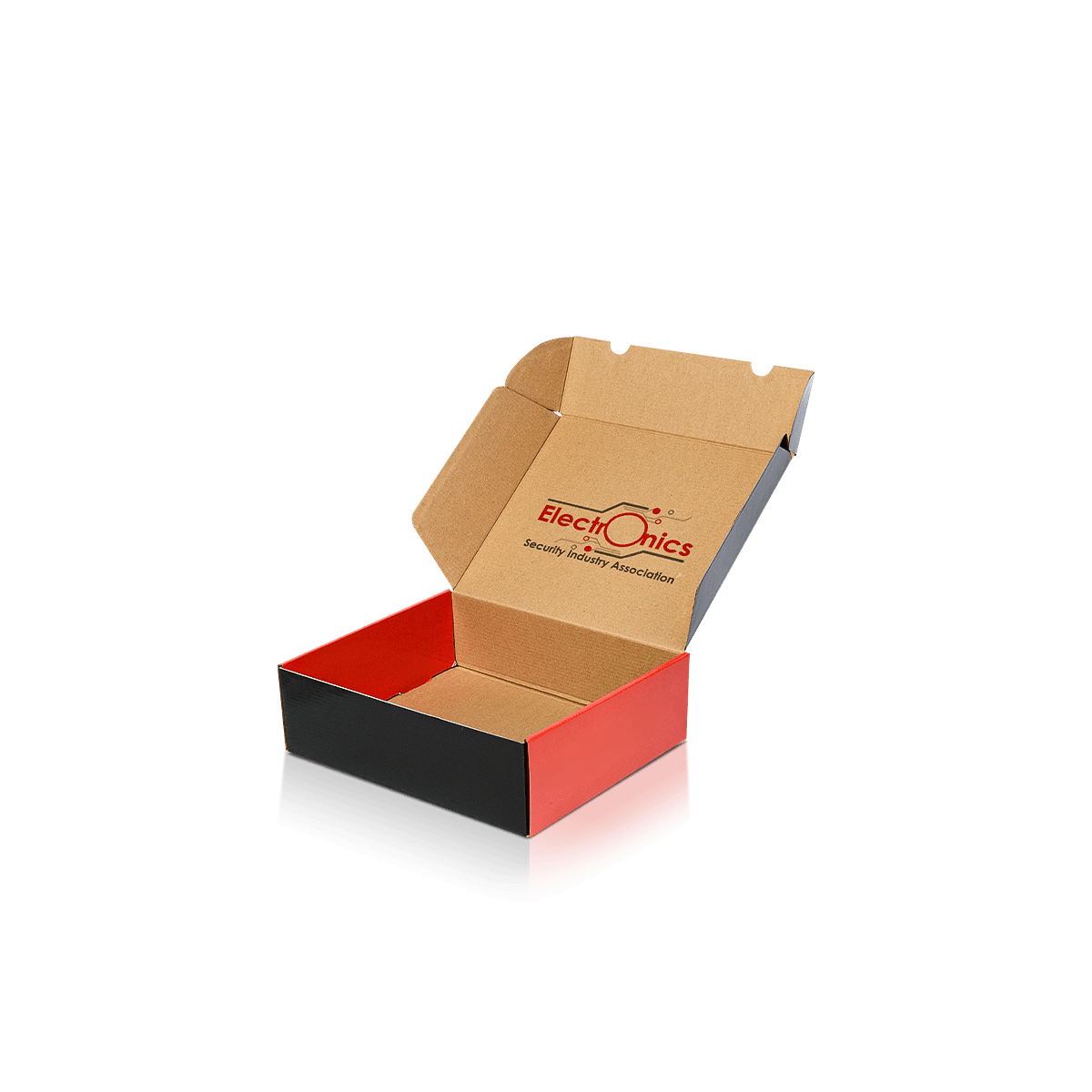
Kraft and white outer liners can both work for corrugated shipping cartons. Kraft gives a natural brown surface that suits restrained artwork, handling marks and practical warehouse use. A white outer surface gives lighter colours and detailed graphics a cleaner base.
The liner is only one part of the specification. The packed load and corrugated grade still decide whether the carton is suitable for transit. Branding should be planned after those structural decisions, not used to disguise an under-specified box.