Skip to content
Details

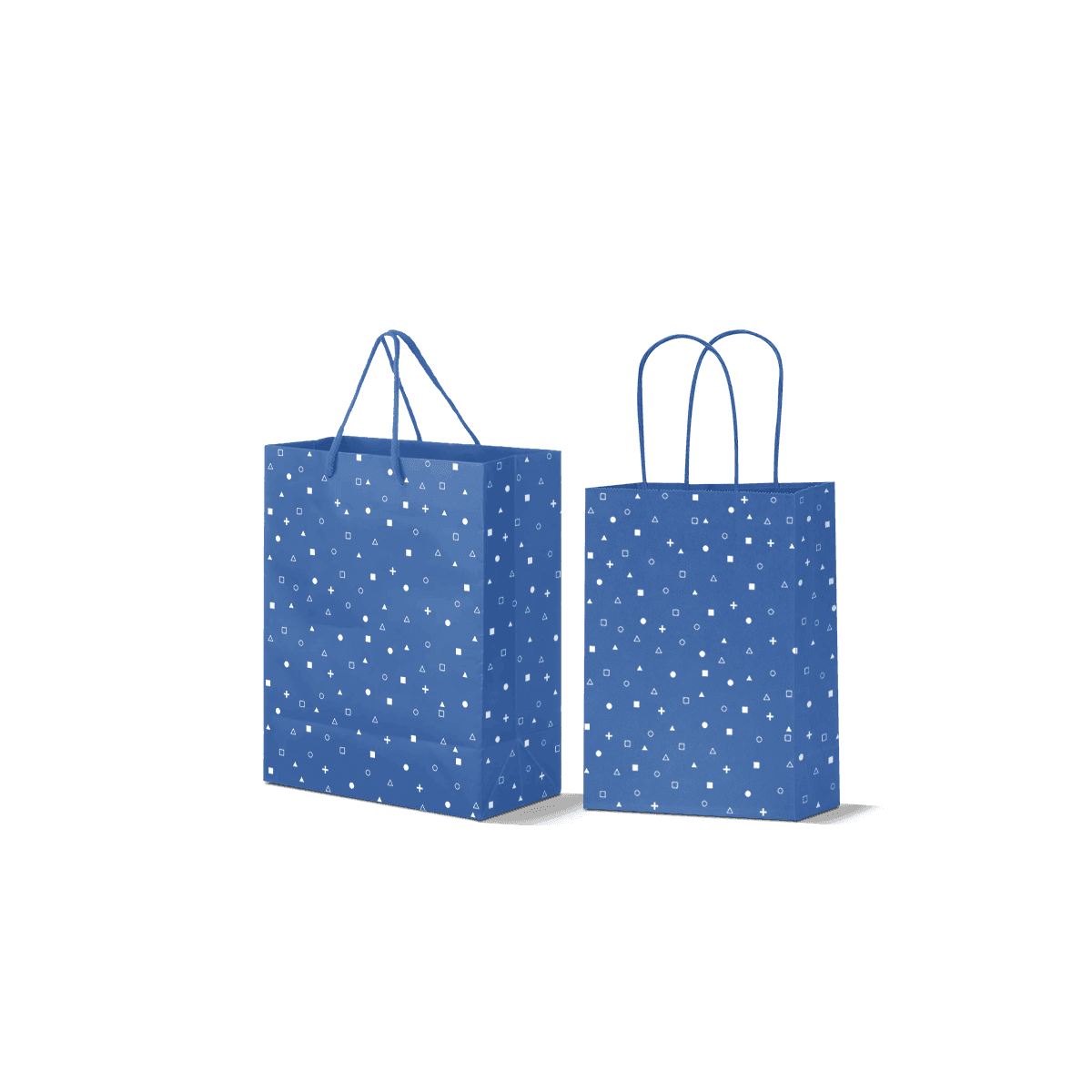
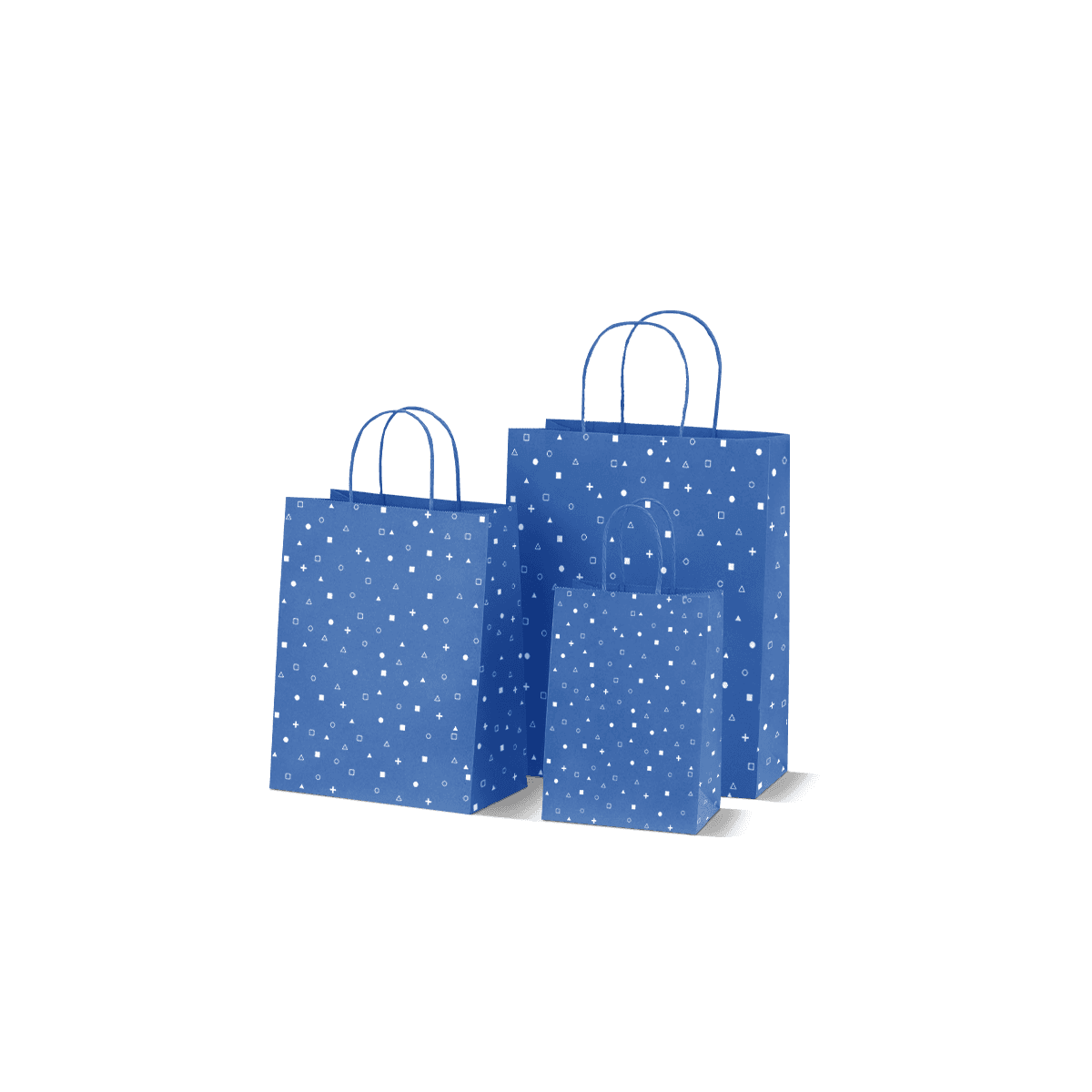
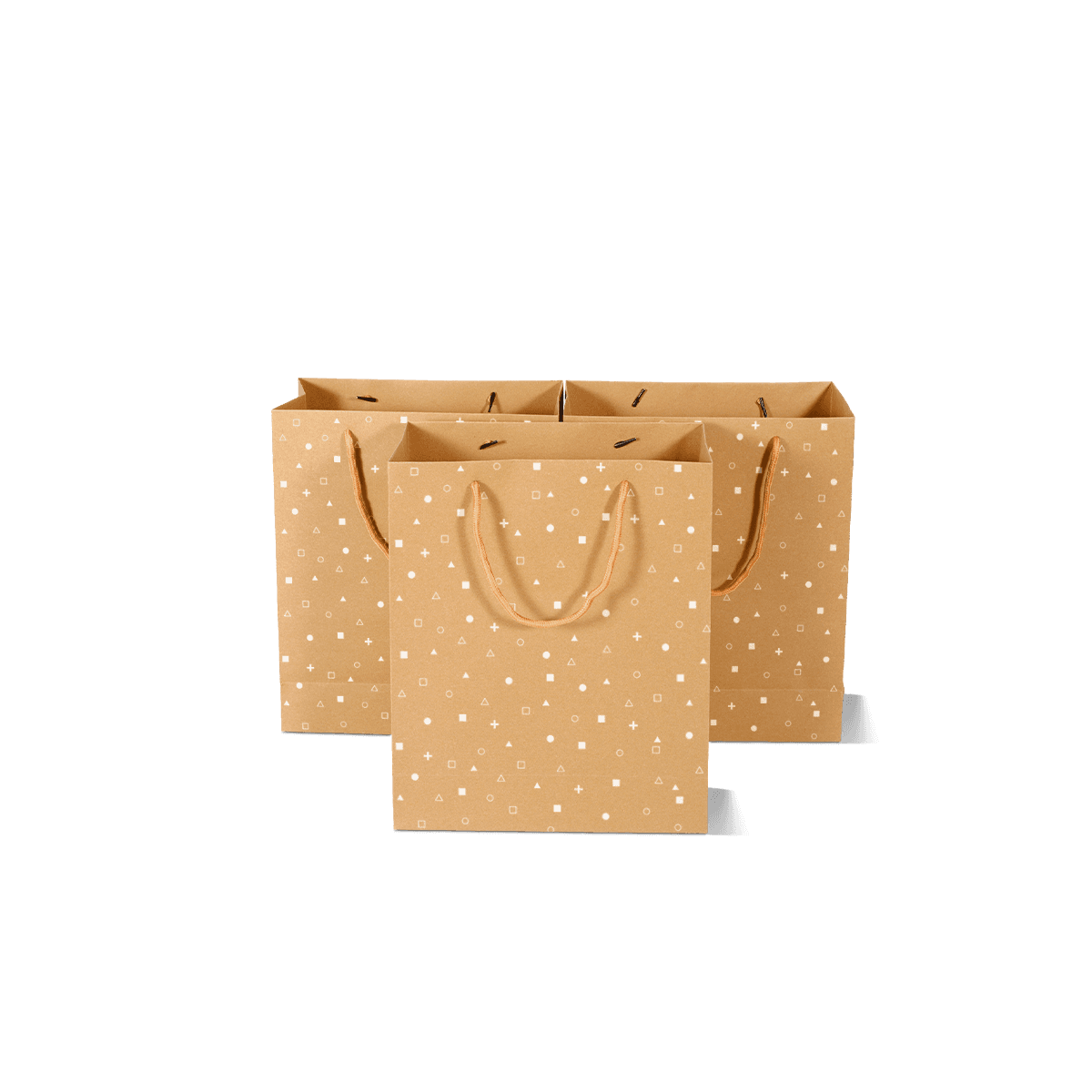
Custom Twisted Handle Paper Bags

Branded paper carriers with twisted handles, sized for real loads across retail, takeaway, bakery and repeat counter use.

Everyday Carry, Better Spec

For everyday retail and takeaway use, Custom Twisted Handle Paper Bags sit between simple handle-free carriers and more premium rope-handle bags. The twisted paper grip gives customers a practical handle without turning a routine checkout bag into a luxury specification. That makes this style useful for boutiques, pharmacies, cafés, bakeries, gift shops, farm shops, events and general high-street sales.

Within custom paper bags, twisted handles make most sense when the bag will be used repeatedly at the counter and needs a dependable balance of carry comfort, visible branding and sensible cost. They are less about decorative theatre and more about getting the everyday handover right.

A well-specified bag should feel comfortable with the normal order inside it, stay reasonably upright, open easily for staff and keep the artwork clear once the handles are lifted. Those practical details matter more than choosing the thickest paper or adding every available finish.
Strength Is a System

The twisted handle is only one part of the carrying system. Paper weight, handle patches, the top area, side gussets and base all share the load. Specifying a heavier sheet does not automatically solve a weak attachment point or a base that is too narrow for the contents.

The Handle Is One Component

Start with the heaviest normal filled order, not the lightest item you sell. A folded T-shirt, two candle boxes and a meal bundle can occupy similar bag dimensions while placing very different loads on the handles and base.

For retail and apparel packaging, soft goods may need volume more than weight capacity. Dense boxed products need more attention to handle attachment and base support. This is why a quoted “strong paper bag” means little without the intended load.

Carry Distance Changes the Brief

A bag carried from a café counter to a nearby office has a different job from one carried around a shopping centre for an hour. Longer carrying time makes handle comfort, bag balance and the way the contents sit against the gussets more important.

If the purchase is heavy, premium or gift-led, rope handle paper bags may justify the extra specification. Twisted handles are strongest commercially when dependable everyday carrying matters more than a luxury hand feel.

Size the Loaded Order

Paper bag dimensions should follow the packed order. Use width × gusset × height, then check how the real contents enter, sit and leave the bag. A width that looks generous on paper can still fail if the gusset is too shallow for a food carton or boxed product.

Width Alone Misleads

The base footprint deserves the same attention as the front face. A tall, narrow bag may fit a product by width yet let it lean, twist or press into the side folds. A very deep bag can use more paper, occupy more storage space and make a small purchase look lost.

For food service, measure the outer cartons or containers as they are actually handed over. The principles used for takeaway paper bags are especially useful here: the base should suit the meal bundle, not just the largest single container.

Leave Room to Load

Allow enough clearance for staff to insert the normal order without forcing it past the handles or creasing product cartons. Also account for tissue, wrapping or several items bought together. Extra room should solve a real loading need, not exist as unused space.

If your shop sells several product sizes, two well-chosen bag sizes often work better than one oversized carrier used for everything. That can improve presentation and reduce unnecessary material use.

Make Counter Use Easy

For repeat retail, café and takeaway use, loading speed matters almost as much as carrying comfort. A twisted handle bag should open cleanly, accept the normal purchase without forcing the side folds and leave the handles easy to reach once the order is inside.

A bag can look correctly sized while empty and still be awkward at the counter. Test it with the normal product combination, not just one item, because the side gussets and handles behave differently once the bag is filled.

Open Without Fighting the Gussets

The side gussets should open far enough for staff to place the normal order inside without pushing cartons against the folds or stretching the mouth of the bag.

This matters especially for cafés, bakeries and busy retail counters where several bags may be filled every few minutes. A carrier that needs constant reshaping slows service and becomes frustrating even if the finished dimensions look correct on paper.

For takeaway paper bags, base footprint and loading clearance should follow the normal meal combination rather than the largest single container.

Keep Handles Clear of the Fill

Twisted handles should remain easy to pick up after the product is loaded. Tall cartons, folded clothing and stacked food boxes can push the handles inward or trap them against the contents if the bag height and opening are too tight.

Check how the filled bag behaves at the exact point where staff hand it to the customer. The handle should be visible, easy to grasp and free from the product rather than needing to be pulled out from around it.

If several product sizes are sold regularly, two purposeful bag sizes can work better than one oversized carrier used for every transaction.

Know When Twisted Handles Win

The strongest reason to choose this style is not that it can do everything. It is that it solves a common middle-ground job very efficiently.

Twisted vs Rope

Choose twisted handles for repeat retail or takeaway use when practical carry and cost control matter most. Choose rope handles when the carrier itself needs to feel more premium, gift-ready or deliberately tactile. The custom paper bag cost breakdown shows why handle style, paper weight and finishing can change the economics of the same basic bag size.

Twisted vs SOS

Choose twisted handles when customers are likely to carry the order farther or when the handover needs more visible branding and comfort. SOS paper bags make more sense when fast opening, easy counter loading and lower-complexity service matter more than handles.

Twisted vs Die-Cut

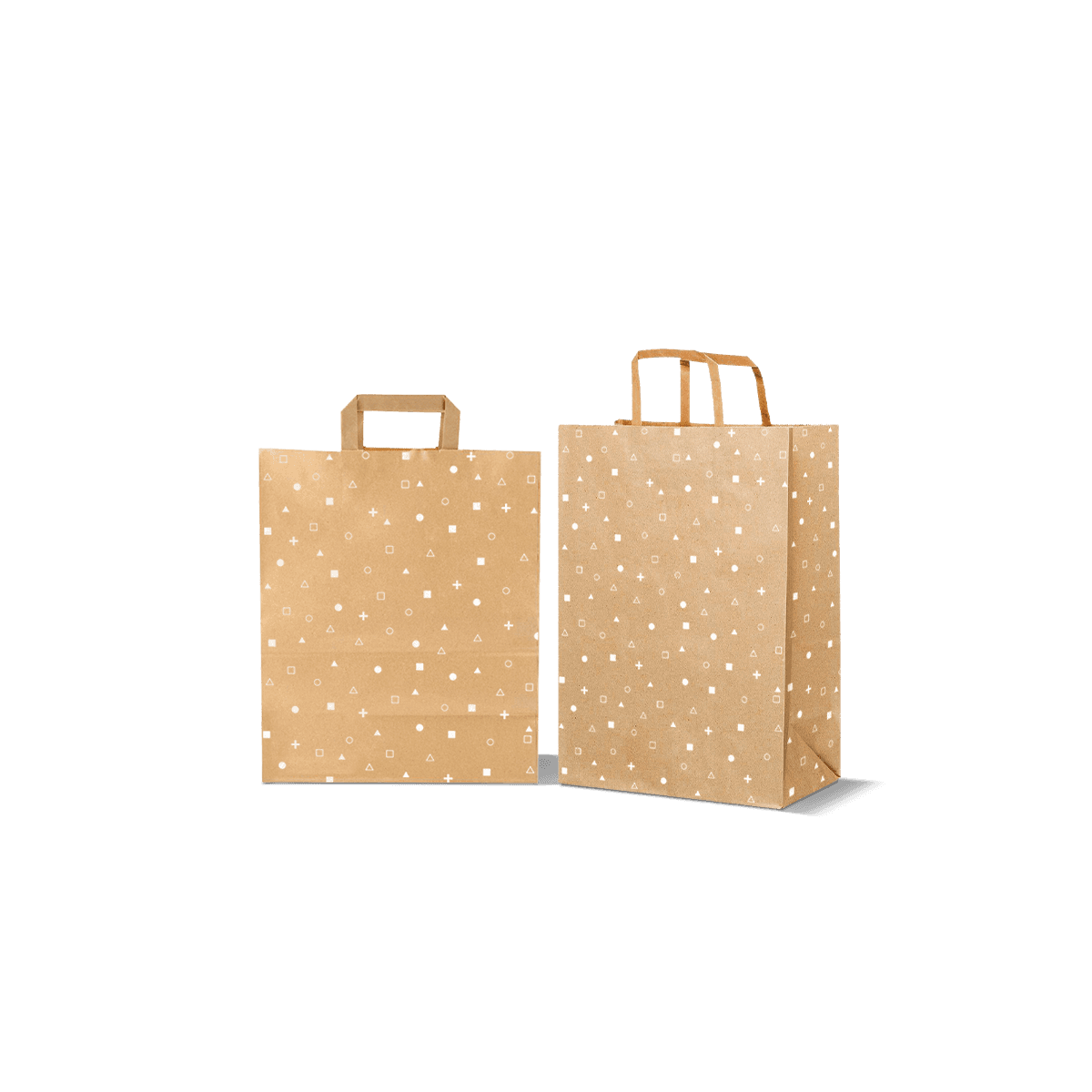
Choose twisted handles when grip comfort and conventional shopping-bag behaviour matter. Die cut handle paper bags are better suited to flatter storage, a cleaner silhouette and lighter retail or promotional loads where the cut-out grip is part of the design.

Print Where It Gets Seen

The front and back panels do most of the branding work while the bag is being carried. Artwork should be planned around handle patches, top folds, gussets and seams so the logo is not interrupted when the bag is filled or lifted.

Protect the Handle Zone

Keep important text, QR codes and fine details away from handle attachment areas and heavy folds. Large logos should be checked on the final bag dimensions rather than placed from a generic template.

A free 3D mockup can help confirm visual placement before production. For artwork preparation, the production sequence in how to design packaging is useful: confirm the physical specification first, then place the final artwork on it.

Match Print to Artwork

Simple one-colour graphics, detailed CMYK artwork and strict brand colours do not create the same print problem. Print method should follow quantity, paper, coverage and colour-control needs.

The differences between digital and offset printing become more important when the design uses large solid colours, fine type or Pantone references. Custom Packly's print and finish capabilities also cover colour, finishes, artwork checks and proofing before the job is approved.

If the main decision is specifically between natural brown and white paper, kraft paper bags give that material choice its own specification rather than treating kraft as simply another colour option on a twisted-handle carrier.

Spend on What Matters

A twisted handle bag can look considered without becoming heavily finished. The best specification usually puts money into the details customers actually feel or see: correct proportions, suitable paper strength, secure handles and clear print.

Do Not Overspecify Paper

Higher GSM is not automatically better. Very heavy paper can add cost without solving a load problem, while the wrong bag dimensions can still make the carrier perform poorly.

Start with the packed weight and bag size, then choose enough paper strength for the job. If the product is unusually dense or the order contains bottles, jars or several boxed items, tell the packaging team rather than assuming a familiar retail bag will cope.

Plan Quantities From Usage

MOQ starts from 100 bags, which can support launches and smaller runs, but repeat demand should be planned from actual usage. If the same design is used steadily across several months or locations, larger production quantities, warehousing and scheduled deliveries can reduce repeated ordering friction.

Do not order a large run simply to chase a lower unit price if artwork, promotions or product sizes may change soon.

Test the Real Handover

A screen proof can confirm artwork. It cannot prove that a loaded bag feels right in the hand. New or demanding specifications should be checked against the actual products before a large repeat run.

Load It Before Approval

Test the heaviest normal purchase, not an empty sample. Check whether the base stays stable, whether the side gussets open cleanly, whether the handles pull evenly and whether staff can load the bag without slowing the counter.

For cafés and bakeries, also check how boxes, cups or food containers sit together. Businesses planning several food formats can align the outer carrier with their restaurant and takeaway packaging rather than treating the bag as an isolated item.

Check Artwork at Full Size

Review the logo position, colour, handle clearance and fold areas at the finished dimensions. The front panel should still read clearly once the bag is filled and the handles are lifted into their normal carrying position.

For a new size or a heavier normal order, a physical custom sample can be useful because it lets you check the bag with the actual contents inside. Look at handle clearance, base stability and artwork position while the carrier is being used, not only while it is standing empty.

Quote the Working Bag

The most useful brief describes the order the bag has to carry. Send the typical product mix, the heaviest normal filled weight, the base footprint of any inner cartons or containers and the quantity you expect to use. Add your preferred paper colour and artwork if those decisions are already made.

You do not need to guess the GSM or specify a handle attachment method before asking for pricing. Those details can be matched to the load and dimensions.

Use the custom packaging quote to send the real carry requirement. That gives Custom Packly enough information to price a twisted handle bag that works at the counter, in the customer's hand and on repeat orders rather than quoting from a bag size alone.

FAQs

Twisted handle paper bags are usually the better choice when customers need to carry purchases by hand over any real distance. The handles improve comfort, speed up handover and make the bag feel more presentable. SOS paper bags can still work well for fast food service and lower-cost volume use, but they are usually less comfortable for mixed retail carry-out.

Start with the packed product mix and expected carry weight. Check the bag width, gusset depth, base size, height and handle clearance, then confirm whether the contents are boxed, folded or food-led. It also helps to decide early if you need plain kraft, white stock, simple logo print or broader branded coverage so the quote matches the real use.

Yes, they are often a very good fit for takeaway and food-to-go service. They are especially useful for cafés, bakeries, delis and quick-service counters where customers need an easy grip and staff need fast packing. Buyers should still match the bag size and base shape to the containers inside so the order sits properly during collection and short journeys.

Yes, this style gives you useful visible print area on a practical everyday carrier. A simple one-colour logo works well for high-volume retail use, while fuller artwork can help promotions, launches and seasonal campaigns stand out. The best print route depends on quantity, stock colour, artwork coverage and how crisp the final branding needs to look.

Choose rope handle paper bags when the handover experience needs to feel more premium or gift-led. They are often better for jewellery, beauty, luxury retail and boxed gifting where the carrier adds to perceived value. Twisted handle paper bags are usually the stronger option when you want smart branded presentation, good everyday strength and tighter cost control at regular volumes.

Process

How it works

Your Packaging Journey, From Idea to Production and Delivery

01

Tell Us Your Specs

Custom packaging boxes

Tell Us Your Specs

Provide size, quantity, printing, and finishes.

02

Get a Fast Quote

Custom packaging boxes

Get a Fast Quote

Instant transparent pricing, no hidden fees.

03

Design and Approval

Custom packaging boxes

Design and Approval

Artwork checks, revisions, and final sign-off.

04

Produce

Custom packaging boxes

Produce

Expert manufacturing to meet deadlines.

05

Ship to Your Door

Custom packaging boxes

Ship to Your Door

Hassle-free, flexible delivery options.

Get Your Quote for Custom Twisted Handle Paper Bags

Share your product details, dimensions, quantity and artwork needs. We’ll help choose the right packaging style and send a clear quote.