Skip to content
Details

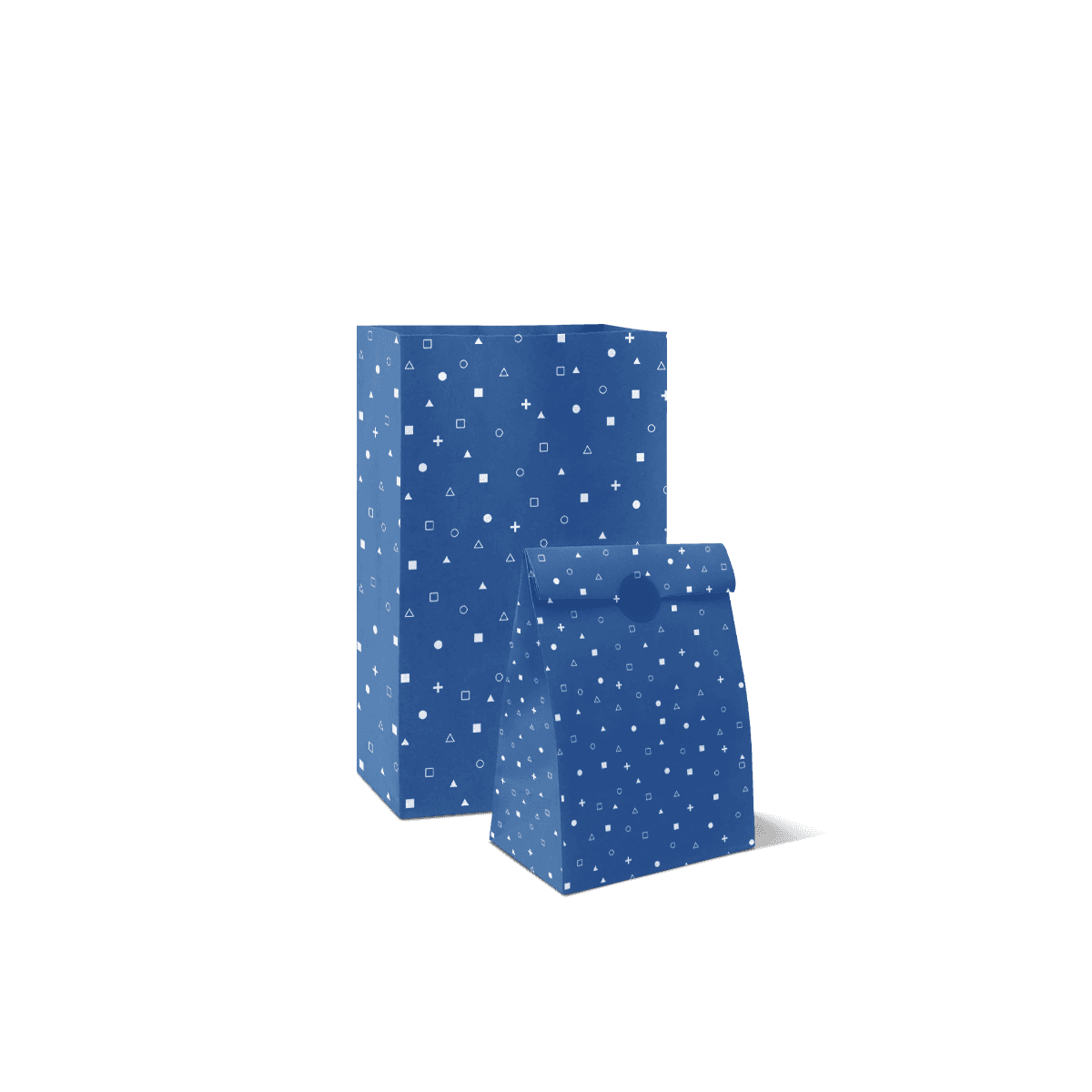
Custom SOS Paper Bags

Keep busy counters moving with self-opening paper bags sized around the order, the packing motion and the space staff actually work in.

Make the Counter the Brief

At a busy counter, the useful question is how many packing movements the bag removes. Custom SOS Paper Bags open into a usable cavity and stand while products are added, reducing the need to hold and reshape a flat sleeve around every order.

That difference matters in bakeries, cafés, delis, pharmacies, farm shops and takeaway counters where dozens or hundreds of similar transactions may happen during the same service period.

An SOS bag should therefore be specified around the packing process, not simply around how much it can technically contain. The right bag lets staff pick it up, open it, load the normal order and move on without repeatedly reshaping the base or fighting the side folds.

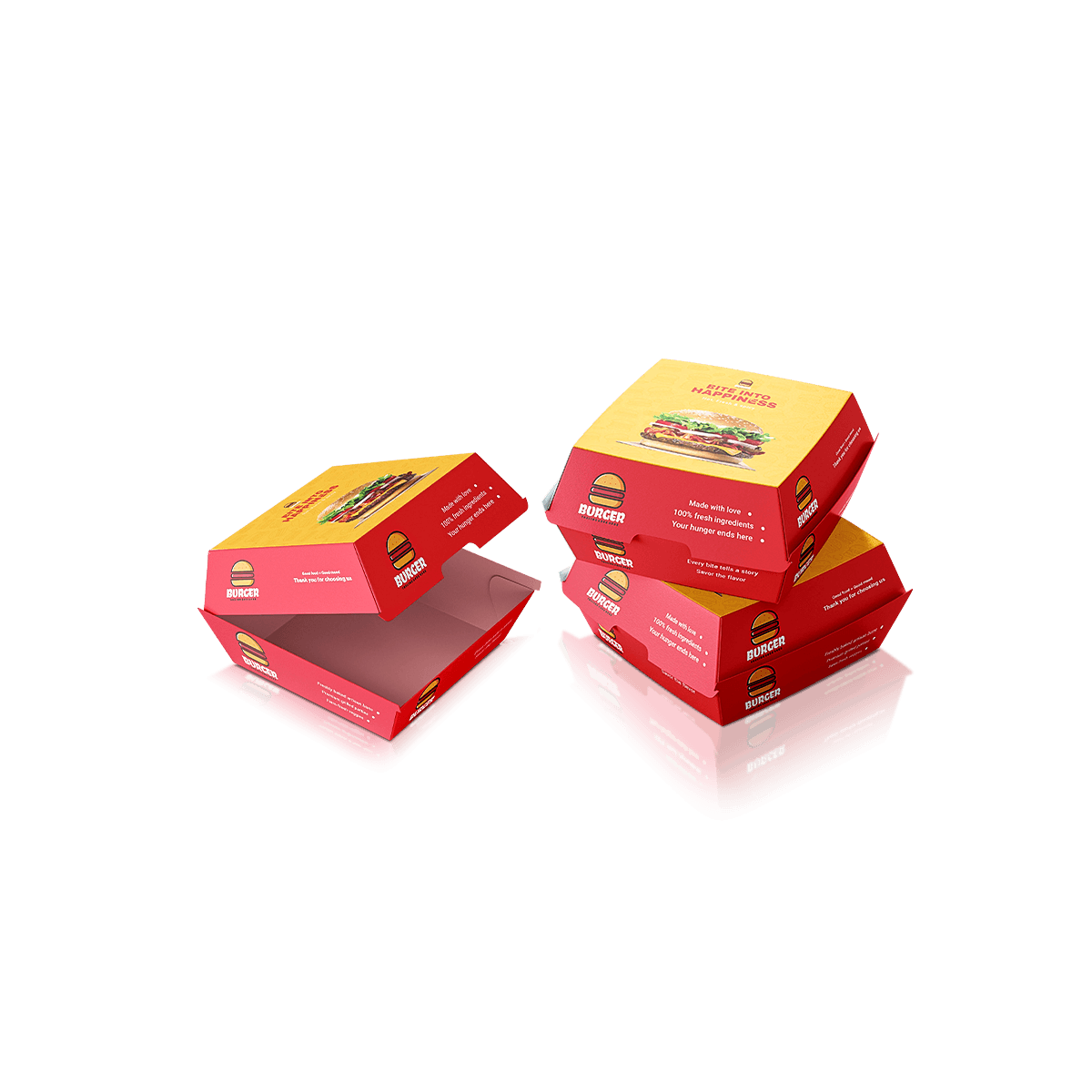
For food businesses, the surrounding restaurant and takeaway packaging still needs to do the protective work. The SOS bag brings those boxes, wrapped foods or smaller purchases together at the counter.

Let the Bag Work While Filling

The self-opening behaviour matters because it turns a stored-flat bag into a usable packing cavity quickly. Once open, the base and side folds should give staff enough stability to load the contents without constantly supporting the bag by hand.

Base Shape Supports the Process

The bottom should open cleanly and create enough footprint for the normal product combination. If the base is too narrow, cartons push into the gussets or stack awkwardly. If it is much larger than the order, smaller items can move around and the bag uses more paper than necessary.

This is particularly useful at bakery and food counters where staff may be handling products, receipts and payment at the same time. The bag should remove a packing step rather than add one.

For businesses selling pastries, cookies and boxed sweets alongside other products, bakery and confectionery packaging can help align the inner packs with the outer service bag.

Keep the Mouth Accessible

A bag that technically stands but repeatedly collapses at the mouth can still slow packing. Width, gusset and paper behaviour should leave a practical opening for the items staff place inside most often.

Do not judge that opening from an empty bag alone. Try the normal box, wrapped product or combination of smaller purchases. Staff should not need to pull the sides apart around every item.

The aim is not maximum opening width. It is enough clear access for the normal packing motion.

Size the Working Cavity

SOS dimensions should be based on the order as it is packed, not the largest single item in the business. Width, gusset and height need to work together because the useful internal space changes once the base opens.

Start With the Base Footprint

For takeaway orders, arrange the cartons or wrapped items as they would realistically sit inside the bag. Measure that footprint before selecting the gusset.

A sandwich box and packet of crisps create a different shape from two bakery boxes or several pharmacy items. Two orders with similar total volume can therefore need different base proportions.

The principle used when choosing packaging around the product is especially important here: design around the actual item combination rather than a convenient nominal size.

Leave Useful Height

Bag height should clear the contents comfortably without creating a tall empty chimney above them. Too little height makes loading awkward and may leave no room to fold or secure the mouth where needed. Too much height uses extra paper and can make access less convenient for short products.

For stacked cartons, measure the realistic stack rather than adding the individual dimensions without checking how the items actually sit together.

The correct SOS bag should feel purposeful when it is full, not merely spacious.

Design for Peak Service

The real advantage of an SOS bag appears when the counter is busy. Small inefficiencies that barely matter during a quiet test become repetitive when the same packing action is performed all day.

Stage Bags Without Bulk

SOS bags store relatively flat before use, allowing a working quantity to sit near the packing area without the projecting handles found on many shopping bags.

Keep enough stock within easy reach without crowding the counter. Staff should be able to pull one bag from the stack without dragging several with it or disturbing the rest of the packing area.

The physical bag is only one part of the setup. Where the bags sit, where finished food boxes arrive and where staff close or label orders can all affect packing speed.

Remove Repeated Hand Movements

Watch someone pack ten normal orders rather than one carefully prepared demonstration. Repeated extra actions become obvious quickly.

If staff have to reopen the base, straighten the gussets, hold the mouth apart and reposition the contents on every order, the bag may technically fit but the specification is still wrong for fast service.

SOS bags are strongest when the structure does some of that work for the person packing.

Test the Packing Rhythm

A useful SOS test is repetitive. Pack several normal orders in sequence and watch what happens to the base, mouth and contents.

Check whether each bag opens reliably, whether it remains usable while items are added and whether staff can reach the correct packing position without stopping to reshape it.

For food service, run the test under realistic conditions. Use the actual cartons or wrapped products and include any napkins, cutlery or small extras that are normally added at the counter.

Also watch what happens after filling. The contents should sit naturally rather than forcing one gusset outward or causing the bag to lean immediately.

If an unusual size or demanding order mix needs physical confirmation, a paid custom sample can be used to test the exact specification before the main production run. The point of that sample should be workflow and fit, not simply appearance.

Food Requirements Stay Separate

The self-opening structure solves packing efficiency. It does not by itself determine whether the paper is suitable for grease, moisture, heat or direct food contact.

Contained Food Is Different

An SOS bag carrying closed burger boxes, wrapped bakery products or sealed containers has a different material requirement from one holding food that directly touches the paper.

The takeaway paper bag decision also changes when a full meal, drinks or heavier cartons need longer-distance carrying. SOS is strongest for counter packing and shorter journeys, while a handled takeaway carrier can be better for heavier mixed orders.

Grease and Moisture Need Checking

If oil, sauces, steam or moisture can reach the bag, state that before the paper is specified. Grease can mark untreated stock and moisture can weaken some paper during use.

A barrier or grease-resistant specification should solve a real food requirement rather than being added automatically to every SOS bag.

The same priority appears across the best takeaway food packaging choices: first make the packaging work for the food, then build the branding and material choices around that requirement.

Brand the Working Panels

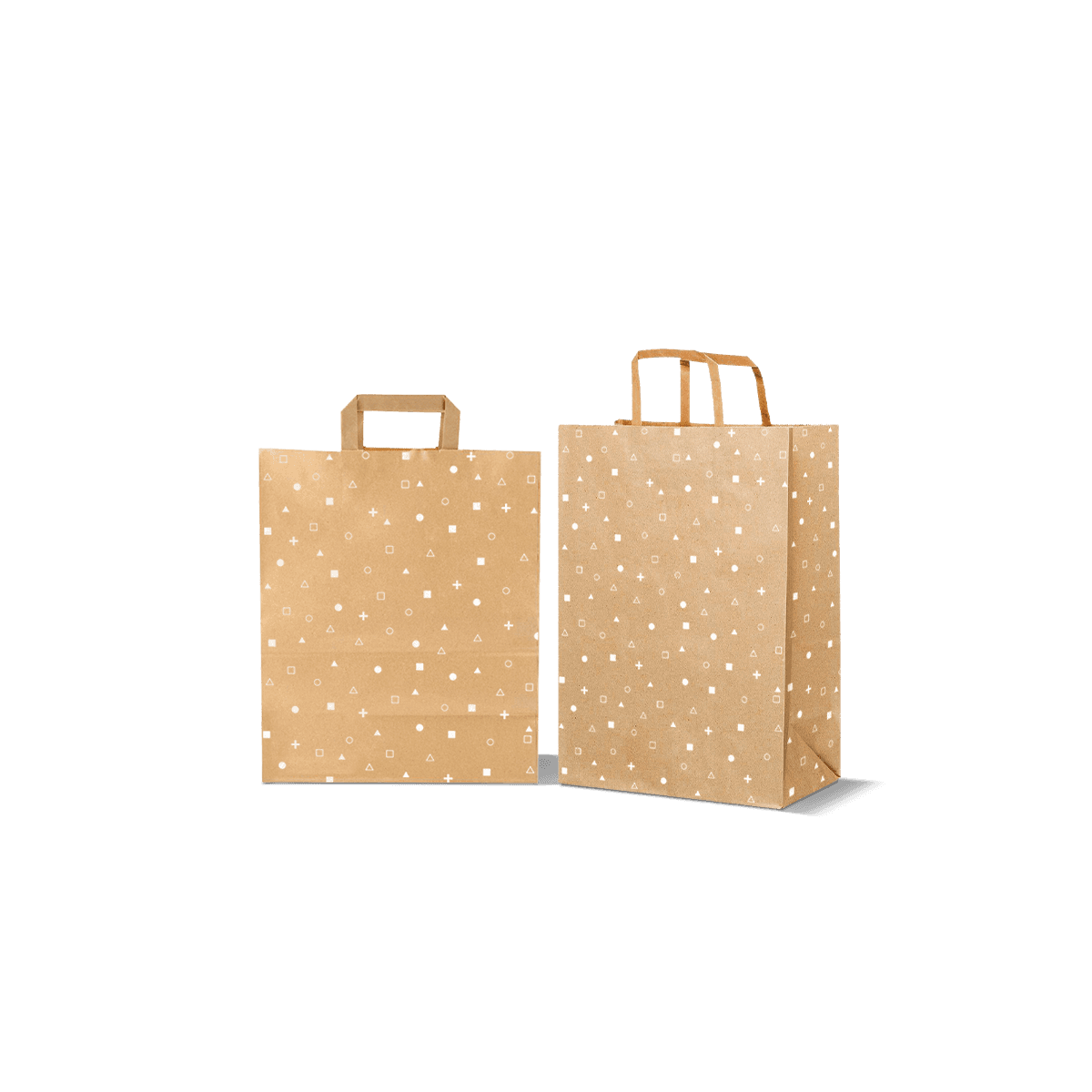
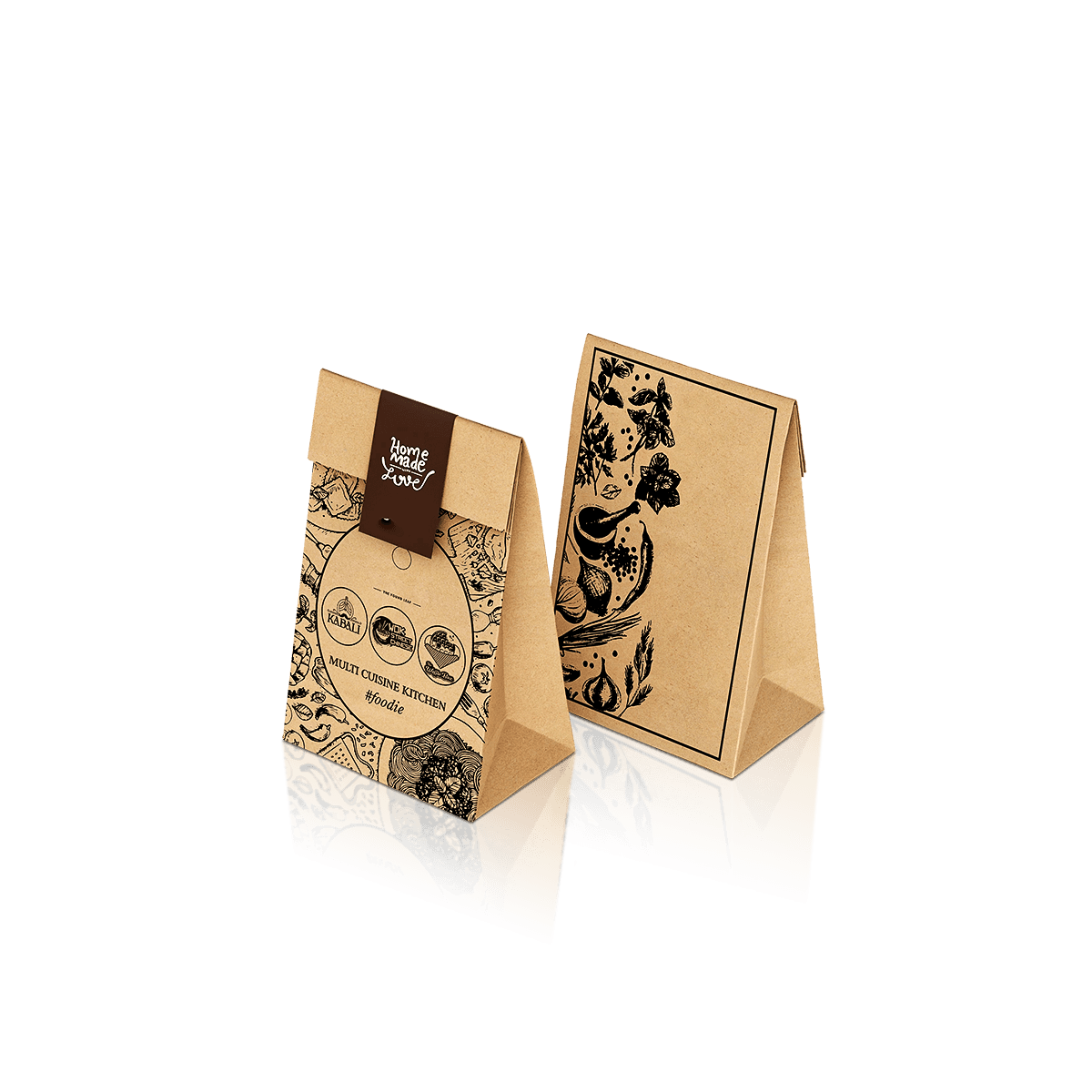
SOS bags can carry strong branding without becoming elaborate retail carriers. Their front and back panels give logos, colour and short messages useful visibility while the bag stands at the counter or leaves with the customer.

Keep important artwork clear of folds, seams and areas that distort sharply when the base opens. The bag should be reviewed in its opened state because artwork that looks centred while flat can shift visually once the gussets expand.

A free 3D mockup can help check general placement before production. Custom Packly's customisation capabilities can then align the paper and print specification with the artwork.

For fast-use service bags, clarity usually matters more than decorative finishing. A recognisable logo, clear colour system or short promotional message can do more useful work than applying premium effects customers barely notice during a quick takeaway purchase.

Know When SOS Stops Fitting

SOS works best when quick opening and counter loading are the main reasons for choosing the bag. Once another requirement becomes more important, another structure should take over.

Move When the Job Changes

If the product is very slim and needs almost no depth, flat paper bags remove structure that may not be necessary.

If a bread, pastry or dry-goods pack needs a controlled fold-over or sealing area rather than an open self-standing cavity, pinch bottom paper bags solve a different packing problem.

If upright presentation, shelf appearance and a deliberately stable finished shape matter more than throughput at the packing counter, flat bottom paper bags should own that requirement.

Across custom paper bags, these distinctions matter more than forcing one structure to serve every light product.

Standardise the Rush-Hour Order

The best SOS specification is usually based on the order that appears repeatedly during the busiest part of service.

For a café, that might be a sandwich, snack and dessert. A bakery may have a common two-box purchase. A pharmacy may regularly place several small cartons and a receipt into one bag. Design around that repeat transaction first.

Do not automatically size the bag for the occasional unusually large order. Making every customer use an oversized bag because one order each day needs extra capacity increases paper use and can make routine packing less controlled.

Where two order patterns dominate, two well-chosen sizes may be more efficient than one compromise size.

Record the approved width, gusset, height, paper and artwork for repeat production. Consistency at a fast-moving counter is valuable because staff become familiar with how the bag opens and what comfortably fits inside it.

Quote the Busiest Order

Instead of trying to describe every transaction your business handles, choose one representative order from the busiest part of the day.

Show what goes inside it, how those items normally sit together and approximately how much the complete order weighs. Add the expected bag quantity and any food-contact, grease or closing requirement that affects the specification.

That gives Custom Packly a practical starting point for the width, gusset, height and paper without turning the enquiry into a long technical checklist.

Send that rush-hour order through the custom packaging quote. The useful SOS bag is the one that makes the repeated packing job easier, not simply the one with the largest stated capacity.

FAQs

SOS stands for self-opening sack. In practice, that means the bag opens into shape quickly and gives staff a more stable cavity to fill than a flat paper bag. That structure is the main reason buyers choose this style for takeaway, bakery and faster-moving retail environments where simple loading efficiency matters.

Choose SOS paper bags when the contents are lighter, the customer journey is usually shorter and service speed matters most. They are often more cost-efficient and faster to load. Twisted handle paper bags are usually the better option when customers need more carrying comfort or when the bag must support a slightly more polished retail handover.

SOS paper bags are usually the stronger option when the bag needs to stand open and hold boxed or multiple items more neatly. Flat paper bags can still work well for slim, lightweight goods such as small bakery items or pharmacy products, but they do not usually offer the same loading ease or base stability as a self-opening sack construction.

Start with the actual item mix and loading method. Confirm the weight of the filled order, whether the contents are boxed or loose, the required width and gusset, the base footprint, print coverage and whether any food-contact or grease-resistance considerations apply. It also helps to know if the bag is for very short handover use or regular day-to-day retail service.

Yes, and they often work well for straightforward brand visibility. A clean logo, one-colour design or simple promotional message can turn a basic service bag into a useful branded touchpoint. The best result usually comes from matching the artwork to the bag’s practical role rather than overloading a fast-use carrier with finishes better suited to more premium paper bag styles.

Process

How it works

Your Packaging Journey, From Idea to Production and Delivery

01

Tell Us Your Specs

Custom packaging boxes

Tell Us Your Specs

Provide size, quantity, printing, and finishes.

02

Get a Fast Quote

Custom packaging boxes

Get a Fast Quote

Instant transparent pricing, no hidden fees.

03

Design and Approval

Custom packaging boxes

Design and Approval

Artwork checks, revisions, and final sign-off.

04

Produce

Custom packaging boxes

Produce

Expert manufacturing to meet deadlines.

05

Ship to Your Door

Custom packaging boxes

Ship to Your Door

Hassle-free, flexible delivery options.

Get Your Quote for Custom SOS Paper Bags

Share your product details, dimensions, quantity and artwork needs. We’ll help choose the right packaging style and send a clear quote.