Skip to content
Details

Custom Kraft Paper Bags

Choose brown or white kraft for the way it prints and performs, then match the bag structure to the product.

Kraft Is the Material Decision

Brown and white kraft can be turned into several very different paper-bag structures, so the material decision needs to come first. Custom Kraft Paper Bags should be chosen for the way the stock prints, feels and performs before handle style or shape is finalised.

That distinction matters within custom paper bags. Kraft is useful when the visible paper surface, practical strength and relatively straightforward finish suit the brand. It works naturally for independent retail, farm shops, bakeries, cafés, handmade goods, wellness products, events and everyday branded handover.

The material does not automatically make the finished bag recyclable, food-safe or suitable for heavy loads. Handle type, reinforcement, coating, print coverage, product weight and end use still need to be resolved separately.
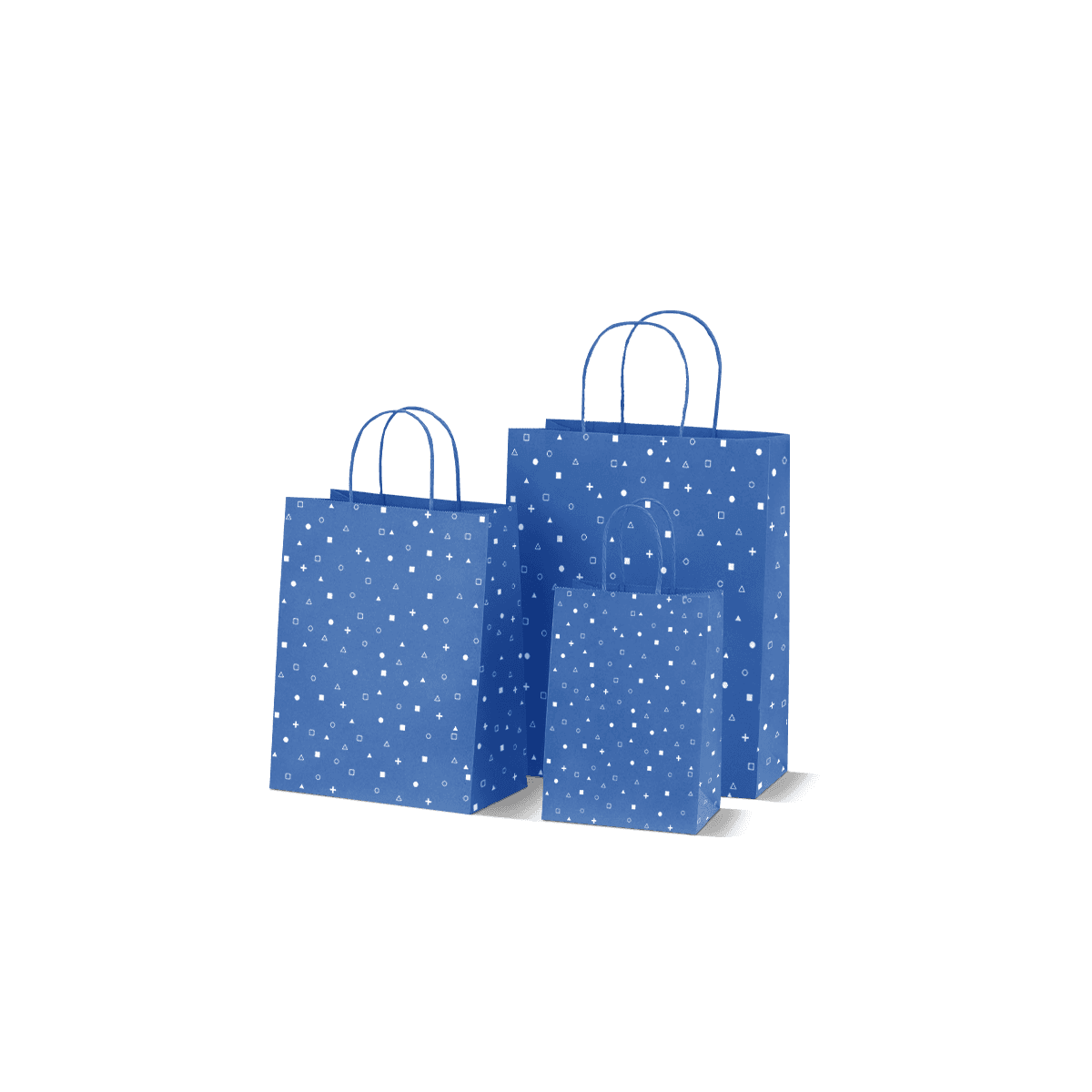
Brown and White Behave Differently

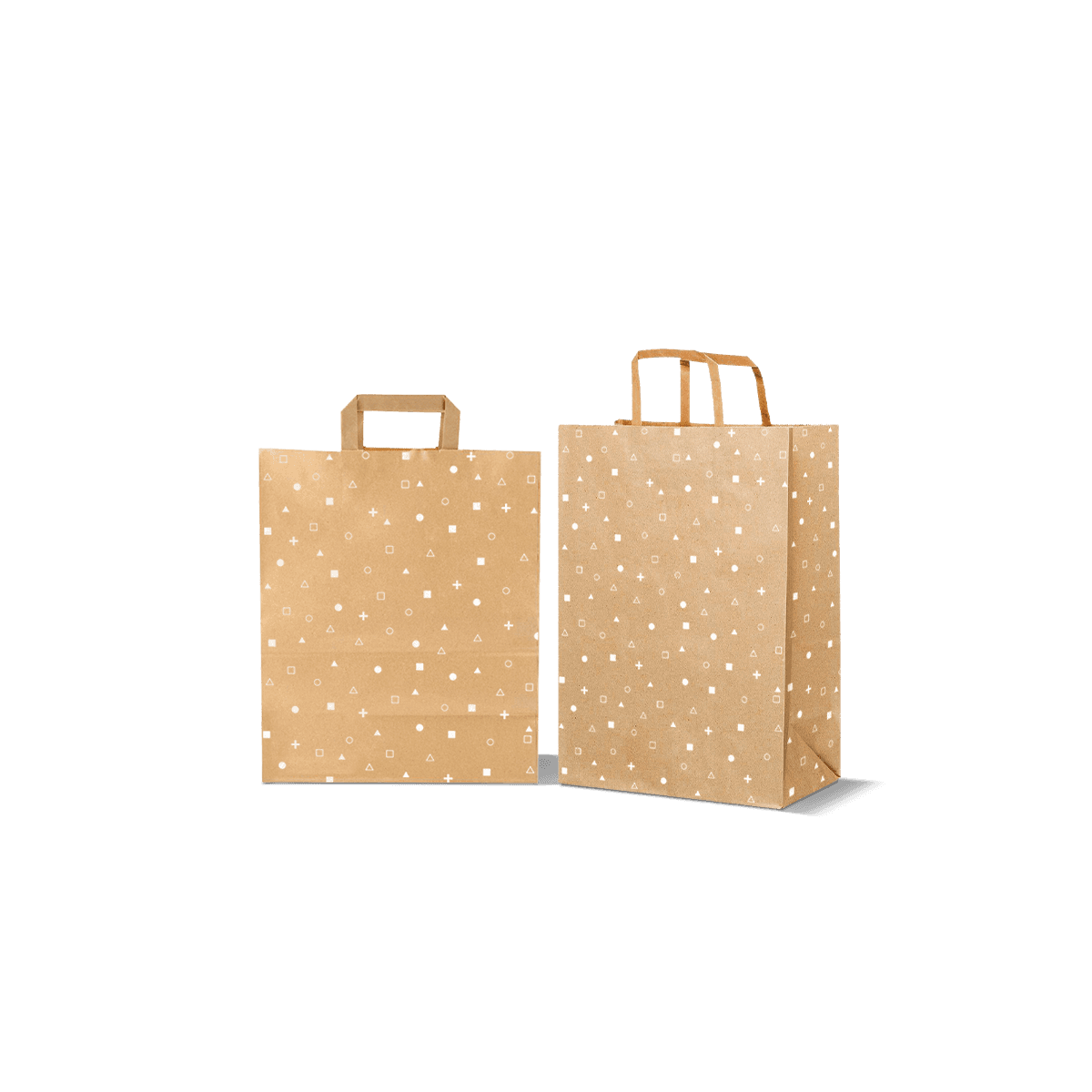
Brown and white kraft can perform similar physical jobs while producing very different print results. The choice should follow the artwork and brand tone rather than a blanket preference for a “natural” look.

Brown Changes the Artwork

Natural brown kraft becomes part of every printed colour because the paper is not a neutral white base. Dark inks, bold logos and limited colour palettes often work particularly well. Pale colours, pastels and photographs can look warmer or more muted than they do on screen.

If the brown paper itself is one reason for choosing kraft, leave enough of it visible. Heavy all-over ink can cover the characteristic surface while adding print cost and production complexity.

White Gives Cleaner Colour

White kraft gives CMYK graphics, brighter colours and finer detail a more neutral starting point while keeping the paper-led character of kraft stock. It can suit retail brands that want a cleaner visual result without moving to a coated luxury surface.

If several brand colours must remain tightly controlled, provide Pantone references and review the actual stock before approval. Paper shade, absorbency and surface texture can all affect the final colour.

Choose the Bag Shape Second

Kraft paper does not decide how the bag should open, stand or be carried. The packed product and handover process should decide that.

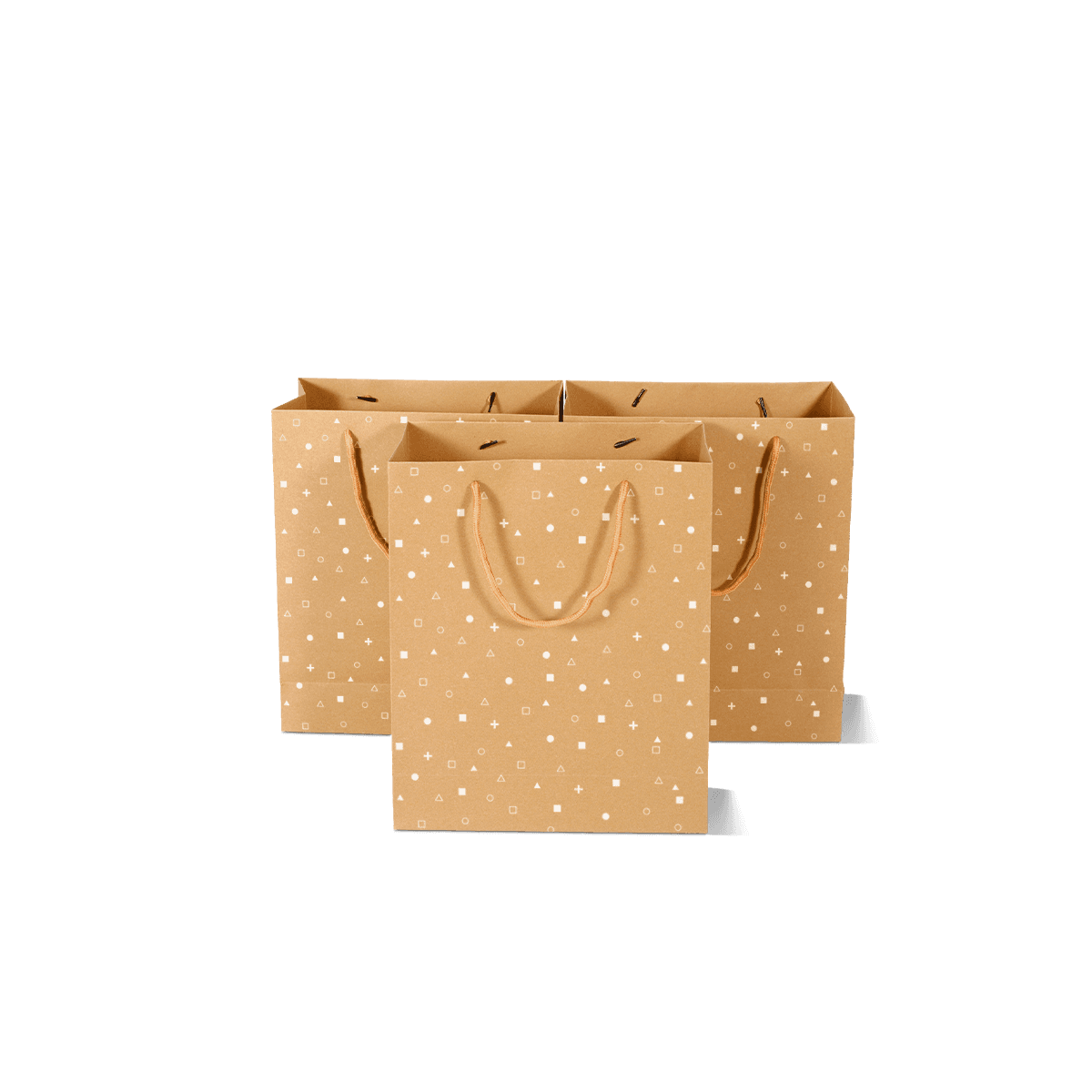
For regular shop purchases and longer carrying, twisted handle paper bags add a practical grip. Busy food counters may get more value from SOS paper bags, where quick opening and loading are the main priorities. A broader base can suit meal cartons or other items that need to remain upright.

This is the key boundary for this page: kraft describes the paper choice. Those sibling styles describe how the bag works.

Do not choose brown kraft first and then force every product into the same carrier. One brand can use the same kraft print language across two or three bag shapes when different products need different loading or carrying behaviour.

Match Kraft to the Load

Kraft is known for useful fibre strength, but the word “kraft” is not a load rating. Two bags made from kraft paper can perform very differently because paper weight, fibre composition, dimensions, seams, handles and base design all affect the finished carrier.

GSM Is Only One Variable

A higher GSM can add substance, but it should not be treated as automatic insurance against failure. A tall oversized bag with a poor base or unsuitable handle fixing can still perform badly even when the paper feels heavy.

Share the packed weight and normal item combination. That allows the paper weight to be chosen alongside the size and bag style instead of increasing material simply to create a feeling of strength.

Right Size Uses Paper Better

An oversized kraft bag can undermine two reasons brands often choose the material: simplicity and material efficiency. Excess height or gusset depth adds paper, lets products move and can make a small purchase look poorly fitted.

For clothing and general shop sales, retail and apparel packaging can help align the carrier footprint with the products and inner cartons used at the till.

Print With the Paper

Kraft works best when the design accepts the physical surface instead of treating it like coated white stock. Texture, absorbency and the base colour should be part of the artwork decision.

Let Simple Print Work Hard

One strong ink colour or a restrained graphic system can look deliberate on brown kraft because the stock already contributes visual character. A simple specification can also be commercially sensible for repeat retail and takeaway use.

More complex CMYK artwork can still be produced where the stock and printing route suit it. The decision between digital and offset printing should follow quantity, artwork variation, colour requirements and repeat-order plans rather than the assumption that one process is always better.

Plan Pale Elements Early

Standard CMYK inks do not create an opaque white area on brown paper. If the design depends on white lettering, very pale colours or a bright photographic result, flag that requirement before the artwork is approved. It may need a different print approach or make white kraft the cleaner choice.

Keep logos, QR codes and important text away from folds, seams and handle attachment areas. When the structure is fixed, the principles for setting packaging artwork up for production help keep the graphic design aligned with the physical bag.

Kraft Is Not Recyclability

Kraft and recyclable describe different things. Kraft identifies a paper material and visual surface. Recyclability depends on the complete finished bag and the relevant waste stream.

A plain paper bag with a simple paper handle creates a different end-of-use question from a bag with lamination, foil, mixed-material handles, heavy reinforcement or food contamination. This is why recyclable paper bags need their own specification-led decision rather than being treated as another name for kraft.

If environmental priorities are central to the brief, eco-friendly custom packaging focuses on right-sizing, paper choices, simpler components and claims that can be supported by the actual specification.

Recycled and FSC-certified paper can be specified where required. The safest customer-facing language should describe what has actually been chosen, such as recycled paper or FSC-certified material, rather than turning the brown colour of kraft into a broad sustainability claim.

Food Changes the Brief

Kraft is widely used around food service, but a kraft appearance does not by itself make a bag suitable for direct food contact, grease or moisture.

Grease Can Mark the Surface

Bakery boxes, wrapped food and takeaway cartons may be perfectly suitable inside a standard kraft carrier because the food is already contained. Loose, oily or moist products create a different requirement.

Grease can darken unprotected paper and moisture can reduce paper performance. If food may touch the bag directly, or if hot and oily items are likely to leak from inner packaging, say so before the paper and any treatment are specified.

Outer Bags Follow the Meal

For takeaway use, size the kraft bag around the actual order combination. A burger carton, side box and dessert should sit on a base that supports them without forcing the gussets outward or leaving excessive room for movement.

The same principle runs through takeaway paper bags: meal bundle, packed weight and service method matter more than choosing a familiar brown bag from appearance alone.

Use Kraft Where It Fits

Kraft has a recognisable material character. That can be an advantage, but it should match the product rather than becoming a compulsory visual shorthand for every brand that wants to look natural.

Retail Can Stay Refined

Brown kraft suits ceramics, books, handmade goods, natural cosmetics, farm-shop products and many independent retail settings. White kraft can work better when brighter branding or a cleaner visual identity is important.

Neither needs to look basic. Accurate proportions, controlled colour and good print placement can make a simple kraft carrier feel considered without adding premium finishing for its own sake.

Premium Is a Different Decision

If the bag needs rope or ribbon handles, heavy finishing, a highly tactile surface and a gift-led handover, kraft can still be one possible paper direction, but the buying intent has shifted. Luxury paper bags are the better starting point when the total premium presentation matters more than the kraft surface itself.

Keeping that distinction prevents the material from being stretched across every possible paper-bag requirement.

Keep the Specification Efficient

Kraft can support a cost-conscious branded bag because the paper often works well with straightforward printing and restrained finishing. The largest savings still come from getting the specification right rather than assuming brown paper is automatically inexpensive.

The breakdown of what changes custom paper bag pricing shows why size, paper weight, handle style, print coverage and finishing all affect the final cost. A simple one-colour kraft bag and a heavily printed, reinforced kraft carrier are materially different products even when both start with brown paper.

Efficiency often comes from keeping the specification simple and repeatable: right-size the bag, avoid unnecessary flood coverage and standardise the paper shade and core artwork where several sizes are used.

If several stores or product groups use the same identity, reduce avoidable variation before increasing the quantity. A consistent stock-and-print system can be more useful than producing several slightly different kraft bags simply because each order was specified separately.

Proof the Actual Stock

Brown kraft needs to be judged as a physical paper because the stock colour directly affects the artwork. A digital mockup can show placement, but it cannot reproduce the exact warmth, fibre texture or way ink interacts with the real sheet.

Previous-work samples can help show general kraft shade, paper feel and print behaviour before the final specification is fixed.

If the exact brown or white stock, artwork and finished bag need approval together, a paid custom sample gives the more reliable check.

For a new kraft specification, inspect:

  • contrast between the paper and printed colours
  • whether pale artwork has enough visibility
  • how the stock feels at the selected paper weight
  • whether folds and gussets stay neat when the bag is filled
  • whether the handles and base suit the actual load
  • whether the printed result still feels like kraft rather than a heavily covered generic surface

The purpose of proofing is to confirm the real interaction between paper and print. That is the part a screen cannot reproduce accurately.

Start With the Artwork

For kraft bags, the artwork often tells us more than a guessed paper weight. Send the logo or design direction together with the product the bag has to carry and say whether you are leaning towards natural brown or clean white kraft.

If the artwork contains pale colours, photography or strict brand shades, include that information early because it may influence the stock or printing route.

From there, the paper weight, print method and bag structure can be matched to the actual requirement. Use the custom packaging quote when those starting details are ready.

The specification should preserve the reason for choosing kraft in the first place: a useful paper surface that fits the product, prints intelligently and avoids unnecessary complexity.

FAQs

The main difference is the paper material and the look it creates. Kraft paper bags usually feel more natural, less coated and more utility-led than glossy or luxury paper bags. They can still be printed and tailored in many ways, but the finish stays more grounded. That makes them well suited to businesses that want paper packaging to feel practical and authentic.

Choose kraft paper bags when usefulness, material honesty and everyday versatility matter more than polished presentation. They work especially well for takeaway, general retail, food-led sales and brands that want a natural paper look. Luxury Paper Bags are usually the better choice when the bag needs premium finish work, stronger gift appeal or a more elevated brand handover.

Start by confirming the actual job the bag needs to do. Check bag size, product weight, likely carry distance, required bag construction, paper thickness, print coverage and whether food-suitable paper is needed. It also helps to decide early between brown kraft and white kraft because that affects visual tone, artwork contrast and how refined the final print appears.

Yes, very well, as long as the design matches the material. Simple logos, one-colour artwork and bold graphics often perform especially well on kraft because the stock already carries some visual character. More detailed designs can also work, but it is worth remembering that uncoated paper reads differently from smoother premium surfaces, so clarity and contrast matter.

They are often a strong paper-based choice, but the best answer depends on how the bag is specified and used. Kraft supports recyclable packaging goals and usually fits businesses moving away from plastic, but it is still worth looking at bag weight, print coverage, added handles and overall material use. A well-sized, sensible kraft bag is usually more convincing than an oversized one with unnecessary extras.

Process

How it works

Your Packaging Journey, From Idea to Production and Delivery

01

Tell Us Your Specs

Custom packaging boxes

Tell Us Your Specs

Provide size, quantity, printing, and finishes.

02

Get a Fast Quote

Custom packaging boxes

Get a Fast Quote

Instant transparent pricing, no hidden fees.

03

Design and Approval

Custom packaging boxes

Design and Approval

Artwork checks, revisions, and final sign-off.

04

Produce

Custom packaging boxes

Produce

Expert manufacturing to meet deadlines.

05

Ship to Your Door

Custom packaging boxes

Ship to Your Door

Hassle-free, flexible delivery options.

Get Your Quote for Custom Kraft Paper Bags

Share your product details, dimensions, quantity and artwork needs. We’ll help choose the right packaging style and send a clear quote.