Skip to content
Details

Custom Cat Treat Boxes

Cat Treat Boxes help small treat portions look organised, easier to shop and easier to ship. Custom Packly produces printed cartons for crunchy snacks, dental treats, catnip rewards and mixed multipacks with clean branding and dependable paper-based construction.

Small Packs Punish Wasted Space

A small cat-treat carton has very little room to hide a poor sizing decision. Custom Cat Treat Boxes need to make compact portions feel intentional without leaving a light pouch rattling in an oversized shell or squeezing sealed sticks so tightly that packing becomes awkward.

Cat treats create a different specification problem from larger dog biscuits and chews. Lickable sticks are long and thin. Freeze-dried pieces can be extremely light for the volume they occupy. Crunchy bites may sit inside a small pillow pouch, while sampler sets can contain several individually sealed portions. The useful starting point is therefore the finished inner arrangement, not the treat weight printed on the label.

Lickable Sticks Need Count-Led Sizing

For individually sealed lickable treats, count and orientation usually control the carton more than net weight. Ten or twelve sticks can lie flat, stand in one row or be divided into two shorter stacks. Each arrangement changes the footprint, opening direction and amount of usable panel space.

Lay the real sealed sticks in the intended order before dimensions are approved. Include the fin seals and crimped ends because these can make a bundle wider or longer than the filled product itself. A slim carton that ignores those seals may look efficient on a drawing and become frustrating on the packing bench.

Freeze-Dried Bites Need Volume Checks

Freeze-dried treats can occupy substantial space while remaining light. Sizing only from grams can therefore produce a misleading carton. The better reference is the filled inner pouch after normal settling.

If the pouch is the main freshness barrier, avoid compressing it simply to make the outer carton smaller. Controlled clearance should let the pouch load cleanly without creating a visibly empty retail box.

Trial Packs Need Their Own Proportion

Trial and launch sizes should not feel like a full-size carton with most of the interior removed. A shallower or narrower carton can give a small treat count a more deliberate presence and reduce unnecessary board.

That is particularly useful when MOQ starts from 100 boxes and a brand wants to test a new flavour without making the trial unit look temporary. The minimum order for custom printed boxes also explains why SKU count matters alongside the combined quantity.
Plan the First Opening

Cat treat multipacks are often opened one portion at a time. The first opening should expose the next sachet or stick without making the remaining units collapse, catch under a flap or become difficult to remove.

This is a different decision from designing a pouch for repeated resealing. The carton does not need to imitate the primary pack. It needs to organise individually sealed portions and make access predictable.

Loading Clearance Matters on Slim Multipacks

Consider a carton holding twelve lickable sticks. If the internal width is based on a tightly compressed bundle, the overlapping end seals can catch on the dust flaps during filling. Packers then have to squeeze the bundle, the side walls bow and the top closure can sit proud.

A better arrangement may be two controlled stacks of six. Measure the widest point created by the real seals, allow working clearance at the loading end and keep the opposite dimension close enough to stop the sticks falling into a loose pile. The practical result is easier insertion, cleaner side panels and a more orderly opening when one stick is removed.

This is why reverse tuck end boxes can be useful for lightweight multipacks when the opposing flap direction suits the loading sequence. The structure should follow how the units enter and leave the carton, not the style name.

Opening Direction Changes the Artwork

A narrow carton may be stored upright in a cupboard but merchandised on its front face. Decide which end the customer opens and which panel faces forward before the dieline is artworked.

That affects where the product name, flavour, count and barcode should sit. Free 3D mockups are especially useful on slim cartons because rotating one small panel can change how the whole pack reads after assembly.

Give Small Panels Clear Jobs

Compact cat treat boxes can become cluttered faster than larger pet-food cartons. The answer is not smaller type. It is a stricter information hierarchy.

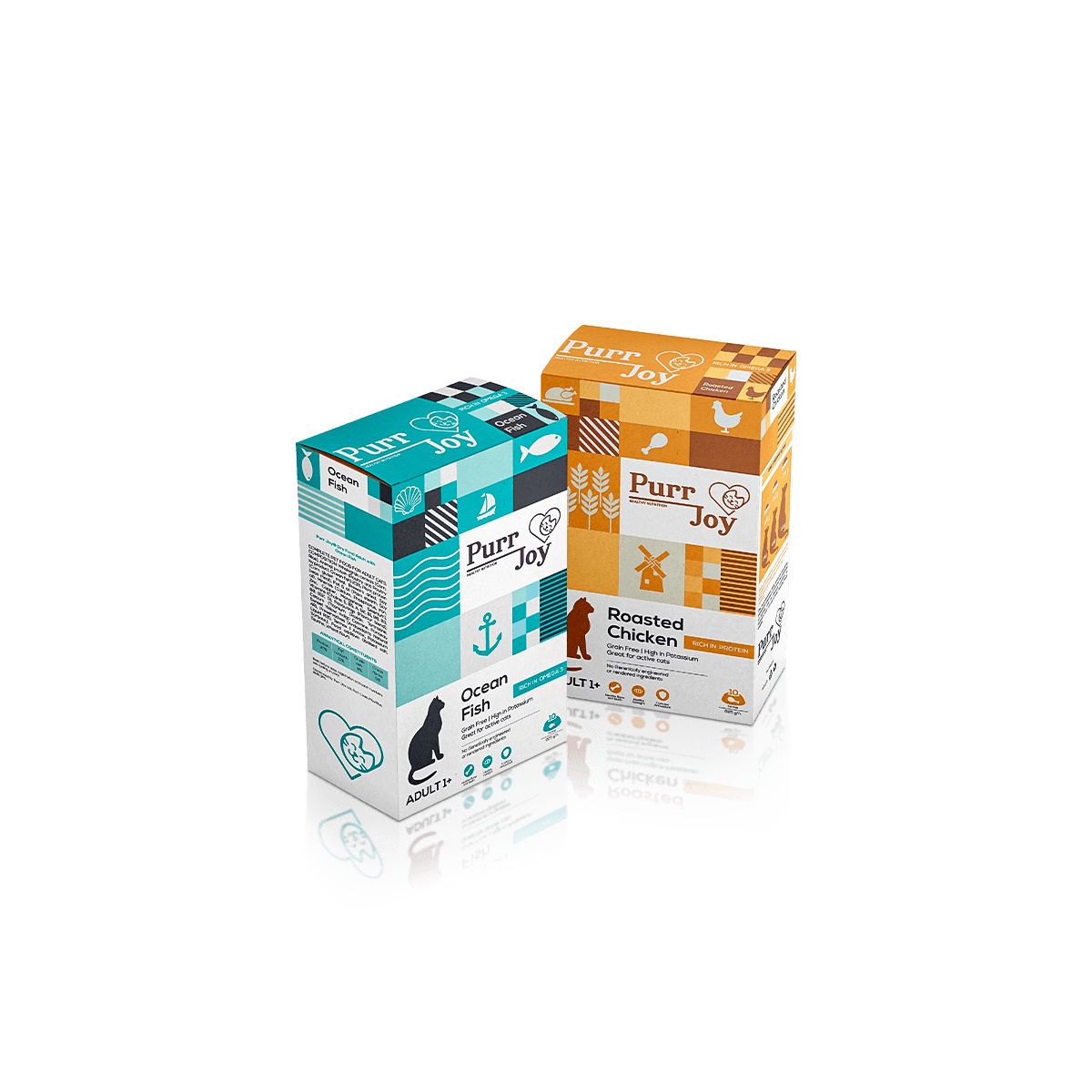
The front panel should help someone identify the treat quickly. Denser product information can then move to the side or reverse faces where it remains readable without competing with the main selling cues.

Lead With Treat Form and Flavour

A customer should be able to distinguish a crunchy bite, freeze-dried piece, dental treat or lickable stick before reading every detail. Product form, flavour or protein and pack count are usually stronger front-panel anchors than a collection of small secondary claims.

For a multi-flavour line, keep the position of those elements stable. Changing the entire design for every recipe makes a small shelf row harder to scan.

Reserve Copy Space Before Decoration

Ingredient information, feeding directions, barcodes, coding areas and any required product text supplied by the brand's regulatory team need planned zones. Do not leave them until the illustration and branding have consumed every clean panel.

The packaging dieline and artwork setup is useful when deciding where folds, glue areas, bleed and safe zones affect small copy. Important text should not depend on a crease remaining perfectly flat.

Use Finishes With Restraint

Premium offset printing can reproduce fine graphics and controlled brand colours well on established retail runs. Matte, gloss, foil, embossing or spot UV can add emphasis, but small cartons rarely benefit from every finish competing at once.

One controlled finish on the brand mark or flavour device can leave more visual space for the product itself. Unlimited customisation is most useful when it allows the print treatment to follow the position of each SKU rather than turning finishing into a checklist.

Let the Inner Pack Protect Freshness

A folding carton should not be treated as the freshness barrier by default. For many cat treats, the sealed pouch, sachet or stick handles aroma, moisture and direct food contact while the carton organises the units, carries information and creates a more structured retail presentation.

Keeping those roles separate prevents the box specification from making claims the material system has not been designed to support.

Use a Pouch When Barrier Is the Main Job

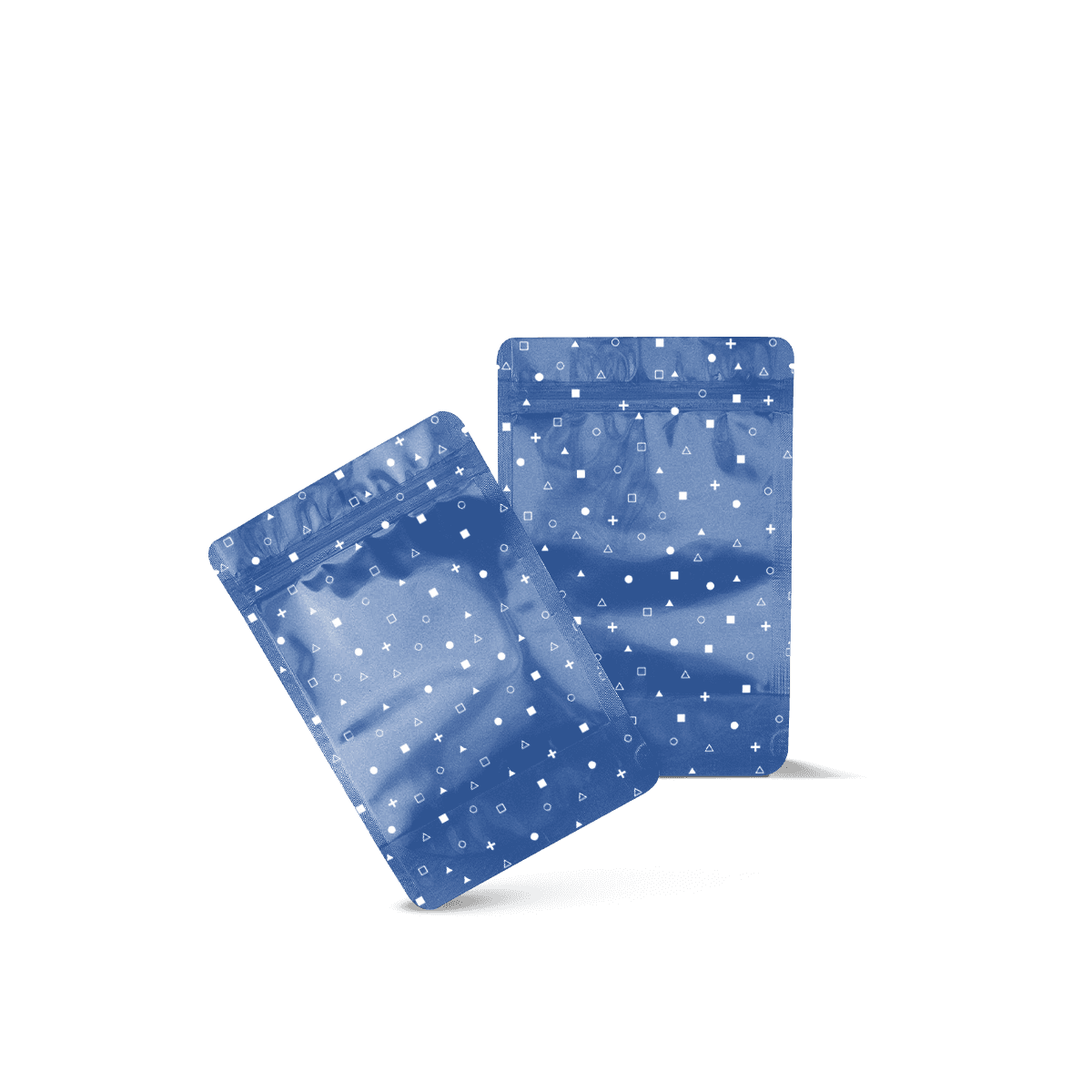
If the customer repeatedly opens one pack of crunchy bites, Cat Treat Mylar Bags are usually the more relevant route because the pouch itself can be specified around barrier performance, sealing and resealability.

The carton earns its place when several sealed portions need grouping, when the brand wants more controlled shelf presence or when a sampler or gift set benefits from a rigid outer shape. Some products may use both, but each layer should have a clear purpose.

Direct Contact Needs a Confirmed Material System

If exposed treats will touch the paper-based component, direct-contact suitability needs to be verified for that exact use. Oils, crumbs, moisture, coatings, inks and contact duration can all affect the specification.

Custom Packly holds major applicable UK and EU certifications. Relevant compliance can be addressed when the project requires it, without treating every printed carton as automatically suitable for direct food contact.

Choose Structure From Access

Compact treats do not need an elaborate box simply because they occupy little space. The structure should make filling, opening and shelf handling easier.

Tuck Cartons Keep Retail Packs Efficient

Lightweight sachets and stick multipacks often suit folding cartons because they store flat before packing and provide useful printable faces without adding much material.

Straight and reverse tuck layouts should be compared from the actual loading direction. The main custom box styles make it easier to separate flap-direction decisions from stronger-base structures that are unnecessary for very light contents.

Sleeves Suit Curated Samplers

A small tray with a printed sleeve can make sense for a curated tasting set where several flavours need to be revealed together. It gives the assortment a different opening experience from a standard retail tuck carton.

That extra component should earn its place. Sleeve packaging is more useful when the reveal, grouping or artwork flexibility matters enough to justify separate tray and sleeve handling.

Corrugated Belongs Outside the Retail Unit

A compact paperboard carton should not be strengthened indefinitely just because it will be sold online. If the retail carton travels through a parcel network, a separate corrugated outer can handle courier impacts and stacking.

The distinction between folding cartons, mailers and shipping structures is set out in types of packaging boxes. For cat treats, the retail unit can stay compact while the delivery layer solves the transport problem.

Build Flavour Families Without Crowding

Cat treat lines can develop many close variants: chicken, salmon, tuna, duck, catnip blends, dental options and limited releases. Small cartons need a system that expands without making every new SKU look unrelated.

Keep One Recognition Point Fixed

Choose a stable recognition point such as the brand position, product-form label or a repeated graphic frame. Then use a controlled variable such as colour, illustration or a flavour block to distinguish the recipe.

This gives the shelf row consistency while reducing the risk that two similar products become indistinguishable at small size.

Plan Printing Per Artwork

A combined order of 5,000 cartons can represent ten separate 500-carton artworks. That changes print economics and inventory risk.

The digital versus offset printing decision should therefore be made from quantity per artwork, colour requirements and repeat plans rather than the purchase-order total alone. Premium offset printing can be particularly strong for stable higher-volume designs and controlled Pantone work, while short or changing SKU runs may justify another route.

Free 3D mockups can also expose a problem that is easy to miss in flat artwork: flavour names that appear distinct on screen may become too small or too similar once wrapped around a narrow carton.

Do Not Pay for Air

Small treat products make inefficient dimensions easy to overlook because each individual carton uses little material. Across thousands of units, unnecessary depth or height still affects board use, master-case count and storage volume.

The best cost reduction is often structural: remove space the product does not use before removing the features customers actually notice.

Test the Smallest Working Footprint

Build the carton around the settled inner pack, then confirm enough clearance remains for quick loading and reliable closing. A box should not be squeezed to the mathematical minimum, but there is little value in carrying several millimetres of unused depth simply because an old stock size was convenient.

Common custom packaging cost mistakes are relevant when deciding whether a standard size, extra finish or oversized run is genuinely saving money.

Prove One Unit Before Multiplying It

A free sample can expose proportion, closure and loading problems that are difficult to judge from dimensions alone. Check it with the actual sealed sachets, sticks or pouch rather than empty wrappers.

Once the specification is stable, warehousing and scheduled deliveries can support larger repeat orders without forcing all finished cartons into the packing area at once. Guaranteed 4–6 working day production and delivery also gives established lines a defined replenishment window.

Separate Retail From Mixed Deliveries

Cat Treat Boxes should own compact treat presentation, not every parcel that happens to contain cat snacks. If a customer orders one retail carton online, protect that unit in the appropriate delivery packaging rather than turning the shelf carton into a courier box.

For mixed recurring deliveries containing food, treats, toys and care items, Pet Subscription Boxes solve a different problem: organising several product types inside one transit-ready outer.

Within Pet Products, treat cartons are also separated from food, grooming, accessories and veterinary lines. That distinction matters for search intent and for the packaging itself. A twelve-stick cat treat multipack should not inherit the same structure simply because another pet product shares the shelf.

Custom Packly operates as a full-service packaging partner across sizing, dielines, artwork, print, finishing, production and repeat supply. 24/7 support is useful when a small change to stick count, inner pouch size or artwork version affects more than one part of that specification.

Price the Packed Arrangement

The fastest way to remove ambiguity from a cat-treat carton quote is to show the actual inner arrangement. Place the sealed sticks, sachets or pouch in the order you want them packed and provide the packed length, width and height from that arrangement rather than sending only the dimensions of one treat.

For slim multipacks, a top and side photograph can also show overlapping seals and the intended opening end. For a freeze-dried pouch, the filled and settled pouch is more informative than the nominal gram weight. If artwork already exists, place it on the intended front face so the structural and graphic decisions can be reviewed together.

Use the custom packaging quote with that packed reference. Instant pricing can then start from the real count, orientation and carton footprint instead of a generic small-box assumption.

FAQs

For most retail packs, a straight tuck or reverse tuck carton works well because it keeps smaller snack portions neat without adding unnecessary bulk. If the carton carries several inner units or sits in a subscription bundle, a stronger base or outer corrugated box may be the better route. The right choice depends on weight, unit count and how the treats will be sold.

In most cases, yes. The carton normally acts as the printed outer pack while the inner pouch, sachet or tray handles freshness, barrier needs and direct food contact. That is especially useful for smaller cat treats that can lose texture quickly. Confirm the primary wrap first, then size the carton around it rather than trying to make board perform as the only barrier layer.

Small cartons need disciplined panel use. The front should usually carry the product name, flavour and strongest visual cue, while side and reverse panels take feeding information, ingredients and barcode placement. Trying to fit too much on the front can make the whole range harder to read. It helps to lock the copy hierarchy before the dieline is finalised.

A mylar bag is often the stronger primary route when freshness, resealability and barrier performance matter most, especially for lightweight treats sold as stand-up packs. A box becomes more useful when the brand needs cleaner shelf blocking, better bundle organisation or a stronger gift and multipack presentation. Many ranges use both, with the bag protecting the product and the carton shaping the outer selling space.

Start with treat size, portion count and the exact pouch or sachet that sits inside. Then confirm whether crumbs, oils or breakage are likely and whether the carton needs to stand, hang, stack or sit in a display tray. It is also worth checking the required copy area, opening style and shipping method early so the final carton is not oversized or under-specified.

Process

How it works

Your Packaging Journey, From Idea to Production and Delivery

01

Tell Us Your Specs

Custom packaging boxes

Tell Us Your Specs

Provide size, quantity, printing, and finishes.

02

Get a Fast Quote

Custom packaging boxes

Get a Fast Quote

Instant transparent pricing, no hidden fees.

03

Design and Approval

Custom packaging boxes

Design and Approval

Artwork checks, revisions, and final sign-off.

04

Produce

Custom packaging boxes

Produce

Expert manufacturing to meet deadlines.

05

Ship to Your Door

Custom packaging boxes

Ship to Your Door

Hassle-free, flexible delivery options.

Get Your Quote for Custom Cat Treat Boxes

Share your product details, dimensions, quantity and artwork needs. We’ll help choose the right packaging style and send a clear quote.