Skip to content
Details

Custom Cat Treat Mylar Bags

Cat Treat Mylar Bags suit smaller portions, repeat-use snacks and refill-friendly pet treat lines where freshness, compact storage and clean shelf display matter. Custom Packly produces printed pouches for crunchy bites, creamy treats, dental snacks and flavour-led cat reward ranges.

Small Fills Expose Bad Proportions

Cat treat pouches often carry very little weight, which makes poor proportions more obvious. Custom Cat Treat Mylar Bags should be sized from the filled volume, display method and opening features rather than copied from a larger pet-treat pouch and scaled down.

A 30 g pouch of freeze-dried bites can occupy more space than a denser 60 g snack. A catnip blend may settle into a shallow layer. Small crunchy pieces can create a loose, uneven mass. At these fill levels, the zipper, top seal, tear notch and gusset can consume a surprisingly large share of the pouch, so every millimetre has to solve a real job.

Low Weight Does Not Mean Low Volume

Net weight is a poor way to predict pouch size. Lightweight freeze-dried pieces can create a bulky filled profile, while denser treats may sit much lower in the same face dimensions.

Fill a realistic sample, allow it to settle and measure the occupied height, widest point and finished depth. The custom Mylar bag cost breakdown is useful here because face size, gusset depth and closure features all affect material use and pricing.

Leave Room for Function, Not Empty Film

Small pouches still need a workable top area. A zipper needs grip space. A heat seal needs a clean band. A tear notch needs an opening route. Compressing the whole pouch to make it look compact can crowd these features even when the treat itself fits.

The aim is not the smallest possible rectangle. It is the smallest pouch that can still be filled, sealed, opened and stored without making the product feel squeezed or the pack feel half engineered.

Where repeated access is the deciding feature, Zip Lock Mylar Bags should set the closure space before the remaining pouch height is reduced.

Choose the Display Before the Shape

For low-weight cat treats, shelf behaviour should decide whether the pouch stands, hangs or stays flat. A stand-up format only earns its extra gusset when the product opens the base properly and the shelf position benefits from an independent stance.

Stand Up Only When the Gusset Opens

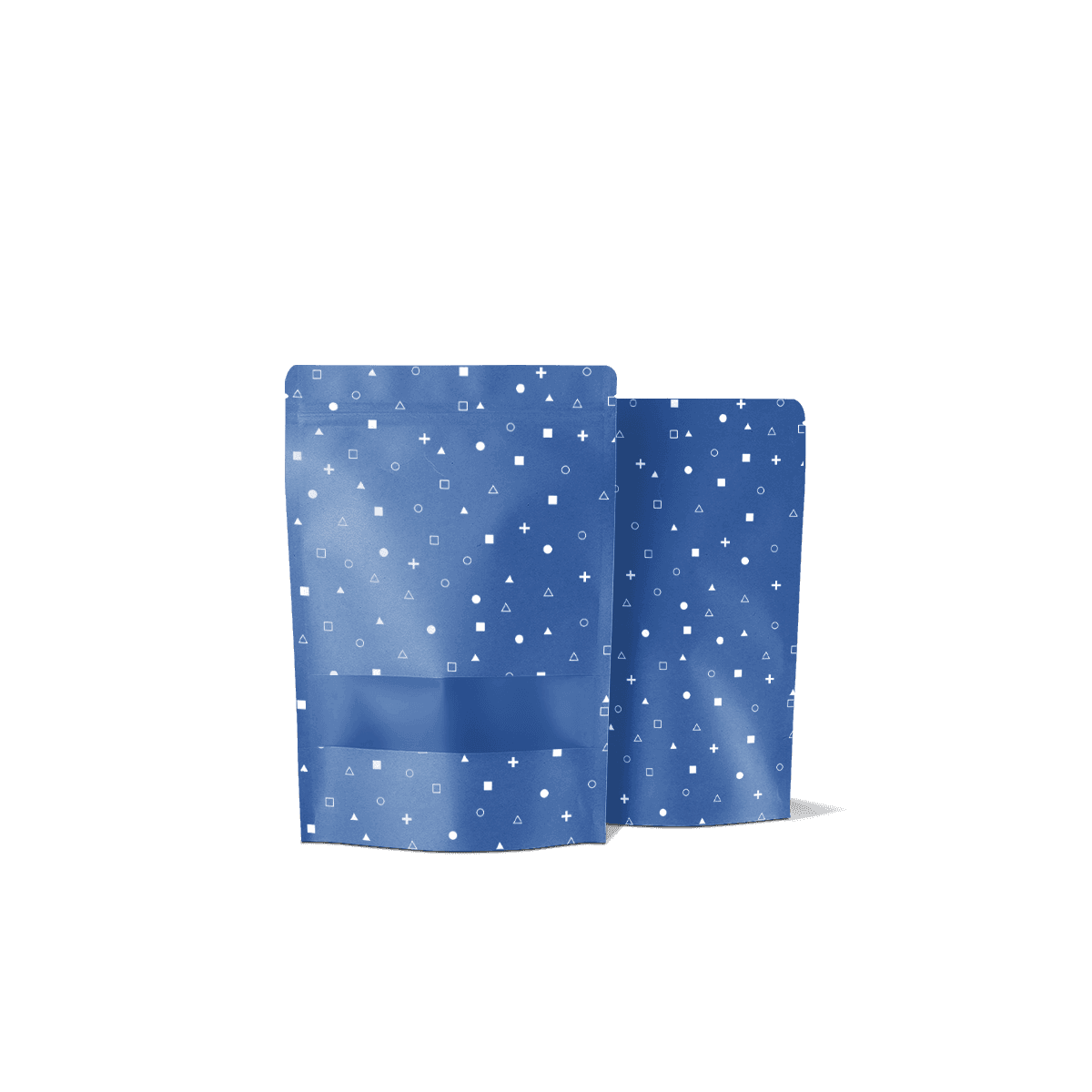
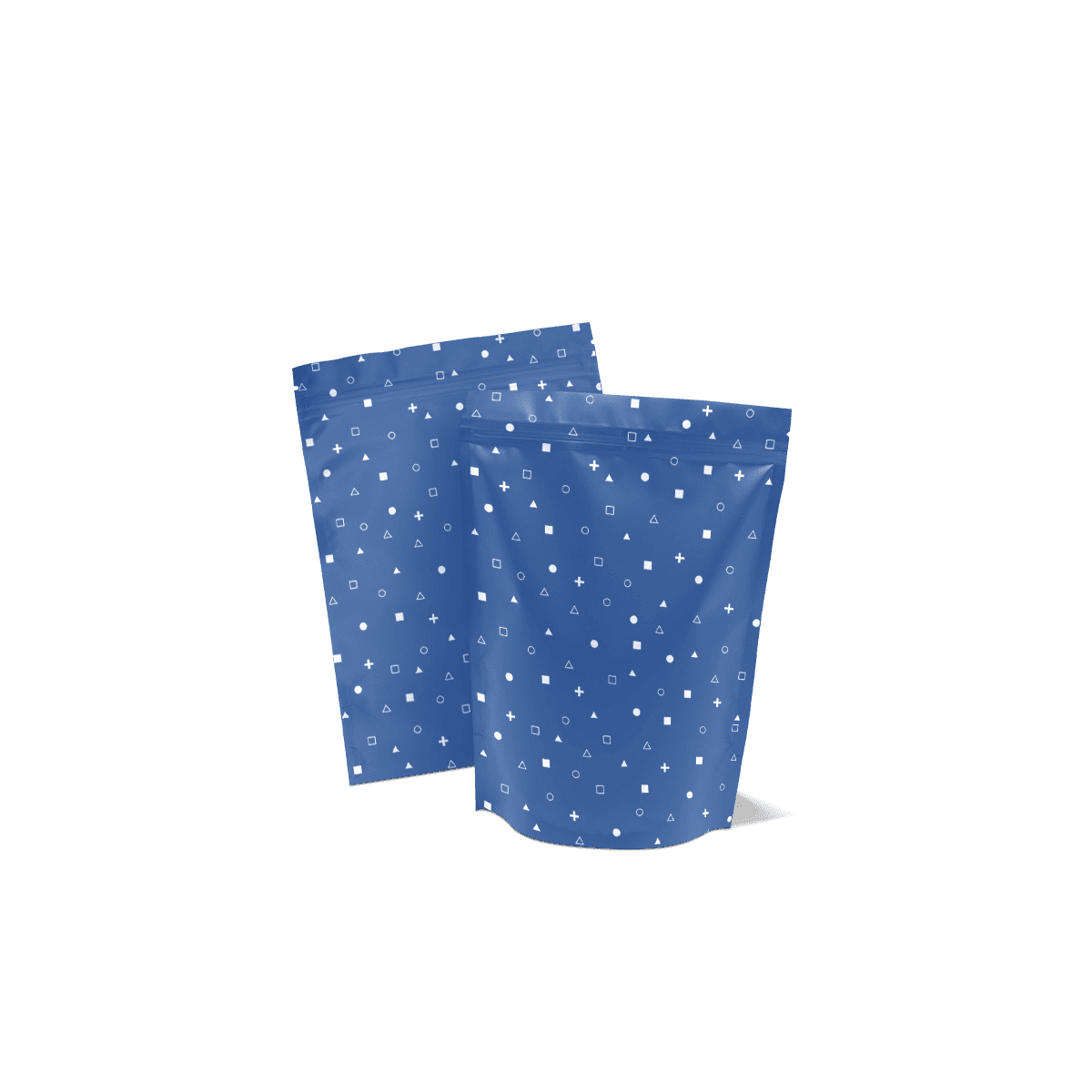
Stand Up Mylar Bags work best when the real fill settles into the base and creates a stable footprint. Very light products can leave a tall pouch technically upright but easy to tip because the gusset is only partly developed.

Consider a 35 g freeze-dried cat treat packed into a tall stand-up pouch chosen mainly for front-panel space. The pieces occupy the upper volume but do not place enough mass into the base to open the gusset consistently. Some pouches stand, others lean and the row looks uneven.

A shorter face with a shallower, proportionate gusset can bring the centre of mass lower and let the product open the base more reliably. If upright display still adds little value, moving to a flat hanging pouch removes the unstable base altogether. The result is a display method that follows the product rather than forcing the product into a fashionable pouch shape.

Hanging Can Beat Standing

Light cat treats can work well on peg displays because the top of the pouch carries the presentation while the product weight no longer has to stabilise a gusset.

A hang hole uses valuable top space, so it should be planned together with the seal, tear feature and artwork. Do not add one after the logo and flavour name have already been positioned as though the full height is printable.

Flat Pouches Suit Samples and Refills

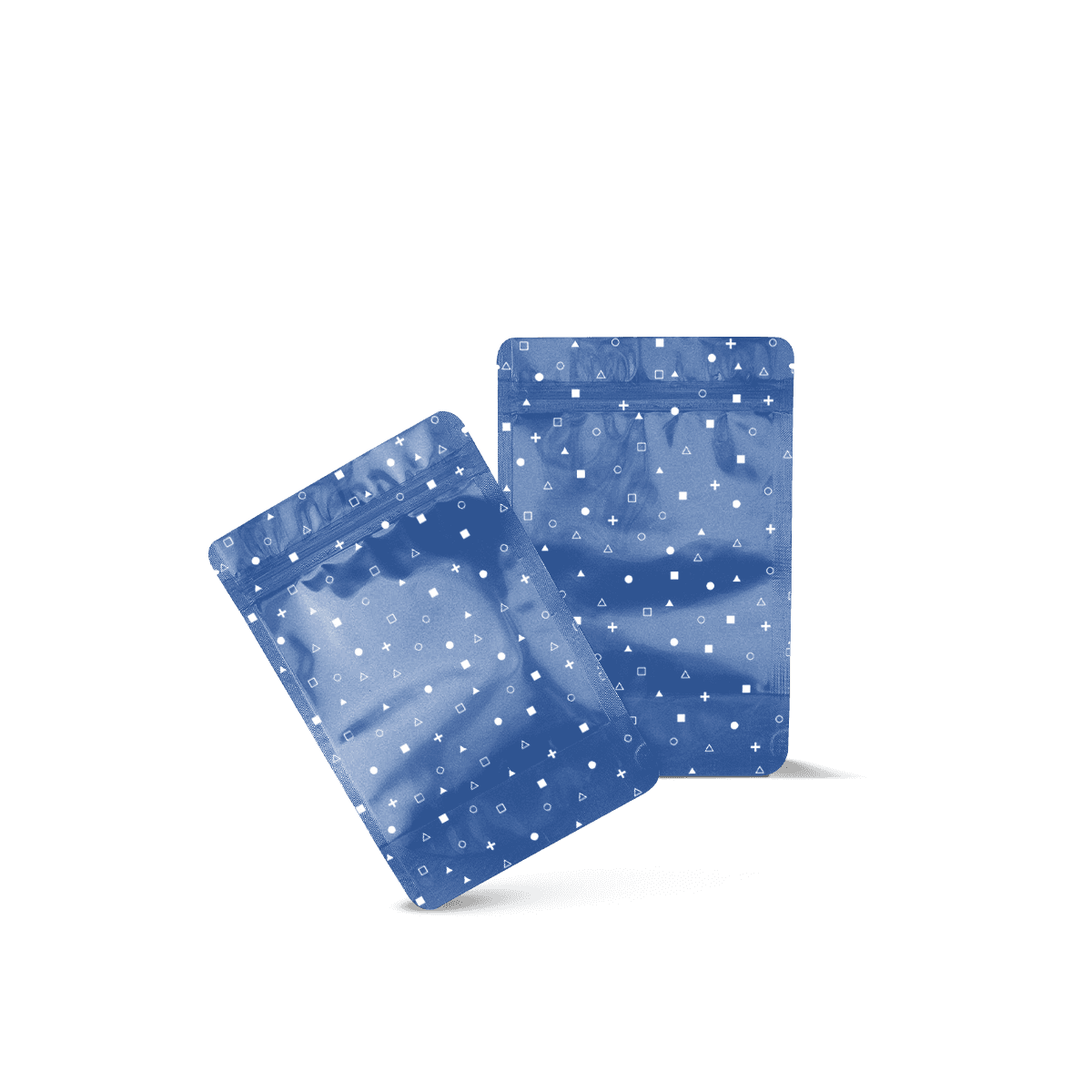
Flat Mylar Bags can make more sense for small samples, refill portions and products placed inside another carton or subscription send. They keep the packed profile shallow and remove a base that serves no useful purpose.

The decision is simple: if independent shelf stance helps the sale, test a stand-up pouch. If compactness, hanging display or secondary packing matters more, a flat format may be cleaner.

Test the Row, Not One Pouch

Small pouches often look acceptable individually and inconsistent as a group. A proper approval should therefore include several filled units displayed the way a shop, veterinary counter or fulfilment shelf will actually hold them.

Check the Lowest Fill Level

Test normal production variation, not only the fullest sample. If one pouch stands confidently at 45 g and another slumps at 38 g, the dimensions may be too dependent on a narrow fill condition.

For hanging formats, check how several units overlap on the peg and whether the flavour cue remains visible behind the front pouch. For flat pouches placed in trays, confirm the faces sit consistently enough for customers to compare the range.

Check Outer Packing With Filled Units

The pouch depth changes after filling. Several gusseted bags can occupy substantially more case space than the same units measured flat.

If the pouches travel in an outer case or subscription box, build that arrangement from filled dimensions. The packaging selection principles explain why retail and delivery packaging should be solved as connected but different jobs.

Free samples can help compare pouch proportions, material and print direction before a larger run. Once the specification is proven, guaranteed 4–6 working day production and delivery gives repeat orders a defined replenishment window.

Keep Fine Product Out of the Seal

Small cat treats can create crumbs, dust and tiny fragments that migrate more easily than larger chews. That matters during filling because the upper seal area has to remain clean enough to close consistently.

Crumbs Can Interrupt the Closing Zone

Do not fill to the point where loose fragments sit directly beneath the heat-seal band. Fine product trapped between film layers can interfere with a clean seam, while overfilled pouches can wrinkle as they are positioned for sealing.

Heat Seal Mylar Bags explain the closure decision in more depth. For cat treats, the practical rule is to give the filling process enough clean headspace to settle the product below the closing area before the top is sealed.

Filling Method Changes the Needed Headroom

Hand-filled launch runs and higher-throughput filling lines do not always need the same working space. A controlled scoop may place product cleanly into a small pouch, while faster filling equipment may need more tolerance to prevent pieces bouncing into the upper area.

If a co-packer will fill the product, bring their seal and handling requirements into the specification before the finished height is locked. Shrinking the pouch first and asking the filling line to compensate later is backwards.

Barrier Needs Follow the Recipe

A flexible pouch should be specified around what can degrade the treat, not around the visual appearance of the film. Moisture, oxygen, aroma transfer, oils and light sensitivity can matter differently across crunchy bites, freeze-dried proteins, catnip snacks and other dry cat rewards.

Freeze-Dried Treats Need the Material Question First

Freeze-dried pieces can be highly sensitive to environmental moisture. The required barrier should therefore be established from the recipe, intended shelf life and storage conditions before the pouch finish is chosen.

Do not assume every metallic-looking material gives the same protection. Film structure and seal performance need to be confirmed for the actual product.

Catnip and Aromatic Treats Need Containment Planning

Strong-smelling products can make aroma control more important, but the answer is not one decorative film layer. The laminate, edge seals, initial top seal and any reusable closure all contribute to how the finished pouch behaves.

Where aroma containment is the main requirement, state it explicitly during specification so it can be treated as a technical need rather than inferred from the word “Mylar”.

Direct Contact Needs a Verified Specification

When treats sit directly against the pouch material, food-contact suitability has to be checked for the exact film, inks, adhesives and production system being used.

Custom Packly holds major applicable UK and EU certifications. Relevant compliance can be addressed during specification, but the exact applicable documentation should be confirmed for the product rather than reduced to a blanket food-safe claim.

Give a Small Front One Clear Message

Compact cat treat pouches have less room for visual clutter than larger pet-food bags. The main face needs to identify the product quickly while leaving functional areas and denser information to the reverse or quieter zones.

Flavour Should Not Fight Treat Type

If a line contains salmon bites, chicken freeze-dried cubes and dental snacks, the customer needs to understand both what the treat is and which variant they are holding.

Keep the core brand position stable, then assign flavour or function a controlled cue. Changing every colour, illustration, type position and finish at once can make a small multi-SKU row look like unrelated products.

Free 3D mockups can help review how that hierarchy reads on the finished proportions before production. They are especially useful when the upper seal, zipper or hang area removes more visual space than the flat artwork suggests.

Protect Small Copy From Curves and Seals

Ingredients, feeding information, barcodes, batch fields and other required text should stay clear of strong side curvature, gusset folds and the upper closure zone.

The front may look wide on screen but become visibly narrower once the product creates depth. Put the most important wording in the area that remains front-facing after filling rather than using the complete flat template as though every part stays equally visible.

Decide Whether the Treat Should Show

A window can help when the colour, piece size or texture reassures the customer, but small cat treats can also create dust, crumbs and inconsistent fill levels that make transparency less useful.

Window Mylar Bags should control the visibility decision. Here, the question is whether seeing the cat treat actually helps the sale.

Show Consistent Pieces

A small clear area can work well for visually consistent freeze-dried cubes or recognisable crunchy shapes. Position it around the settled product level rather than high on an empty pouch template.

If the product varies significantly in colour or creates residue against the clear film, a fully printed face may look more controlled.

Do Not Trade Barrier for Decoration

A window changes the material system across the viewing area. If light exposure or full opaque coverage matters to the product, visibility should not be added automatically.

The strongest pouch does not contain the greatest number of features. It contains the features the treat can actually use.

Standardise by Filled Profile

Cat treat brands can build many small SKUs quickly: flavours, proteins, functional snacks, trial sizes and seasonal releases. One pouch size can simplify stock, but only when those products occupy the pouch in a similar way.

Group Similar Fills Together

A 40 g crunchy bite and a 40 g freeze-dried treat may not share the same usable volume. If one opens the gusset cleanly and the other leaves most of the pouch empty, forcing them into one size weakens either fit or presentation.

Group products by realistic filled depth, required headspace and display method first. Then standardise artwork where the physical fit remains credible.

Plan Quantity Per Design

A total order of 5,000 pouches split across ten flavours is commercially different from 5,000 identical units. The custom Mylar bag cost breakdown shows why size, print method, number of artworks, closures and barrier requirements need to be priced together.

MOQ starts from 100 units, which can support a new flavour or controlled test run without making every variant share an unsuitable universal pouch. Once demand stabilises, repeat production and warehousing can support larger coordinated runs.

When a Flexible Pouch Stops Being Enough

Cat Treat Mylar Bags are strongest when the pouch itself is the sales pack and compact, barrier-led storage matters. If the product needs rigid grouping, a larger communication surface or several sealed portions presented together, the packaging problem has changed.

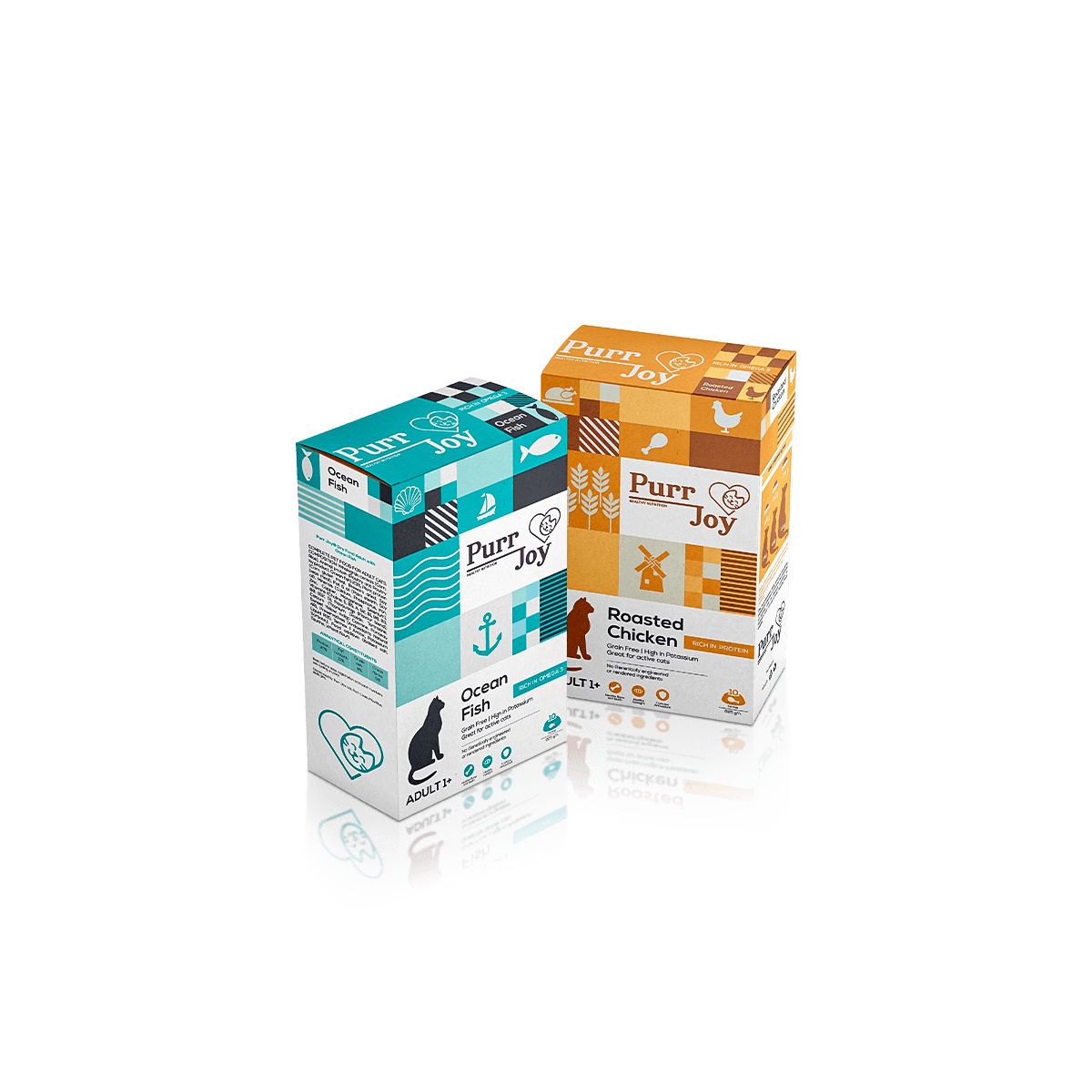
Cat Treat Boxes are the better route for multipacks, sampler cartons and lines that need a larger rigid communication surface. The pouch can still sit inside the carton where the two layers have separate jobs.

Within Pet Products, this keeps the ownership clear: Cat Treat Mylar Bags solve compact flexible packaging for cat rewards, Cat Treat Boxes solve structured retail grouping and Pet Subscription Boxes solve recurring mixed deliveries containing several product types.

Start Pricing With the Lightest SKU

For a cat treat line, the most useful quote reference is often the SKU that is hardest to make look right, not the biggest seller. That may be the lightest freeze-dried product, the smallest trial fill or the flavour with the greatest volume for its weight.

Share the treat type, target fill weight, approximate filled volume, preferred display method and whether the pouch needs a zipper, initial heat seal, hang hole or window. Include the number of artworks and quantity per design rather than only the combined order.

If several SKUs may share one pouch, send the highest-volume and lowest-volume filled examples so the same dimensions can be tested against both. Custom Packly provides one-stop custom packaging support across pouch sizing, film specification, artwork, print, samples, production and repeat supply, with 24/7 support when the line still needs technical decisions resolved.

Use the custom packaging quote once those filled references are ready. Price the lowest- and highest-volume SKUs together so any shared pouch size is tested commercially as well as physically.

FAQs

For lighter portions, the decision usually comes down to shelf method and how the pouch will be reused at home. A compact stand-up pouch is stronger when the product needs shelf presence and easy cupboard storage after opening. A flatter pouch often suits sample drops, slim refill lines or smaller posted orders. The best choice depends on the fill weight, expected use frequency and display plan.

Because the product is often used little and often rather than emptied quickly. A zip helps keep the treats tidier between uses and can make the pouch more convenient for routine feeding rewards. It is especially useful for crunchy bites and repeated opening through the week. For one-time promotional sizes or very small portions, a simple sealed pouch may still be enough.

The front should usually prioritise the treat type, flavour and the clearest visual cue rather than trying to carry every message at once. Smaller cat treat pouches can become cluttered very quickly if feeding notes, claims and flavour language all compete for the same space. A better approach is to keep the face simple and push denser detail onto the reverse or side areas where possible.

Yes, especially when the product needs more rigid shelf structure, a stronger gift angle or cleaner organisation across several inner units. A carton also gives more space for storytelling and multipack presentation when one pouch face is too limited. A Mylar Bag is usually the better primary route when freshness, lighter weight and compact repeat-use handling matter more than boxed presentation.

Test the real fill weight, seal performance and opening behaviour with the actual treats inside, not just a dry mock-up. It is also worth checking whether crumbs, oils or treat dust affect closure performance over repeated use. If the pouch needs to stand upright, confirm that the filled base remains stable. Artwork legibility should also be checked at final size because smaller pet snack pouches can lose clarity fast.

Process

How it works

Your Packaging Journey, From Idea to Production and Delivery

01

Tell Us Your Specs

Custom packaging boxes

Tell Us Your Specs

Provide size, quantity, printing, and finishes.

02

Get a Fast Quote

Custom packaging boxes

Get a Fast Quote

Instant transparent pricing, no hidden fees.

03

Design and Approval

Custom packaging boxes

Design and Approval

Artwork checks, revisions, and final sign-off.

04

Produce

Custom packaging boxes

Produce

Expert manufacturing to meet deadlines.

05

Ship to Your Door

Custom packaging boxes

Ship to Your Door

Hassle-free, flexible delivery options.

Get Your Quote for Custom Cat Treat Mylar Bags

Share your product details, dimensions, quantity and artwork needs. We’ll help choose the right packaging style and send a clear quote.