Skip to content
Details

Custom Pet Subscription Boxes

Pet Subscription Boxes need to balance repeat-order efficiency with a strong monthly unboxing feel. Custom Packly creates printed cartons for treat clubs, mixed pet-care kits and recurring delivery boxes with organised fit, cleaner branding and dependable shipping performance.

Build Around the Difficult Month

A pet subscription box has to cope with change without becoming a different packaging project every cycle. Custom Pet Subscription Boxes work best when the outer size is based on the recurring assortment envelope: the realistic spread of treats, toys, grooming items, supplements and printed extras the service expects to send across several months.

The launch box is often a poor reference because welcome gifts, bonus products or campaign inserts can make it unusually full. The quietest month can be equally misleading. The better specification comes from looking across the recurring programme and identifying which combinations create the most depth, weight imbalance and movement.

Map the Assortment Before the Box

List several representative sends and note the packed size, weight and physical behaviour of each item. A soft toy can absorb space without adding much weight. A supplement tub can be dense and rigid. A sealed treat pouch may be light but easy to crease. A grooming bottle can create a hard edge or concentrated load.

That mix matters more than the number of products. Five flat sachets may be easier to control than three unrelated items with different heights and weights.

The same principle appears in choosing packaging around the actual product: the sales channel and packed condition should set the packaging direction before decoration.

Use More Than One Size When Variation Is Real

One universal subscription box sounds efficient until half the months need large amounts of filler. If the service regularly alternates between shallow refill-led sends and bulky toy-led sends, two controlled sizes can be more sensible than one oversized carton.

The decision should come from recurring combinations rather than an arbitrary small, medium and large ladder. Keep one size where product variation is modest. Introduce another only when it meaningfully reduces empty space, improves protection or avoids forcing a bulky month into an unsuitable structure.

Give Heavy Items a Fixed Zone

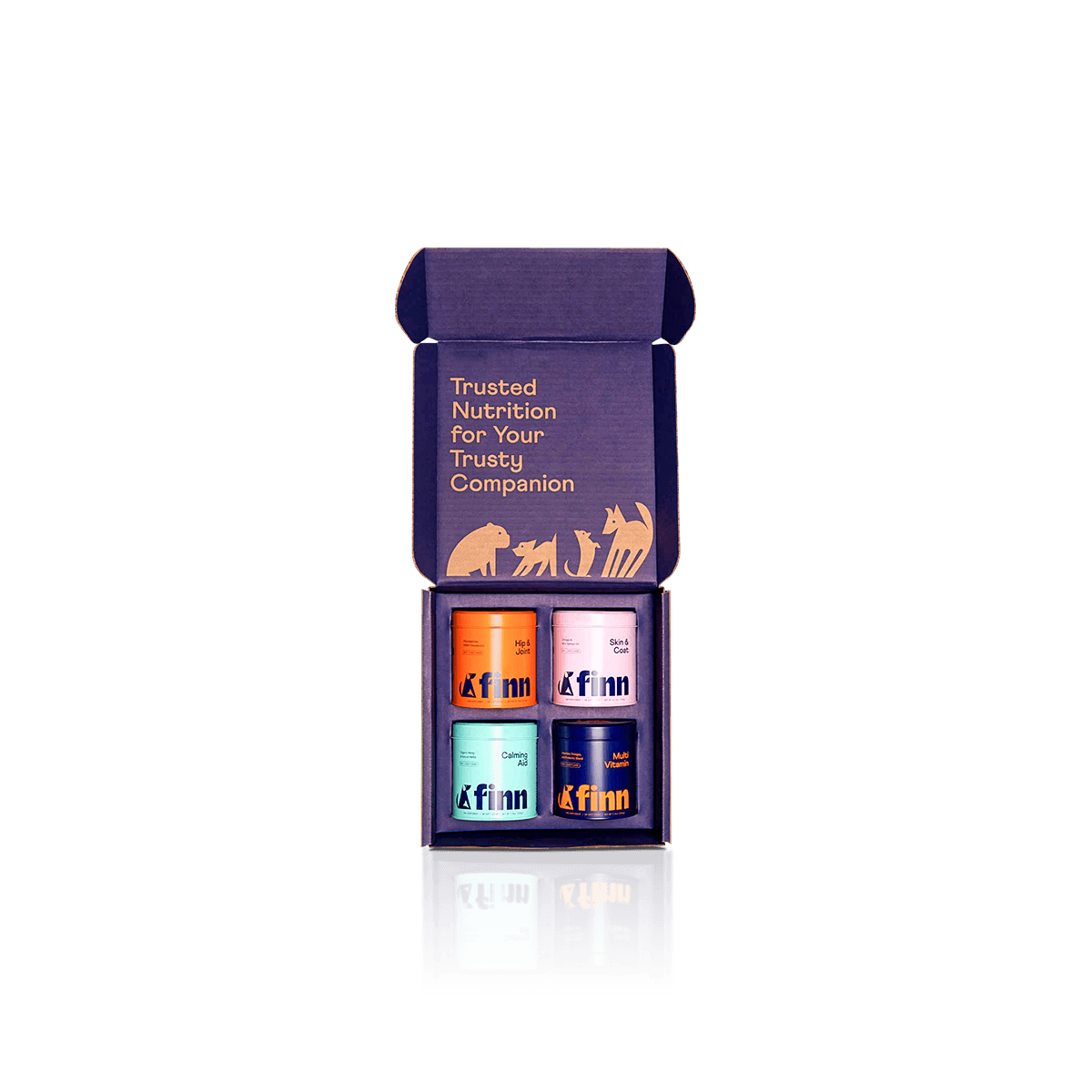
Mixed pet subscriptions rarely distribute weight evenly. Dense tubs, bottles and hard toys can travel across the box and strike lighter pouches or printed material unless the internal layout gives them a predictable place.

A useful subscription interior therefore has two jobs: restrain the items that create the highest risk and leave enough adaptable space for products that change month to month.

Anchor the Dense Product First

Imagine a monthly box containing a 200 g treat pouch, a 100 ml grooming spray and a rubber ball. In a plain mailer, the spray can move across the cavity during delivery, press into the treat pouch and leave the ball floating wherever space remains.

A better layout gives the bottle a simple fixed cell close to one side or corner, keeps the pouch clear of that hard edge and leaves an open zone for the toy. The next month, the toy can change shape without forcing a complete insert redesign. The practical result is less uncontrolled movement and a packing arrangement that stays understandable even when one component changes.

Inserts and dividers are useful when they create that control. They are not automatically necessary for every product.

Use a Fixed Zone and a Flex Zone

A fixed zone can hold the recurring item that appears in most sends: a supplement tub, grooming bottle or standard treat pouch. The flex zone then accepts rotating toys, samples or seasonal extras.

This is often more adaptable than a fully die-cut insert with a cavity for every object. Exact die-cut pockets work well when the contents barely change. A subscription service with deliberate monthly variation usually needs some tolerance.

Where fragile or easily marked items are involved, the decision between stronger outer packaging and internal restraint is better treated as one system. The stronger box or insert decision helps separate movement problems from true outer-strength problems.

Make Monthly Packing Predictable

Recurring packaging becomes expensive when the team has to reinvent the packing sequence every dispatch. The box should make the intended order obvious enough that a new month can be packed consistently without a complicated set of instructions.

Set a Loading Order

Place the hardest or densest item first, then the products that rely on it for position. Cards, vouchers and lightweight printed material should have a defined location rather than being dropped wherever space remains.

If tissue is part of the presentation, decide whether it wraps the whole assortment, lines the base or closes over the top. The same material can add very different packing steps depending on how it is used.

A simple pack map can be more valuable than another decorative component. It records which zone each recurring product type uses and gives the fulfilment team a starting point when the assortment changes.

Choose the Mailer for Repetition

Corrugated mailers are a strong starting structure because the fluted material gives more resistance to routine courier handling than lightweight folding carton stock. The exact flute and grade should follow packed weight, box dimensions, stacking and the amount of internal support required.

Corrugated mailer boxes are the useful next step when flute choice and transit strength need deeper consideration.

For larger recurring volumes, assembly matters as well. A structure that erects cleanly, closes without repeated taping or reworking and stacks flat before use can reduce friction at the packing bench even if the visual difference to the customer is small.

Keep Novelty Out of the Dieline

Subscribers expect variation in what they receive. That does not mean the structural packaging needs to change every month.

The strongest repeat system often keeps the outer footprint, closing method and main brand architecture stable while freshness comes from the assortment and lower-cost changeable elements.

Change the Experience, Not Every Tooling Decision

Cards, tissue, stickers, printed wraps or product placement can change by campaign without forcing a new outer size. Inside print can establish a recurring brand moment, while seasonal material can sit on top of that stable system.

This avoids turning every theme into another dieline, insert and stockholding problem. It also makes leftover packaging easier to use when a campaign ends because the main carton is not tied to one short-lived message.

Free 3D mockups are useful when checking lid artwork, inside print and the first-view arrangement before the recurring specification is approved. The dieline and artwork workflow is useful when artwork has to remain aligned across the lid, side walls and interior folds.

Print Stable Elements at the Right Run Size

Premium offset printing suits stable recurring artwork where fine detail, strong colour control and repeat consistency matter. If exterior artwork changes frequently, the quantity per artwork matters more than the combined annual box volume.

That distinction is covered in digital versus offset printing. A subscription business should price the number of versions it actually intends to hold, not treat one year's forecast as a single print run.

MOQ starts from 100 boxes, which can support a pilot cycle or a smaller membership base without forcing the first structure into a very large order before its packing behaviour is proven.

Know When Letterbox Delivery Fits

A pet subscription does not automatically need a deep mailer. Flat treat refills, sachets, sample cards and slim accessories can sometimes support a shallower through-door format.

The constraint is the finished packed profile, not the empty box.

Flat Contents Can Earn a Shallower Route

A recurring cat-treat sampler made from sealed sticks or flat pouches may remain predictable enough for a slim format. A bulky chew, ball, supplement jar or grooming bottle can remove that advantage immediately.

Letterbox boxes are useful when through-door convenience genuinely shapes the service. The full packed depth should be tested with inserts, tissue and literature already included rather than estimated from the products alone.

Do Not Force a Bulky Month Into a Slim Box

A subscription can lose more than it gains when a special month is compressed into a shallow carton simply to preserve one postal format. Lid bowing, crushed soft items and awkward packing are signs that the assortment has outgrown the constraint.

If the bulky month is rare, use a second outer size for that dispatch. If it becomes normal, revise the standard specification rather than treating every cycle as an exception.

Test the System Across Several Sends

One perfect sample proves only one assortment. Subscription packaging needs to be checked against variation.

Before a repeat run is locked, assemble several realistic combinations: the densest send, the bulkiest send and a lighter send that leaves the most unused space. The same box should remain easy to close and should not rely on improvised filler to rescue one of those combinations.

Check Movement After Real Packing

Close the box using the normal packing method, handle it as a completed parcel and reopen it. Look for heavy items crossing zones, pouches folding under harder products, loose cards migrating to the bottom and tall products pushing into the lid.

Free samples can help compare material, print and structural direction. Where the exact mixed fit is central, the real contents remain the most useful test because toys, pouches and soft accessories rarely behave like neat rectangular placeholders.

Record What Must Stay Constant

Once the system works, document the outer size, flute or material specification, insert position, closure and basic loading order. Then identify which elements are intentionally allowed to change.

This prevents a recurring box from drifting over time as small substitutions accumulate. Warehousing and scheduled deliveries can support larger subscription volumes where the outer specification remains stable but stock needs to arrive in planned stages.

Guaranteed 4–6 working day production and delivery gives repeat programmes a defined replenishment window when additional packaging is required.

Keep Pet-Specific Logic in the Box

Generic subscription mailer boxes solve repeat ecommerce delivery across many sectors. Custom Pet Subscription Boxes need another layer of planning because edible products, toys, care items and supplements can share one dispatch while behaving very differently inside it.

The outer mailer should therefore be specified around the mixed pet assortment rather than copied from a beauty, clothing or stationery subscription.

Treats Stay in Their Primary Pack

Sealed edible products can travel alongside non-food pet items when the whole arrangement is suitable for the products involved, but the subscription carton should not be treated as the food barrier unless that exact use has been specified.

If treats are sold as standalone retail units rather than one component in a monthly mixed send, Dog Treat Boxes or Cat Treat Boxes address that retail-carton decision more directly.

Toys Create Volume Without Predictable Weight

Soft toys can dominate the cavity while contributing little mass. Hard toys may create concentrated contact points. Pet Toy Boxes deal with individual toy presentation, while the subscription outer needs enough flexibility to accept the rotating toy without letting it destabilise the rest of the send.

The same distinction applies to Pet Products generally: retail packaging solves the individual product, while this box solves the recurring combination and delivery journey.

Control Packaging Cost Per Cycle

A subscription box is purchased repeatedly, so small inefficiencies also repeat. Oversized depth, unnecessary inserts, excessive filler and too many artwork versions can create more cost over a year than one visible premium finish.

The right question is not how cheap the outer box can become. It is which specification keeps product control, packing effort, delivery volume and brand presentation in balance.

Do Not Pay to Ship Empty Space

If several months consistently leave a large unused cavity, the outer size is probably doing too much work for the rare bulky send. The custom packaging cost mistakes include this exact type of problem: an impressive footprint can become inefficient when its unused volume repeats across every dispatch.

Before adding filler, test whether the box can shrink or whether two planned sizes would use material and parcel volume more sensibly.

Limit Insert Complexity

A multi-part insert that takes several folding steps may look organised but create unnecessary fulfilment work. Use fixed cells where collision or presentation requires them and leave less critical products in adaptable areas.

Custom Packly works as a full-service packaging partner across box choice, sizing, inserts, dielines, print, finishes, production and repeat supply. 24/7 support is useful when a product substitution changes the internal layout and the team needs to know whether the existing specification can still be used.

Send a Three-Cycle Pack Map

For a useful subscription specification, do not send only the products from the next dispatch. Show three representative cycles: a normal month, the bulkiest expected month and the month with the greatest weight concentration.

For each cycle, show the products in their intended orientation and note which items are fixed parts of the membership and which rotate. Flag anything rigid, fragile, liquid-filled or unusually shaped. Include any card, tissue or insert that affects the closed profile.

That three-cycle map gives the packaging team enough information to decide whether one outer size is credible, whether a fixed zone and flex zone will work and which internal components should remain stable.

Use the custom packaging quote with those recurring combinations. Instant pricing can then be based on the subscription system you actually intend to fulfil rather than one unusually convenient month.

FAQs

They should usually be designed around the usual monthly mix and the heaviest likely variation, not the launch box alone. A first-month pack often includes welcome extras that do not reflect regular fulfilment. If the structure only suits that first send, later boxes can feel loose or inefficient. The better approach is to map the recurring assortment pattern first and then allow controlled flexibility around it.

The strongest route is to keep the outer structure consistent and vary the internal experience. Seasonal cards, themed inserts, colour shifts, printed messages or changing item layouts can refresh the box without disrupting packing speed. That keeps the fulfilment system stable while still giving customers something new to notice when they open each delivery.

Often yes, especially when the box combines products with very different shapes or weights. Treat packs, toys, grooming items and supplement tubs can knock into each other quickly if the interior is left too open. Dividers or simple insert zones make the monthly assortment easier to pack, help the contents arrive neater and stop the unboxing from feeling random.

Yes, but only for flatter and lighter assortments. It can work well for sachets, treat refills, sample-led wellness packs or slim monthly selections that do not rely on bulky toys or jars. Once the contents become deeper, heavier or more varied, a standard subscription mailer usually gives better protection and more control over the internal arrangement.

The biggest factors are weight spread, empty space and how the contents are grouped inside. A box can look well designed when flat, but still arrive untidy if one month includes heavier products or awkward shapes that shift in transit. Rechecking the internal layout against real monthly assortments usually matters more than making small cosmetic changes to the outside artwork.

Explore Related Industry Packaging

Process

How it works

Your Packaging Journey, From Idea to Production and Delivery

01

Tell Us Your Specs

Custom packaging boxes

Tell Us Your Specs

Provide size, quantity, printing, and finishes.

02

Get a Fast Quote

Custom packaging boxes

Get a Fast Quote

Instant transparent pricing, no hidden fees.

03

Design and Approval

Custom packaging boxes

Design and Approval

Artwork checks, revisions, and final sign-off.

04

Produce

Custom packaging boxes

Produce

Expert manufacturing to meet deadlines.

05

Ship to Your Door

Custom packaging boxes

Ship to Your Door

Hassle-free, flexible delivery options.

Get Your Quote for Custom Pet Subscription Boxes

Share your product details, dimensions, quantity and artwork needs. We’ll help choose the right packaging style and send a clear quote.