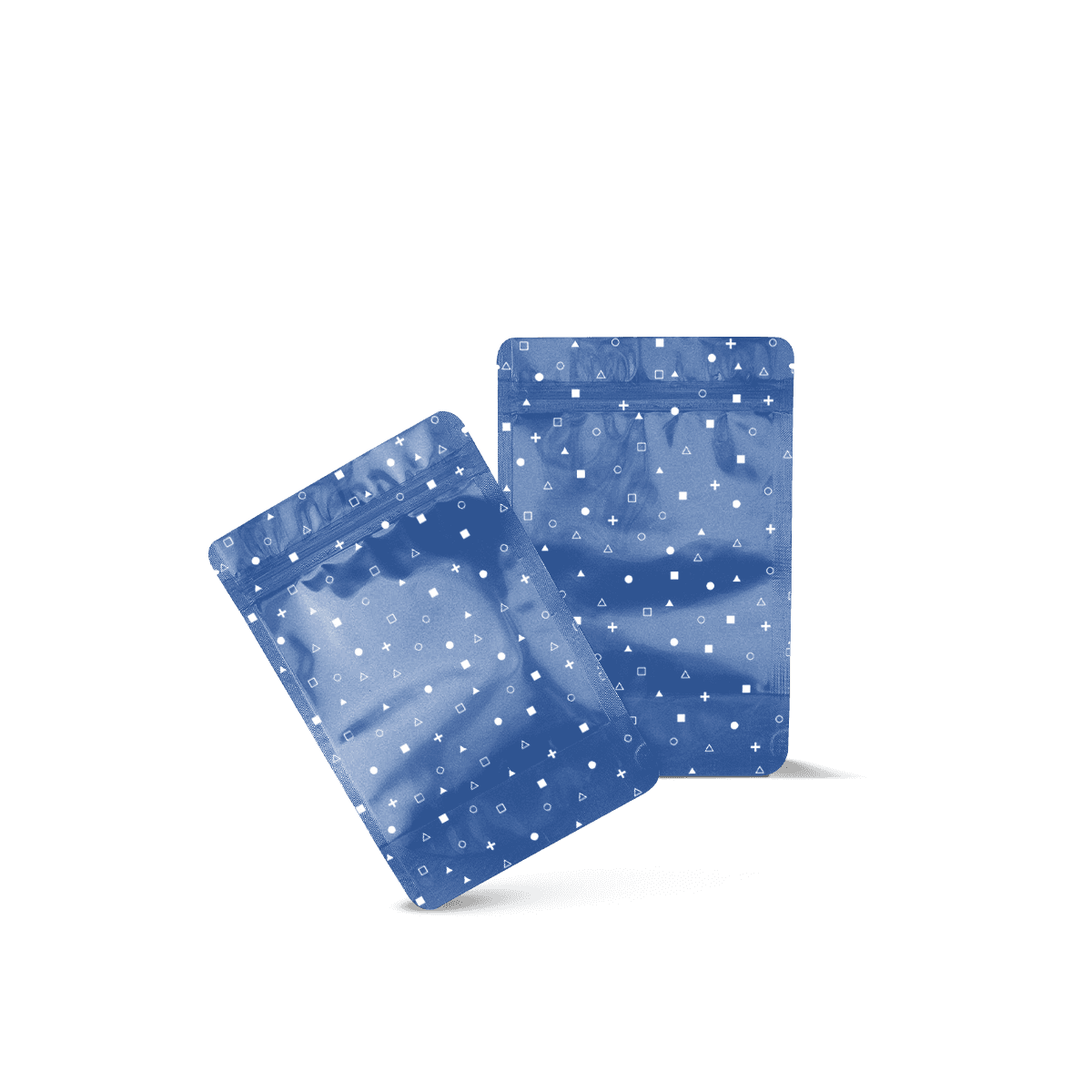
Keep the Pack Low-Profile
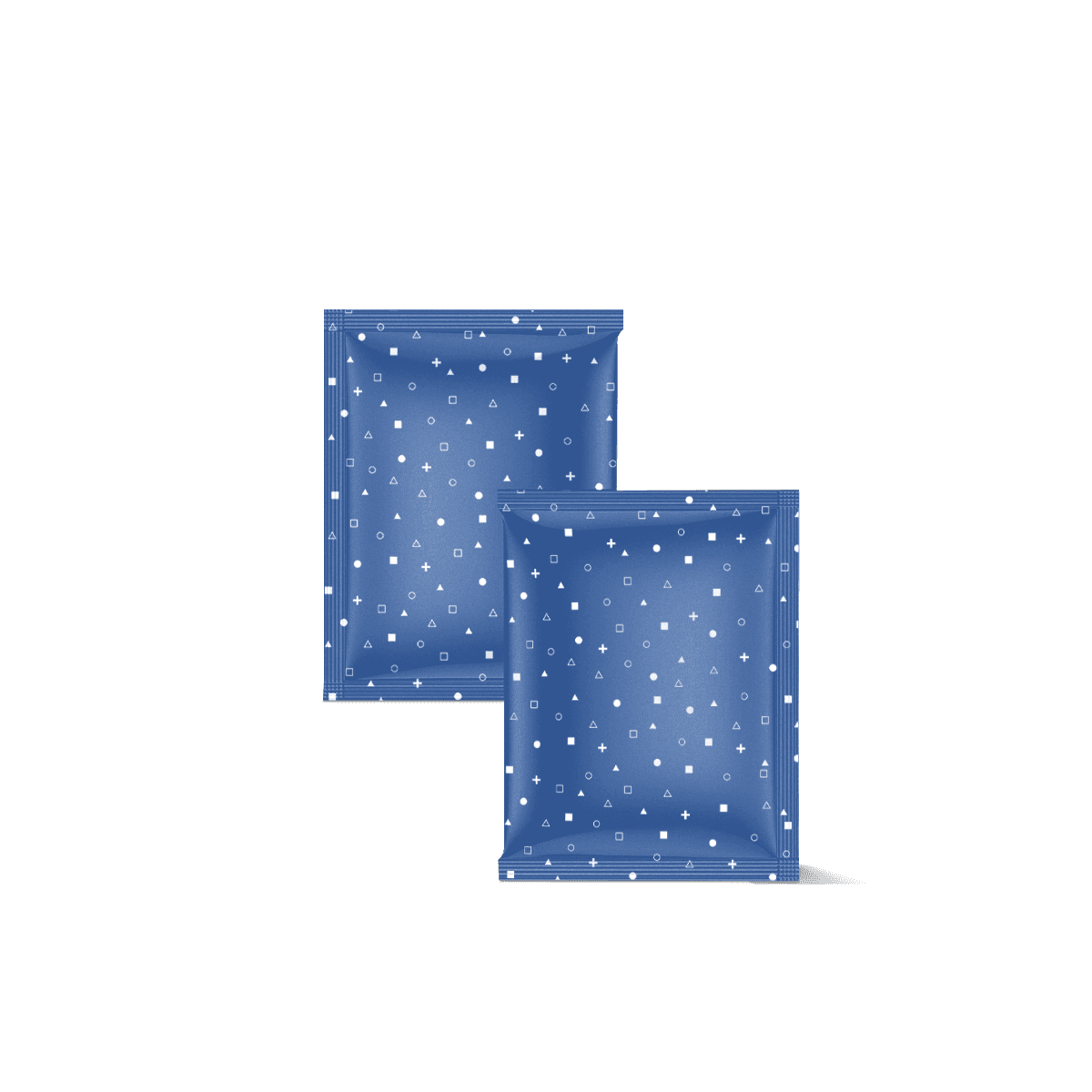
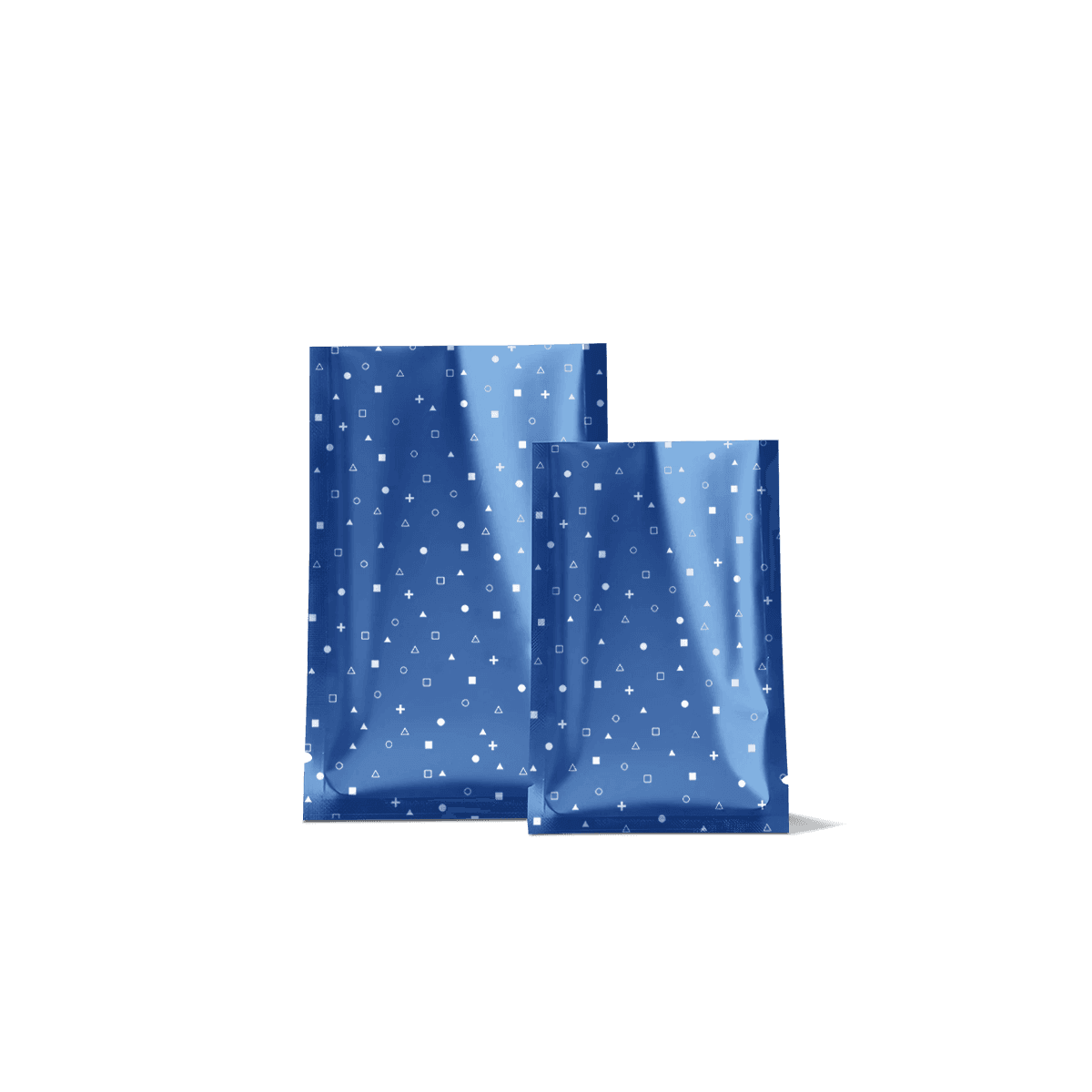
Flat pouches solve a space problem first. Custom Flat Mylar Bags keep samples, refills and slim retail units shallow when the product does not need a gusseted base or its own standing footprint.
The important measurement is the filled envelope, not the empty film. Product thickness consumes usable face area and can change how the pouch fits a tray, kit or outer carton.
Three Side Seal Mylar Bags answer a different question: how the pre-made sealed edges and filling side are arranged. Flat Mylar Bags should stay the broader choice when low finished depth is the commercial priority.
Measure the Filled Envelope
A flat pouch may look almost two-dimensional when empty, but the contents create depth. As the film wraps around the product, some of the apparent face width and height is used to accommodate thickness.
That is why product dimensions should not be copied directly into pouch dimensions. Fill a test pouch or model the real product volume, then check the finished width, height and maximum thickness. The outer package, retail tray or mailing format should be assessed against that filled envelope rather than an empty bag on a table.
This is especially important with irregular pieces. A few thick treats, confectionery pieces or accessories can create a deeper finished profile than a fine powder of the same weight.
Let Flatness Solve Something
Do not select a flat pouch merely because it looks neat. The slim profile should solve a practical problem.
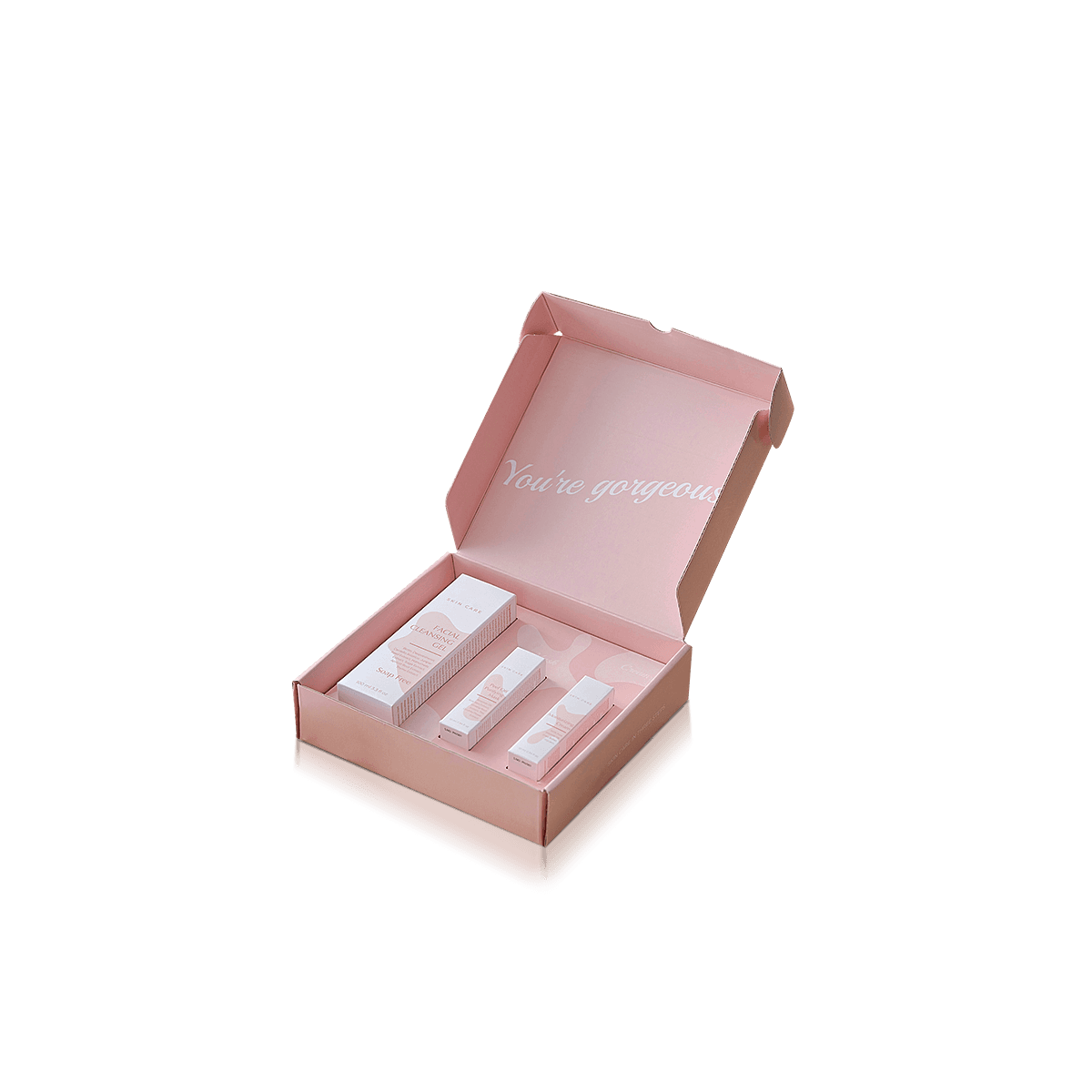
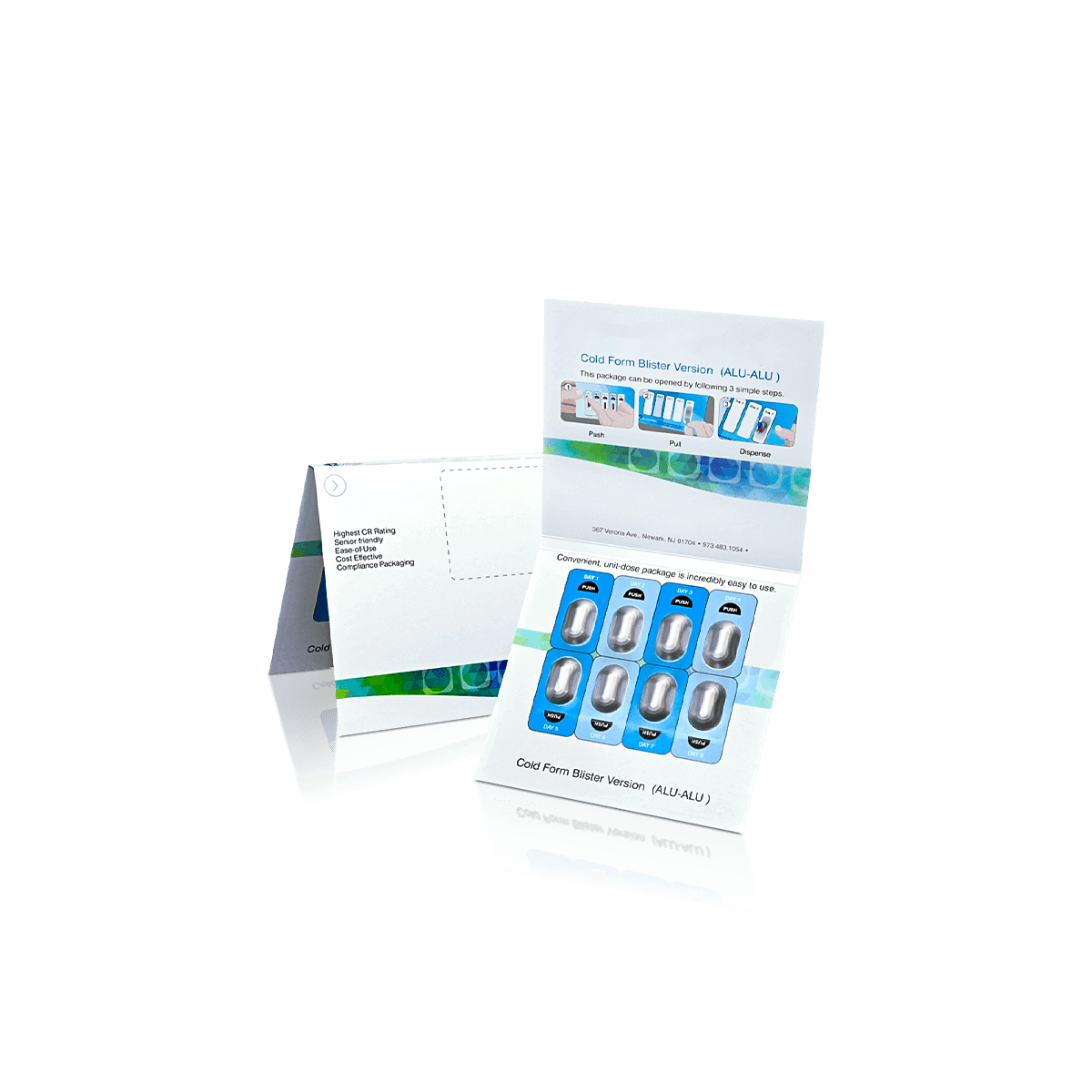
It may allow more sample units to sit inside a presentation box. It may keep a refill compact inside a larger retail carton. It may make a promotional kit easier to collate or reduce wasted depth in an outer mailer.
If the product will be sold alone on a shelf and needs to stand confidently without support, Stand Up Mylar Bags usually give the product a more suitable base.