Skip to content
Details

Custom Stand Up Mylar Bags

Gusseted pouches planned around real fill volume, base stability and the shelf footprint your product creates once packed.

Make the Base Do the Work

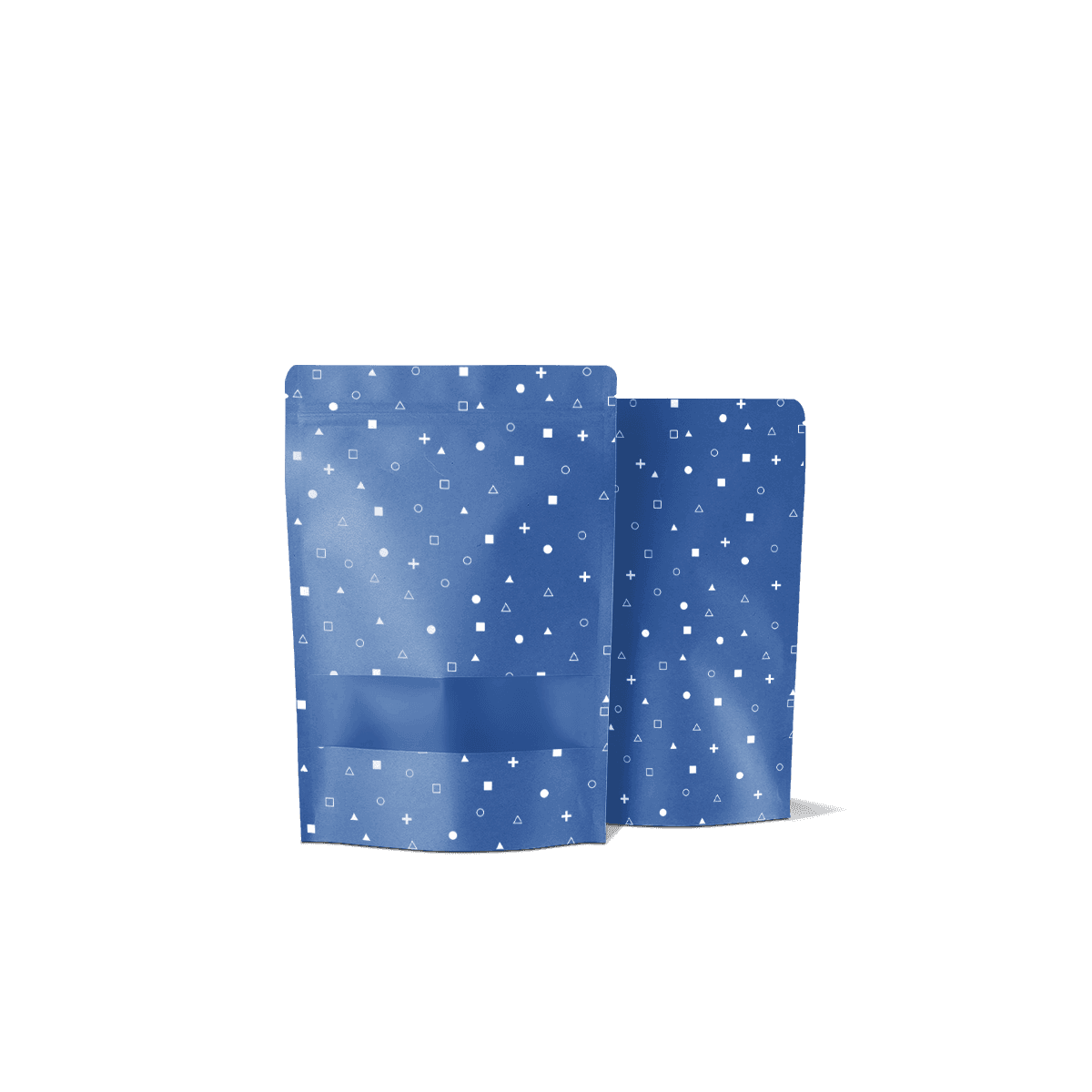
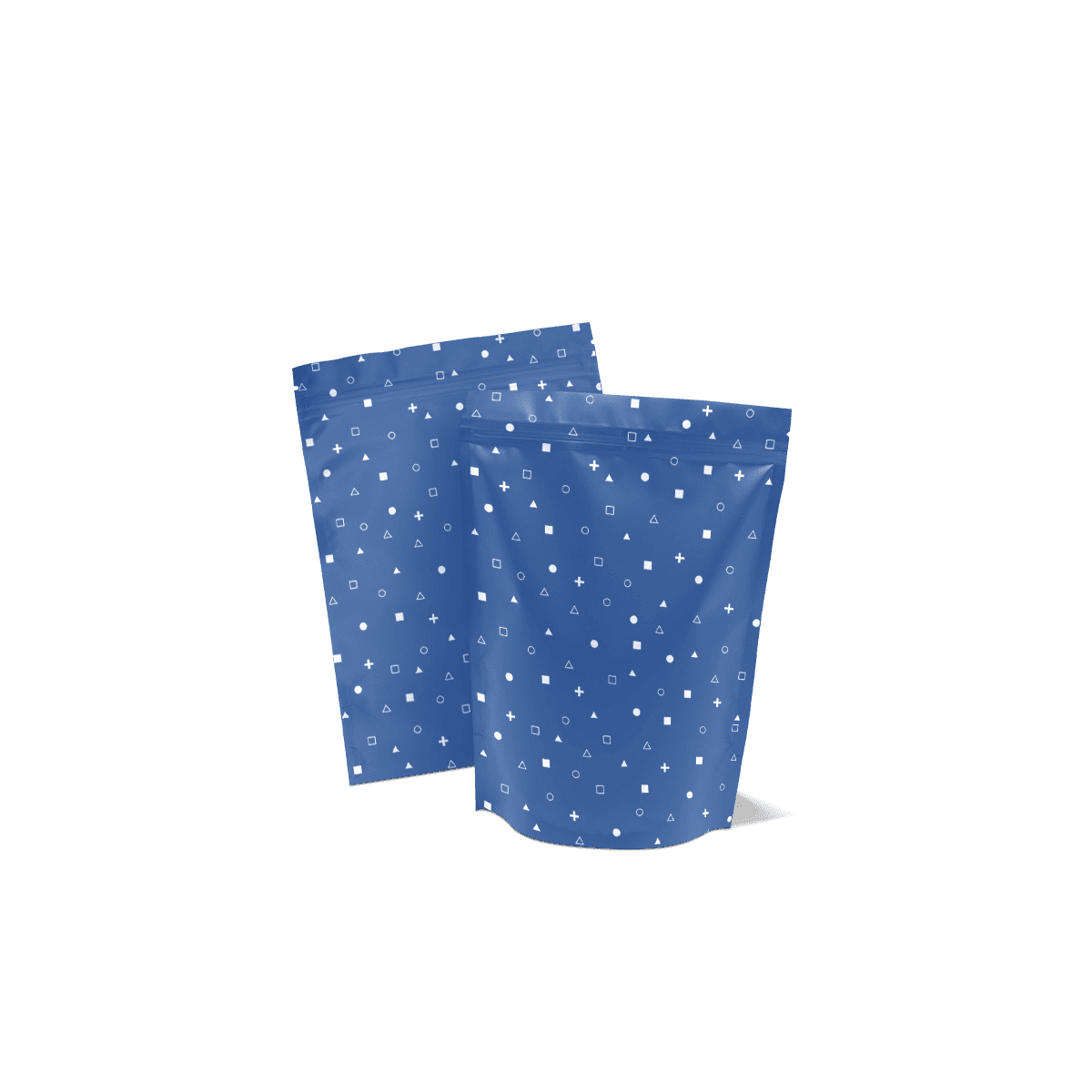
An upright pouch succeeds or fails at the base. Custom Stand Up Mylar Bags rely on the bottom gusset opening far enough for the contents to settle into a stable footprint.

That footprint is created by the real fill, not by the empty pouch dimensions. Product density, gusset depth and fill height determine whether the pouch stands cleanly or becomes narrow, top-heavy or rounded.

Choose this style when independent shelf stance is part of the job. If the product will sit in a tray, kit or outer carton, a flat pouch may use space more efficiently.

The Gusset Must Open Properly

A gusset only adds useful capacity when the fill reaches and opens it. An oversized pouch with too little product can remain narrow at the base, look underfilled and struggle to form the stance expected from a stand-up bag.

The opposite problem is overfilling. Product pushed hard into the lower folds can distort the base, crowd the upper closure and pull artwork around the sides. The target is a filled shape that opens the gusset naturally without stretching the pouch into a rounded or top-heavy profile.

Test with the real product. Powders settle differently from gummies, loose tea, biscuits or pet treats, even when the stated weight is similar.

Base Contact Controls Stability

The contents need to settle low enough to give the pouch a dependable centre of gravity. A tall bag filled with a very light product may technically stand yet feel unstable when touched, moved or displayed on a narrow shelf.

For Supplement Mylar Bags, density becomes especially important. A compact mineral powder can create a very different base from an airy protein blend at the same net weight.
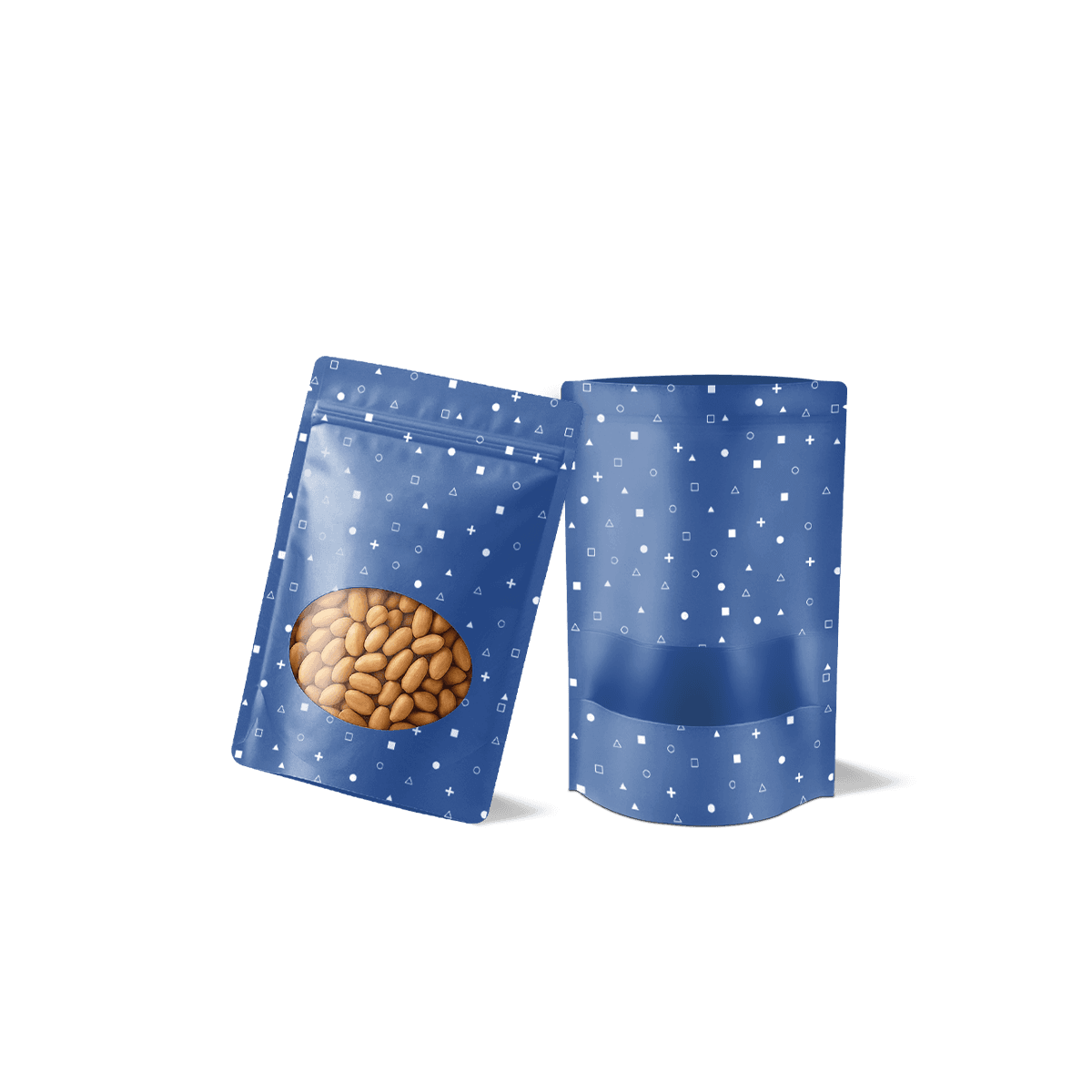
Balance Height and Footprint

The strongest stand-up pouch is not automatically the tallest one. Width, overall height and gusset depth work together, and changing one dimension alters both shelf behaviour and visual proportion.

A narrow pouch can create strong vertical presence but may become easier to tip. A very wide pouch can stand confidently but consume more shelf frontage than the product justifies. A deeper gusset can add volume without enlarging the entire printed face, which is often a better first adjustment than increasing every dimension.

Do Not Size by Weight Alone

Capacity labels are poor substitutes for a filled-product test. Twenty grams of dense powder can occupy far less space than twenty grams of loose confectionery or dried pieces.

Start with the real volume, allow the contents to settle and then assess how much usable height remains above the fill. That space has to accommodate the closure, opening feature and clean top seal without making the pouch look unnecessarily tall.

The cost effect matters too. Larger front panels and deeper gussets use more film across the run. The breakdown of custom Mylar bag costs explains why size, gusset depth, film, closure and SKU count should be considered together rather than one at a time.

Watch Tall Narrow Proportions

Tall narrow pouches can look elegant in artwork but become awkward once filled. If the footprint is small relative to the height and the contents sit high, the pouch may lean or fall more easily during shelf replenishment and customer handling.

Increasing gusset depth is not always the fix. A slightly wider face, lower fill height or different pouch size can sometimes create a better stance with less material than simply making the base deeper.

Check the Shelf Depth Too

Stand-up packaging gains depth as the gusset opens. That matters in stores where several units need to sit front to back or where shelving has a fixed usable depth.

Measure the finished pouch at its deepest realistic point. An empty sample can substantially understate how much shelf space the filled product will occupy.

Test It After Opening

A stand-up pouch should still feel practical after the customer removes some of the contents. Initial shelf stability is only half the job for products used across several occasions.

As the fill level drops, loose contents may spread into a shallower layer. The pouch can become easier to fold, slump or knock over. That may be acceptable for some products, but it should be understood before the dimensions are final.

Half-Full Behaviour Matters

Test the pouch full, half-full and near the expected end of use. This is particularly useful for snacks, powders and Dog Treat Mylar Bags, where the bag may be opened repeatedly and stored on a kitchen shelf or counter.

A slightly broader base can sometimes make everyday use more comfortable. For products consumed quickly, that benefit may matter less than keeping the first-sale pouch compact.

Keep Closure Decisions Separate

A stand-up shape does not automatically require a zipper. Some products are used once and only need a clean first seal. Others need repeated access.

When resealing is the main requirement, Zip Lock Mylar Bags should drive the specification because zipper position, grip space and headroom become the central decisions. On this page, the priority stays with the base and standing behaviour.

Design Around the Gusset Fold

The lower part of a stand-up pouch changes shape between empty, filled and displayed states. Artwork that looks uninterrupted on a flat template can move into the gusset fold or curve around the lower corners once product is added.

Keep important text, barcodes and small marks away from areas that disappear into folds. The bottom area is useful for colour, pattern and secondary graphics, but it should not carry information that must remain visible from the front.

Judge the Front When Filled

The front panel should be reviewed on the realistic filled shape, not only as a flat rectangle. If the product creates a strong rounded belly, artwork near the edges can rotate away from the shopper.

Place the product name, main variant cue and highest-priority information where they remain readable at normal shelf viewing distance. The principles in packaging design ideas are particularly useful here: proportion and hierarchy usually do more work than adding another finish.

A free 3D mockup can help check visual placement before production. It should support, not replace, a physical fill check where base opening or final stance is uncertain.

Use the Gusset Deliberately

Printing can extend into available gusset areas, but that does not mean every surface needs equal visual weight. A strong front panel with controlled lower graphics often reads more clearly than artwork that tries to make every fold a focal point.

For multi-SKU ranges, keep the core layout stable and use clear variant changes where customers actually see them. If the number of designs is high, the digital versus offset printing decision should be considered alongside quantity per artwork, not just total units.

Plan Shelf and Case Together

A pouch can perform well on the shelf and still cause problems further back in the supply chain. The opened gusset changes carton count, case depth and the way finished units sit against one another.

Decide whether the pouches will travel filled and upright, lie on their backs in an outer case or be packed in another orientation. That can change how much pressure the gussets and printed faces experience.

Count Real Shelf Facings

Do not estimate retail capacity from pouch width alone. The filled base may spread wider than the upper face, and neighbouring bags can press against each other when several units share a shelf.

A short shelf test with the intended number of units gives a better picture of frontage, spacing and refill ease. This matters when several flavours or formulas need equal visibility side by side.

Outer Cases Need Filled Dimensions

Measure the actual standing depth and the widest settled point before setting an outer carton. A case planned around flat pouches can become too tight after every gusset opens.

Flexible bags also change slightly as they are handled. Leave practical packing tolerance rather than designing the outer around a perfectly compressed sample.

Know What Stand-Up Does Best

Choose stand-up pouches when upright presentation and usable gusset volume are genuine advantages. Do not use the structure as a default for every flexible-packaging job.

Flat Wins on Compactness

Flat Mylar Bags make more sense when the product will sit inside a kit, tray, carton or mailer and there is no commercial benefit in giving every unit its own base.

Flat pouches usually keep the packed profile slimmer. Stand-up pouches trade some of that compactness for an independent shelf stance and more usable depth.

Windows Solve Visibility

If seeing the contents is a major part of the sale, Window Mylar Bags should own that decision. A stand-up pouch can include a window, but the clear area then needs to work with the gusset, fill level and front artwork rather than being added as decoration.

Foil Solves a Different Problem

When opaque barrier performance and a full covered surface matter more than product visibility, Foil Mylar Pouches are the more useful route to investigate.

The pouch can still stand, but material protection and the laminate specification become the primary question rather than the shelf base alone.

Start With the Shelf Footprint

For a useful stand-up pouch quotation, show how the product should sit when it is filled.

The best starting point is a filled reference pouch, a product sample or enough information to recreate the intended shape: product type, target fill amount, approximate filled volume and the width × depth you can realistically give the pouch on shelf. If you already know the preferred height, include that too.

Also state whether the product is loose, powdered, irregular or dense. That helps determine whether more capacity should come from the gusset, the face dimensions or both.

Use a filled reference pouch, product sample or realistic volume estimate to set the starting proportions. The quote should then reflect the actual base width, gusset depth and height needed for that stance.

Price the stand-up pouch from the intended shelf footprint rather than from a generic weight capacity.

FAQs

Stand up Mylar bags work best for dry or semi-dry products that benefit from barrier protection and upright display. Common uses include powders, snacks, tea, coffee, supplements, confectionery and pet treats. They are less suitable for products with sharp edges, high weight or shapes that distort the base unless the pouch structure is upgraded to match.

Start with fill weight, product density and the final packed dimensions. Then confirm whether the pouch needs a zip, tear notch, hang hole, window, matte finish or high-barrier film. It is also worth checking how the product will be filled and sealed, because seal area, headspace and base depth affect how well the pouch stands after packing.

Stand up Mylar bags are the better choice when shelf display and upright presentation matter. Flat Mylar Bags usually use less material and store very compactly, which can suit sachets, refills and slim items. If the goal is a stronger retail presence with better front-facing branding, the stand-up structure usually wins.

They can if the pouch specification is not planned properly. Print finish, varnish coverage and laminate choice need to work with the seal areas rather than interfere with them. Matte and gloss are both common options, but the technical layout should leave clean zones for sealing so appearance does not compromise pack reliability.

Yes, it can, provided the film structure, barrier level and compliance details are matched to the product category. Food-safe use, aroma retention, oxygen resistance and tamper approach should all be reviewed before production. For regulated lines such as supplements or pet products, confirm label space, batch coding needs and any category-specific requirements early.

Process

How it works

Your Packaging Journey, From Idea to Production and Delivery

01

Tell Us Your Specs

Custom packaging boxes

Tell Us Your Specs

Provide size, quantity, printing, and finishes.

02

Get a Fast Quote

Custom packaging boxes

Get a Fast Quote

Instant transparent pricing, no hidden fees.

03

Design and Approval

Custom packaging boxes

Design and Approval

Artwork checks, revisions, and final sign-off.

04

Produce

Custom packaging boxes

Produce

Expert manufacturing to meet deadlines.

05

Ship to Your Door

Custom packaging boxes

Ship to Your Door

Hassle-free, flexible delivery options.

Get Your Quote for Custom Stand Up Mylar Bags

Share your product details, dimensions, quantity and artwork needs. We’ll help choose the right packaging style and send a clear quote.