Treat Shape Sets the Carton
A dog biscuit, a dental stick and a soft training reward can share the same net weight and still need completely different cartons. Custom Dog Treat Boxes should therefore start with the physical treat, the sealed inner container and the way the product is sold, not with a generic gram weight or a standard pet-food carton.
Dog treats create awkward packaging problems because shape varies so widely. Brittle biscuits need enough room to avoid being crushed during loading. Long chews can create narrow cartons that twist if the stock is too light. Small rewards may settle into the bottom of an inner pouch and leave a tall outer carton looking half empty. The right carton controls presentation around those behaviours rather than hiding them.
Biscuits Need Breakage Allowance
Crunchy biscuits and baked treats should not be squeezed tightly simply to reduce carton size. If the inner pouch is compressed against the carton walls, loading becomes slower and pressure can transfer to the treats.
Measure the sealed inner bag after filling, then check its thickest point and how the biscuits settle when the carton stands in its retail position. The advice in sizing a tuck box around the packed product is especially relevant here because the inner wrap, product thickness and closing flaps all affect the usable space.
Chews Change the Proportions
Dental sticks, jerky strips and longer chews often create tall or narrow cartons. Height alone is not the problem. A narrow footprint combined with a long product can make the carton feel less stable on shelf and leave limited room for large front-facing artwork.
For these products, check the standing footprint, treat orientation and whether the inner bag can rotate. A slightly different fold direction or a wider face can make the finished carton easier to merchandise without adding unnecessary empty space.
Training Rewards Settle
Small training treats behave differently because many pieces settle into a compact mass. If a tall carton is dimensioned from an uncompressed pouch, the visible product level may drop once the treats settle.
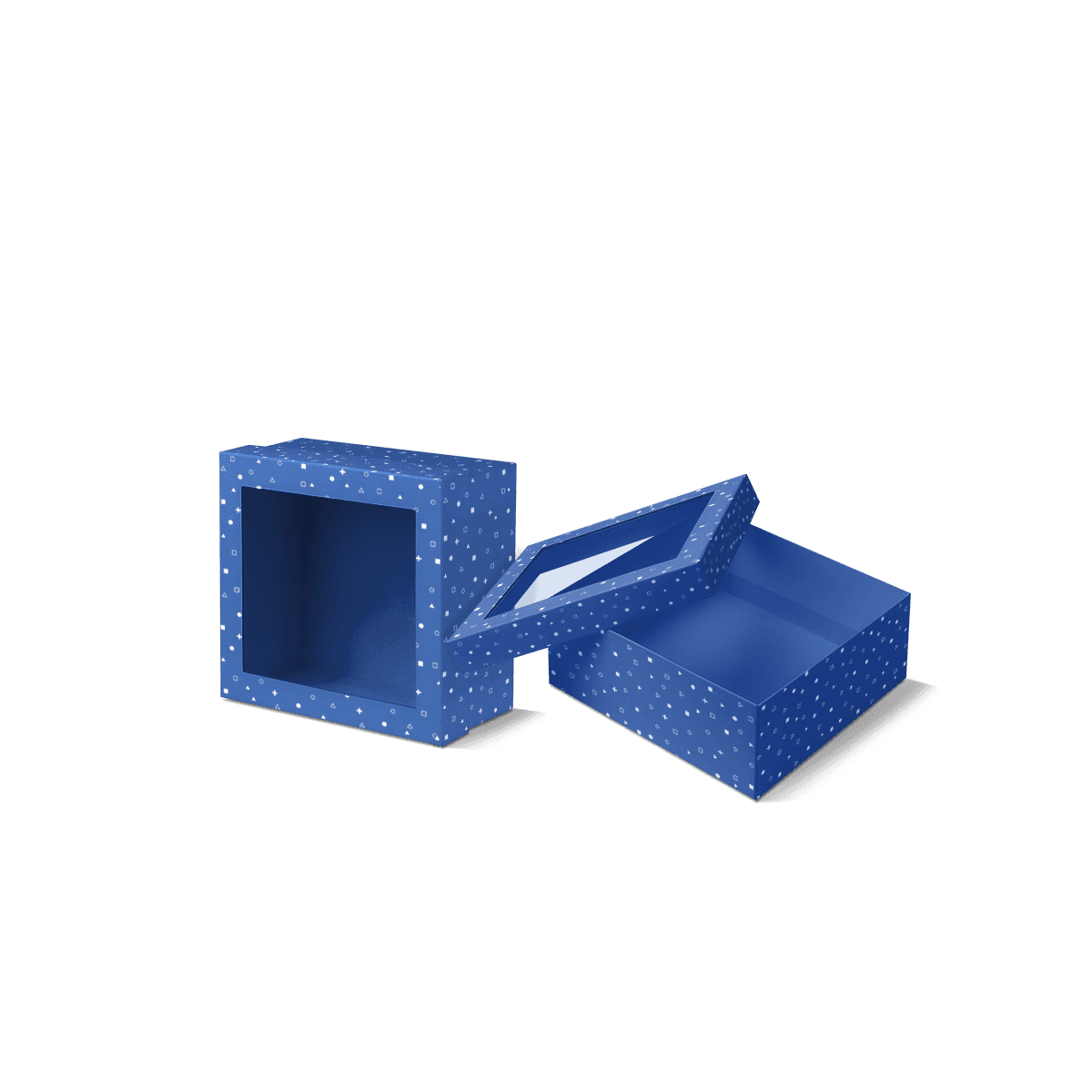
One practical situation is a 150 g reward pouch placed inside a tall window carton. Immediately after filling, the pouch reaches the viewing area. After normal handling, the treats settle lower and the window shows mostly empty pouch film. Moving the viewing area down, reducing unused headroom and testing the filled pouch after handling creates a much cleaner presentation. The change does not alter the product. It aligns the carton with how the contents actually behave.