The First Reseal Is the Real Test
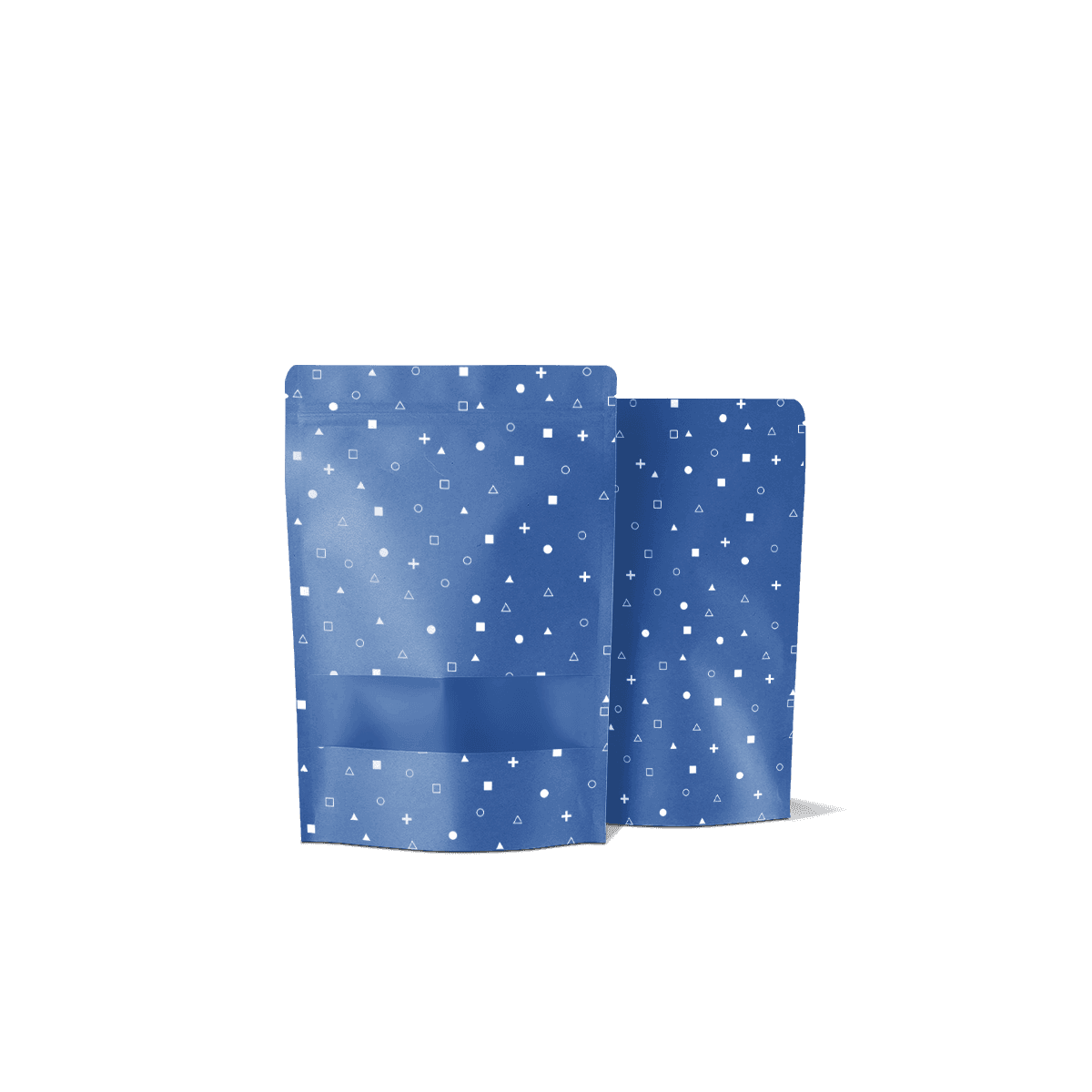
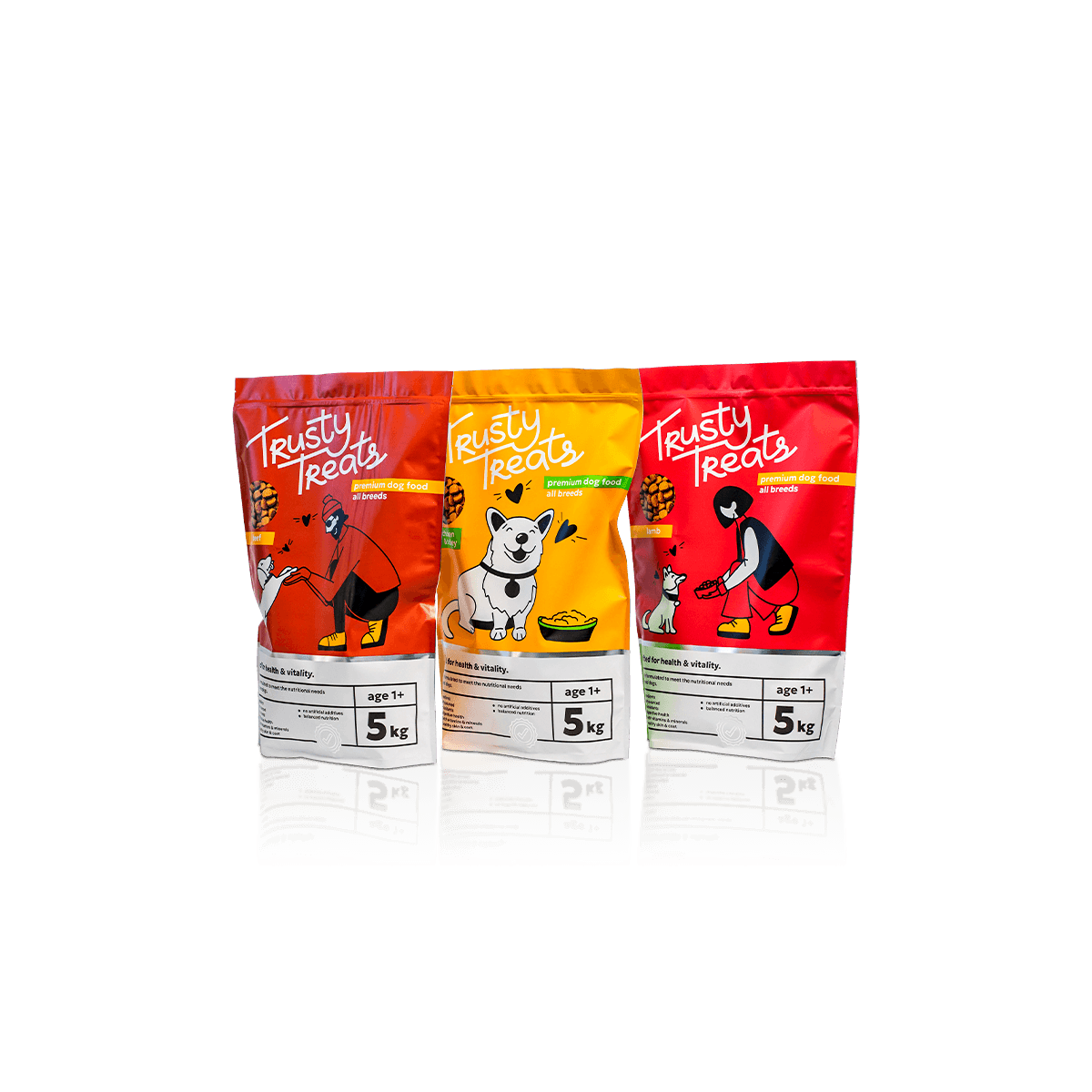
A dog treat pouch can look perfect when it leaves the filling line and still become awkward after a few rewards have been taken out. Custom Dog Treat Mylar Bags should be specified around repeated opening, because crumbs, oils, uneven pieces and falling fill levels all change how the pouch behaves after first use.
For dry biscuits, jerky strips, training bites and freeze-dried treats, the useful questions are practical: what can affect the product during storage, how often will the bag be opened, what reaches the zipper, how much headspace remains and whether the partly used pouch still stores neatly. The film, seal, closure and filled shape have to work together.
Treat Surface Changes the Risk
A dry baked biscuit and an oily meat strip should not automatically use the same laminate or closure specification. Crumbs can collect around the zipper. Oils can transfer to the inside surface. Strong aromas may make containment more important. Freeze-dried pieces may be light but vulnerable to moisture.
Start with the recipe behaviour and expected storage conditions, then define the barrier requirement. Do not treat the word “Mylar” or a metallic appearance as proof of a particular oxygen, moisture, aroma or light barrier.
Headspace Has a Job
Space above the product is not wasted if it keeps the closure usable. The pouch needs enough room for the first heat seal, tear feature where used, zipper access and normal handling without pushing treats into the closure track.
The correct amount depends on the product. A bulky, irregular chew can reach higher into the pouch than small training bites of the same weight. Size from a realistic filled sample or measured product volume rather than a generic gram capacity.