Skip to content
Details

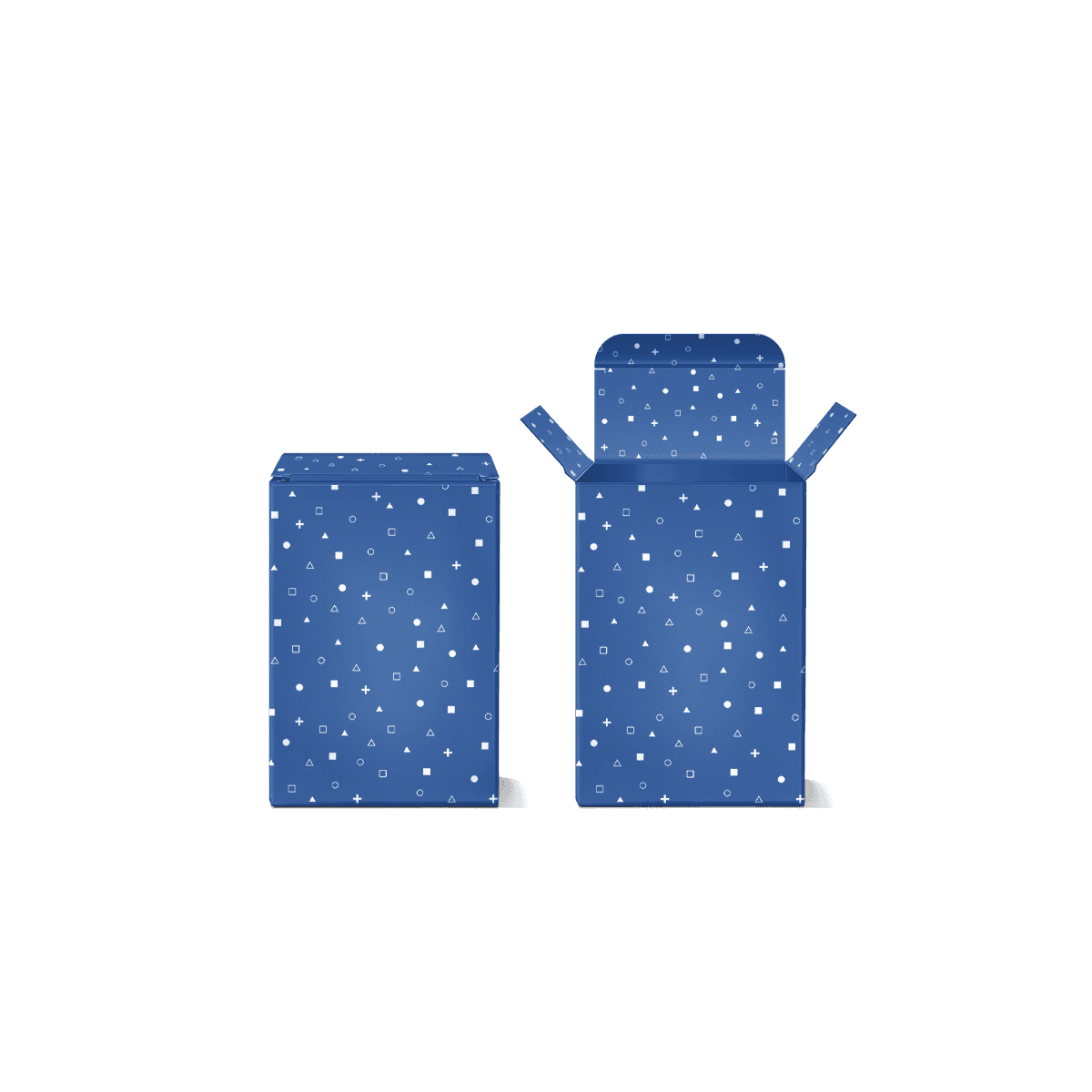
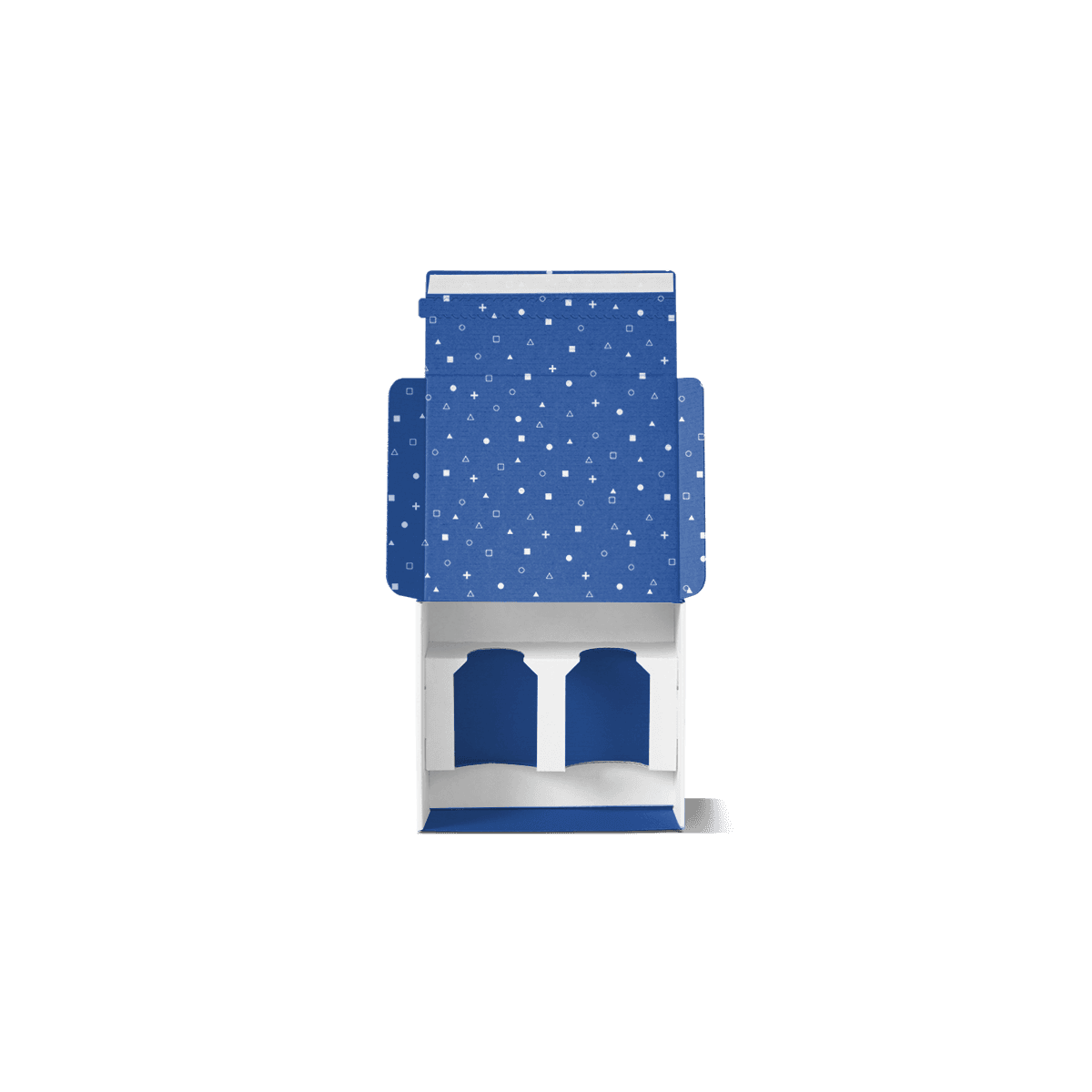
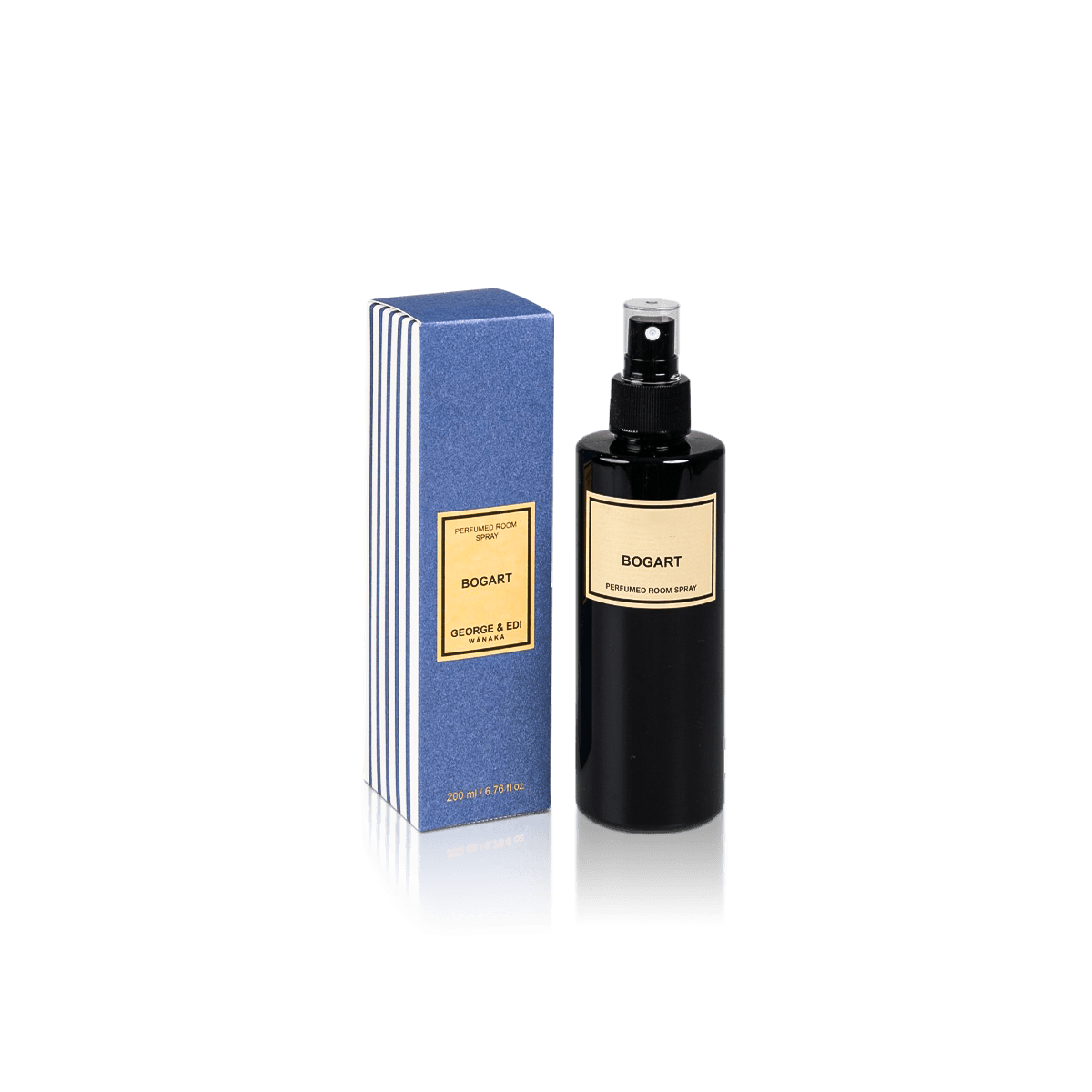
Custom Room Spray Boxes

Room Spray Boxes keep fragrance bottles presentable, stable and easier to merchandise, with enough space for branding, usage details and protective fit around the spray assembly for retail shelves, gifting and ecommerce fulfilment.

Map the Spray-Head Envelope

The top of a room spray bottle is usually more sensitive than the bottle body. A carton can look correctly sized around the glass and still press against the actuator, cap or collar every time the top flap closes. Custom Room Spray Boxes should therefore be planned from the highest finished point of the spray mechanism downwards, not simply from the nominal bottle volume.

That matters because a 100 ml bottle does not have one standard external shape. Different shoulders, pumps, caps and collars can change the real packed height and the amount of free space required above the product.

Measure the Closure in Its Selling State

Measure the bottle exactly as it enters the carton. If it is sold with a dust cap, include the cap. If the actuator remains exposed, measure the highest part of the pump and note whether pressing it could trigger the spray.

Do not rely only on a glass supplier's bottle dimensions. The pump assembly may add several millimetres above the neck, while a cap can also be wider than the bottle shoulder.

The sizing principles in what size tuck box do I need are useful here because caps, pumps, inserts and other components all belong in the final packed measurement.

Leave Headspace Without Creating Lift

Top clearance should prevent pressure on the spray mechanism, but excessive headroom creates another problem. A tall bottle can rise and fall inside the carton when it is tilted or handled.

If the product moves vertically, control that movement with the carton depth or a deliberate internal feature rather than filling the top with loose material. The objective is a bottle that remains stable while the pump stays unloaded.

Restrain Below the Pump Assembly

A tall room spray has leverage. Restraining only the base may still allow the neck and shoulder to swing, while holding only the upper bottle leaves the weight unsupported below. The strongest layout usually controls different movements at different points.

Keep Inserts Below the Moving Parts

Any upper restraint should stop below the actuator, cap mechanism or other moving parts of the closure. A collar that reaches too high can transfer compression into the pump when the carton is closed or stacked.

Mark a no-contact zone around the complete spray assembly, then place any locating feature against the stable bottle body or shoulder beneath it. The insert should control movement without becoming another source of pressure.

Use the Shoulder for Upper Control

When a tall bottle needs a second restraint point, use a stable shoulder or neck area below the pump rather than the actuator itself. The upper feature should only limit sway; the base and lower carton still carry the weight.

A free physical sample is useful here because it reveals whether the retainer catches the cap, rubs the label or makes filling awkward.

Match the Base to Filled Weight

Many room sprays work well in folding cartons because paperboard stores flat, prints cleanly and uses shelf space efficiently. The bottom closure still needs to match the actual loaded product.

A lightweight plastic spray and a heavy glass fragrance bottle should not automatically use the same carton simply because their capacities are both 100 ml.

Use Tuck Ends for Lighter Bottles

Custom Straight Tuck End Boxes can suit lighter room sprays where the base remains stable under the complete packed weight. Their clean front and rear panels also give fragrance brands useful space for scent identity, instructions and product information.

Check the filled carton rather than judging the empty sample. If the bottom panel bows, the bottle repeatedly loads the tuck flap or the lower closure begins to open under handling, the structure is asking too much from a simple base.

Strengthen the Bottom Before Thickening Everything

A heavier bottle may be better suited to Snap Lock Bottom Boxes or another stronger-base carton. Changing the closure can be more effective than increasing paperboard thickness across every panel.

This is especially relevant for tall glass sprays because most of the product weight sits over a small footprint. The carton should remain square when lifted and stacked rather than deforming around the bottle base.

Custom Packly can coordinate the carton, insert, dieline and print specification together, which is useful when base style and internal support affect the same dimensions. That full-service approach avoids solving each component separately.

Give the Carton a Different Job from the Label

The bottle label stays with the product after the box is discarded. The carton has temporary space that can carry information the label should not have to hold alone.

Use that difference deliberately. The front panel can establish the fragrance and brand while side and rear panels handle usage details, product information, barcode space and other required copy.

Keep Scent Recognition Fast

Room sprays often sit beside candles, diffusers and other fragrance products. Customers should be able to recognise the scent family quickly without reading several small panels.

A stable brand position combined with changing colour, scent name or illustration can separate variants while keeping the line visually coherent. Within Candles and Home Fragrance, that allows sprays to relate visually to candles and diffusers without forcing them into the same physical packaging.

Premium offset printing can support detailed fragrance artwork and controlled brand colours across repeat runs. Free 3D mockups are useful for checking whether the front, side and top panels still read in the intended order once the carton is folded.

Reserve Copy Space Before Finishes

Do not design every panel as decorative artwork and then squeeze directions or technical copy into the remaining gaps. Establish the information zones before foil, embossing or spot UV placement is finalised.

The approved packaging dieline should control panel orientation, safe areas, glue positions and fold relationships before detailed artwork is finished.

This is also where Custom Packly's 24/7 packaging support can be useful. Artwork questions are easier to solve before production files are locked than after panel positions have been approved.

Do Not Copy the Diffuser Carton

Room sprays and reed diffusers may share fragrances, bottle suppliers and retail displays, but their internal packaging should not be merged simply to make the collection look consistent.

A room spray usually has one assembled product. A diffuser combines a bottle with separate reeds and sometimes a stopper or instruction component. Those different contents change the carton footprint and packing sequence.

Reed Diffuser Boxes should therefore solve reed organisation as part of the specification. Room spray cartons can normally stay narrower and use their internal space to control the single tall bottle.

The visual link between the products can come from typography, colour, paper and finish rather than identical dimensions.

The same discipline applies when a home fragrance brand also sells perfume. Perfume Boxes may face similar pump and glass-bottle questions, but their retail positioning, bottle geometry and opening expectations can justify a different carton specification.

Make Manual Packing Easy to Check

A room spray carton should work at the packing bench as reliably as it looks on shelf. Tall cartons can become frustrating when the bottle catches an insert, an upper collar folds inward or the pump has to be manoeuvred past a narrow opening.

Test the filling movement before approving a large order.

Give the Bottle a Straight Loading Path

The bottle should enter in one obvious direction without forcing the spray head against the side panels. If an insert is used, its tabs and retaining features should stay out of the loading path until the product reaches its final position.

A structure that takes several adjustments per bottle may feel acceptable for twenty samples but become inefficient across hundreds or thousands of units.

MOQ starts from 100 boxes, so smaller fragrance launches can establish the correct packing method before moving into larger repeat production.

Make Pump Orientation Obvious

If the actuator, cap or front label has a defined facing direction, build that orientation into the packing instruction rather than relying on memory. The bottle should enter the carton in one repeatable position so the front panel, closure and any upper restraint stay aligned.

A simple visual reference at the packing bench is often more useful than adding another insert feature. Structural changes should be reserved for changes to the bottle or closure, not ordinary scent artwork.

Free samples can help check physical fit and finish where a new closure, bottle supplier or insert changes the approved product specification.

Put Courier Protection Outside the Retail Carton

A printed room spray carton can control retail handling and presentation, but it should not automatically be expected to survive exposed courier treatment. Glass bottles, pumps and liquid products can face drop forces and compression that are better managed by a secondary corrugated layer.

For ecommerce orders, the retail carton can sit inside a suitable mailer or shipping carton with appropriate internal restraint. The outer packaging handles transit while the printed carton arrives in better condition for the customer.

The distinction between paperboard, corrugated and rigid packaging is useful here because more decorative paperboard is not the same thing as stronger transit packaging.

When several room sprays are shipped together, separate the glass bottles so they cannot become impact points for each other. Inserts and Dividers can support grouped bottle layouts inside larger cartons where individual retail boxes alone do not provide enough separation.

Send the Spray-Head Profile

The most useful final input for a room spray carton is not simply “100 ml bottle”. Provide the full side profile of the finished component, especially the neck, pump, actuator and cap.

A side photograph or technical drawing with the overall bottle height, body width, shoulder width and highest closure point makes it easier to see where the carton needs clearance and where an upper retainer could safely sit. Also note the filled weight and whether the cap stays on during sale.

Use the custom packaging quote with that closure profile, the quantities required for each fragrance and whether the carton is retail-only or will sit inside ecommerce packaging. That gives the specification a real bottle to work around instead of forcing a generic carton onto a product described only by volume.

FAQs

Leave measured headspace, not guesswork. The carton needs enough top clearance to avoid pressing on the actuator or cap during packing and transport, but not so much that the bottle shifts vertically inside the box. Start with the full assembled bottle height, including collar and cap, then allow controlled tolerance based on insert use and packing conditions.

Usually yes, provided the board grade matches the bottle weight and the internal fit is properly planned. Many room spray products work well in folding cartons because they offer strong print quality and efficient storage. If the bottle is unusually heavy, very tall or part of a courier-led gift order, add bottle support or strengthen the secondary transit packaging rather than relying on decoration alone.

A room spray carton becomes the stronger route when the product is built around one bottle and spray assembly rather than a bottle plus separate reed bundle. Reed Diffuser Boxes need more internal organisation because the reeds must be positioned neatly alongside the vessel. Room Spray Boxes can usually stay more compact, which helps with shelf efficiency, gifting and repeat fulfilment.

Finishes that support a clean fragrance-led look usually perform best. Matte lamination, foil accents, embossing and selective gloss can all work well, especially when the bottle itself is visually simple and the carton carries more of the collection identity. The main check is handling. If the product will be packed in higher volumes or used in ecommerce campaigns, choose finishes that still look tidy after contact and stacking.

Start with the exact bottle dimensions, full packed height and the shape of the shoulder, collar and cap. Then confirm whether the bottle needs an insert, how much text must appear on pack and whether the carton is shelf-first, gift-led or dispatch-led. Those details affect board choice, top clearance, print layout and the final carton proportions.

Process

How it works

Your Packaging Journey, From Idea to Production and Delivery

01

Tell Us Your Specs

Custom packaging boxes

Tell Us Your Specs

Provide size, quantity, printing, and finishes.

02

Get a Fast Quote

Custom packaging boxes

Get a Fast Quote

Instant transparent pricing, no hidden fees.

03

Design and Approval

Custom packaging boxes

Design and Approval

Artwork checks, revisions, and final sign-off.

04

Produce

Custom packaging boxes

Produce

Expert manufacturing to meet deadlines.

05

Ship to Your Door

Custom packaging boxes

Ship to Your Door

Hassle-free, flexible delivery options.

Get Your Quote for Custom Room Spray Boxes

Share your product details, dimensions, quantity and artwork needs. We’ll help choose the right packaging style and send a clear quote.