Where the Second Wall Earns Its Place
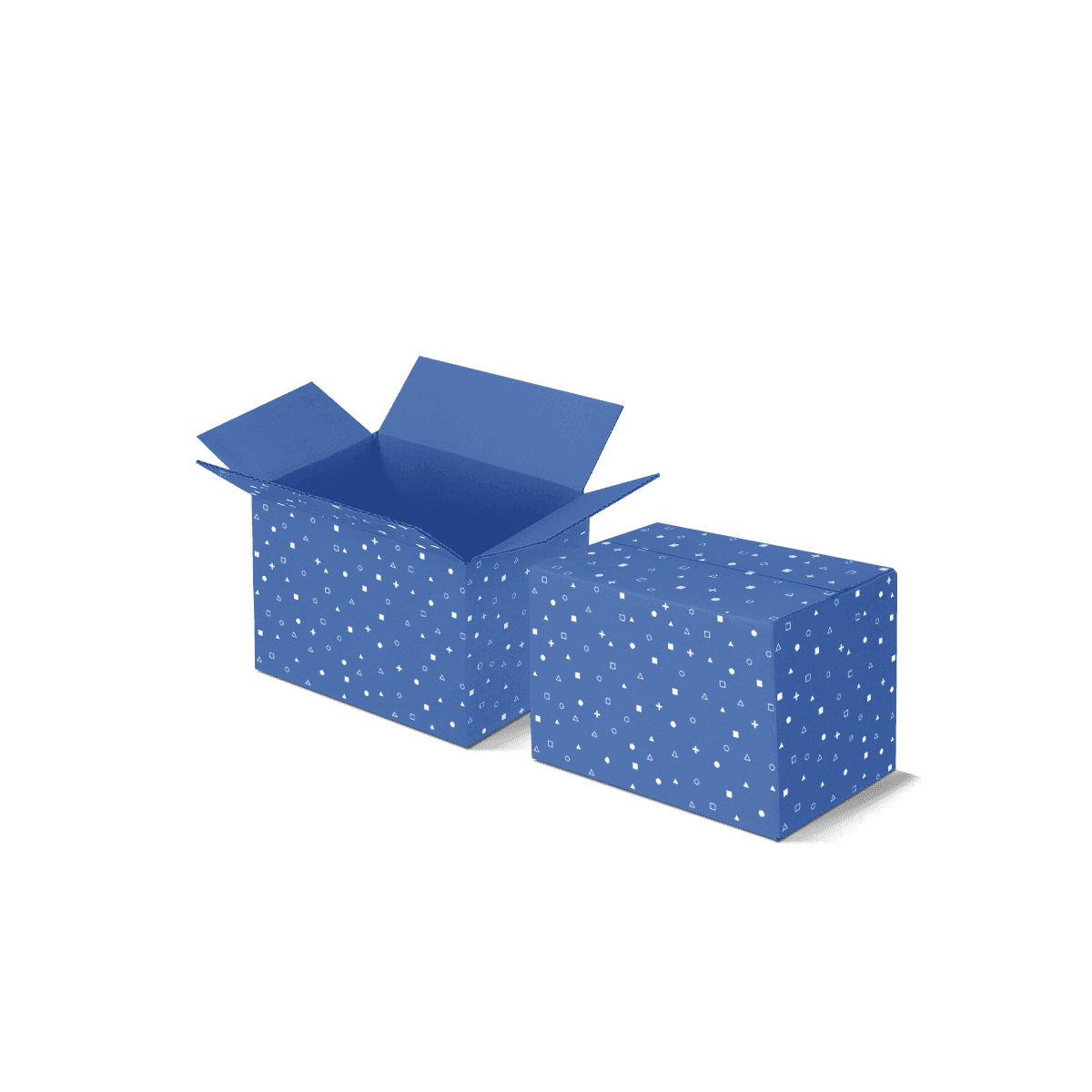
The move from single wall to double wall should answer a specific problem: the outer case is flexing, crushing or losing stability under the real packed load. Double wall corrugated board adds a second fluted medium and another liner, creating a stiffer material system for cartons that face higher compression, denser contents or more demanding handling.
That does not mean every heavy, fragile or valuable product automatically needs Custom Double Wall Shipping Boxes. A lighter case can be enough when the carton is compact, well supported from inside and moved through a straightforward route. The upgrade earns its cost and extra material when the existing outer case is the part that needs more support.
For material context, paperboard, corrugated and rigid packaging explains why corrugated is normally the transit choice while other materials solve different presentation and structural jobs.
Wall Bowing Is a Better Signal Than Fragility
Fragility describes the product, not the failure mechanism. A glass item can break inside a perfectly intact carton because it was allowed to move. A dense metal component can arrive undamaged but leave a lighter case bowed or crushed after stacking.
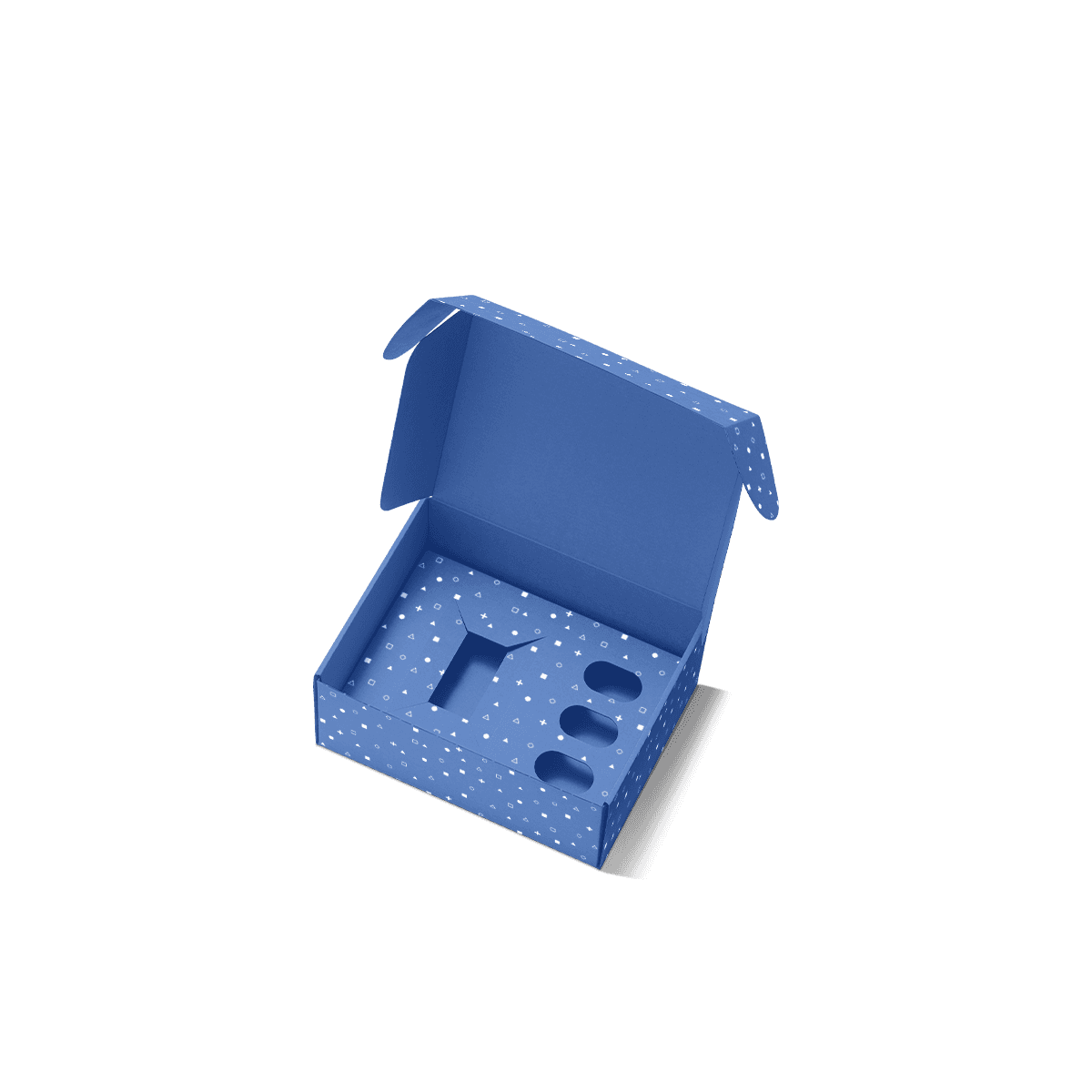
Double wall is most useful when the carton itself needs more rigidity, compression resistance or support around the load. If the outer case is arriving square and undamaged, moving to a heavier board may add cost without fixing the actual cause of damage.
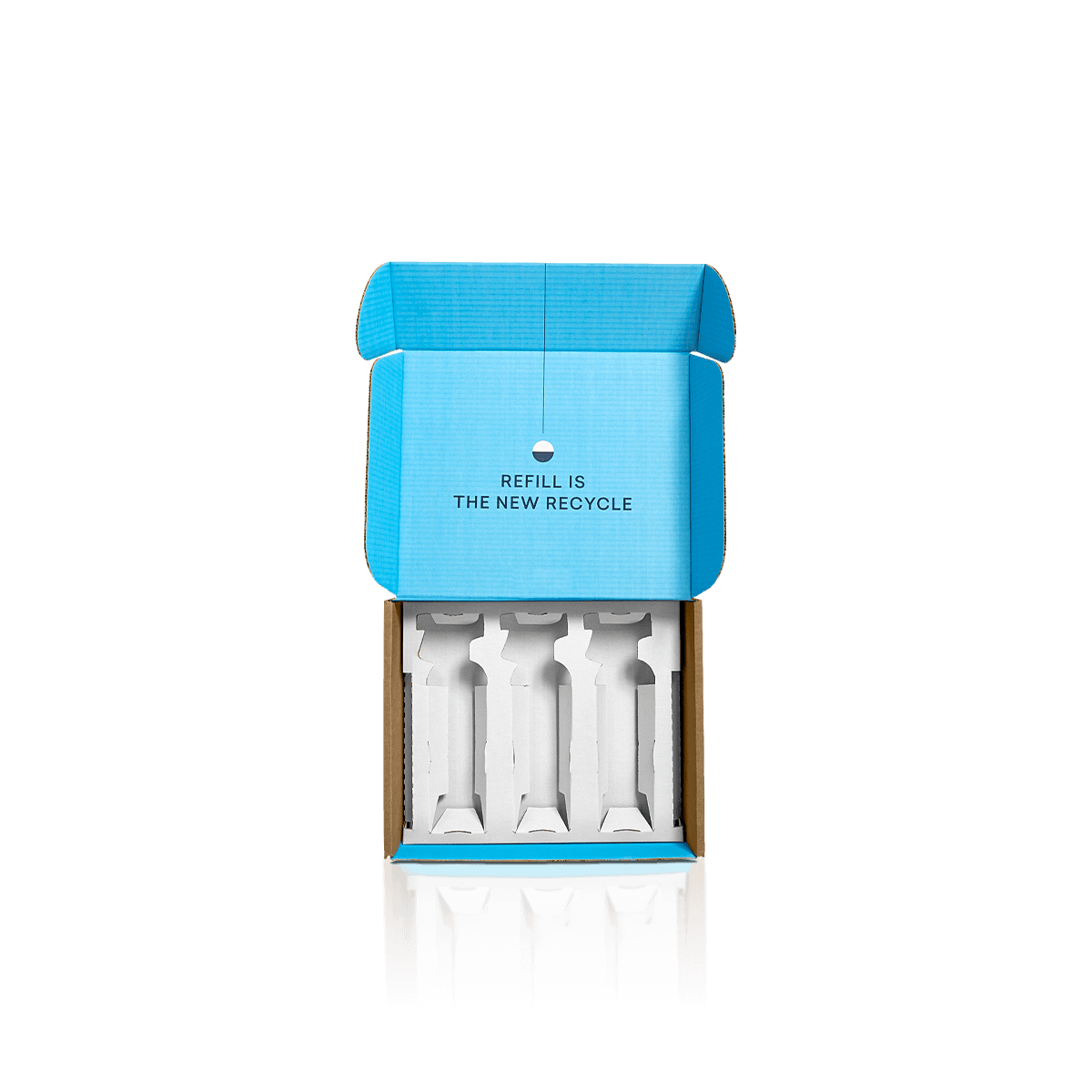
The distinction matters enough that stronger box, insert or both should be decided from the evidence of failure rather than the product label alone.
Large Cases Can Need More Support at Moderate Weight
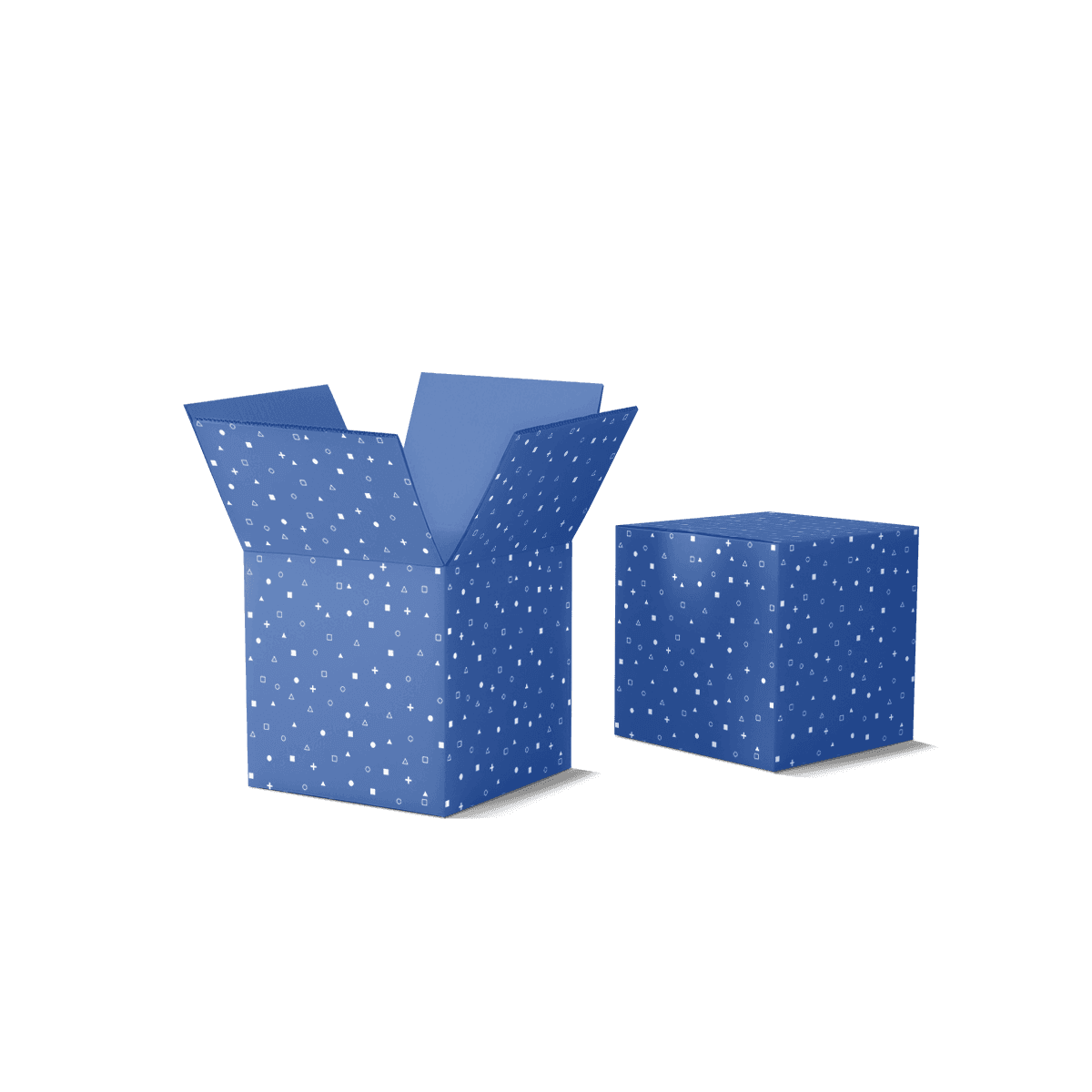
Packed weight is important, but carton dimensions change how that weight is carried. A tall side panel or broad top face has more unsupported area than a compact case, so a larger carton can lose shape even when the total load would not sound especially heavy.
The useful question is not simply “How many kilograms are inside?” It is also “How large is the case, where is the weight sitting and what pressure will the panels carry while stacked?”