Skip to content
Details

Custom E-commerce Postal Boxes

E-commerce Postal Boxes are designed for slimmer online orders that need dependable transit cover, cleaner postal presentation and efficient dispatch. They help brands ship flat or low-profile products with less bulk and better control over postage.

The Parcel Is Finished Only After It Is Closed

Custom E-commerce Postal Boxes should be specified from the finished parcel backwards. A product can fit neatly inside an empty box and still create the wrong postal result once the lid, insert, leaflet, shipping label and sealing method are added.

That distinction matters for online stores because dispatch cost and handling depend on what leaves the packing bench, not what the blank looked like before it was filled. The useful specification therefore records both the internal space needed by the order and the external parcel profile after the box has been packed and closed.

This is where E-commerce Postal Boxes earn a separate role from general mailers. Their priority is compact online-order dispatch: controlled parcel dimensions, fast closing, a usable label face and enough corrugated support for routine post or courier handling.

Measure Internal Fit and External Parcel Size Separately

Internal dimensions answer one question: will the products, wrapping and any insert fit without pressure or excessive movement?

External dimensions answer another: what size parcel are you actually handing to the carrier?

Do not assume the two differ by a fixed amount. Corrugated thickness, rolled edges, folded tabs, double layers and closure geometry all affect the finished exterior. If a carrier service or postal band matters to the order economics, check the current carrier limits against a packed production sample rather than relying on the internal dieline dimensions.

The same principle appears in Custom Packly's advice on packaging cost mistakes: unused space is not harmless when it increases material, filler, storage and delivery volume.

Check What Happens When the Lid Is Loaded

A parcel can measure correctly while empty and become deeper when it is actually filled. Tissue, a leaflet placed over the product, a raised insert or a product sitting above its intended cavity can lift the lid.

That lift can also put pressure on a tuck, adhesive strip or front wall. If the box needs force to stay closed, increasing the seal strength is usually treating the symptom. Recheck the internal stack height first.

A free sample is useful when the packed profile is close to an important postal limit or when the closure has very little spare depth.
Set Size Boundaries From the Finished Parcel

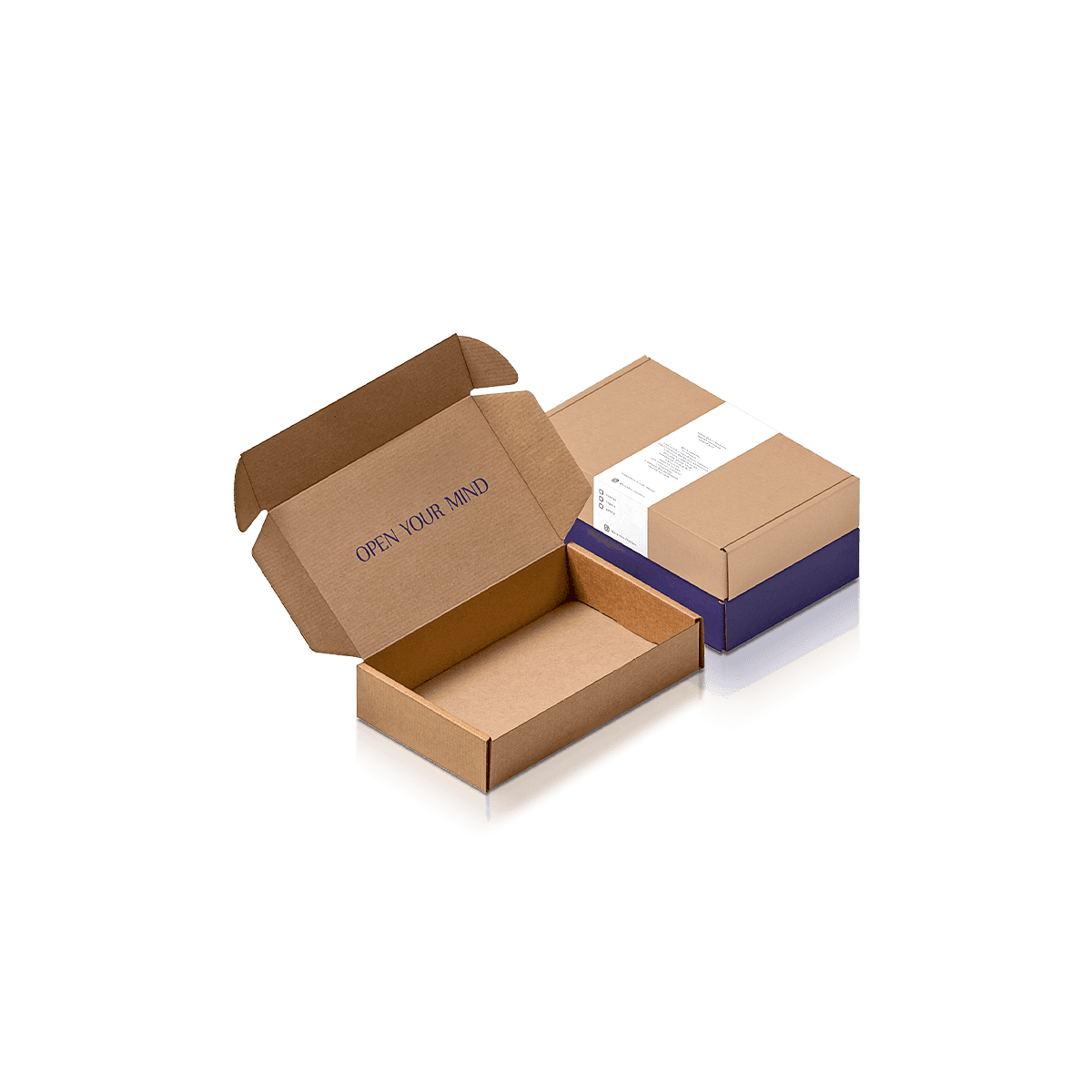
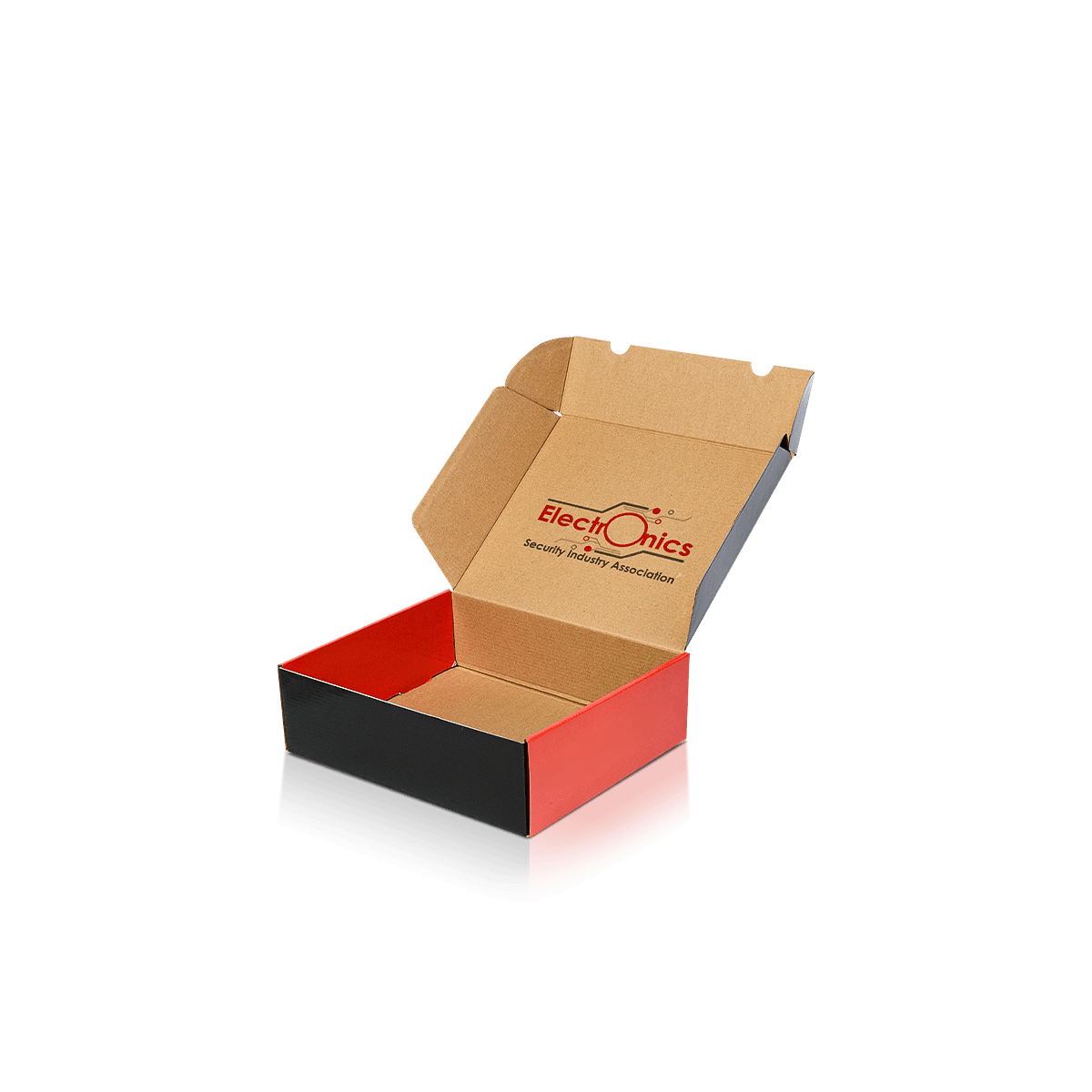
E-commerce Postal Boxes should earn their size from the closed parcel profile. Start with the external length, width and depth created by the product, insert, closure and normal packing method, then decide whether another size changes the dispatch outcome enough to justify another stock line.

Define the Maximum Packed Profile

Record the largest routine packed profile that should still use this postal size. Include insert height, lid lift and the normal closing method rather than relying on bare product dimensions.

If a carrier service or internal dispatch band matters, validate the closed box against the current limit before production. The external parcel is the figure that leaves the packing bench.

Add a Shallower Tier Only When It Changes Dispatch

An accessories store may send phone cases alone and case-plus-charger sets. If the 85 mm-deep box is only needed for the charger orders, the case-only shipment should not inherit that depth by default.

A shallower postal box can create a cleaner external parcel profile for the flat order while the deeper size remains reserved for mixed sets. The second size earns its place because it changes the packed parcel, not simply because another SKU exists.

This keeps the good example but changes its purpose from general basket architecture to postal-profile control.

Packing Bench Features Need to Earn Their Space

Postal packaging is handled many times before the customer sees it. Assembly, picking, filling, sealing, labelling and sometimes return preparation all happen at the dispatch end.

For a growing online store, small structural decisions can matter more than decorative extras because they repeat across every order.

Choose the Closure Around the Packing Method

A straightforward tuck closure can work well for controlled light-to-medium orders. Adhesive strips can reduce separate taping where the structure supports them. Tear strips can improve opening when a clean first access matters.

Do not add both features automatically. They use dieline space and can affect how the lid behaves. Choose them because they improve the actual workflow.

If returns are common, decide whether the customer is expected to reuse the same box. A return-ready second adhesive strip can be valuable for some ecommerce operations, but it should be planned as part of the closure rather than added as an afterthought.

Reserve an Uninterrupted Shipping Label Zone

Exterior artwork should leave a predictable label area. Avoid placing the main logo, regulatory text, QR code or a critical visual element where the dispatch label normally sits.

The label face also needs to stay reasonably flat. A fold, tab edge or heavily textured finish under the label can make application less reliable.

When several postal sizes are used, keep the label zone in a similar position where the structures allow it. That makes packing instructions easier to standardise and reduces hesitation at the bench.

The packaging dieline workflow is useful here because the shipping-label area, artwork safe zones and closure features should be considered on the flat layout before print.

Postal Protection Starts With Movement, Not Flute Names

Corrugated board gives E-commerce Postal Boxes their delivery structure, but flute choice should follow the packed order rather than lead the decision.

A stronger wall will not solve a box that is much too large. Likewise, an efficient close fit still needs enough board strength for the weight, panel span and normal handling conditions.

Use Corrugated Strength Where the Parcel Needs It

For compact light-to-medium ecommerce orders, a finer corrugated profile can keep the box relatively slim while still providing useful stiffness and a good printable surface. Deeper, heavier or more vulnerable orders may need greater flute depth or a stronger board combination.

The correct choice depends on more than weight. Long unsupported panels, concentrated loads and stacking can change how the carton behaves.

For projects where corrugated specification is the main issue, Mailer Boxes covers deeper structural decisions. E-commerce Postal Boxes should stay focused on how that structure supports efficient online dispatch.

Add Internal Support Only Where Movement Requires It

An insert is useful when a product can collide, rotate, scuff or arrive in the wrong position. It is not automatically necessary just because the parcel is branded.

Inserts and Dividers can create defined cells, shaped support or separation for multi-item orders. Keep the insert as compact as the protection task allows because unnecessary insert height can push the entire parcel into a less efficient external profile.

This is another reason to test the complete filled box, not the outer carton and insert as separate projects.

Branding Has to Survive the Delivery Route

An ecommerce postal box is a shipping surface before it becomes an unboxing surface. Artwork should be planned for handling, labels and scuff exposure rather than treated like retail graphics protected on a shelf.

Custom Packly can use premium offset printing, CMYK and Pantone colour where the artwork and run justify them, but the design should still respect the parcel's operational areas.

Keep the Outside Recognisable, Not Overworked

A strong exterior can be as simple as a controlled brand colour, logo, pattern or short line of copy. Leave enough quiet space for the delivery label and any operational marking required by the fulfilment process.

Large uninterrupted dark areas can show rubbing more visibly than some lighter or patterned designs. That does not make dark print unsuitable, but the expected delivery environment should influence the artwork and finish choice.

Move the Richer Brand Moment Inside When Useful

Inside print is protected until opening, making it a good place for stronger colour, product instructions, campaign graphics or a repeat-purchase message.

That split can be commercially useful: the outside stays practical for dispatch while the inside carries more of the customer experience.

Free 3D mockups help check how exterior artwork, the label zone and inside print work across the assembled box before production. Custom Packly’s experienced packaging team can coordinate dielines, artwork, printing, finishes and repeat production as one connected specification rather than treating each stage as a separate problem.

Separate Postal Intent From Nearby Box Types

The E-commerce and Subscription area includes several delivery-led products, but they should not all answer the same query. E-commerce and Subscription is useful when the packaging decision starts from the sales and fulfilment use case rather than one particular box structure.

For this product, the deciding question is simple: does the business need a compact branded parcel system for routine ecommerce dispatch?

Choose Letterbox Boxes When Through-Door Delivery Leads

Letterbox Boxes should take priority when keeping the finished order shallow enough for through-door delivery is the main objective.

That requires stricter depth discipline than a general ecommerce postal box. If the product mix varies in height, needs bulky cushioning or regularly exceeds the intended shallow profile, a standard postal format gives more freedom.

Choose Ecommerce Mailer Boxes When Presentation Leads

Custom Ecommerce Mailer Boxes handle more presentation and fulfilment variables. They can prioritise branded opening, inserts, returns, mixed order sizes and fuller unboxing presentation across online retail.

E-commerce Postal Boxes should remain the leaner decision when postal footprint, fast dispatch and compact parcel handling matter more than an elaborate reveal.

Move to Shipping Boxes for Heavier Transit Loads

Shipping Boxes are the stronger direction when product weight, stacking pressure, bulk movement or higher transit risk becomes the dominant issue.

Trying to make a compact postal box carry a heavy shipping job by continually increasing the material specification can produce a less efficient solution than choosing a shipping carton built for that task.

Control Repeat Sizes Before Stock Starts to Multiply

Once several postal boxes are in regular use, specification control becomes more important than adding more options.

Give each approved size a clear internal dimension, external packed target, board specification, artwork version and closure description. That record helps purchasing, design and fulfilment teams refer to the same box.

Use Size Codes That Match the Packing Bench

Simple internal names such as P1, P2 and P3 can work better than informal descriptions such as small, medium and large, especially when two boxes have similar footprints but different depths.

Packing instructions can then state which order profile goes into each code. If the product mix changes, review the order data before adding another size.

Separate Replenishment From On-Site Storage

MOQ starts from 100 boxes, which allows a business to establish or test a postal specification without committing every size to a large first run.

When volumes become predictable, bulk custom boxes can support larger quantities, repeat specifications, warehousing and scheduled deliveries. That lets higher-volume ecommerce operations plan supply without forcing all finished stock into the fulfilment space at once.

Scheduled deliveries can replenish approved postal sizes against their actual usage without forcing the fulfilment area to hold the full produced quantity at once.

Start With the Highest-Volume Postal Profile

Do not launch every proposed postal size at once. Start with the profile that covers the largest share of routine orders and validate the finished external dimensions, closure, label position and internal fit under normal packing conditions.

Once that size is proven, add another only where dispatch data shows a recurring gap. The Dieline Generator can establish the structural layout, while the checks used to compare custom mailer box quotes help ensure suppliers are pricing the same board, print, closure and insert specification.

Submit the first approved profile through the custom packaging quote, then expand the postal system from proven dispatch needs rather than a speculative size matrix.

FAQs

They suit flatter and lighter online orders best. Folded clothing, books, notebooks, brochures, stationery, art prints, slim gift sets and smaller accessories are common examples. The key is profile rather than product category alone. If the order stacks too high, contains fragile shapes or needs layered presentation, a deeper E-commerce Mailer Box may be the safer choice.

Postal boxes are usually the better choice when the order is shallow, compact and easier to send in a tighter postal footprint. Mailer boxes become stronger when the contents need more depth, more internal presentation or heavier-duty support. In simple terms, postal boxes favour slim dispatch efficiency, while mailer cartons allow more room for inserts, tissue and fuller unboxing layouts.

Not always. Some E-commerce Postal Boxes are designed specifically to stay within large letter limits, while others are made for small parcel use with a flat but slightly deeper structure. That is why size confirmation matters early. Check the final packed dimensions, not just the product size, before fixing the specification around any postage band.

Yes, and that is one of their strengths. The flatter outer surface gives clean space for logo placement, colour printing, campaign graphics and simple opening instructions. Internal print can also be added when the order needs a stronger branded reveal. If the box is also a presentation touchpoint, artwork should be planned around courier labels and opening panels from the start.

Confirm the final packed height, total order weight, target postal band, board grade and whether inserts or information cards are included. It also helps to check how the box will be stored and packed in the warehouse, because shallow postal cartons can vary a lot in practical usability. Those details affect both structural performance and postage efficiency.

Process

How it works

Your Packaging Journey, From Idea to Production and Delivery

01

Tell Us Your Specs

Custom packaging boxes

Tell Us Your Specs

Provide size, quantity, printing, and finishes.

02

Get a Fast Quote

Custom packaging boxes

Get a Fast Quote

Instant transparent pricing, no hidden fees.

03

Design and Approval

Custom packaging boxes

Design and Approval

Artwork checks, revisions, and final sign-off.

04

Produce

Custom packaging boxes

Produce

Expert manufacturing to meet deadlines.

05

Ship to Your Door

Custom packaging boxes

Ship to Your Door

Hassle-free, flexible delivery options.

Get Your Quote for Custom E-commerce Postal Boxes

Share your product details, dimensions, quantity and artwork needs. We’ll help choose the right packaging style and send a clear quote.




