Skip to content
Details

Custom Fragile Product Mailer Boxes

Fragile Product Mailer Boxes are designed for breakable, crush-sensitive or presentation-led items that need stronger support in transit. They pair corrugated protection with inserts, tighter sizing and cleaner internal organisation for safer shipped delivery.

Protect the Weakest Part, Not the Whole Product Equally

Custom Fragile Product Mailer Boxes should be planned around the part of the product least able to tolerate impact, pressure or rubbing. A ceramic mug may have a strong body but a vulnerable handle. A glass bottle may survive pressure around the base while its pump or dropper needs clearance. A coated metal item may remain structurally sound yet arrive unacceptable if its visible surface is scuffed.

That changes how the mailer should be sized and supported. Protection is not simply a matter of adding thicker corrugated board around everything. The outer box, internal support and empty space should each respond to a specific risk.

For fragile ecommerce orders, identify the failure you are trying to prevent before deciding on flute, insert depth or extra cushioning. The detailed breakdown of stronger box, insert or both goes deeper into diagnosing outer-carton failure versus internal movement. This section focuses on turning that diagnosis into a mailer specification.

Find the Part That Must Not Take Load

Look for handles, pumps, lids, necks, corners, connectors, decorated faces and other features that should not become pressure points. The insert should normally carry the product through stronger areas while leaving vulnerable features clear.

A support that grips the wrong feature can make the packaging itself part of the problem. For example, locating a bottle tightly around a delicate pump may stop side movement but transfer impact directly into the closure.

Treat Cosmetic Damage as Real Failure

Fragility is not limited to breakage. A premium jar, plated accessory, polished component or printed retail carton can be physically intact and still be unsuitable for the customer if visible surfaces rub during delivery.

Where appearance matters, prevent item-to-item contact and uncontrolled contact with the outer wall. Tissue or sleeves can help with light abrasion, but defined positioning is more dependable when the same order is packed repeatedly.
Build Clearance Around Vulnerable Features

Clearance should protect a weak feature without giving the whole product freedom to move. That balance is where many fragile mailers succeed or fail.

A larger cavity is not automatically safer. If the product can accelerate across empty space before hitting the box wall, extra room can increase the force of contact. Useful clearance is local and controlled.

Support the Strong Area and Free the Weak Area

Consider a ceramic mug packed for ecommerce delivery. The mug body can tolerate support around its lower wall, but the handle should not carry side pressure. If the mailer is simply made wider so nothing touches the handle, the whole mug can move across the extra space.

A better direction is a folded corrugated cradle that supports the body, prevents rotation and leaves a protected void around the handle. A top restraint can then limit vertical travel without pressing directly onto the rim. The result is controlled movement around the strong areas while the vulnerable handle remains clear.

The same logic can be applied to bottle pumps, protruding controls, decorated corners and other product-specific weak points. The support does not need to touch every surface. It needs to control the movements that create risk.

Check Clearance After the Lid Closes

A product can look safely positioned in an open mailer and become loaded once the lid folds down. Internal tabs, literature, tissue or an insert can raise the packed height enough for the top panel to press on a delicate component.

Check the fully closed box, then turn it onto each side. If the load shifts onto a feature that should remain free, adjust the height or support geometry before artwork is finalised.

Free samples are particularly useful where the weak point is difficult to judge from measurements alone.

Control Movement in Every Direction

A snug footprint does not guarantee a secure mailer. The product can still move vertically, rotate within its cavity or strike another item when the parcel changes orientation.

Fragile ecommerce packaging should be checked as a three-dimensional restraint system rather than a neat top-down layout.

Limit Side Travel Without Creating a Press Fit

The product should load without force. An insert that is so tight that packers have to push the item into position can damage retail cartons, labels or delicate finishes and can slow down fulfilment.

Allow practical packing clearance, then use folds, shoulders, tabs or dividers to stop meaningful travel. The right tolerance depends on the product material, weight and surface sensitivity, so there is no useful universal gap that applies to every fragile item.

Do Not Forget Vertical Travel

Vertical space is easy to miss because the product appears stable when the open mailer is sitting flat on a bench. Once the parcel is inverted, an unsupported item can strike the lid.

Use the finished internal height, insert geometry and any top pad or folded support to control that movement. Avoid pressing down on pumps, caps or brittle edges simply to remove headroom.

Stop Products Becoming Each Other's Impact Surface

Multi-item sets need positive separation when the items could chip, scratch or break one another. A strong outer mailer cannot prevent two glass products colliding inside it.

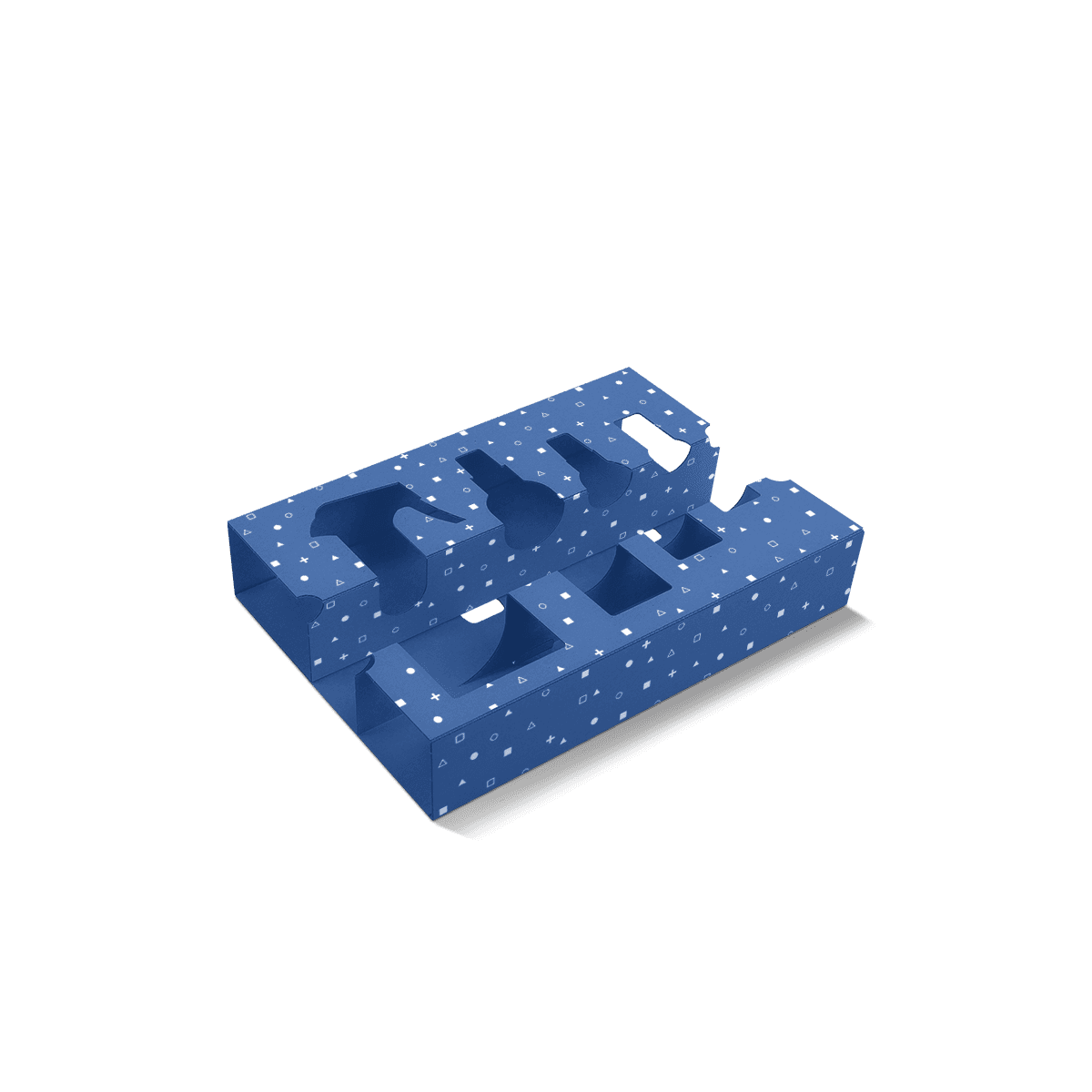
Dividers, individual cells or shaped supports should maintain separation during handling, not just when the parcel is displayed open. If several products need precise positions, Die Cut Inserts can combine product control with a cleaner presentation.

Give the Outer Mailer and Insert Different Jobs

The outer mailer and internal support should not be competing solutions. They manage different parts of the delivery risk.

Corrugated walls deal with external handling, panel flex, stacking and general impact. The insert controls the product's position, orientation and contact points. Fragile orders often need both, but each component should earn its place.

Strengthen the Mailer When the Outer Structure Is the Weak Link

If the carton bows under the packed weight, corners crush easily or panels lose shape in realistic stacking, review the corrugated specification.

Corrugated Mailer Boxes provide the deeper structural route for flute, board and transit-fit decisions. The required strength should follow packed weight, unsupported panel span and the handling journey rather than the word “fragile” on its own.

Increasing board strength is useful only when external load is part of the actual problem.

Improve the Insert When the Box Arrives Intact but the Product Does Not

If the outer mailer consistently retains its shape while the contents rotate, collide or arrive scuffed, changing the internal fit is usually the more direct response.

A simple divider may solve item-to-item contact. A folded cradle may hold one irregular product at safer support points. A shaped die-cut insert may be appropriate when precise positioning and presentation both matter.

The insert should solve the movement pattern with as few components as practical.

Use Both When the Product Is Heavy and Delicate

Dense glass, ceramics and multi-item sets can create two separate demands: the outer mailer needs enough rigidity for the load and the products need controlled positions inside it.

Treat the assembly as one protective system. Do not expect a heavier wall to replace internal separation, and do not expect a delicate paper insert to compensate for an outer carton that cannot carry the packed weight.

If the material choice itself is still unresolved, paperboard, corrugated and rigid packaging solve different combinations of transit strength, presentation and storage.

Size the Box Around the Finished Protective Assembly

The correct mailer dimensions come from the product after its protective components have been added. Measuring the bare product and guessing how much room an insert will need is a weak starting point.

Assemble the intended support first, place the real product inside it and then measure the complete unit.

Include Every Component That Changes the Fit

Account for the product, retail carton where present, insert, dividers, sleeves, protective tissue, instructions and any accessory that occupies the same cavity.

Board thickness and folded corrugated walls also reduce usable internal space. A dieline can appear generous while the formed box becomes much tighter once double layers and rolled edges are in place.

The Dieline Generator can help establish supported mailer dimensions and panel geometry. Where fragility is critical, physical approval should still use the actual packed product.

Remove Empty Space Before Adding More Filler

If the box is substantially larger than the finished assembly, ask whether the size can be reduced before adding loose material.

Void fill can be useful for some lightweight products, but it should not become a permanent substitute for correct dimensions. Smaller controlled gaps make it easier for inserts and dividers to do their job consistently.

A close fit can also improve presentation because the product opens in the position intended rather than settling wherever the journey leaves it.

Match the Internal Support to the Failure Pattern

No insert material or style is automatically best for fragile products. Choose the simplest internal support that controls the identified risk and can be packed consistently.

Use Dividers for Repeated Products That Must Stay Apart

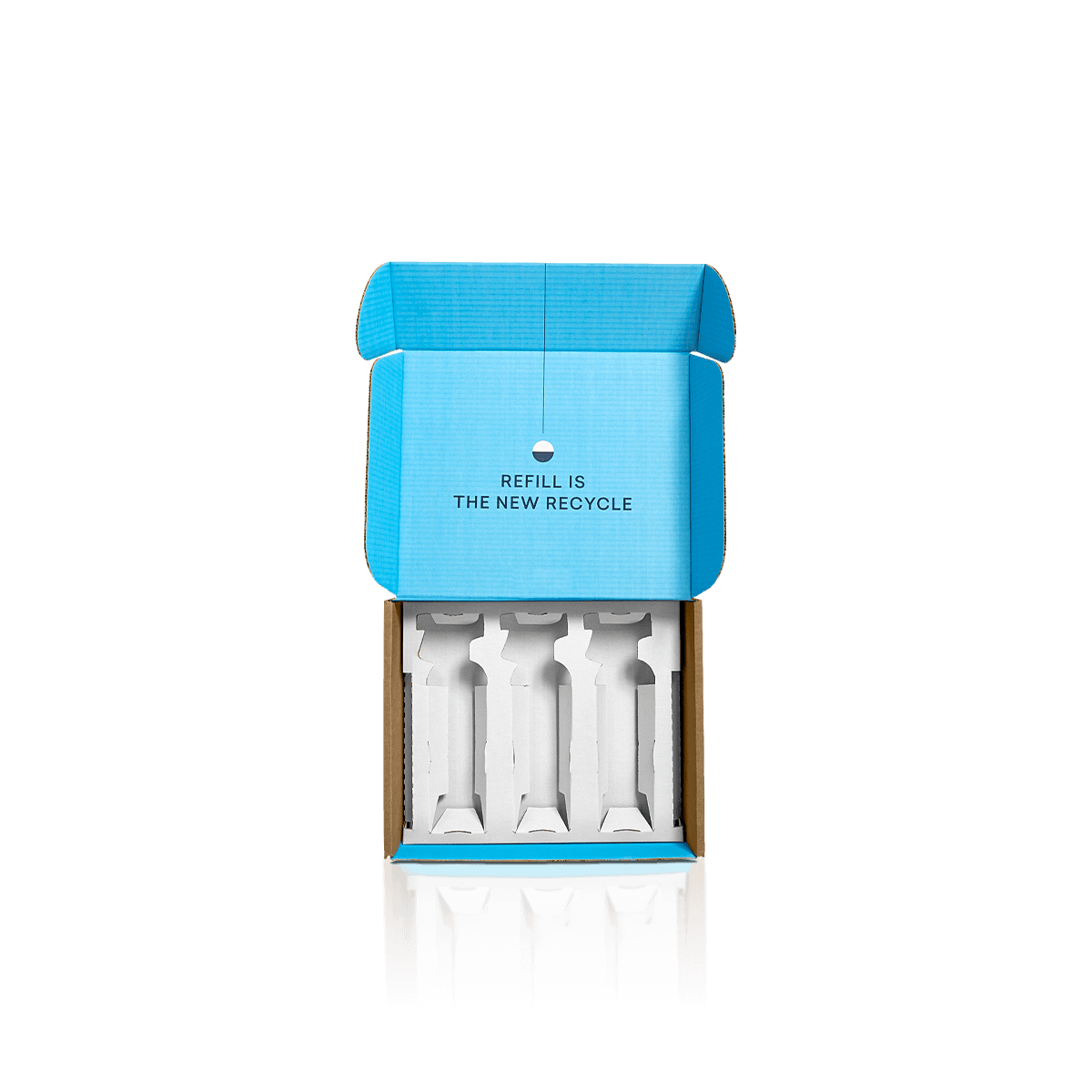
Slotted or folded dividers work well where bottles, jars or similar items share a mailer and item-to-item contact is the main concern.

The cells should allow easy loading while preventing products from crossing into one another's space. Check the divider height as well as the cell width because low partitions may stop base movement while leaving upper sections free to collide.

Use Cradles for Products With Safe Support Zones

A cradle is useful when the product has clear areas that can carry load and other areas that need clearance. It can raise, suspend or locate an item without enclosing the entire shape.

This can work well for ceramics, shaped homeware and products with protruding features. Folded corrugated cradles can also add local stiffness without filling the entire mailer with material.

Use Shaped Inserts When Position and Presentation Both Matter

Die-cut paperboard or corrugated inserts can hold mixed items in predetermined positions and produce a more controlled opening.

Keep removal in mind. Finger notches and access gaps should sit beside safe gripping points, not fragile closures or decorative surfaces.

Custom Packly provides free 3D mockups and design support for custom insert layouts. The team can coordinate the mailer, dieline, internal support and print as one specification rather than treating the insert as a late addition.

Make the Protection Repeatable at the Packing Bench

A fragile-mailer design is commercially useful only if the packing team can reproduce it without careful hand-adjustment on every order.

Complexity should solve a risk. Extra folds, loose pads and multiple pieces can become inconsistent once daily order volume rises.

Make Correct Loading Obvious

The insert should have a clear orientation and the product should naturally settle into the intended position. If a component can be installed backwards, decide whether tabs, shape or simple markings can remove that ambiguity.

For multi-product orders, keep the loading order consistent. Products that require special orientation should not depend on the packer remembering an undocumented rule.

Check Several Packs, Not One Perfect Prototype

A single carefully assembled sample can hide a difficult process. Pack several units using normal working speed and check whether the same fit, closure and product position can be reproduced.

Look for inserts that spring out of place, cavities that are too tight, tabs that catch on the product and lids that need pressure to close.

The objective is not a prototype that works once. It is a specification that remains practical across repeat fulfilment.

For ecommerce operations where mixed orders, returns and general packing speed matter more than fragility, Custom Ecommerce Mailer Boxes cover that broader fulfilment problem.

Protect the Finish as Well as the Product

A protective mailer still represents the brand when it reaches the customer. Fragile packaging does not need to look industrial, but decorative choices should respect the handling route.

Keep High-Wear Areas Practical

External corners, fold lines and the base see more handling than protected inner panels. Consider that exposure before placing a delicate finish or critical artwork detail in those areas.

Premium offset printing can support detailed colour and branding across suitable runs. Matte, gloss, soft-touch, foil, spot UV, embossing and debossing should be chosen for a clear visual reason rather than added to make the specification feel premium.

For scratch-sensitive products, the internal surfaces matter just as much. A printed insert or tissue layer can help with presentation, but the product still needs enough restraint to prevent repetitive rubbing.

Use Inside Print Without Compromising the Support

The lid and internal panels can carry instructions, care information or brand artwork without taking space away from the protective layout.

Keep important text away from insert folds, locking tabs and places where the product repeatedly contacts the board. Free 3D mockups can help review how artwork sits around the protective structure before production.

Custom Packly is an experienced full-service packaging partner, with support across sizing, inserts, artwork, premium offset printing, production, delivery and repeat ordering. That connected process is useful when presentation and protection have to be approved together.

Some Fragile Products Need Specialist Specifications

Candle Mailer Boxes are the stronger route when the risk centres on candle jars, repeated jar sizes, candle inserts and candle-specific fulfilment.

Electronics Mailer Boxes should take over when the packed system revolves around devices, cables, plugs, connectors and accessory organisation rather than generic breakage risk.

For heavier products where compression resistance and stacked transit loads become more important than a presentation-led mailer, Double Wall Shipping Boxes provide the more appropriate starting point.

The main E-commerce and Subscription area can still route buyers between fragile, subscription, postal, PR and sample-led requirements.

Approve the Packed Protection, Not Just the Dieline

Before scaling the order, pack several units with the real product, insert or divider and intended closure. Turn each completed mailer onto different sides, check whether a weak feature begins carrying load, confirm the lid is not pressing on protrusions and make sure removal does not pull against a delicate component.

The physical-sampling checks in how to design packaging are useful when the loaded configuration needs to be validated before a larger production run.

MOQ starts from 100 boxes, so once the protective assembly is proven, the first commercial quantity can remain controlled rather than requiring an unnecessarily large commitment.

Use the custom packaging quote after that loaded configuration is approved. The specification should reflect the validated outer mailer, internal support and packed weight rather than a generic request for a stronger box.

FAQs

It depends on the product shape and where the risk sits. Die-cut inserts work well for fixed-position items such as jars, bottles and electronics accessories because they stop rotation and side impact. Dividers suit grouped items that need separation. Folded corrugated cradles can work for heavier products. Before ordering, confirm whether the main risk is impact, surface scuffing, top pressure or item-to-item contact.

Sometimes, but not always. A strong outer carton helps, yet fragile products usually need internal control as well. If the item can move, strike another component or rub against the box wall, the risk remains. Inserts, tissue, sleeves or board supports are often what make the real difference. The right choice depends on weight, shape, finish sensitivity and delivery conditions.

Fragile Product Mailer Boxes place more emphasis on impact control, fit accuracy and internal restraint. A standard ecommerce mailer may be suitable for robust goods with simpler void-fill needs, but fragile items often require a more deliberate internal layout. The stronger option is the one that keeps the product stable, protects weak points and still allows practical packing at dispatch.

Check the product with every included component already in place, including sleeves, labels, caps, inserts and any tissue or literature. It is also important to identify delicate edges, lids, pumps, glass thickness and stacked weight if more than one item is going inside. Box size should be based on the fully packed arrangement, not the standalone item dimensions.

Yes, when the protective elements are planned properly. A well-designed mailer can protect the contents and still open neatly with printed interiors, clean insert layouts and a more considered presentation. Protection does not need to make the parcel look purely industrial. With the right board, print and internal arrangement, the box can arrive secure and still feel brand-led.

Process

How it works

Your Packaging Journey, From Idea to Production and Delivery

01

Tell Us Your Specs

Custom packaging boxes

Tell Us Your Specs

Provide size, quantity, printing, and finishes.

02

Get a Fast Quote

Custom packaging boxes

Get a Fast Quote

Instant transparent pricing, no hidden fees.

03

Design and Approval

Custom packaging boxes

Design and Approval

Artwork checks, revisions, and final sign-off.

04

Produce

Custom packaging boxes

Produce

Expert manufacturing to meet deadlines.

05

Ship to Your Door

Custom packaging boxes

Ship to Your Door

Hassle-free, flexible delivery options.

Get Your Quote for Custom Fragile Product Mailer Boxes

Share your product details, dimensions, quantity and artwork needs. We’ll help choose the right packaging style and send a clear quote.