Skip to content
Details

Custom Full Overlap Boxes

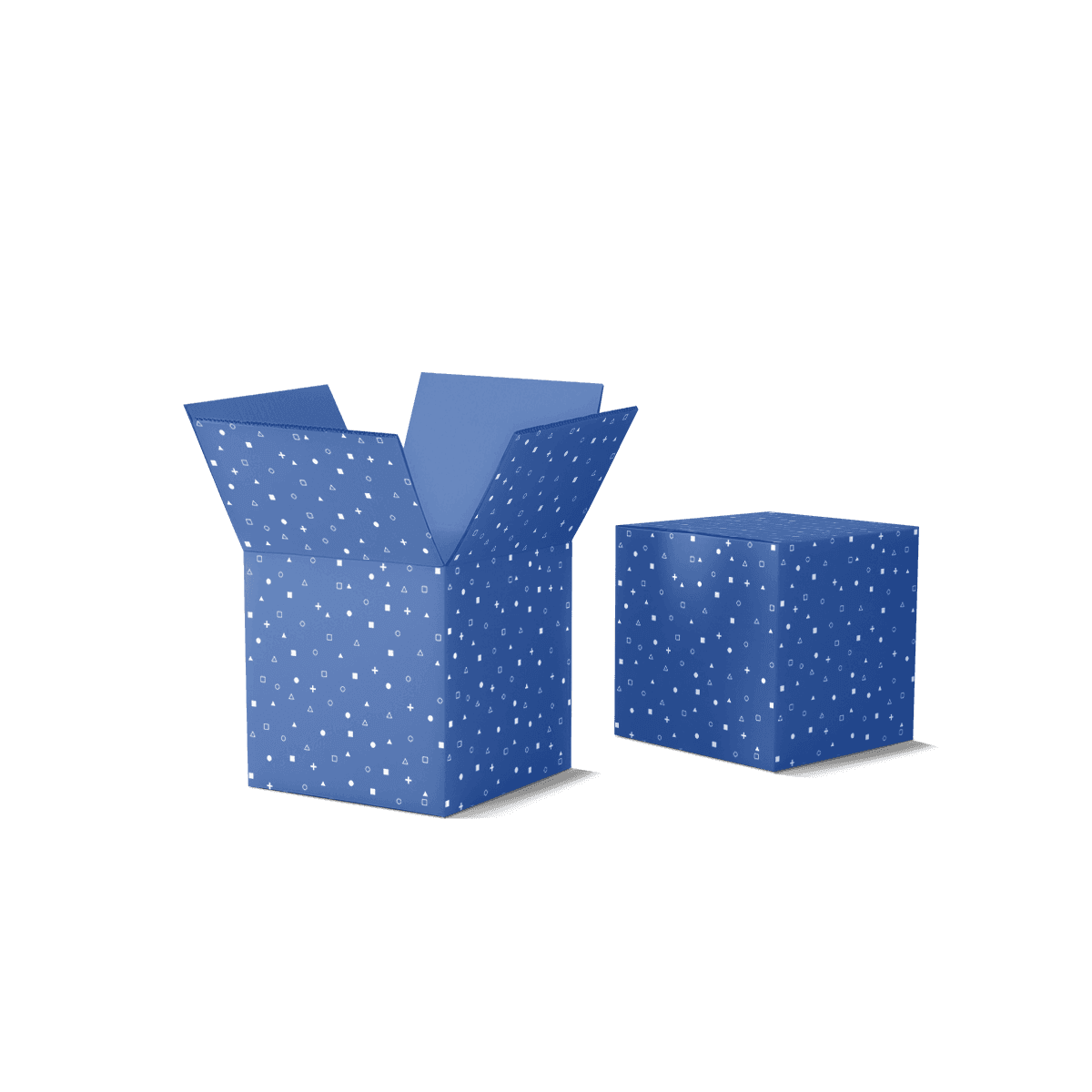
Full Overlap Boxes use extended corrugated flaps that close across the full width of the case, giving the top and base extra layered strength for heavier products, longer items and more demanding distribution routes.
Dieline preview

Generate a full overlap boxes fol Dieline

Use custom dimensions to view the dieline for this box style and plan artwork with more confidence.

Bleed
Crease
Trim

No preview available

full overlap boxes fol

Calibrated controls

Current size300 × 140 × 150 mm
Preview scale100% centered
StateValidated
Next Step

Turn Your Dieline Into Custom Packaging

Share your box size, quantity, material, print and artwork details on the quote page. We’ll review your dieline and email your custom packaging quote with the dieline file.

Continue to quote

Two Flaps Become One Reinforced Face

In a full overlap case, the major outer flaps do not stop at the centre seam. They extend across the full width and overlap one another at both the top and base, placing an additional layer of corrugated board across the faces that close the carton.

That structural change is the reason to choose Custom Full Overlap Boxes. The extra material is concentrated where it can support the broad top and bottom panels, rather than increasing every wall simply to make the carton feel heavier.

The style is commonly associated with FEFCO 0203. It keeps the familiar rectangular form of a slotted shipping case but changes the flap geometry. That makes it especially relevant when the weakness of a standard centre-meeting closure is the problem you actually need to solve.

The Benefit Is Localised

Full overlap does not automatically make every wall stronger. The additional material sits mainly across the top and base after closure.

If a carton is failing because its side panels bow under compression, the board grade may need changing. If the product is moving inside an otherwise intact case, the internal arrangement needs attention. Full overlap earns its place when additional panel coverage at the closing faces is useful.

A Standard RSC Uses Less Board

Regular Slotted Containers use major flaps that meet at the centre. That geometry is economical in board and works well for routine packing.

Full overlap extends those flaps much further, so the blank uses more corrugated material. The commercial decision is therefore not which structure sounds stronger. It is whether the extra top and base coverage solves a real problem in the packed case.
Long Cases Reveal the Difference

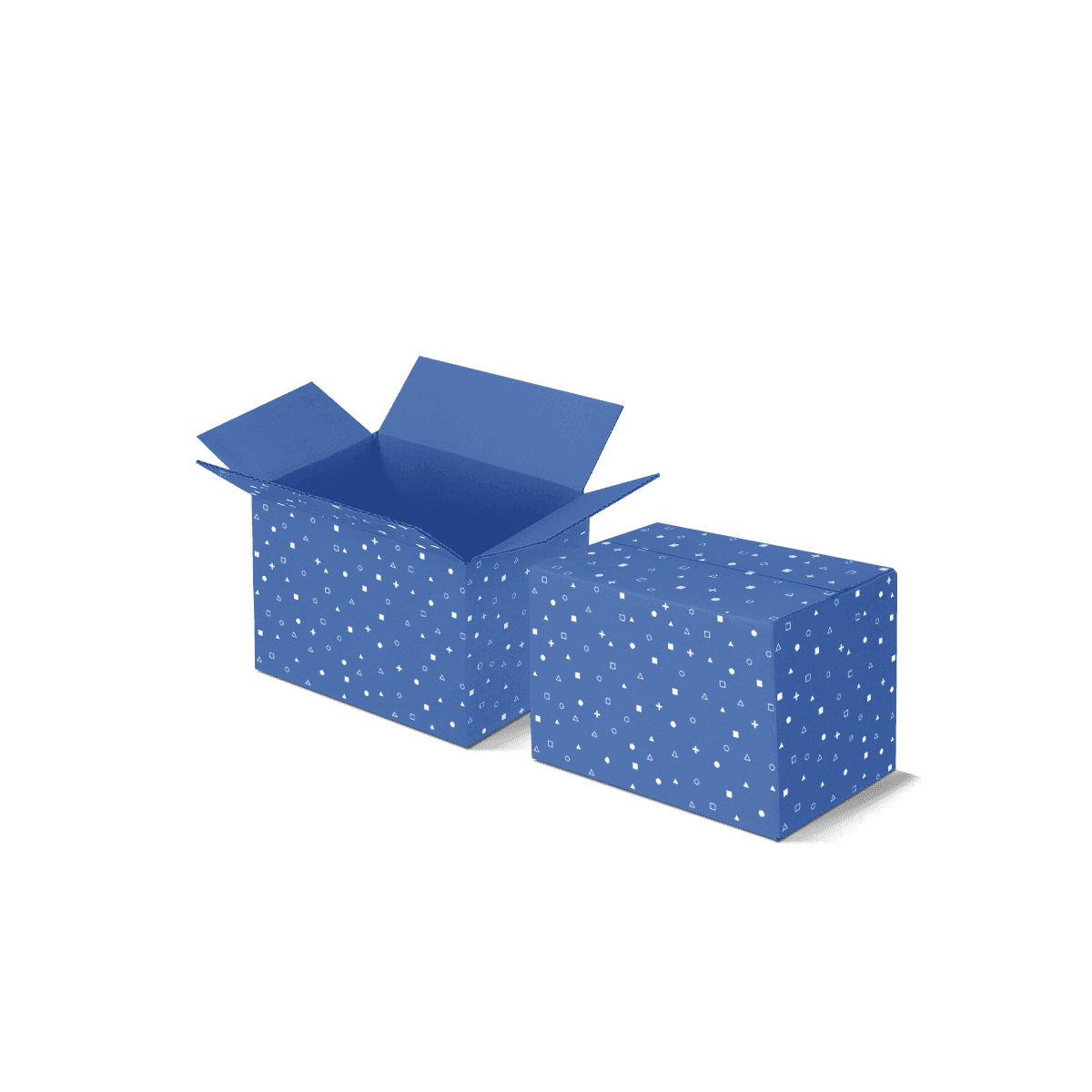
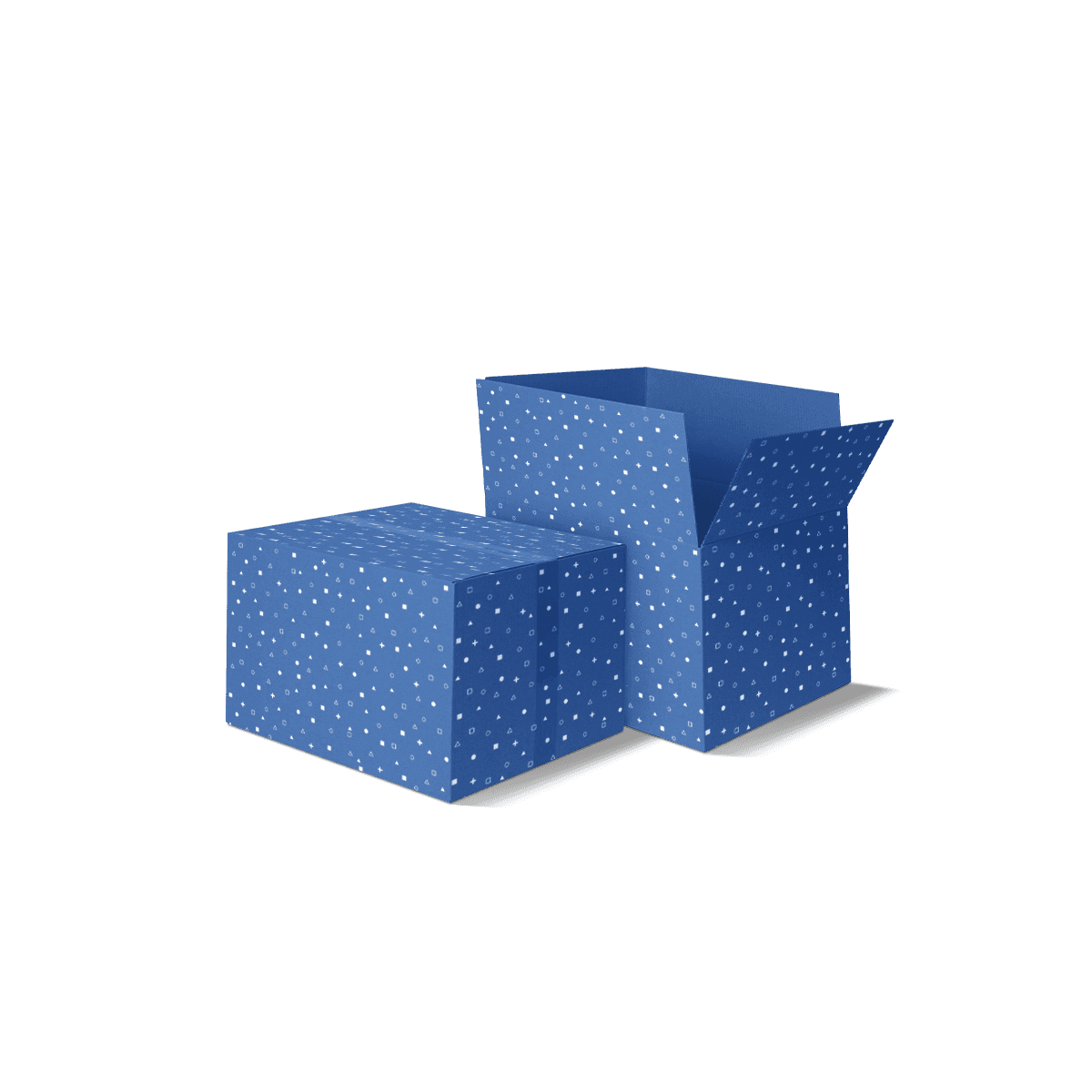
The distinction between centre-meeting and fully overlapping flaps becomes more useful as carton proportions change. Long, narrow cases can leave a broad closure face carrying pressure across a relatively large span, especially when the contents are dense or the carton is stacked.

Full overlap gives that face another continuous layer of corrugated board.

Length Magnifies Unsupported Areas

Consider a 1,180 × 180 × 110 mm case carrying an aluminium rail assembly with a small hardware kit. A standard slotted carton can enclose the product perfectly well, but the long top and base panels may still be the areas most exposed to local pressure during stacking and handling.

Changing to a full overlap structure places overlapping major flaps across those faces. Pairing that with simple end supports for the rail keeps the product from becoming the only internal bridge between the two ends of the carton.

The practical improvement comes from matching the structure to the geometry: additional flap coverage where the case is long, plus support that prevents the product from moving or carrying unintended loads.

Extra Coverage Does Not Replace Restraint

A long product can still slide end to end inside a strong carton. If the outer case remains intact but the contents migrate, extra overlap alone is not the answer.

Inserts and Dividers can add end stops, partitions or load-spreading supports where the product needs a fixed position. The outer structure and internal restraint should solve different parts of the same job.

A free sample is useful once the proposed carton and supports are defined because the actual product can be loaded and the closing sequence checked before the production run.

Base Reinforcement Matters With Dense Loads

Heavy products do not always distribute their mass evenly. Machinery components, fittings, grouped jars, hardware or dense boxed goods can place more pressure on one part of the base.

The overlapping bottom flaps provide another layer beneath the contents, but the load still needs to be spread sensibly.

Point Loads Still Need Pads

If a compact metal component sits directly over a small part of the base, local deflection can occur even when the overall case is strong. A corrugated pad can spread that pressure over a larger area.

Full overlap then supports the broader base face while the pad manages the concentrated contact point. This is more deliberate than relying on thicker outer walls to compensate for an uneven internal load.

Board Grade and Flap Style Are Separate Decisions

The same full overlap geometry can be produced in different corrugated specifications. Single wall may suit some lighter applications, while more demanding loads may justify double wall or another reinforced grade.

Double Wall Shipping Boxes describe the two-flute material build. Full overlap describes where the outer flaps sit when the case closes. One decision does not replace the other.

For the broader relationship between flute, wall count and carton behaviour, Corrugated Shipping Boxes cover the material side in more depth.

Top Coverage Helps Under Stacking Pressure

The top of a shipping carton can carry pressure from cases placed above it. In an RSC, the outer flaps meet along the centre seam. In a full overlap case, the major flaps cross over one another, creating layered coverage across more of that face.

That can be useful for cartons stored or transported in stacks where the top panel needs additional support.

Alignment Still Controls the Load Path

Extra flap material cannot correct a badly formed pallet stack. Cases should remain aligned so vertical pressure passes through stable edges and walls rather than through unsupported overhangs.

If cartons repeatedly overhang a pallet or carry uneven loads above them, the packing and pallet pattern need correcting alongside the box specification.

Higher Performance May Need More Than Overlap

When the complete case must handle substantially higher compression, dense loads or severe handling, flap geometry may be only one part of the solution.

Heavy Duty Shipping Boxes are the better reference when the finished pack needs an elevated performance specification involving board, closure, geometry and internal load management together.

Full overlap is more specific: it adds material to the top and base because those faces need the extra coverage.

Closure Changes With the Overlap

The longer flaps alter how the carton closes. Instead of taping only across a centre meeting line, the top layer sits over another full-width flap beneath it.

The sealing method should hold those layers securely without creating an awkward packing step.

Tape Has to Follow the Real Flap Layout

The carton should be erected fully before the sealing method is finalised. Tape placement, adhesive or another approved closure method needs to work with the direction of the overlap and the packed load.

For repeat packing lines, operators should use the same closing sequence each time. Improvised tape patterns can add labour and make it harder to judge whether the structure itself is doing enough.

The Bottom Closure Deserves First Attention

The base carries the packed contents from the moment the carton is lifted. It should be formed cleanly and secured before loading.

Where the case contains dense products, the sealing method should be considered alongside the overlapping flaps and board grade. Extra corrugated coverage is useful, but it is not a substitute for a reliable closure.

More Flap Means More Blank Area

Full overlap uses additional corrugated board compared with a similar RSC because the major flaps extend across the full width instead of meeting at the middle. That extra blank area is the structural price of the added top and base coverage.

This is why the style should be targeted rather than used as a default upgrade.

Use the Extra Board Where It Solves Something

For a routine lightweight shipment, the extra material may provide little practical return. For a long case, dense load or carton whose top and base need more support, the same material can have a clear job.

That decision is part of controlling total packaging cost. The common custom packaging cost mistakes often come from solving the wrong problem with more material instead of identifying which part of the pack actually needs changing.

Flat Storage Still Matters

Full overlap cartons are supplied flat, but their larger flap area increases the amount of corrugated material in each blank. Across large recurring quantities, that can affect packaging storage as well as unit material use.

For established programmes, Bulk Custom Boxes can be planned around repeat dimensions, board and artwork. Warehousing and scheduled deliveries can help when an efficient production quantity would otherwise occupy too much space at the packing site.

Artwork Has Hidden and Visible Panels

Overlapping flaps create areas that become covered after the carton is closed. Artwork should be prepared around the assembled structure, not treated as though every part of the flat blank remains equally visible.

Important operational information belongs on panels that remain accessible through storage and dispatch.

Do Not Place Key Information Under the Overlap

Product references, handling instructions, barcodes and other useful marks should stay on visible surfaces. Decorative graphics placed on a flap that disappears underneath another flap add print without contributing much once the carton is assembled.

The same logic applies to tape and labels. Working areas should be reserved before the artwork becomes crowded.

Use the Dieline as the Map

The free dieline generator can provide a structural starting point once the dimensions are established. For design teams, packaging dielines and artwork setup explains how cut lines, creases, bleed and panel orientation affect the finished print.

A free 3D mockup can then help confirm which outer panels remain visible and how the branding reads on the assembled case. Premium offset printing is available where more detailed branded transit packaging is commercially useful.

Export Routes Need More Than Flap Overlap

Full overlap can be useful on an export case when the top or base needs additional panel coverage, but the route still determines board duty, pallet configuration, closure and internal restraint. Flap geometry answers one structural question; it does not define the complete export specification.

Export Boxes are specified around that complete movement chain. A full overlap case may form part of the solution when top and base coverage is useful, but the route still determines the wider brief.

The same principle applies to courier and domestic distribution. Select full overlap because its flap geometry solves a physical need, not because the shipment sounds demanding in general.

The Best Upgrade May Be Structural, Not Heavier

When an existing RSC is broadly suitable but the top or base is the weak area, changing the flap geometry can be more targeted than increasing the strength of every wall.

That is the strongest commercial case for Custom Full Overlap Boxes: more corrugated material is placed where the closure faces need it, while the familiar rectangular case remains straightforward to store and pack.

The decision rule is simple: compare the existing failure with the part of the carton the overlap actually reinforces. If the top or base is flexing, carrying concentrated pressure or spanning a long narrow case, the FEFCO 0203-style flap geometry has a defined job.

If the sidewalls, internal fit or pallet pattern are the real weakness, changing the flaps alone is unlikely to justify the extra blank area. Solve that failure first rather than adding more corrugated material to closure faces that were not causing the problem.

If the top and base genuinely need the additional coverage, request a custom packaging quote around the full overlap structure. If they do not, a simpler RSC may remain the better use of material and packing time.

FAQs

Choose a Full Overlap Box when the closure area needs more support than a standard shipping carton can offer. This is common with longer cases, denser contents or routes that involve repeated handling and stacking. If the product is light and the transit job is simple, a regular corrugated case may be enough. When top and base strength matter more, the overlap build is the safer option.

Yes. This box type is especially useful for products where the case length is much greater than the width. In a standard carton, that shape can leave a weaker gap across the top and base once the flaps are closed. Full overlap flaps help cover that area more effectively, which improves closure support and gives the case a steadier feel during movement.

The right board depends on packed weight, product fragility, case size and stacking conditions. Single wall can work for lighter loads or shorter routes, while double wall is often the stronger route for heavier contents or more demanding distribution. The best approach is to confirm actual packed weight, not just product weight, then review whether inserts, pads or pallet stacking will add extra pressure.

Yes. They can stay plain for transit-first use or be printed with branding, handling guidance and stock information. Many businesses keep the print simple so the case remains practical for warehouse use while still looking consistent on arrival. If the box is customer-facing, it is worth checking how much branding is needed and whether a white or kraft outer liner suits the presentation better.

Confirm the internal dimensions first, then check packed weight, sealing method and how the product will sit inside the case. It is also important to review stacking conditions, delivery route, pallet use and whether the contents need partitions, pads or die cut support. A quick packed sample is useful because a case that looks right on a spec sheet can still need adjustment once the real product is loaded.

Process

How it works

Your Packaging Journey, From Idea to Production and Delivery

01

Tell Us Your Specs

Custom packaging boxes

Tell Us Your Specs

Provide size, quantity, printing, and finishes.

02

Get a Fast Quote

Custom packaging boxes

Get a Fast Quote

Instant transparent pricing, no hidden fees.

03

Design and Approval

Custom packaging boxes

Design and Approval

Artwork checks, revisions, and final sign-off.

04

Produce

Custom packaging boxes

Produce

Expert manufacturing to meet deadlines.

05

Ship to Your Door

Custom packaging boxes

Ship to Your Door

Hassle-free, flexible delivery options.

Get Your Quote for Custom Full Overlap Boxes

Share your product details, dimensions, quantity and artwork needs. We’ll help choose the right packaging style and send a clear quote.