Trace the Damage Route
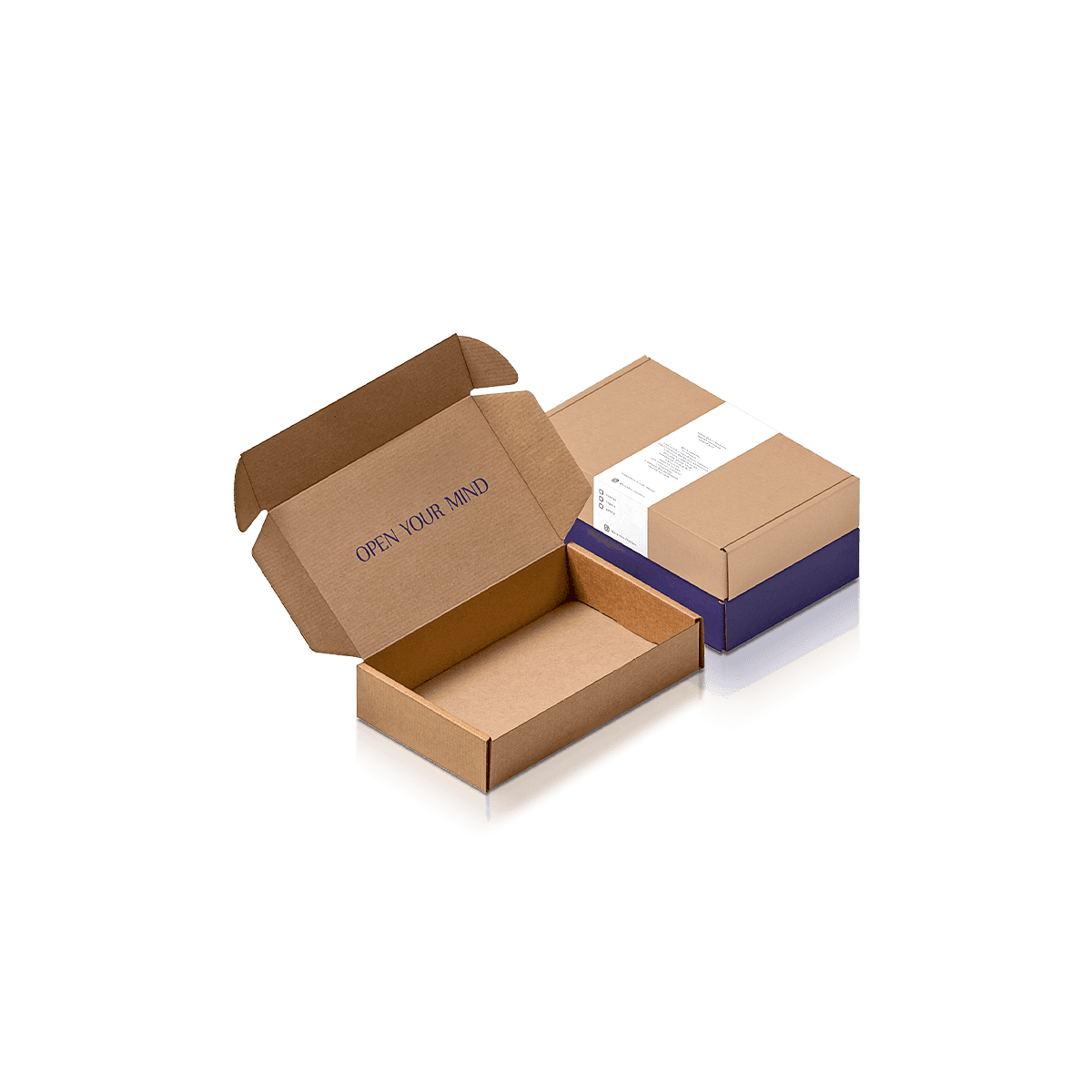
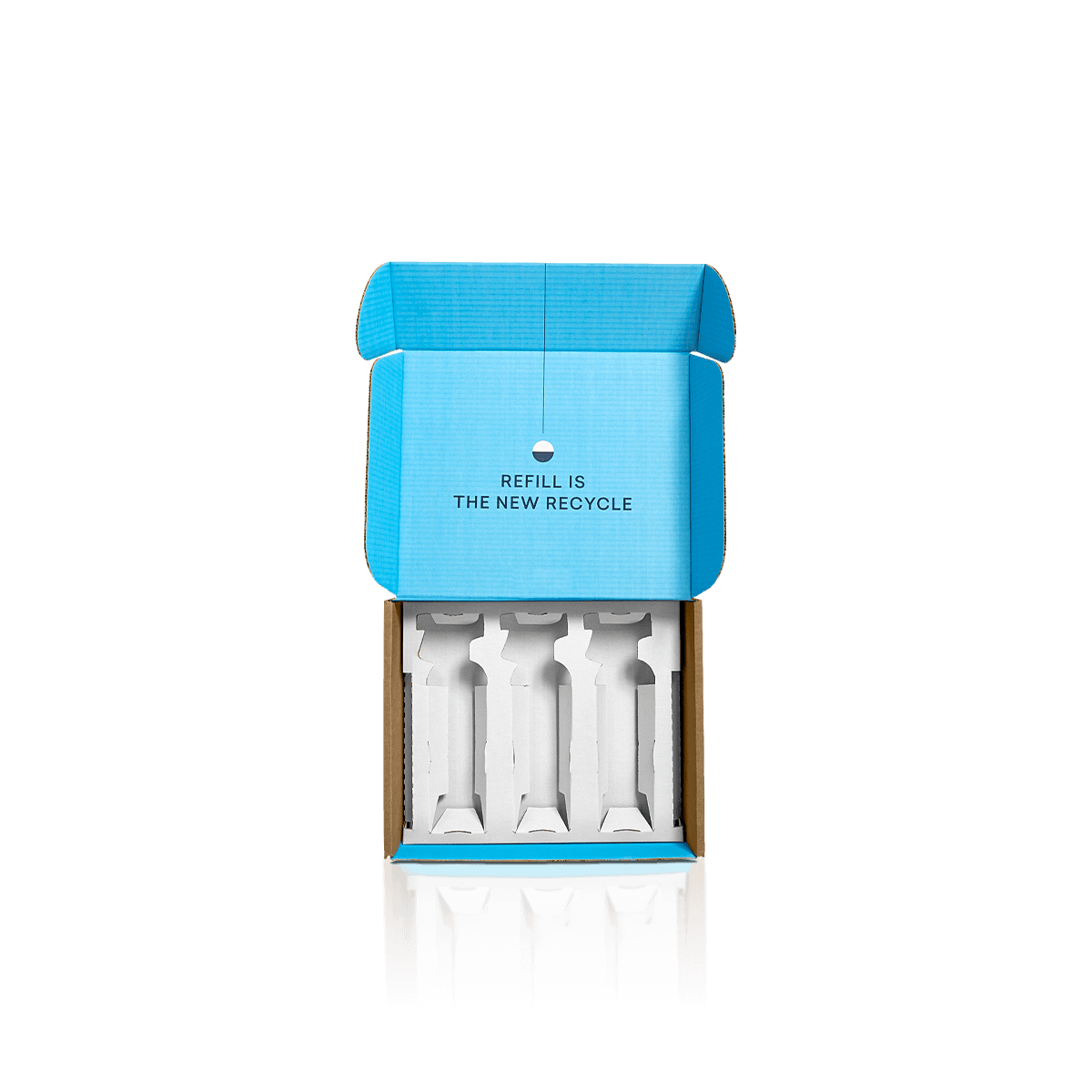
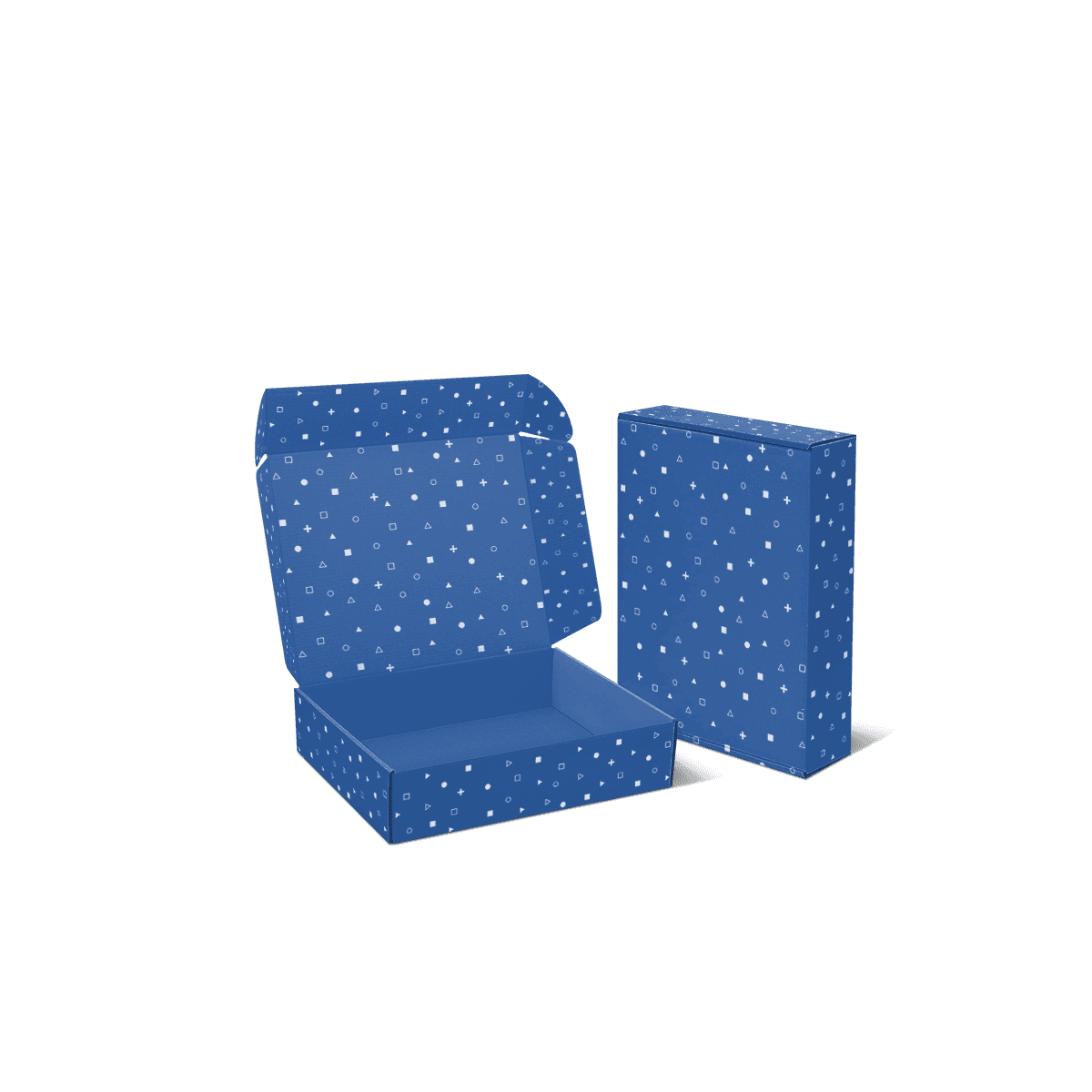
A candle mailer should be specified from the way damage could happen during delivery, not simply from the jar dimensions. If the outer box crushes, the problem is structural. If the mailer arrives intact but the glass is chipped, the jar probably moved or struck a vulnerable point inside. Custom Candle Mailer Boxes work best when those two risks are diagnosed separately before material or inserts are chosen.
Courier handling can introduce drops, vibration, stacking pressure and repeated changes of orientation. A dense glass candle also carries more momentum than a light product of the same size. The mailer therefore has to manage forces outside the parcel while the internal layout stops the candle creating its own damage inside it.
Separate Outer Failure from Jar Movement
Look at what would actually fail first. Bowed walls, crushed corners or a closure that opens under load point towards the outer mailer. Scuffed labels, chipped glass or a lid that repeatedly contacts the box can indicate uncontrolled movement even when the corrugated shell remains sound.
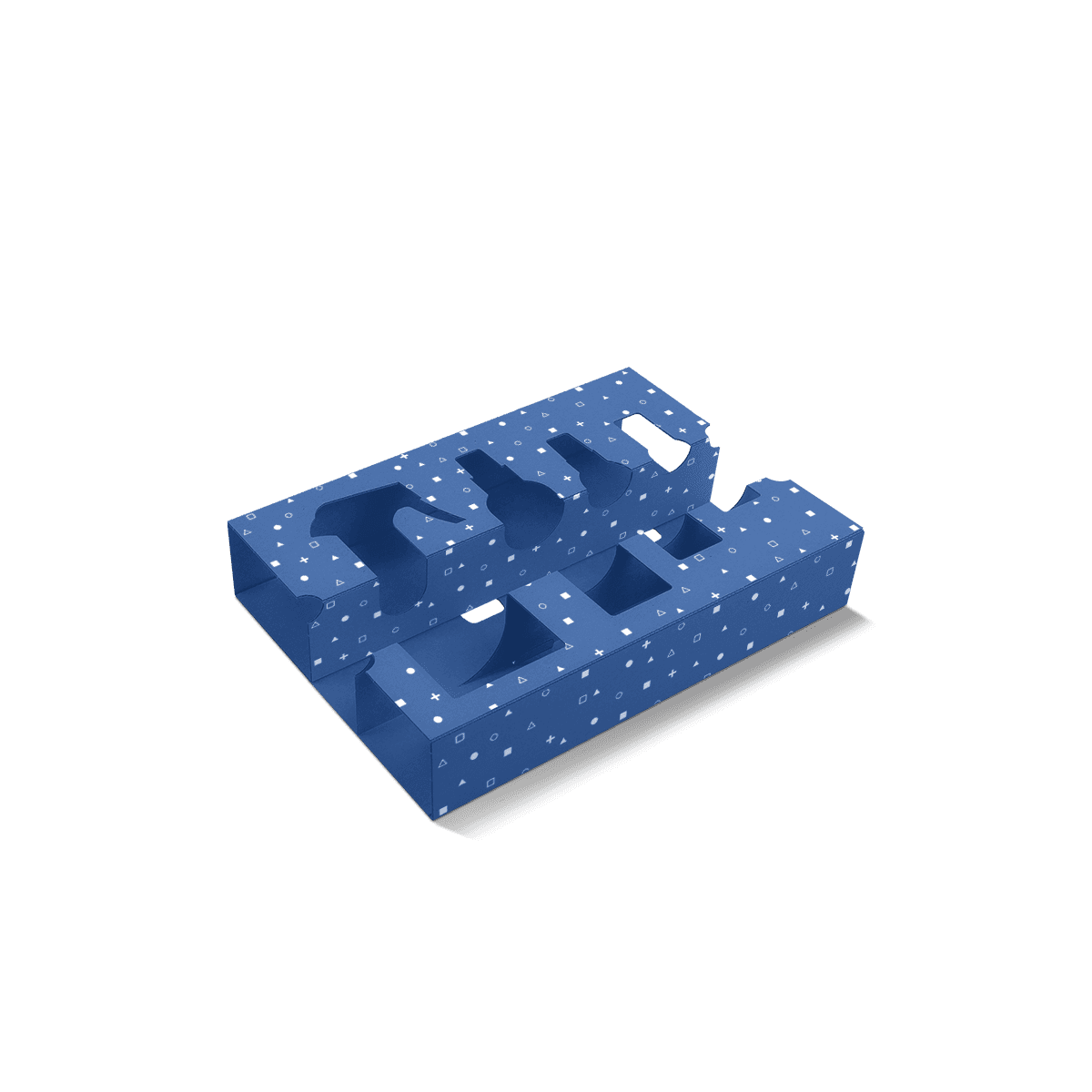
The decision process in fragile product packaging is useful here: increase outer strength when external forces are the problem, add restraint when the product is moving and use both only when both risks are present.
This avoids the common mistake of solving every candle-shipping problem with a thicker box.
Check Movement in Every Direction
Side-to-side movement is easy to notice, but vertical movement can be just as damaging. A jar that lifts away from its base support and drops back down can strike the lid, base or insert repeatedly during transit.
Check forward, backward, sideways and vertical movement with the complete packed candle, including its lid, retail carton, sleeve or protective wrap. A fit that feels secure on a packing bench may behave differently once the parcel is turned over.