Skip to content
Details

Custom Soap Sleeves

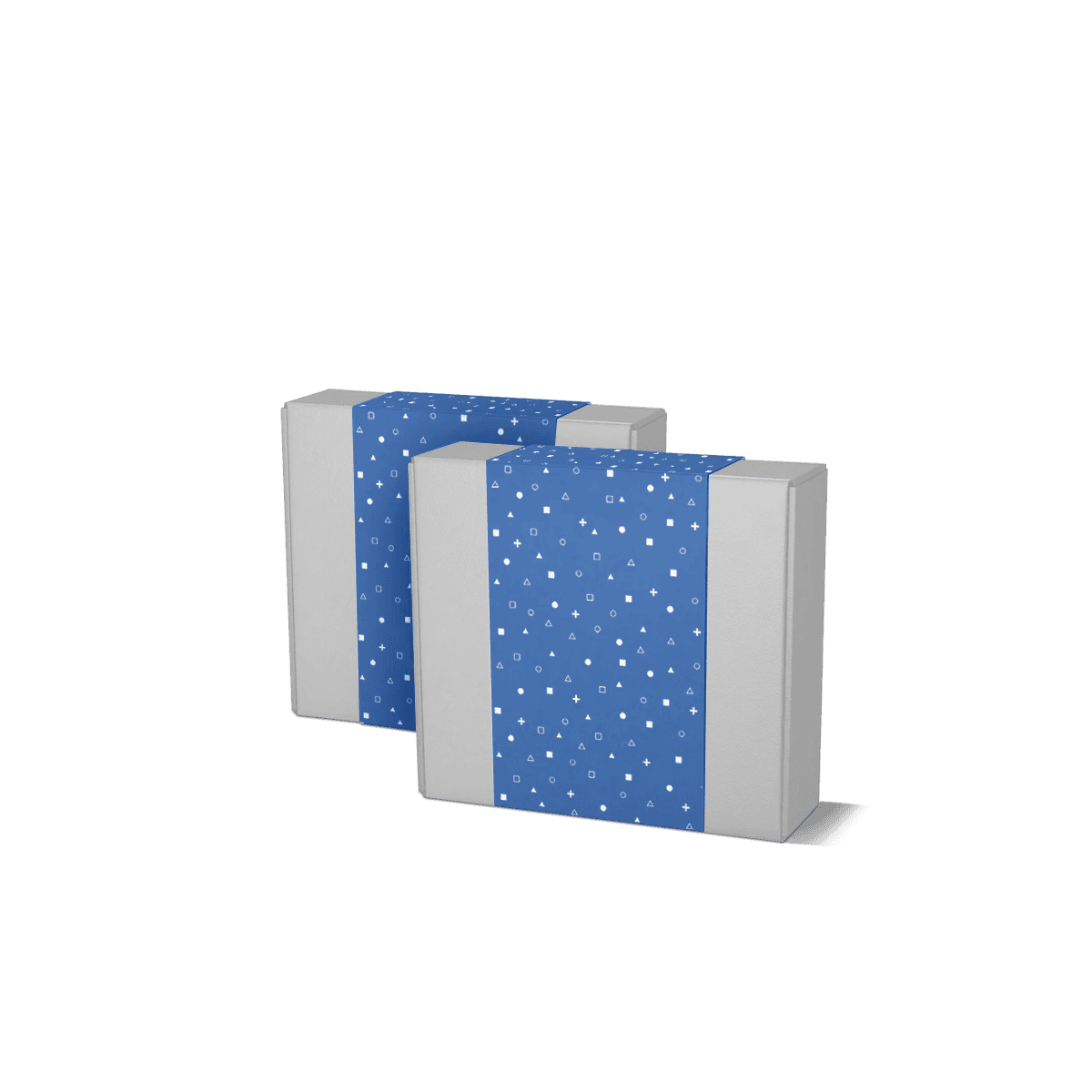
Printed wraps that leave the bar partly exposed, with sleeve width, tension and seam position set around the finished soap rather than a stock band size.

Keep the Soap in View

A sleeve works because it does not hide everything. Custom Soap Sleeves wrap a controlled part of the bar while leaving enough soap visible for its colour, cut, texture or handmade character to remain part of the retail presentation.

That makes them different from custom soap boxes, which are the better choice when the product needs full edge coverage or substantially more printed space. Within custom cosmetic packaging, sleeves suit bars that already have enough visual character to carry part of the presentation themselves.

Set the Reveal First

Decide how much soap should remain visible before setting the sleeve width. A narrow band gives the product more presence but leaves less room for branding and supplied product information. A deeper sleeve creates a stronger printed face but can begin to defeat the reason for choosing partial coverage.

Look at the bar from the front, side and shelf-facing angle. Decorative swirls, stamped logos, layered colours or textured surfaces may justify more exposure than a plain rectangular bar.

Avoid Accidental Coverage

The sleeve should expose the part of the bar worth seeing. If the strongest visual feature sits near the middle, a broad central band may hide it completely.

That sounds obvious, but sleeve width is often decided from available artwork space rather than from the product. Reverse the order. Choose the visible product area first, then make the branding work within the remaining paperboard.
Tension Makes It Work

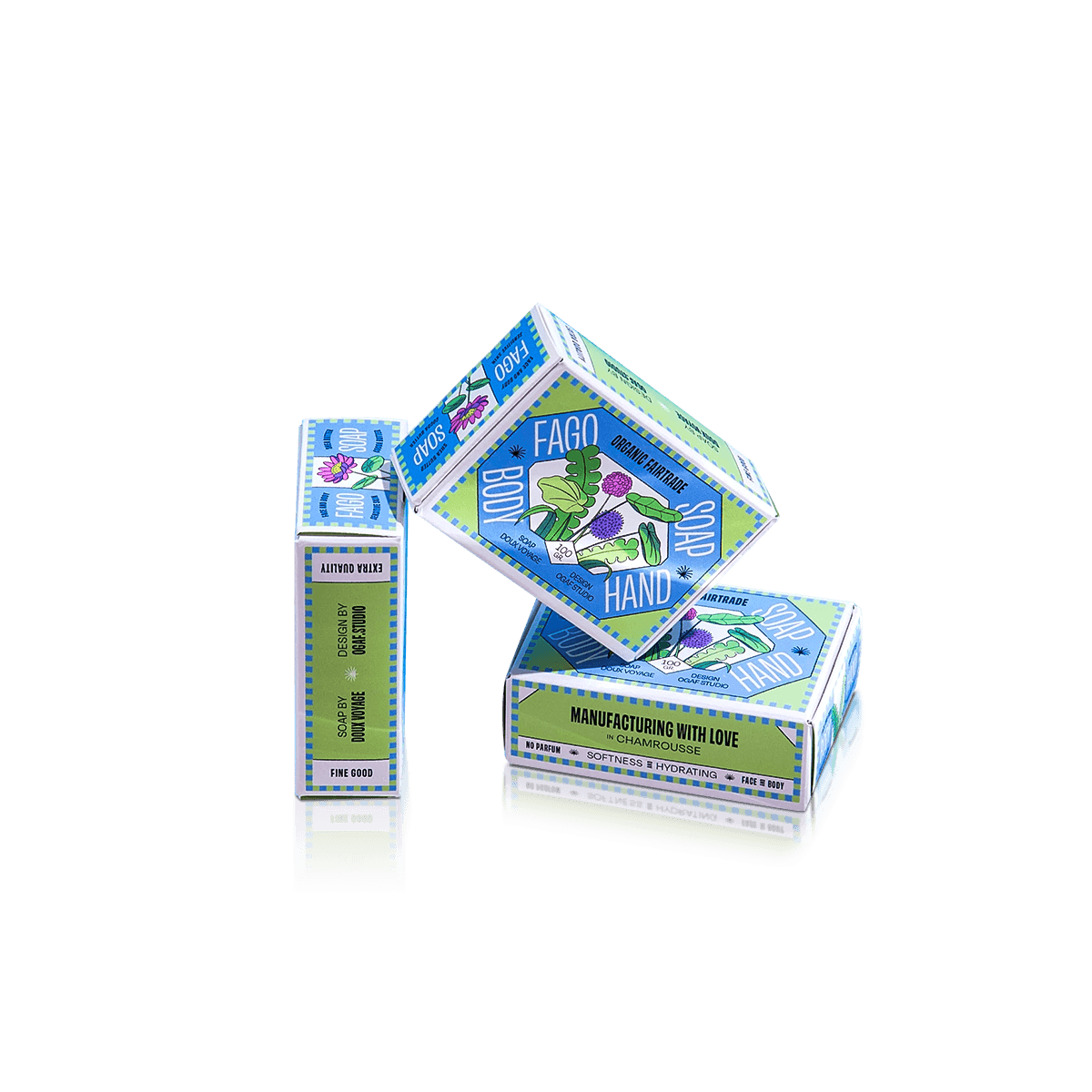
Soap sleeves stay neat through fit and friction. Too loose and the wrap can slide, rotate or sit crooked. Too tight and loading becomes slower, textured bars catch on the edges and normal production variation creates rejects.

The wider sleeve packaging system follows the same principle: a sleeve needs enough control to stay in position without putting unnecessary pressure on what sits underneath.

Size the Wrap Path

Think in the distance the sleeve has to travel around the finished bar, not only its flat length, width and depth. The board has to wrap several faces and still meet cleanly at the overlap or locking point.

Measure the finished bar after curing and after any inner paper, film or label that will remain underneath the sleeve. Board thickness, crease positions and the final join all affect the usable circumference.

A sleeve developed exactly around one unusually small bar may become difficult to apply to a thicker unit from the same production batch.

Allow Normal Variation

Hand-cut and cold-process soaps can vary slightly. The answer is not to make the sleeve noticeably loose. Instead, measure multiple finished bars and identify the normal dimensional spread before setting the final fit.

If variation becomes large enough that one sleeve either crushes the bigger bars or hangs loosely from the smaller ones, one universal size is no longer doing its job. Separate physical sizes may be cleaner than forcing every bar through one specification.

Plan the Join Carefully

The join determines more than whether the sleeve stays closed. It affects the visible front panel, the way the wrap sits around the bar and how quickly it can be applied.

Keep Overlap Away From Front

A glued overlap normally belongs on a rear or less visible face. Position it so a slight production shift does not creep around the corner and become visible beside the main artwork.

The overlap also needs enough area for a dependable bond without consuming more board than necessary. An excessively wide hidden panel adds material but does not give the customer anything useful.

Choose Slide or Wrap

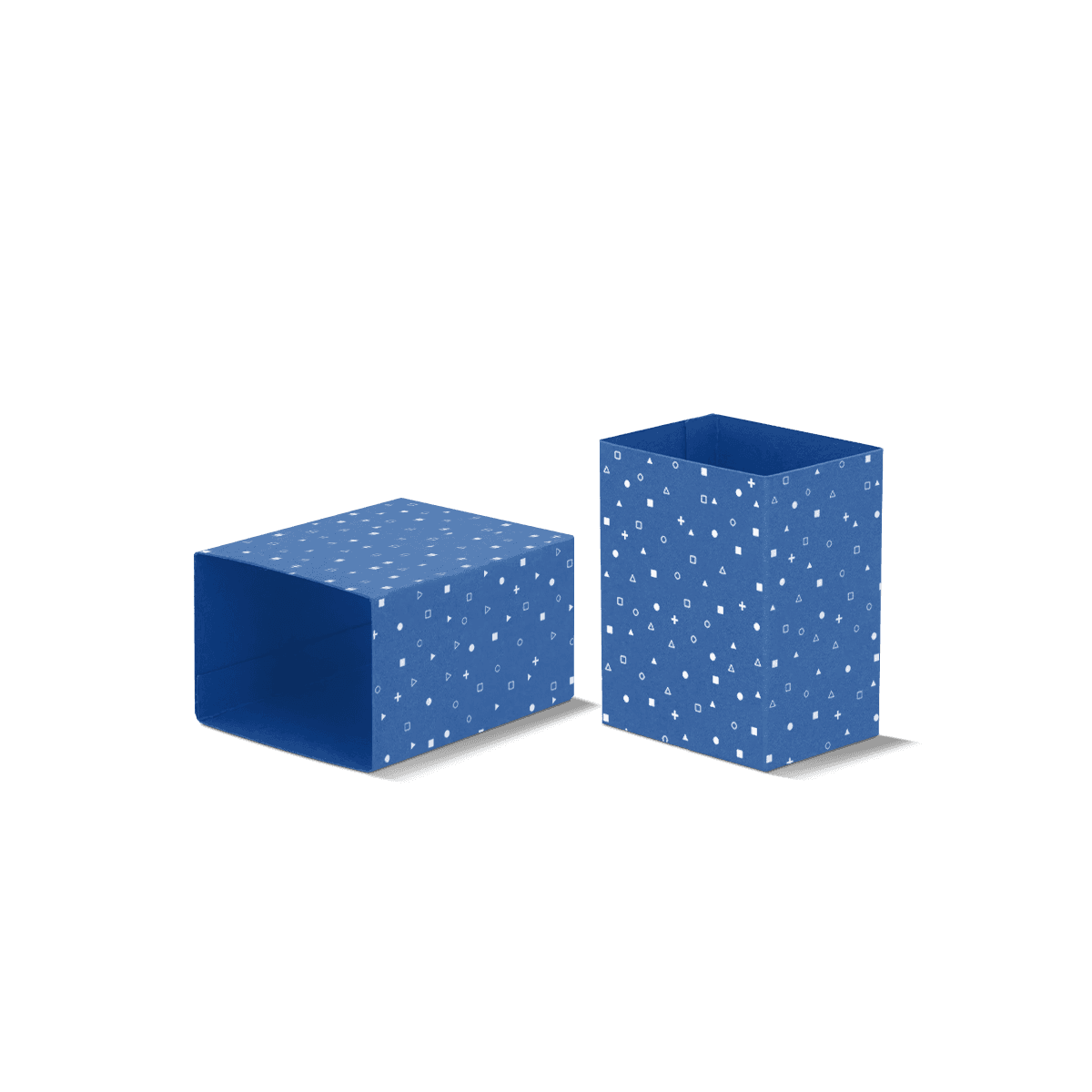
Some sleeves arrive pre-glued so the soap slides through the open ends. Others can be wrapped around the bar and joined during packing.

A slide-on sleeve can be quick when the bar shape is consistent and the surface is smooth enough. A wraparound application can be easier when the product has irregular edges or decorative features that resist being pushed through a tight paperboard opening.

That operational difference is worth deciding before artwork because it changes the seam, crease positions and packing process.

Let the Ends Stay Intentional

Open ends are part of the design, not missing packaging. The amount of soap extending beyond the sleeve should look balanced and should remain reasonably consistent across production.

Centre the Band

If the sleeve is meant to sit centrally, define its position rather than relying on packers to judge every bar by eye. Even a well-printed band can look unfinished when one unit sits high and the next sits low.

For hand application, a physical positioning cue or a simple packing reference can help maintain a consistent reveal without adding another structural component.

Watch Fragile Edges

A sleeve does not protect exposed corners the way a full carton does. Bars with brittle edges, delicate decorations or easily marked surfaces may therefore need a different packaging route.

This is the point at which a lighter solution stops being efficient. Do not make the sleeve progressively deeper, thicker and more complicated until it behaves like a poor substitute for a box.

Choose Stock for the Look

The material changes both how the sleeve feels and how it handles around the bar. Soap sleeves usually benefit from paperboard with enough stiffness to retain a clean band shape while still folding accurately around a small product.

Kraft Alters the Print

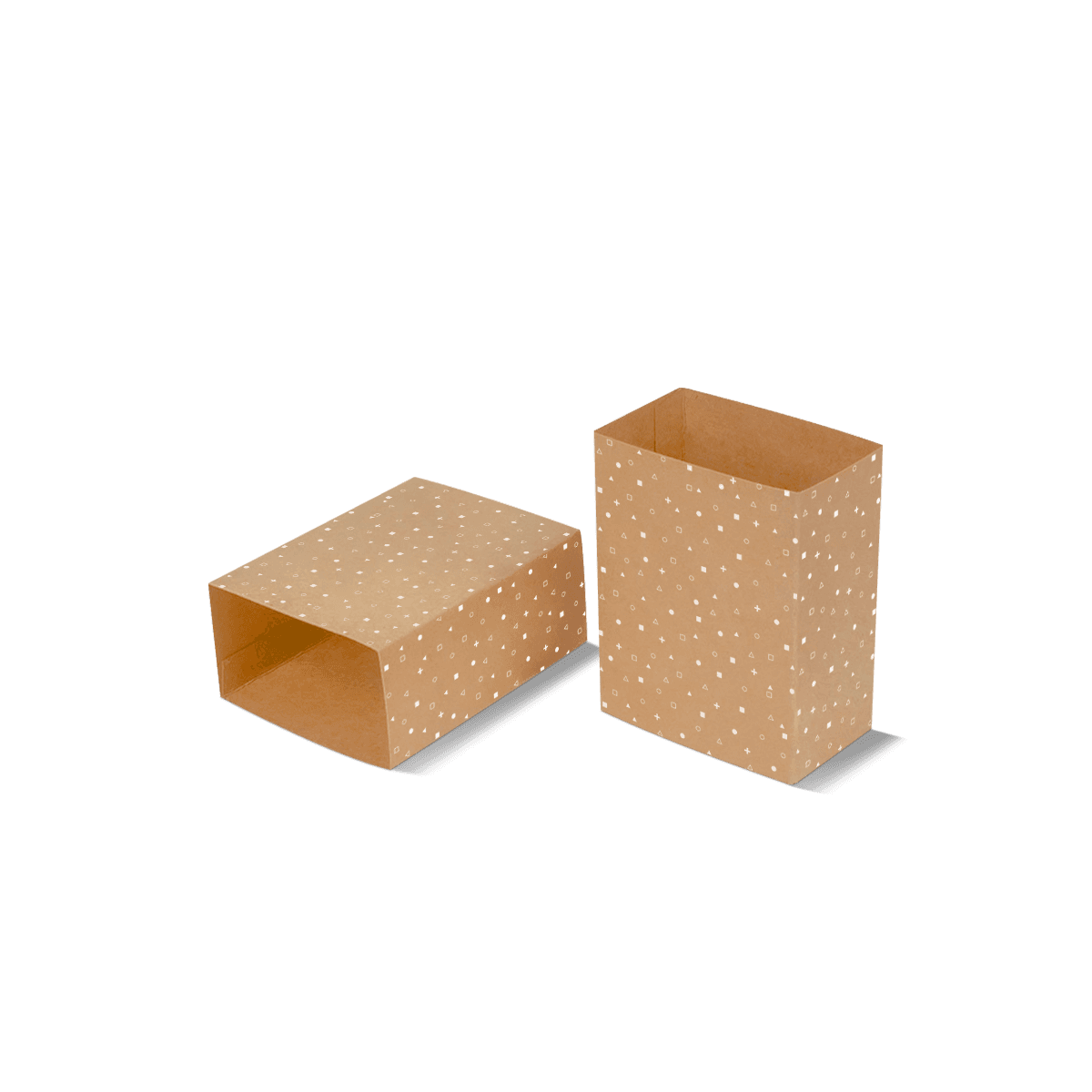
Natural kraft sleeves can suit handmade or restrained soap branding, but the brown base affects printed colour. Darker inks and simple high-contrast graphics generally read more predictably than pale colours intended to look the same as they do on a white screen.

Choose kraft because its surface belongs with the brand, not simply because the soap is handmade.

White Stock Gives Contrast

Smooth white paperboard gives more control when the artwork relies on brighter colour, fine typography or detailed illustration. Cardboard sleeves can also provide a firmer feel where a thin paper band would curl or lose shape too easily.

Neither direction is automatically more premium. Good proportions, sharp print and the right tension usually matter more than adding several decorative effects to a poorly fitted wrap.

Use the Small Panels Well

A soap sleeve has limited printable space. That limitation can improve the design if the information is given a clear order instead of shrinking everything until it fits.

Protect the Main Face

Keep the logo, soap name and strongest identifying cue on the panel customers see first. Move secondary copy to the rear or side areas rather than turning the front into a dense label.

The principles in packaging design ideas apply especially well to sleeves because the product itself already contributes colour and texture.

Respect Creases and Seams

Do not place small text, barcodes or important marks directly across the join. Allow for fold movement and the fact that the final assembled sleeve is a three-dimensional object, not the flat artwork viewed on screen.

Packaging dielines and artwork setup explains how crease lines, bleed, safe areas and panel orientation affect the final print. The same discipline matters on a sleeve even though the shape looks simpler than a folding carton.

Keep Retail Handling in Mind

A soap sleeve may only use a small amount of material, but it still has to survive packing, shelf handling and customer pickup without rotating or becoming visibly scuffed.

Retail packaging sleeves use the same basic logic: the outer layer should create a clean front-facing identity while allowing the underlying product to remain part of the presentation.

Test the Shelf Face

Place several finished bars side by side. The sleeves should sit at a similar height and the front panels should read consistently even if the soaps themselves have minor handmade differences.

A design that looks strong on one isolated mockup may appear less controlled when twelve bars sit together and every band is slightly rotated.

Check Application Speed

A technically accurate sleeve can still be expensive to use if every bar needs repeated adjustment at the packing bench. Test how easily the sleeve slides on, whether packers have to compress the soap and how often they need to straighten the band afterwards.

The cost of packaging includes handling as well as board and print. UK custom packaging costs are affected by size, quantity, material, printing and finishing, but labour and operational friction also matter when the format is being applied repeatedly.

A Sleeve Is Not a Shipper

Partial coverage helps with presentation and light surface handling. It does not turn a soap bar into a courier-ready parcel.

For direct orders, the sleeved product should sit inside suitable outer packaging. Cosmetic mailer boxes can protect the presentation layer from parcel wear while allowing the sleeve itself to stay lighter and more product-focused.

The same restraint applies to moisture. Standard paperboard should not be assumed to provide a moisture-proof or oil-proof barrier. If the soap needs a specific primary wrap or barrier, settle that layer first and size the sleeve around the finished packed bar.

Change Artwork Without Changing Fit

Sleeves work particularly well when several scents share the same physical bar. One approved cut size can support different artwork files while the exposed soap helps create visible variation of its own.

A belly band uses similar logic when the product needs a compact branded strip rather than deeper wrap coverage. Choose the Soap Sleeves format when the bar itself is the specific product being wrapped and the dimensions, reveal and handling need to be planned around that soap.

Keep Physical Sizes Honest

Do not keep one sleeve specification simply because the branding system is shared. A noticeably thicker exfoliating bar or a tall decorative soap may need another size even if its artwork belongs to the same brand system.

Standardise artwork logic where it helps. Standardise physical dimensions only where the products genuinely fit.

Control Finish Across Reorders

CMYK can handle full-colour illustrations and multi-colour scent identities. Pantone can help when one brand colour needs tighter control. Foil, debossing or another selective finish can work on a small area when the brand position justifies it.

The available packaging customisation choices should be narrowed after sleeve size, stock and application method are settled. That keeps the decorative specification from complicating a fundamentally simple wrap.

Run a Packing-Bench Test

Test a run of representative bars the same way production staff will pack them. Slide or wrap each sleeve into position, then check how often the band needs straightening, whether it creeps after handling and whether thicker bars slow application.

The packaging design workflow still matters, but for this format the decisive approval is repeated application on real soap. A physical sample should prove tension, seam position and packing speed before the specification is locked.

If one sample performs well but the next ten require noticeably different force or adjustment, the tolerance still needs work.

Price the Reveal You Want

For Soap Sleeves, the useful starting point is not simply “I need packaging for a 100 g bar”. The more important brief is how the sleeve should sit on that bar.

Send a representative finished soap and explain how much of each end you want exposed, whether the product is already wrapped, where the rear join should sit and whether staff will slide the sleeve on or wrap it around the bar. If the soaps vary naturally, share that normal variation rather than one perfect measurement.

Those details allow the sleeve circumference, width and application method to be priced as one specification. When the presentation is settled, send the brief through the custom packaging quote with the required quantity and artwork status so pricing is based on the actual wrap rather than a generic soap-band size.

FAQs

Soap Sleeves are stronger when the bar already looks good on its own and only needs a branded outer wrap rather than full enclosure. They suit handmade bars, visible textures and lighter retail presentation especially well. Soap Boxes become the better route when you need fuller coverage, more print area or stronger support for gifting, stacking and ecommerce delivery.

Start with the true finished soap dimensions, including any uneven edges, decorative tops or wraps that change the final shape. Confirm whether the bar will be packed bare, shrink wrapped or lined with another material first. It also helps to confirm how much product detail needs to appear on the sleeve and whether the soap will be sold from shelf, in bundles or through delivery packs.

Yes, but the sizing has to be planned carefully. Handmade soaps often vary slightly in thickness, edge finish and top texture, so a sleeve that works for one neat test sample may not suit a full production batch. A little tolerance can help, but too much makes the sleeve look loose. The best approach is to size from the actual finished bars, not from the cut mould only.

A consistent layout works best. Put the brand and scent in fixed positions, then repeat the same structure for weight, soap type and key features across the range. That keeps the line easy to browse even when colours or fragrance families change. If the collection is large, simple colour coding or side-panel cues can help without overcrowding the main face.

Usually not on their own for standard parcel delivery. A sleeve is mainly a branding and light presentation layer, not a full transit shell. It works well for shelf display, boutique sales and gift packing, but if the soap is being shipped directly to customers it is usually better to place the sleeved bars inside Cosmetic Mailer Boxes or another protective outer pack for the final journey.

Related Industry Packaging

Process

How it works

Your Packaging Journey, From Idea to Production and Delivery

01

Tell Us Your Specs

Custom packaging boxes

Tell Us Your Specs

Provide size, quantity, printing, and finishes.

02

Get a Fast Quote

Custom packaging boxes

Get a Fast Quote

Instant transparent pricing, no hidden fees.

03

Design and Approval

Custom packaging boxes

Design and Approval

Artwork checks, revisions, and final sign-off.

04

Produce

Custom packaging boxes

Produce

Expert manufacturing to meet deadlines.

05

Ship to Your Door

Custom packaging boxes

Ship to Your Door

Hassle-free, flexible delivery options.

Get Your Quote for Custom Soap Sleeves

Share your product details, dimensions, quantity and artwork needs. We’ll help choose the right packaging style and send a clear quote.