Skip to content
Details

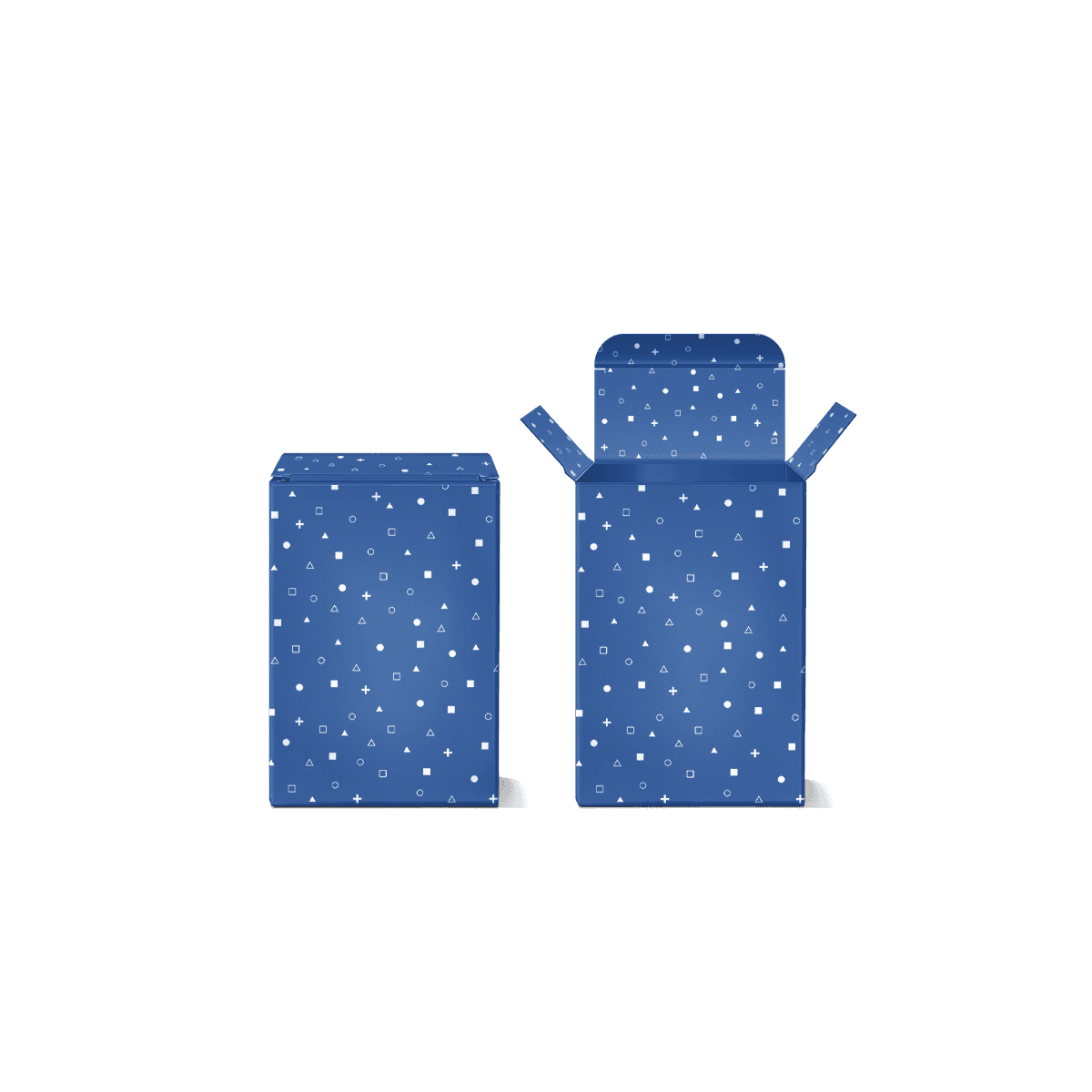
Custom Skincare Boxes

Made-to-fit skincare cartons for jars, pumps, tubes and coordinated routines, with practical support for product fit, panel space and repeat SKU consistency.

Skincare Cartons for Real Products

A skincare carton has to fit the finished jar, pump bottle or tube before it can solve anything visual. Custom Skincare Boxes should be planned from the packed component, including its cap, pump, collar, label and any leaflet or insert, so the outer box stays compact without putting pressure on the product.

That is the job of Custom Cosmetic Packaging: matching the outer packaging to the actual beauty product and how it will be sold. For skincare, start with the filled component, including its cap, pump, collar, label and any insert or leaflet inside the carton.

A 50 ml cream jar, 100 ml cleanser and slim treatment tube should look related on shelf, but forcing them into one carton size usually creates wasted space. Custom Product Packaging lets each item use the dimensions it needs while the visual system stays consistent.

Fit Starts at the Closure

The bottle or jar body is only part of the measurement. Pumps, lids and raised closures often decide the real carton height and the clearance needed for clean packing.

Measure the Packed Unit

Measure the product exactly as it will enter the box. Include the full cap or pump height, widest point, label overlap, shrink bands if used and any leaflet or insert that sits beside or beneath it.

A supplier drawing can be misleading if the final decorated component is slightly wider or taller. Check dimensions on the production component rather than copying them from an earlier SKU.

Give Pumps Working Clearance

A pump bottle can fit perfectly around the body and still fail at the top. If the pump head presses against the closing flap, packing becomes slower and the closure may sit under constant pressure.

Leave enough room for the product to load and close cleanly, then remove unnecessary headroom that makes the carton feel oversized.

Match the Base to Weight

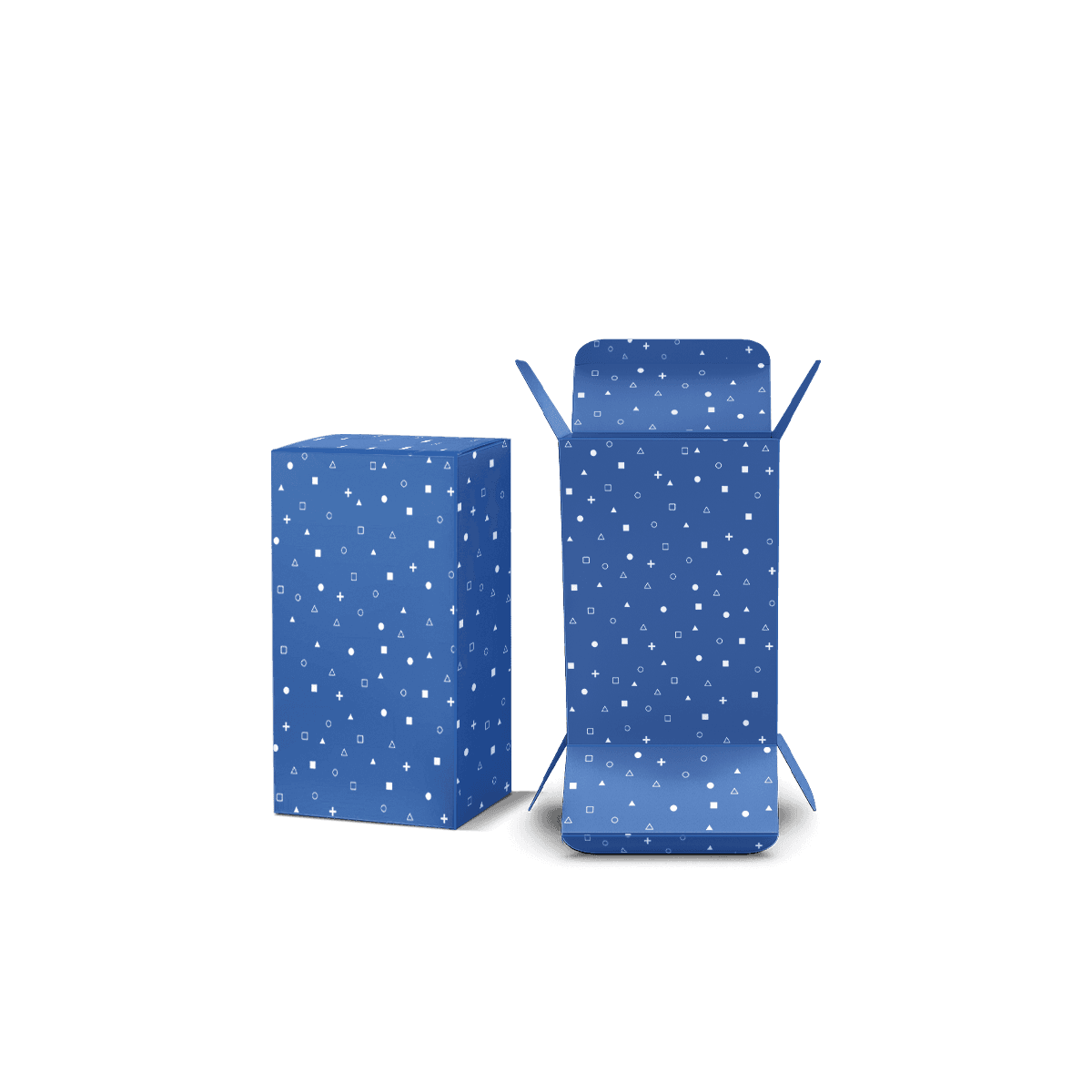
Light tubes and many small bottles can work well in folding cartons such as Custom Straight Tuck End Boxes. Heavier cream jars or wider glass containers may need a stronger base, stiffer paperboard or internal support.

If the packed product bows the lower panels or loads a simple tuck closure too heavily, changing the carton style can be more effective than adding material blindly.

One System, Many SKUs

Skincare packaging becomes harder when a brand has several products rather than one launch carton. The goal is to keep the line recognisable while each SKU uses the dimensions and information space it actually needs.

Keep Recognition Consistent

Logo position, product naming, typography, colour logic and the placement of key information should stay predictable across the line. That gives creams, cleansers, moisturisers and treatments a shared visual rhythm even when carton proportions differ.

Separate Size From Identity

Do not keep one box size simply to make the range look consistent. Use the same design system across different dielines.

A tall pump bottle may need a narrow carton while a cream jar may need a lower, wider box. Their proportions can change while colour, type and logo position keep the range connected.

Reserve Variable Information

Skincare lines often change by formula, size, scent, skin concern or product step. Plan fixed areas for details that vary by SKU so artwork updates do not disturb the whole layout.

That discipline also helps repeat runs because new products can inherit an established system instead of starting again.

Match Cartons to Products

Different skincare components create different pressure points. The outer carton should respond to the product rather than forcing every item into the same structure.

Cream Jars and Moisturisers

Cream jars are often short, wide and relatively dense. The carton needs enough stiffness to stay square and enough lower support to avoid bowing when stacked or lifted.

If the jar is heavy or fragile, a simple support piece can help centre it and keep the lid from rubbing against the upper panels.

Cleansers and Pump Bottles

Tall cleansers, lotions and pump bottles need careful top clearance and stable proportions. A narrow carton that is too tall for its width can feel unstable on shelf, while excess side clearance lets the bottle lean.

Check the filled bottle with the final pump fitted. The liquid and closure change how the carton carries the load.

Tubes, Minis and Routine Sets

Tubes are usually lighter and less fragile, but cap width and shoulder shape still affect fit. Minis and discovery sets create a different problem: several small products need to look deliberate rather than lost inside a large box.

For bottle-led treatments where droppers, pipettes and pump geometry become the main issue, Custom Serum Boxes should carry that more specific requirement.

Inserts Need a Clear Job

An insert is useful when the product needs positioning, separation or protection that the outer carton cannot provide. It should not be added simply to make the packaging look more elaborate.

Support Real Movement Risks

A single lightweight tube in a close-fitting carton may need no insert. A glass jar, mixed skincare set or bottle with a delicate pump may benefit from a support collar, cradle or die-cut platform.

For multi-item skincare boxes, Cosmetic Box Inserts are valuable when products would otherwise touch, tilt or sit at visibly different heights.

Leave Removal Space

A tightly cut insert can hold the product well and still create a poor opening experience if customers cannot lift the item out. Finger clearance, grip points and removal order should be considered before the cut pattern is approved.

The same applies during packing. If staff have to bend the insert or force a jar into place, the layout is too tight.

Retail and Delivery Differ

A skincare retail carton and a courier-ready box solve different problems. Trying to make one thin folding carton perform both jobs can lead to damaged corners, scuffed print and unnecessary material changes.

A paperboard carton can handle shelf presentation, product information and individual SKU identity. For ecommerce orders, that carton can sit inside Cosmetic Mailer Boxes with suitable internal control for delivery.

For brands deciding between materials, paperboard, corrugated and rigid packaging shows why the product journey matters as much as appearance.

The decision rule is simple: let the skincare carton handle presentation and information, then use the delivery outer to manage courier risk. A stronger single mailer can make sense for larger DTC skincare sets, but it is a different job from a small retail carton.

Print Should Organise the Range

Good skincare printing helps customers and packing teams distinguish products quickly across a growing line.

Colour Helps Recognition

A controlled colour system can separate cleansers, creams and treatments without changing the entire design language. Pantone references can help where a specific brand colour needs closer control, while CMYK suits photography, gradients and multi-colour artwork.

The substrate still matters. The same ink will not appear identical on bright white paperboard and natural kraft, so confirm material before judging colour.

Small Type Needs Space

Ingredients, directions, warnings, barcode information and batch details can crowd a small skincare carton. Better panel planning is usually preferable to shrinking everything until it becomes difficult to read.

Keep the front focused on product recognition, then use side and rear panels for denser copy. If the information still will not fit comfortably, changing the carton proportions or adding a leaflet can be better than compressing the artwork.

Print Route Follows SKU Mix

Five thousand boxes of one artwork and five thousand boxes split across five skincare variants are different production jobs.

Custom Printed Boxes covers colour, repeat runs and finishing. If the line has many variants, digital vs offset printing also helps frame the trade-off between shorter artwork runs and larger stable quantities.

Premium offset printing is available where the artwork, quantity and colour requirements justify it. The method should follow the job rather than act as a status label.

Finishes Need a Reason

Skincare cartons often benefit more from one controlled finish than from several effects competing for attention. Matte or soft-touch surfaces can change the feel, foil can pick out a logo or product name and spot UV can create contrast on selected details.

The finish also has to survive conversion. Heavy decoration across tight creases can increase the risk of cracking, marking or awkward folding, so finish placement should be checked on the real dieline.

The available print, coating and finishing routes are set out under packaging customisation. The strongest skincare choice is the one that supports the product position without making the carton harder to fold or repeat consistently.

Dielines Follow Final Components

The final dieline should be based on the approved product dimensions, carton style and material. Artwork should not be locked while the bottle, jar or closure is still changing.

Lock the Tallest Point

For pump bottles, use the full closed pump height. For jars, include the lid. For tubes, measure the cap and sealed end. If an insert is used, the box size must reflect the assembled insert as well as the product.

The free box dieline generator can provide a starting layout for supported styles, but production dimensions still need to reflect the final component and selected paperboard.

Build on the Final Dieline

Once the size is fixed, place artwork around real cut lines, crease lines, bleed and safe areas. Keep small text, barcodes and important identity elements away from folds and trimming zones.

How to design packaging goes deeper into the sequence from product measurement to dieline, artwork and production checks. A free 3D mockup can confirm panel order and visual balance, but it does not prove physical fit.

Test the Packed Carton

The most useful check is the assembled box with the finished product inside. Stand it upright, handle it as a customer or picker would and look for movement, panel bowing, top-flap pressure and base distortion.

For a skincare line, compare several SKUs side by side. Check whether front-panel baselines align, whether colour differences are clear enough for quick picking and whether one carton looks unnecessarily large beside the others.

If the product will be sold online, place the finished skincare carton inside the intended delivery outer and check the full system rather than testing each component alone.

A fully custom pre-production sample can be worthwhile when a heavy glass jar, unusual pump, tight insert tolerance or premium finish creates a physical question that a screen proof cannot settle.

Repeat Runs Need Control

Repeat skincare production becomes easier when each SKU has a clear specification. Keep the approved dieline, dimensions, material, print references, finish marks and artwork version tied to the correct product code.

Do not rely on vague file names when several variants are in production. A simple version system reduces the risk of applying the right artwork to the wrong carton size.

If demand varies by product, order planning should follow the actual SKU mix rather than assuming every item needs the same quantity. Warehousing and scheduled deliveries can support established ranges where holding the entire run at once would create unnecessary storage pressure.

Quote the Whole Skincare Line

For a multi-SKU skincare project, the most useful quote brief is a simple product map rather than one generic box request. List each product name, container type, finished dimensions including the cap or pump, filled weight and required quantity. Mark which items need inserts and which will also ship inside an ecommerce outer.

If several products share the same branding system, send them together so print, dielines and repeat elements can be reviewed as one coordinated requirement. If only one SKU is ready, start with the most representative product and use that decision to set the rules for the next cartons.

Send the full skincare line through the custom packaging quote rather than treating every SKU as an unrelated request. Keeping the products together makes it easier to compare carton sizes, artwork quantities and insert needs as one production plan..

FAQs

Start with the filled product dimensions, not the empty container size. Confirm height including the cap or pump, finished unit weight, label projection and whether the product sits alone or with inserts, leaflets or samples. It also helps to confirm where the cartons will be sold, how they will be packed for dispatch and how much panel space you need for ingredients, directions and coding.

It depends on the product and the finish. SBS board is usually the strongest choice for sharp print, smooth colour and a refined beauty look. Kraft stocks work well for botanical, minimal or eco-led positioning. If the skincare unit is heavier, such as a glass cream jar, the better route may be a sturdier board grade or a stronger base construction rather than simply a thicker-looking carton.

Clean panel planning solves most of that problem. Side panels usually handle ingredients, directions, warnings and barcode placement while the front stays focused on brand and product identity. When space is tight, folding leaflets or a slightly taller carton can work better than shrinking the text. The key is to plan the information layout before the artwork stage rather than squeezing it in later.

Skincare Boxes are stronger when the main goal is shelf presentation, cleaner branding and a product-specific fit around one unit or a small set. Cosmetic Mailer Boxes become the better route when the focus shifts to shipping, subscription fulfilment or influencer-style bundles. Many skincare brands use both: a printed outer carton for the product itself and a mailer for the final delivery stage.

Yes, especially for droppers, fragile jars and multi-item routines. Inserts stop units from knocking together, improve the opening sequence and help the contents stay upright in storage and transit. They are not always necessary for a single lightweight tube or bottle, so the decision should be based on weight, break risk and how polished the unboxing moment needs to feel.

Process

How it works

Your Packaging Journey, From Idea to Production and Delivery

01

Tell Us Your Specs

Custom packaging boxes

Tell Us Your Specs

Provide size, quantity, printing, and finishes.

02

Get a Fast Quote

Custom packaging boxes

Get a Fast Quote

Instant transparent pricing, no hidden fees.

03

Design and Approval

Custom packaging boxes

Design and Approval

Artwork checks, revisions, and final sign-off.

04

Produce

Custom packaging boxes

Produce

Expert manufacturing to meet deadlines.

05

Ship to Your Door

Custom packaging boxes

Ship to Your Door

Hassle-free, flexible delivery options.

Get Your Quote for Custom Skincare Boxes

Share your product details, dimensions, quantity and artwork needs. We’ll help choose the right packaging style and send a clear quote.