Full Coverage Has a Job
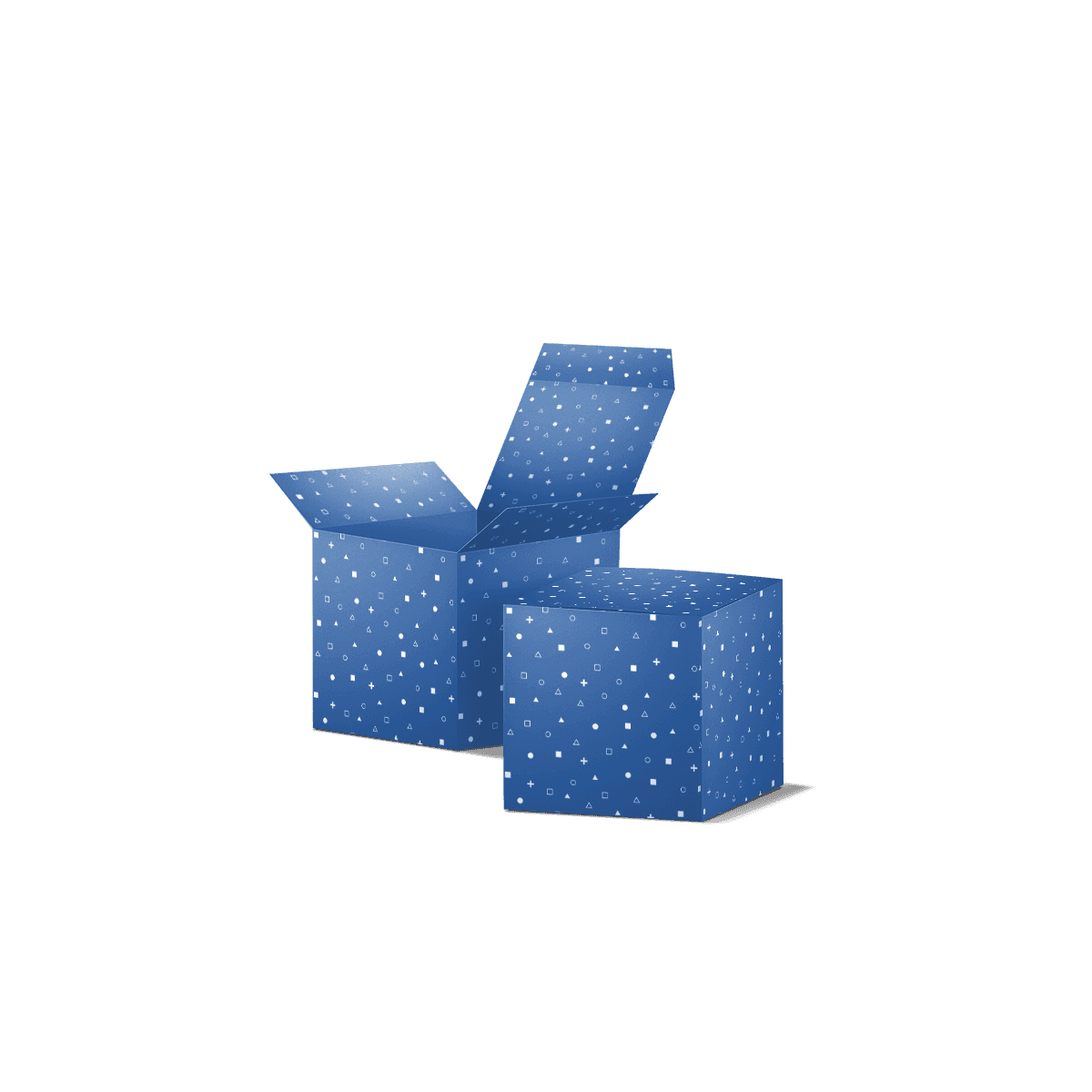
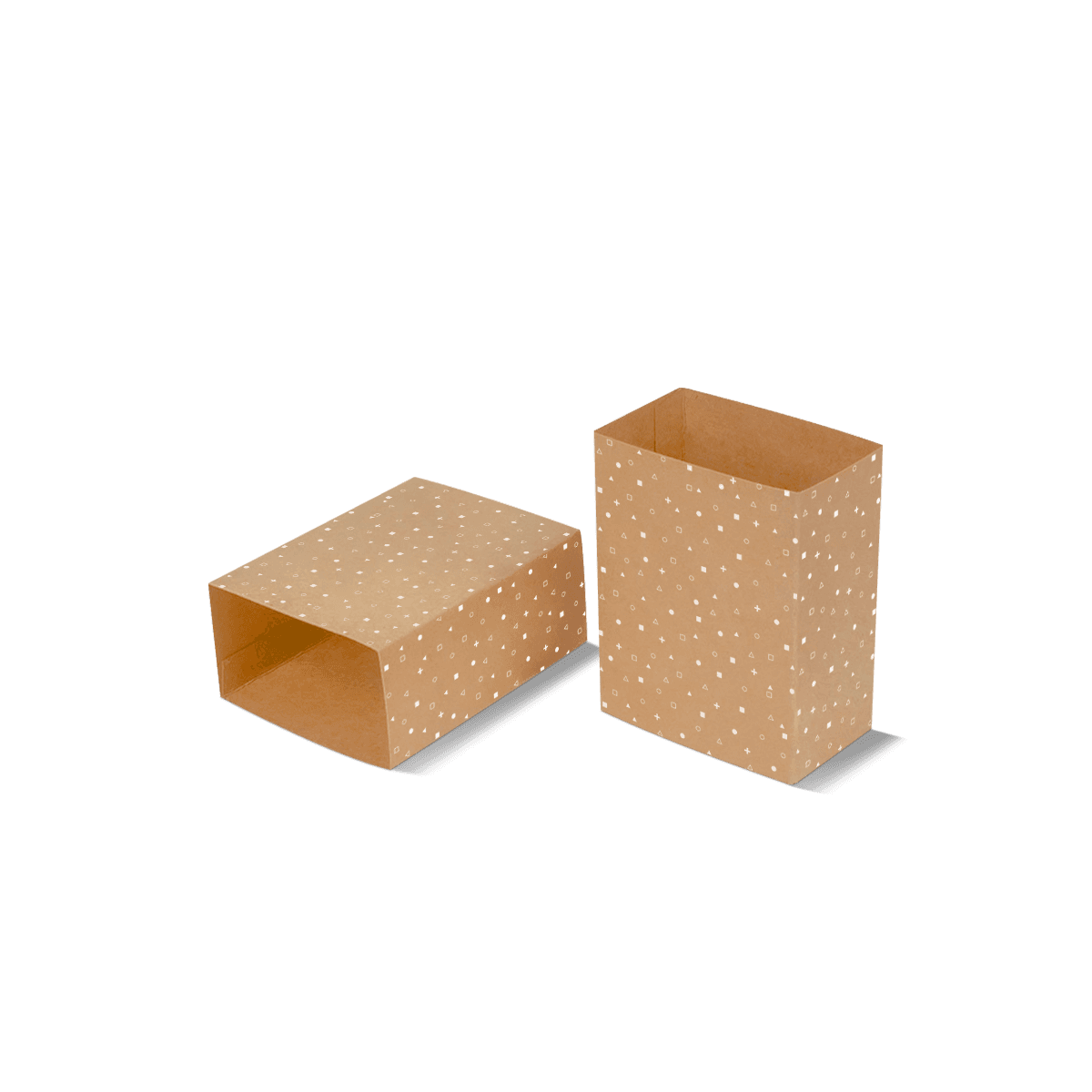
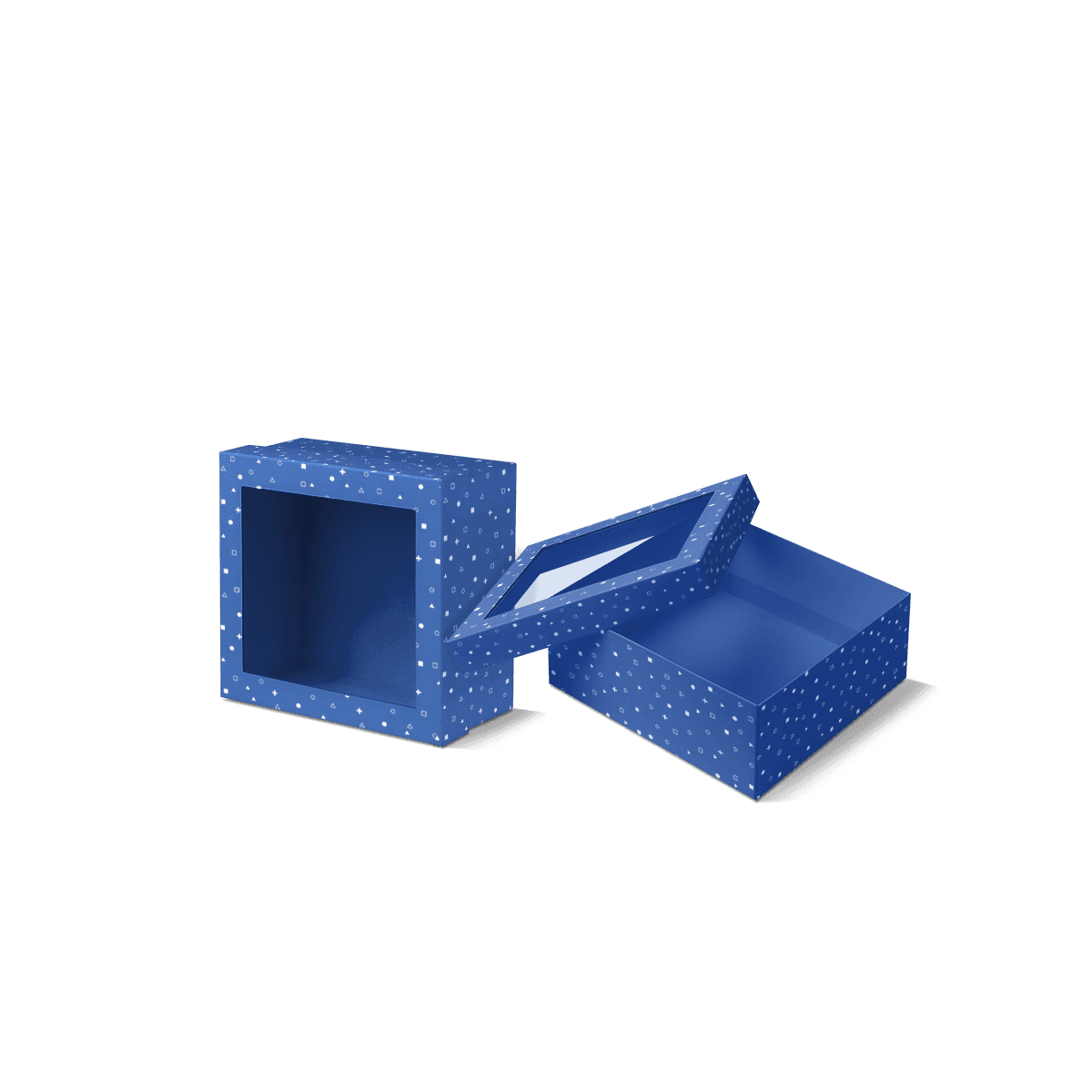
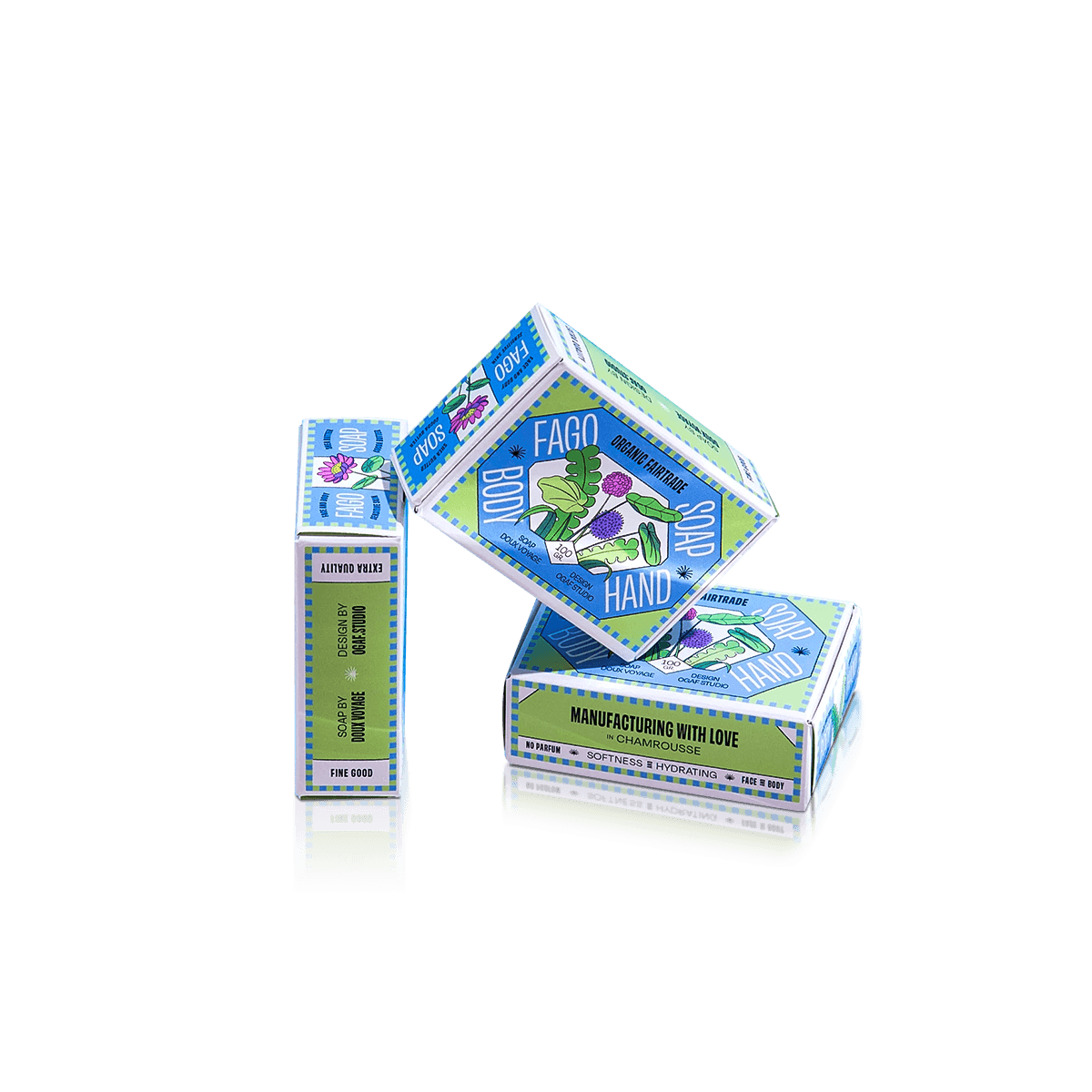
Custom Soap Boxes make sense when the bar needs more than a printed band around the middle. A full carton covers the edges, creates more room for product information and gives handmade, retail and gift soaps a cleaner surface through storage and handling. The box still needs to follow the real bar rather than an idealised mould size.
The first decision is whether the soap will enter the carton wrapped or unwrapped. That changes the finished dimensions, the surface that touches the paperboard and how much clearance is sensible. The wider custom cosmetic packaging system should stay consistent across the brand, but soap deserves its own fit rules because the product can vary from batch to batch.
Box the Finished Bar
Measure soap after curing and after any inner wrap, label or protective layer has been applied. Do not size the carton from the mould alone. Handmade bars can lose moisture, change slightly in dimension and carry bevelled edges, stamped faces or uneven cuts that alter the true envelope.
For a straightforward rectangular bar, a straight tuck end carton can keep packing simple and provide useful front, rear and side panels. The working clearance should let the bar slide in without scraping while keeping it from moving noticeably once the box is closed.
Decide What Touches the Soap
A printed outer carton should not automatically be treated as the product-contact layer. If the bar will sit directly against the board, confirm that the selected paper, inks, coatings and adhesives are appropriate for the intended contact and the way the soap is stored.
Many brands instead use an inner wrap or other primary layer before the soap enters the printed carton. That separation can also reduce the chance of oils, fragrance or surface moisture affecting the outer print. The right choice depends on the finished product and should be settled before the dieline is sized.