Skip to content
Details

Custom Candle Tubes

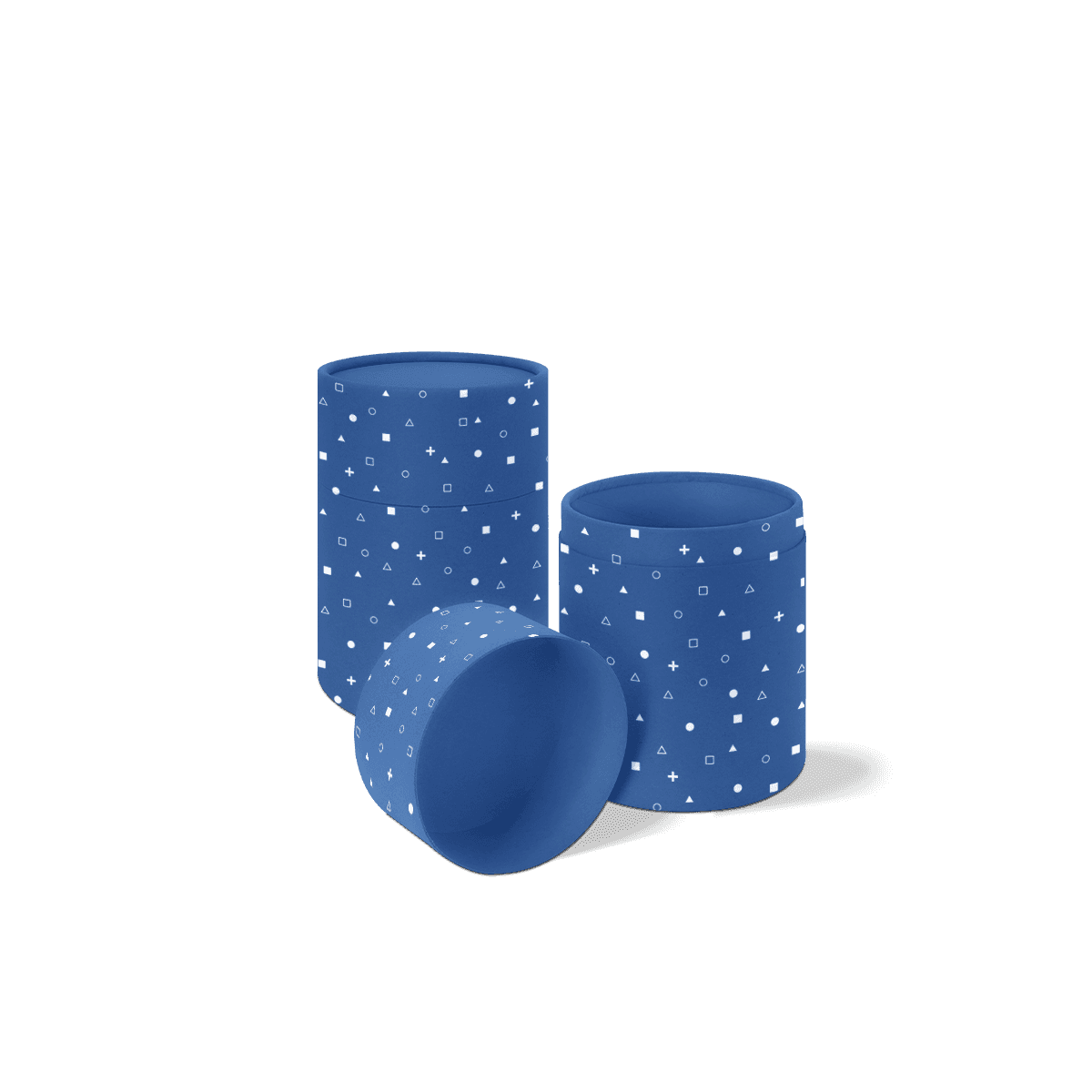
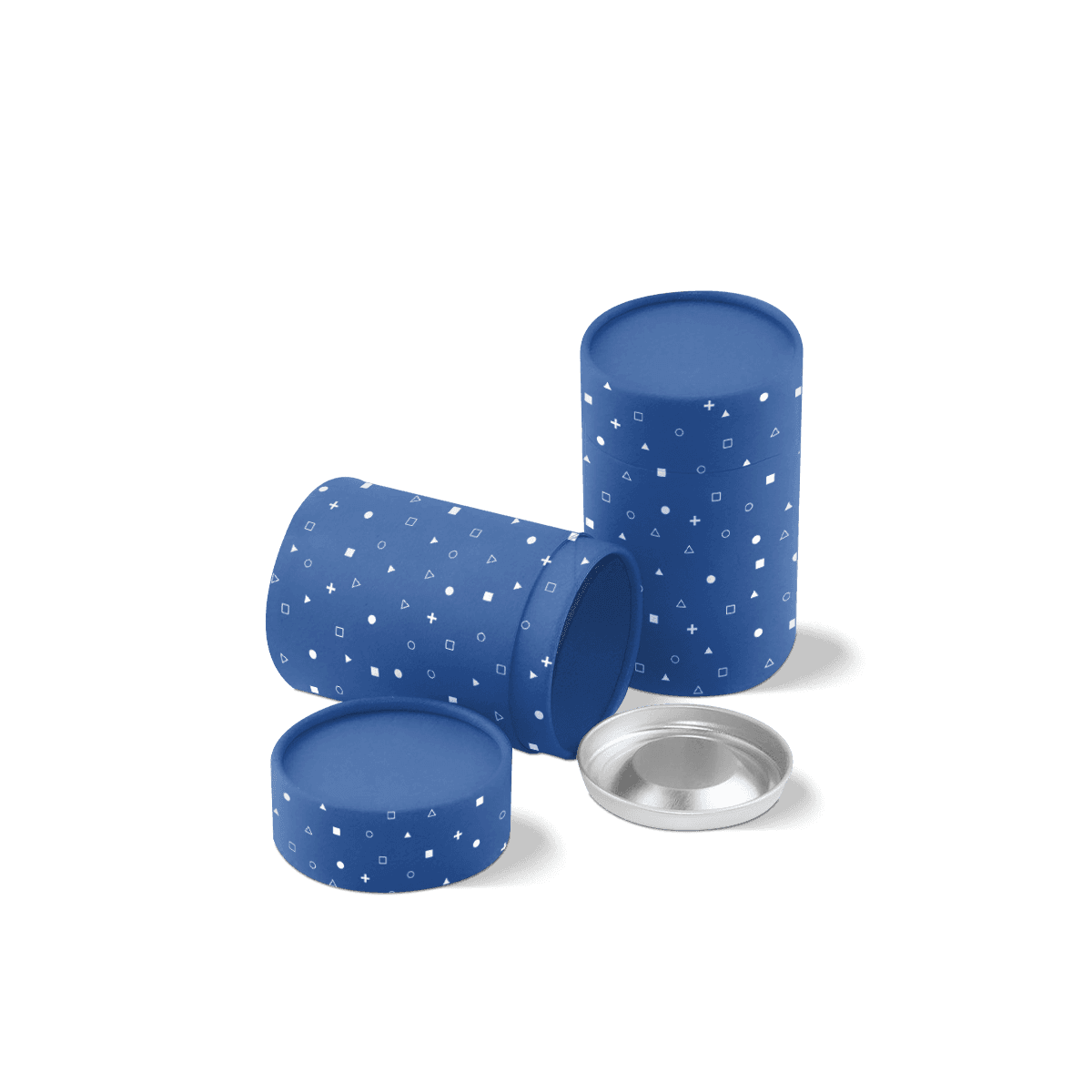
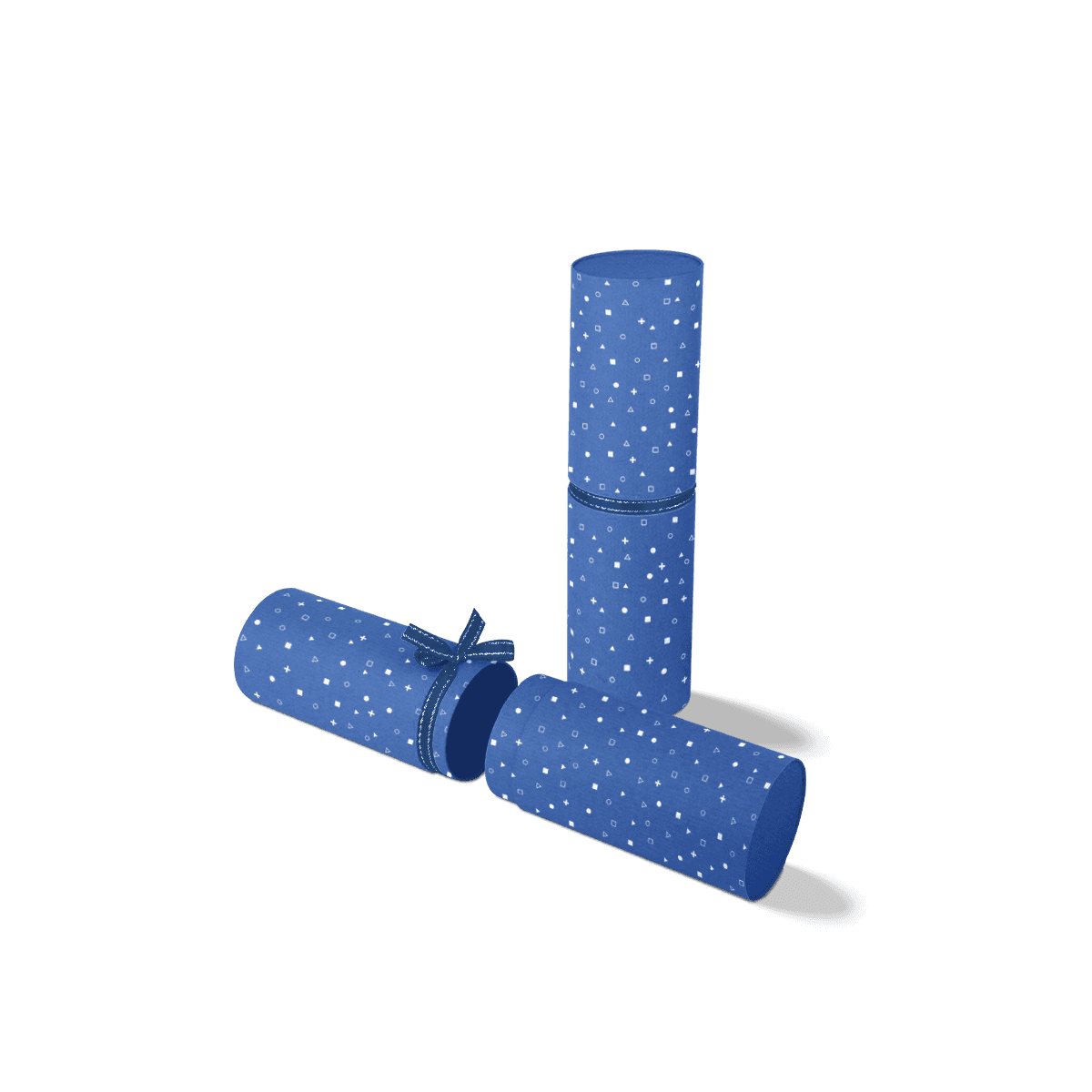
Candle tubes suit round jars and gift candles that need a cleaner silhouette, stronger presentation and a more distinctive outer pack, while still giving room for branded print, protective fit and organised retail or fulfilment handling.

Make the Candle Easy to Remove

Start with the lift-out motion. The customer should be able to remove the jar in one clean movement without shaking the tube, scraping a label or levering the vessel past the lid edge. Custom Candle Tubes need controlled radial clearance around the finished candle, not the tightest possible diameter.

Measure the widest point of the filled, labelled and lidded vessel, then build the tube around that real profile. The cylinder earns its place when it improves round-jar presentation and handling; it should not make packing or removal harder simply to create a snug visual fit.

Allow Radial Clearance

Measure the finished candle at its widest diameter, including a wrap label, raised decoration or lid overhang. Then leave enough working space for insertion and lift-out. A tube that feels impressively snug when empty can become awkward once production tolerances, labels and surface finishes are added.

Too much space creates a different problem. The jar can shift from side to side and the presentation starts to feel accidental. If movement remains after the tube diameter is set sensibly, control the jar at selected contact points rather than simply making the whole tube tighter.

The practical principles in products that work best in tube packaging are especially relevant to glass candles: the round shape should improve fit or presentation, not exist only because it looks different.

Protect the Lid and Label

Clearance should be checked at the top and sides separately. Metal lids, timber lids, dust covers and thick labels can all create contact points that the plain glass dimensions miss.

Do not let an internal collar rub a paper label or push directly against a decorative lid edge. A small adjustment to the support position can protect the finish without making the whole tube larger.

Usable Height Is Not Tube Height

The nominal outside height does not tell you how much space the candle actually has. Lid depth, base pads, collars and internal supports all consume vertical room. This is one of the easiest ways to end up with a candle tube that closes correctly when empty but presses on the product once packed.

Subtract Lid Depth First

A deep lid changes both the internal height and the visual reveal. If the lid overlaps far down the tube body, artwork, scent names and product labels may also sit partly under the closure line.

Set the lid depth before finalising the artwork. That lets the visible tube body, front-facing brand area and candle clearance work together rather than being corrected separately at the end.

For lidded structures, cardboard tubes with lids show why closure depth, reopening and usable space need to be treated as part of the same decision.

Allow for Base Support

A base pad or insert changes where the candle sits vertically. Even a small support can move the lid closer to the candle top while a deeper insert can expose more of the vessel when the tube opens.

This is useful when the reveal needs to feel deliberate, but it means the insert cannot be added after the tube height has already been fixed. The vessel, base support and lid should be treated as one physical stack.

Support the Weight Where It Lands

Heavy candle jars load the bottom of the tube first. The internal support should therefore stabilise the vessel at the base and control sideways movement without gripping delicate areas unnecessarily.

Centre the Base

A fitted base support can keep the jar centred while leaving the upper glass free from pressure. That is often cleaner than wrapping the whole vessel in a tight sleeve or forcing several contact points around the sidewall.

The safest support surface is usually a stable part of the jar base, not the label edge, lid rim or decorative shoulder. If the vessel is tapered, confirm which diameter actually carries the weight once the candle is seated.

A recent UK brief specified a 90 mm × 110 mm candle jar inside a 105 mm × 130 mm black tube, with a 20 mm EVA insert, black inner tube and a 5 × 5 cm gold-foil mark. The useful lesson is not to copy those dimensions. It is that insert depth and lid position immediately affect usable height, removal and the artwork zone.

Do Not Over-Cradle the Jar

More support is not automatically safer. Excessive contact can slow packing, make the candle difficult to remove and create pressure on labels or decorated glass.

If the jar is still moving, identify the direction of movement first. A base insert, collar or small locating feature may solve the problem more cleanly than surrounding the entire candle. For fragile products, the same decision rule appears in stronger box, insert or both: fix movement where movement is the problem.

Custom Packly's experienced packaging team can coordinate the tube, insert, dieline, artwork and finish as one specification. That gives brands one-stop support when several components affect the same fit rather than leaving each part to be solved independently.

Treat Curved Print as a Moving View

A tube does not have a permanent front panel in the way a folding carton does. Customers turn it in their hands, retailers rotate it on shelf and the seam can shift what feels like the visual centre. Good candle-tube artwork therefore needs one intentional reading position without wasting the rest of the wrap.

Create One Reading Position

Place the brand mark, candle name and key scent information where the tube naturally presents first. Secondary copy can travel around the body, but the customer should not have to rotate the tube several times just to understand the product.

This matters even more when multiple scents share the same structure. A stable logo position and repeatable information hierarchy make the collection easier to recognise while colour and fragrance names create differentiation.

Premium offset printing is useful when detailed scent artwork, fine typography or controlled colour needs to repeat accurately across multiple versions. Free 3D mockups can also help check how flat artwork reads once it wraps around the cylinder.

Move Critical Copy Away from the Seam

Small text, barcodes, fine rules and foil details should not sit where a wrap seam or lid line interrupts them. The flat file may look balanced while the finished tube makes the information harder to read.

Use the production template to mark the visible front, seam position and lid overlap before artwork approval. The principles in packaging dielines and artwork setup are useful here even though a wound tube is not planned exactly like a folding carton.

Custom Packly's 24/7 packaging support is useful at this stage because artwork questions, seam position and finish placement are easier to solve before files reach production than after the tube has been wrapped.

Standardise the Tube Before the Scents

A candle collection becomes easier to manage when the physical tube stays stable and the scent identity changes through print. If the same jar is used across several fragrances, there is usually little value in changing diameter, lid depth or insert geometry for every SKU.

One Vessel, One Core Specification

Keep the core tube dimensions, lid fit and internal support consistent when the vessel allows it. That gives production, storage and packing teams one physical specification to recognise.

The Candles and Home Fragrance selection becomes easier to coordinate when each product keeps its own structural logic but shares a coherent visual system across candles, diffusers and room sprays.

MOQ starts from 100 boxes, so a smaller candle launch can establish a proper cylindrical presentation before volume grows. For repeat lines, stable dimensions also make replenishment easier to plan.

Change the Scent Without Changing the Geometry

Use colour bands, illustration, foil accents, scent names or typography to separate variants. Seasonal editions can feel new without creating another tube diameter that complicates storage and packing.

For launch calendars, guaranteed 4–6 working day production and delivery gives a fixed production window once the artwork set is ready. That can be useful when several scent versions need to arrive together rather than in staggered batches.

Separate Retail Tubes from Courier Protection

A candle tube can feel substantial without being the right exposed shipping structure. Dense glass jars still face drops, stacking pressure and repeated handling in courier networks. The retail tube should protect presentation and local handling. The transit layer should manage the journey.

If direct-to-customer delivery is central, Candle Mailer Boxes are the better starting point for the outer layer. A tube can sit inside a suitable corrugated shipper when the brand wants the cylindrical reveal after the parcel is opened.

The distinction between paperboard, corrugated and rigid packaging matters here because presentation strength and courier strength are not the same thing.

There are also situations where the tube itself is unnecessary. Candle Boxes suit brands that prioritise flat stacking, broad information panels and more compact storage. Luxury Candle Boxes make more sense when a substantial rigid opening experience is the main source of perceived value.

For gift-led cylindrical presentation across other product types, Gift Tubes cover the occasion-first structural decision without making the candle-specific fit problem the centre of the specification.

Use a Production Jar as the Fit Master

Use one actual production jar as the fit master before the tube diameter is locked. Test it filled, labelled and lidded: lower it into the tube, rotate it, lift it out and reseat it. Any label drag, lid interference or insert grip should be solved against that real jar rather than an idealised drawing.

For scent variants using the same vessel, record the jar profile, insert depth and lid overlap as the physical reference. A custom packaging quote can then price one proven geometry plus the artwork versions that share it.

For repeat orders, return to that fit master whenever the jar supplier, label thickness or lid changes.

Use the custom packaging quote once that information is available. The quotation can then be based on the actual vessel behaviour, artwork plan and scent programme rather than a generic tube size.

FAQs

Candle tubes work best with round vessels, smaller pillar candles and jars that already have a cylindrical profile. The outer pack looks more intentional because it follows the product shape instead of enclosing it in unused corner space. They are especially useful when the candle height and diameter are consistent across a fragrance range and the presentation needs to feel more gift-led.

Yes, but they should not be expected to take full transit impact on their own. Candle tubes can protect the product well in storage and presentation, especially with an insert, yet glass candles still usually need a secondary mailer or added void control for courier handling. Confirm dispatch conditions before production so the tube and the shipping format work together instead of being treated as the same layer.

They tend to outperform Candle Boxes when the vessel is round and the outer presentation needs more shape-led character. A tube often feels more distinctive for gifting, boutique shelves and fragrance launches, while a folding carton usually remains easier for high-volume retail runs, flat storage and larger printable information panels. The better choice depends on vessel shape, fulfilment method and the level of presentation expected.

More than many people expect. The wrapped outer wall gives continuous space for scent naming, collection colours, foil details and tactile finishes, though the layout needs to account for the curved surface and the seam position. If the candle needs extensive legal copy or dense product information, plan the artwork carefully so decorative presentation does not compete with readability.

Start with exact diameter, total product height and any lid or dust cover clearance. Then check whether the candle sits loose or needs an insert, how the lid should fit and whether the tube is for shelf display, gifting or dispatch. If the product is glass, also confirm the secondary shipping method early because transit protection often needs a separate outer format.

Process

How it works

Your Packaging Journey, From Idea to Production and Delivery

01

Tell Us Your Specs

Custom packaging boxes

Tell Us Your Specs

Provide size, quantity, printing, and finishes.

02

Get a Fast Quote

Custom packaging boxes

Get a Fast Quote

Instant transparent pricing, no hidden fees.

03

Design and Approval

Custom packaging boxes

Design and Approval

Artwork checks, revisions, and final sign-off.

04

Produce

Custom packaging boxes

Produce

Expert manufacturing to meet deadlines.

05

Ship to Your Door

Custom packaging boxes

Ship to Your Door

Hassle-free, flexible delivery options.

Get Your Quote for Custom Candle Tubes

Share your product details, dimensions, quantity and artwork needs. We’ll help choose the right packaging style and send a clear quote.