Skip to content
Details

Custom Luxury Candle Boxes

Luxury candle boxes frame high-end jars and gift candles with stronger presentation, refined finishes and a more substantial opening experience, while giving the product better support for retail display, launches and premium fulfilment.

Set the Reveal Height First

A luxury candle can lose its premium feel the moment the lid comes off if the jar sits too deep, too loose or too close to the upper edge. Custom Luxury Candle Boxes should frame the vessel deliberately, so the first open view shows the candle at the right height before the customer touches it.

That means the insert depth, jar height, lid clearance and box depth need to be solved together. Starting with the outside dimensions and trying to make the candle fit afterwards usually creates one of two weak results: too much empty space above the product or a jar that disappears into a deep cavity.

Show Enough of the Vessel

The visible height of the candle matters. A jar that sits nearly flush with the insert can look neat, but it may be difficult to grip. A vessel sitting too high can lose the protected, framed effect that rigid presentation is meant to create.

Use the actual filled candle, including its lid, label and any decorative band. Then decide how much glass, metal or ceramic should remain visible when the box opens. That exposed height should come from the presentation goal and removal method, not from whatever space is left after the box has been sized.

Protect the Top Without Hiding It

The top of the candle needs clear space beneath the closed lid. Timber lids, domed metal lids and decorative caps can project beyond the main vessel, so the tallest finished point should control the clearance.

A free 3D mockup is useful for reviewing proportion, visible product height and the relationship between the outer box and inner presentation before production. It cannot replace a physical fit check where tolerances are unusually close, but it can expose awkward proportions early.

Choose the Opening Before the Finish

The opening style changes the customer's first interaction more than foil or lamination does. Luxury candle packaging therefore works best when the opening movement is selected before decorative finishes are finalised.

The Rigid Boxes selection includes several structures that can all look premium, but they do not create the same experience.

Lift-Off for a Formal Reveal

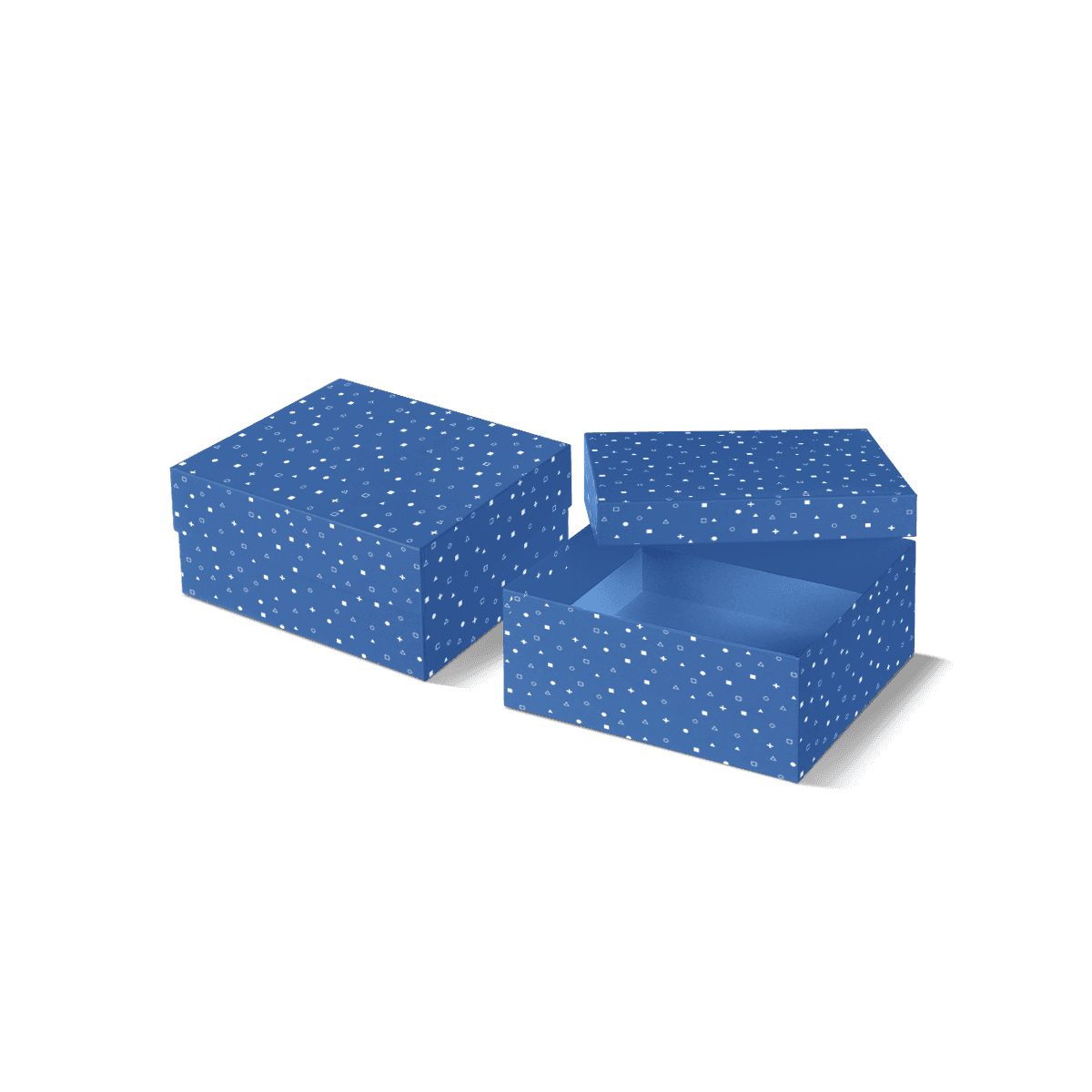
Custom Rigid Lid and Base Boxes suit candles that need a classic two-piece opening with unrestricted access from above. The removable lid works especially well for a single jar, a paired candle set or a presentation where the customer should see the complete arrangement immediately.

The lid should release with controlled resistance rather than fall away or grip the base tightly. That physical feel contributes more to perceived quality than adding another surface effect to a poorly fitted box.

Shoulder Neck for a Framed Reveal

Custom Shoulder Neck Rigid Boxes add a raised inner neck between the lid and base. For candles, that can create a deliberate colour break and make the open product feel more staged.

Use this structure when the stepped reveal itself contributes to the presentation. Do not add a shoulder simply because the box is positioned as luxury. It introduces another layer of geometry and should earn its place through alignment, reveal or product framing.

Magnetic Closure for an Attached Lid

Magnetic Closure Rigid Boxes make more sense when the lid should remain attached, the inside cover carries branding or the box is likely to be reopened and kept.

The hinge direction and insert orientation need to work together. A candle that faces the wrong way when the lid opens creates an avoidable disconnect between the outer branding and the product reveal.

If the desired presentation is cylindrical rather than rectangular, Candle Tubes solve a different problem and should not be imitated with an unnecessarily complex rigid box.

Support the Jar from Below

Luxury packaging should make a heavy candle feel controlled, not wedged in place. Dense glass is best supported from stable lower surfaces so the insert carries weight without rubbing labels, decorative shoulders or lid edges.

Inserts and Dividers become especially important when the vessel is heavy, the interior needs a precise reveal or several products share one box.

Carry Weight at the Base

The bottom of the jar is usually the most useful load-bearing area. A fitted paperboard platform, cradle or stronger support can centre the candle while transferring weight into the base of the rigid box.

Do not rely on side pressure to stop movement. Tight side contact can scuff labels, mark coated glass and make removal frustrating. If the candle needs extra restraint, add it at deliberate support points instead of shrinking the entire cavity.

Custom Packly's experienced packaging team can coordinate the rigid shell, insert, artwork and finish as one specification. That one-stop approach matters here because a small change in insert depth can affect box height, lid clearance and the visible product position at the same time.

Leave a Clean Finger Lift

A perfectly centred jar can still create a poor experience if the customer cannot pick it up. Deep cavities need a removal route.

That may mean exposing enough of the vessel above the insert, adding a finger recess or using a ribbon lift where it genuinely improves access. The best solution is the least complicated one that lets the candle come out cleanly without disturbing the presentation.

Design the Closed and Open Views

A luxury candle box has two visual states: what the customer sees before opening and what appears after the lid moves. Treating only the exterior as the branding surface wastes much of the value of rigid presentation.

The strongest packaging design usually comes from hierarchy rather than decoration. The thinking in packaging design that actually works is particularly relevant here: structure, material and proportion can create premium value before embellishment is added.

Give the Interior a Different Job

The outer surface can establish restraint and recognition, while the inner lid, base band or insert can carry scent storytelling, care information or a stronger colour moment.

That does not mean every visible surface needs print. A quiet exterior with one controlled interior reveal often feels more considered than repeating the same logo and pattern on every panel.

Free 3D mockups are especially useful for this decision because artwork that looks balanced on flat layouts can feel very different once the lid, insert and candle are seen together.

Keep Scent Variants Cohesive

A premium candle line may have several scents, seasonal editions or gift versions. If the vessel footprint stays the same, keep the rigid structure and insert geometry stable where possible and use colour, naming, wrap papers or selective print to create variation.

Across Candles and Home Fragrance, this makes it easier to coordinate candles with diffusers or room sprays without forcing every product into an identical box.

MOQ starts from 100 boxes, which gives smaller premium launches room to establish a proper presentation specification before scaling into larger repeat quantities.

Let One Finish Lead

Luxury candle boxes do not become more convincing each time another finish is added. Foil, embossing, debossing, soft-touch, spot UV and textured wraps can all work, but the box needs a hierarchy.

Choose the feature customers should notice first. It may be the paper surface, a foil scent name, a debossed logo or a sharply contrasting inner wrap. Everything else should support that decision.

Put Detail Where Handling Allows It

The top panel, inner lid and broad outer faces are usually safer areas for fine decorative work than repeated contact zones. Lid edges, drawer edges and surfaces that rub during opening can experience more wear.

Premium offset printing is useful when the artwork depends on fine detail, controlled colour or large printed wrap areas. Pantone references can help maintain a signature shade, while CMYK is useful for complex multi-colour artwork.

The Custom Luxury Packaging approach is useful when deciding how much of the premium effect should come from structure, paper and finishing rather than from one decorative process alone.

Use Texture as Part of the Design

An uncoated paper, coloured wrap or tactile stock can do visual work without requiring dense print. That can be particularly effective for candle brands whose fragrance positioning is quiet, botanical, architectural or gift-led.

Texture should still be tested against practical handling. Very dark papers can show scuffs, highly tactile wraps can change colour appearance and soft-touch surfaces can need more careful protection during fulfilment.

Plan Luxury for Real Operations

A rigid candle box occupies more space than a folding carton and usually needs more careful handling. That matters when a premium line moves from a small launch into regular retail replenishment.

Account for Storage and Packing

Assembled rigid boxes cannot normally be stored as flat as standard Candle Boxes. Check how many finished units fit comfortably in storage, how lids and bases stay paired and how quickly the candle and insert can be loaded at the packing bench.

For repeat programmes, keep the approved box dimensions, insert depth, wrap stock and artwork version tied to one production specification. Guaranteed 4–6 working day production and delivery can then support scheduled replenishment without changing the physical presentation from one run to the next.

Separate Presentation from Courier Protection

A rigid box can protect a jar in retail handling, but premium corners and wrapped surfaces are not meant to take unprotected courier abrasion and impact.

For ecommerce orders, place the presentation box inside an appropriate outer. Candle Mailer Boxes are built around that delivery problem, while the rigid box remains responsible for the gift reveal.

The distinction in paperboard, corrugated and rigid packaging is worth keeping clear: presentation strength and transit strength solve different problems.

Approve the First Ten Seconds

Before requesting production, define what should happen during the first ten seconds of opening. That brief is more useful for luxury candle packaging than simply asking for a "premium rigid box".

Decide:

  • how the lid should move
  • what the customer sees first
  • how much of the candle should sit above the insert
  • where the hand grips the vessel
  • which surface carries the main scent identity
  • whether the box is kept after the candle is removed
  • whether an outer shipper protects it during delivery

Then use the custom packaging quote with the finished candle dimensions, packed weight, preferred opening direction and intended reveal. Custom Packly's 24/7 packaging support can help resolve the structure if the visual concept is clear but the best rigid style is not yet decided.

FAQs

Luxury candle boxes are the stronger option when presentation needs to carry more of the product value. They suit gift-led candles, higher price points and ranges where the opening feel matters as much as print coverage. Standard Candle Boxes remain more practical for everyday retail volumes, faster packing and simpler stock control, especially where the candle is sold as a regular shelf item rather than a premium gift.

Rigid lid-and-base boxes are often the first choice because they feel clean, stable and gift-ready. Shoulder-neck styles create a more engineered reveal and help the box look precise when closed. Drawer formats work well for curated sets or when the candle should feel more like a keepsake item. The right structure depends on jar weight, insert needs, price point and how formal the opening experience should feel.

Not every time, but inserts are common because candle vessels tend to be heavy, round and sensitive to movement. A properly sized insert keeps the jar centred, improves presentation and helps protect the label or decorated glass. Inserts become more important when the lid is raised, the vessel is weighty or the box will also travel through fulfilment channels before reaching the end customer.

They can perform very well when the underlying board and wrap material are chosen properly. Foil and embossing suit luxury candle boxes because they add tactile detail without overcrowding the design, but they should still be matched to the handling environment. If the boxes will be stacked tightly, stored for seasonal campaigns or packed into mailers, confirm scuff resistance and coating compatibility before production starts.

Start with the exact vessel dimensions, filled product weight and whether the candle includes a lid, dust cover or accessory card. Then confirm insert requirements, preferred opening style, finish choice and how the box will be used after packing. If it will also go through ecommerce dispatch, check whether a secondary mailer is needed because a luxury outer box should not take the full impact of transit on its own.

Process

How it works

Your Packaging Journey, From Idea to Production and Delivery

01

Tell Us Your Specs

Custom packaging boxes

Tell Us Your Specs

Provide size, quantity, printing, and finishes.

02

Get a Fast Quote

Custom packaging boxes

Get a Fast Quote

Instant transparent pricing, no hidden fees.

03

Design and Approval

Custom packaging boxes

Design and Approval

Artwork checks, revisions, and final sign-off.

04

Produce

Custom packaging boxes

Produce

Expert manufacturing to meet deadlines.

05

Ship to Your Door

Custom packaging boxes

Ship to Your Door

Hassle-free, flexible delivery options.

Get Your Quote for Custom Luxury Candle Boxes

Share your product details, dimensions, quantity and artwork needs. We’ll help choose the right packaging style and send a clear quote.