Fit the Filled Candle, Not the Empty Jar
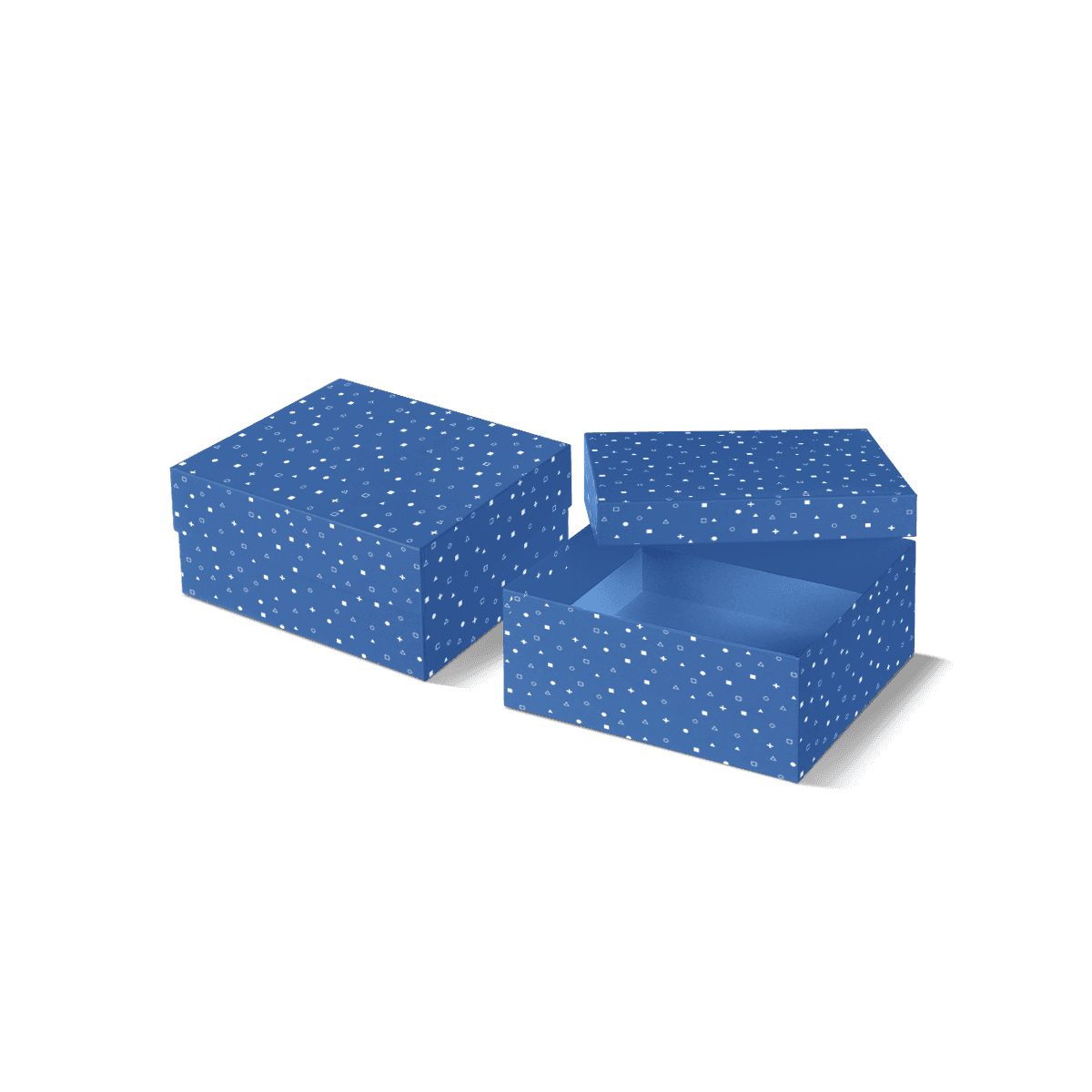
A candle jar can fit inside a carton and still be badly packed. The useful specification starts with the finished candle: the widest vessel diameter, full height including the lid, filled weight, label thickness, decorative details and the way the carton will be handled after packing. Custom Candle Boxes should leave enough working clearance for reliable loading and closure without allowing the jar to rattle against the walls.
That matters because candles are dense for their footprint. A compact glass vessel can place more stress on a carton than its size suggests, while a raised lid, thick label or tapered shoulder can change the true maximum dimension. Sizing from a supplier drawing or an empty vessel alone can therefore produce a box that looks correct on screen but becomes awkward once the real product is packed.
Measure the Finished Vessel
Measure the candle in the exact state in which it will be sold. Include the lid, base profile, wrap label, sleeve, dust cover or any other component that stays with the product. Check the widest point rather than assuming the nominal jar diameter is the usable carton width.
If several scents use the same vessel, confirm whether every variant really shares the same external dimensions. A thicker decorative label, different lid or added neck band can remove clearance that looked generous on the first sample.
The same principle applies when creating artwork. A packaging dieline should be based on the approved physical specification, not stretched later to rescue a box that was sized too tightly.
Control Movement Without Squeezing Glass
A good candle carton limits movement without clamping the jar. Too much empty space can let the vessel knock the side panels, scuff a label or load the lid during handling. Too little space creates friction during packing and can put pressure on decorated glass or applied labels.
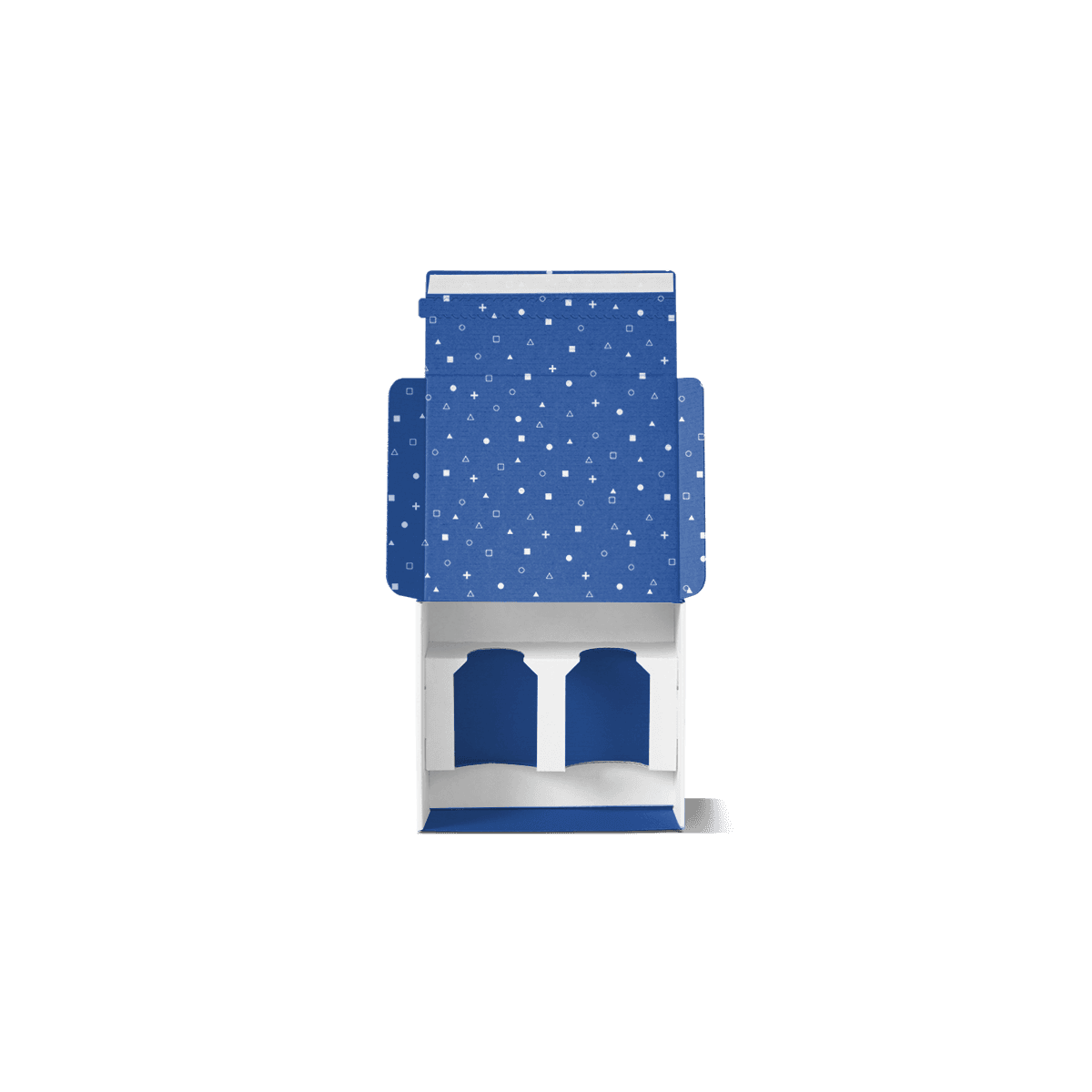
If the outer carton stays intact but the candle is still moving, adding more paperboard is often the wrong fix. The decision process in fragile product packaging is useful here: strengthen the outer structure when the box itself is failing and control the product when movement is the actual problem.
For an unfamiliar jar and insert combination, a free sample can help confirm loading, removal and final fit before a larger run.